
Anti Glare Sunglasses

What Are Polarized Sunglasses? UV400, Lens Colors, Driving & Glare Explained

The BAPORSSA Lens & Light pillar guide to polarized sunglasses, UV400 protection, non-polarized lens tradeoffs, driving glare, lens colors, screen issues, and rimless light-tint routes.
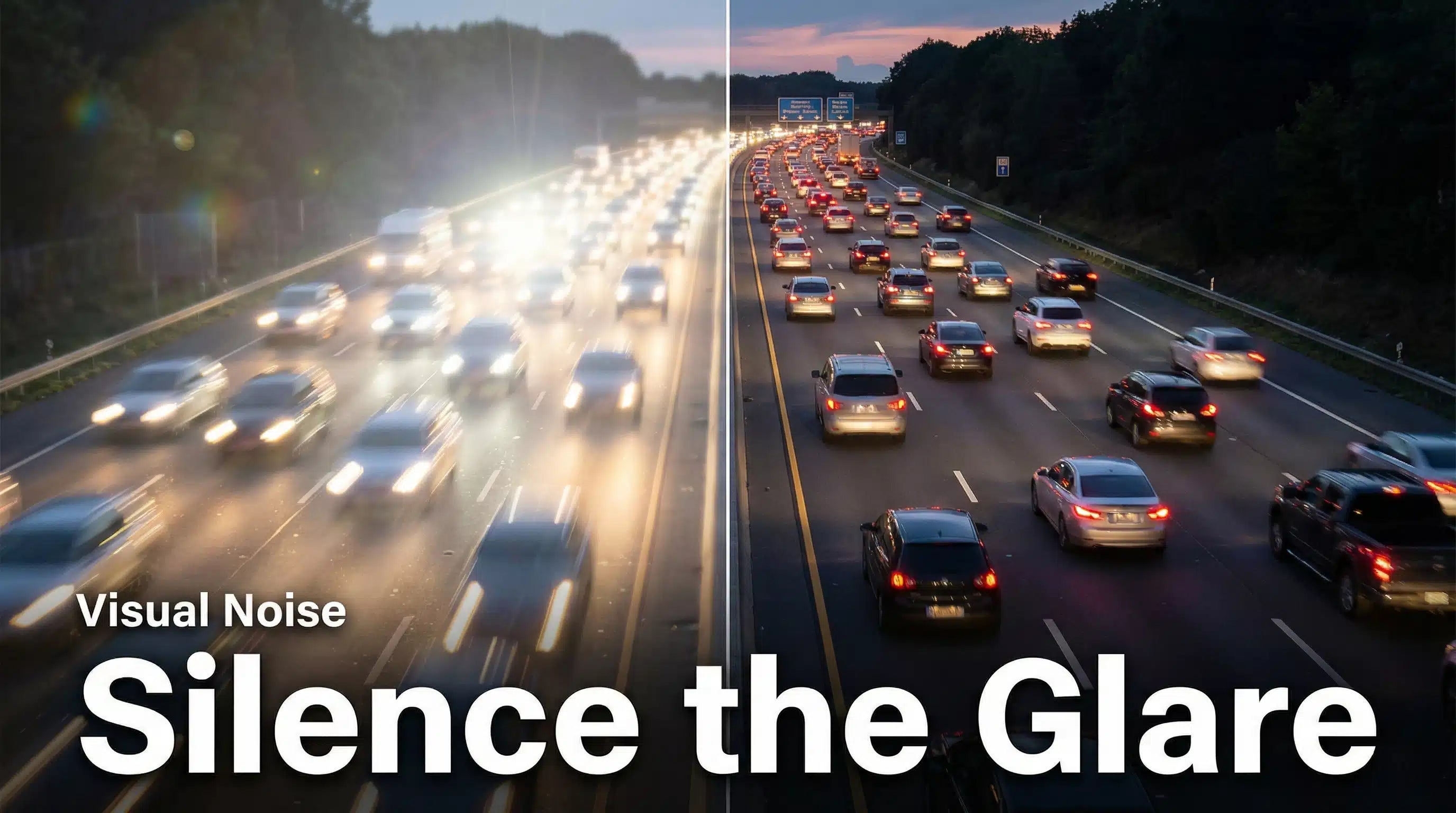
UV400 vs polarized sunglasses comparison showing UV protection and glare reduction
The BAPORSSA Lens & Light pillar guide to polarized sunglasses, UV400 protection, non-polarized lens tradeoffs, driving glare, lens colors, screen issues, and rimless light-tint routes.

Quick answer: Polarized sunglasses reduce reflected glare from roads, water, snow, glass, car hoods, and bright pavement. They can make outdoor vision feel calmer, especially for driving and water, but polarization is not the same as UV400 protection. UV400 protects against ultraviolet light. Polarization reduces glare.

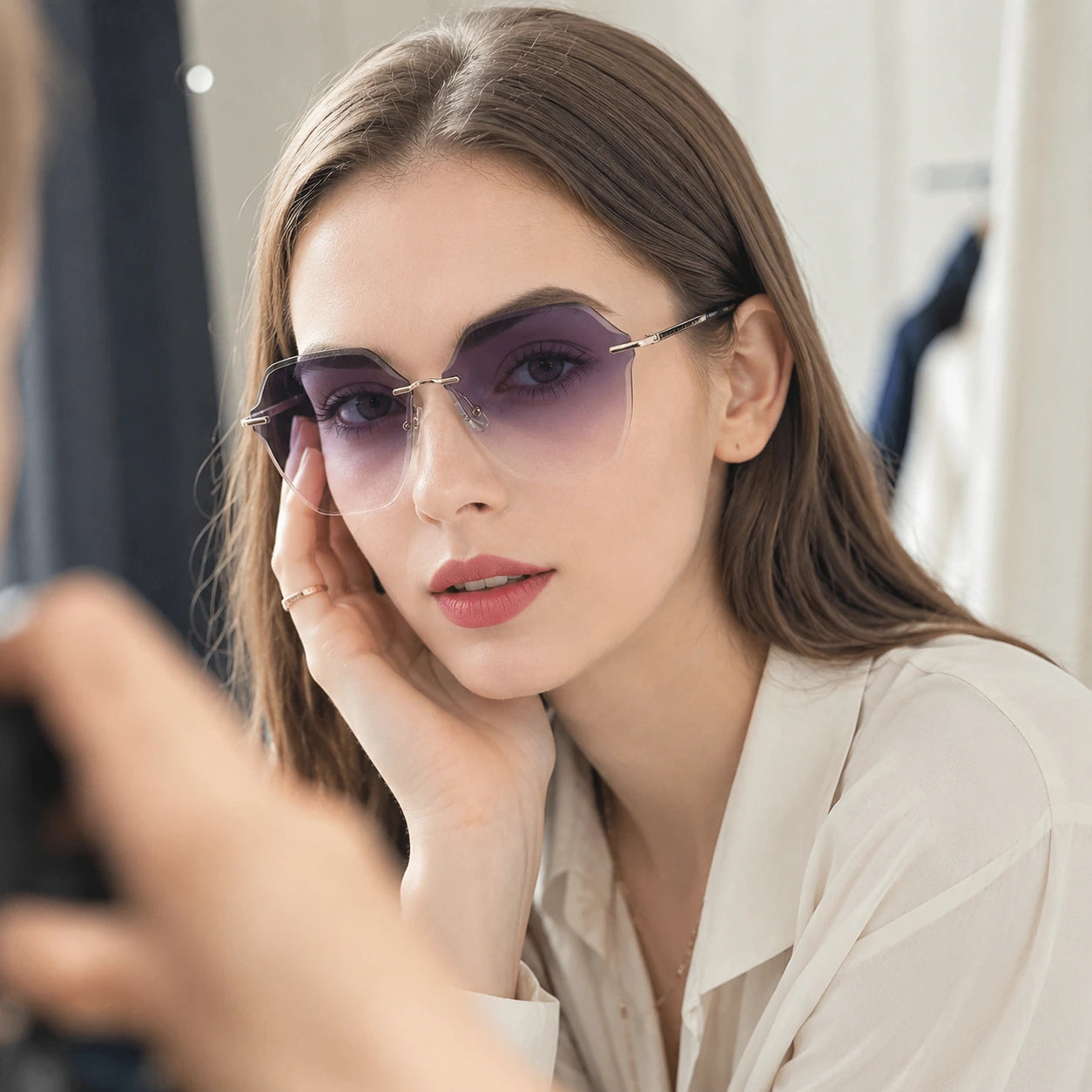
BAPORSSA Backbone rimless sunglasses with gradient lenses, shown from the front
BAPORSSA
Backbone
The rimless front keeps your face open, while the soft gradient takes the edge off bright light without...
$99.00$159.00
Explore Product
BAPORSSA Air frameless sunglasses with gradient lenses, shown from the front
BAPORSSA
Air
Weightless architecture with a built-in cosmetic lift. The Air strips away the frame entirely to deliver a clean,...
$99.00
Explore Product
BAPORSSA Luma metal sunglasses with polarized lenses, shown in a close-up detail view
BAPORSSA
Luma
A lightweight, oversized metal frame engineered for all-day comfort. The Luma features flexible spring hinges and adjustable silicone...
$99.00
Explore Product

This is the main BAPORSSA Lens & Light guide. Use it when you are deciding between polarized and non-polarized sunglasses, checking UV400 protection, choosing lens colors, comparing driving glare options, or wondering why polarized lenses can make phone screens look strange.

If you want the full purchase route beyond lenses, read the BAPORSSA sunglasses buying guide. If your harder question is frame shape or face balance, start with the face shape sunglasses guide.

For BAPORSSA, the lens should do its job without making the frame feel heavy or overly technical. The goal is simple: cleaner light, calmer vision, and a face that still looks open.

Shop BAPORSSA rimless sunglasses

Polarized sunglasses guide showing UV400 glare lens tint driving visibility and eye comfort

Polarized sunglasses guide: quick decision chart

Question Short answer Best next step BAPORSSA route
What are polarized sunglasses? Sunglasses that reduce reflected glare. Use them when glare is the real problem. Best for driving, water, snow, and bright roads.
Does polarized mean UV protection? No. They are different features. Check UV400 separately. UV400 first, polarization when needed.
Polarized or non-polarized? Polarized cuts glare; non-polarized is often easier with screens. Choose by lifestyle, not by trend. Glare-heavy days: polarized. Phone-heavy days: UV400 gradient.
Best for driving? Often polarized, but dashboard and HUD visibility matter. Test your car display if possible. Use the driving sunglasses guide.
Best lens color? Grey, brown, green, rose, yellow, and gradient all do different jobs. Choose color by light condition. Use the lens color guide.
Best lens material? Material changes weight, clarity, impact behavior, and rimless fit. Compare glass, HD nylon, polycarbonate, and TAC. Use the lens materials guide.

What are polarized sunglasses?

Polarized sunglasses are sunglasses with a lens filter that reduces reflected glare. The effect is most obvious when light bounces off flat or shiny surfaces: water, wet roads, snow, glass, car hoods, windshields, sidewalks, and bright pavement.

In simple terms, polarized sunglasses are not just darker sunglasses. They are designed to reduce a specific kind of glare that can make outdoor vision feel harsh, washed out, or tiring.

That is why polarized sunglasses are popular for driving, beach days, boating, fishing, snow glare, and long bright outdoor movement. They can make the view feel calmer without forcing the lens to look extremely dark.

What does polarized mean in sunglasses?

When sunglasses are polarized, the lens includes a filter that reduces horizontally reflected light. This reflected light is the glare you notice from water, roads, snow, glass, metal, and other bright flat surfaces.

Polarization can improve visual comfort by reducing glare bounce. It can also make contrast feel cleaner in specific conditions. But it does not replace UV protection, and it does not automatically make a pair better for every person.

  • UV400 answers protection.
  • Polarized answers glare.
  • Lens color answers comfort and mood.
  • Lens material answers weight, clarity, and frame compatibility.

Polarized vs non-polarized sunglasses: which should you choose?

The best choice depends on what bothers you more: reflected glare or screen readability.

Lens type Best for Tradeoff BAPORSSA route
Polarized sunglasses Driving glare, water, snow, wet roads, bright reflections Can make some phones, HUDs, LCDs, and dashboards harder to read Choose when glare is your daily problem
Non-polarized UV400 sunglasses Daily city wear, phone use, gradient styling, makeup-friendly styling Does not reduce reflected glare as strongly Choose when screen visibility and a lighter face result matter more

If you drive near water, on wet roads, or in strong open daylight, polarized lenses can be useful. If you check your phone all day, use camera screens, rely on a car HUD, or prefer a softer fashion lens, a non-polarized UV400 gradient lens may be easier.

UV400 vs polarized sunglasses: the simple difference

UV400 and polarization are often confused, but they solve different light problems. UV400 is about ultraviolet protection. Polarization is about reflected glare control.

UV400 vs polarized sunglasses comparison showing UV blocking and reflected glare reduction
Feature UV400 Polarized Buying rule
Main job Blocks ultraviolet light up to 400 nm when properly made Reduces reflected glare from flat surfaces Check UV400 first, then choose polarization if glare matters
Visible effect Usually invisible Glare looks calmer and contrast may feel cleaner A lens can protect well even if it does not look very dark
Best for Daily sun exposure Driving, water, snow, wet roads, bright reflections Many outdoor users benefit from both
Screen effect No major screen issue by itself Can darken phones, dashboards, ATMs, LCDs, or HUDs Screen-heavy users should test before choosing

What does UV400 mean in sunglasses?

UV400 means the lens is designed to block ultraviolet wavelengths up to 400 nanometers when properly manufactured and tested. In practical shopping language, this usually means 99–100% UVA and UVB protection.

UV light is invisible, so you cannot judge UV protection by lens darkness, frame price, lens color, or how premium the sunglasses look. A dark lens does not automatically mean better UV protection.

Important: Lens darkness controls visible light. UV400 controls ultraviolet protection. Those are not the same thing.

Are polarized sunglasses better for your eyes?

Polarized sunglasses can be better for comfort when reflected glare is the main problem. They can reduce squinting and visual harshness around roads, water, snow, and glass. But polarization itself is not the same as eye protection.

For eye protection, start with UV400 or 99–100% UVA/UVB protection. For glare comfort, add polarization when your environment calls for it.

That means polarized sunglasses are not automatically better for every person. They are better when glare is the specific problem you need to solve.

Are polarized sunglasses good for driving?

Polarized sunglasses can be good for driving because they reduce reflected glare from wet roads, windshields, car hoods, and bright pavement. This is one of the strongest use cases for polarization.

But there is one important check: some car dashboards, LCD displays, and head-up displays can become harder to read through polarized lenses. If your car has a HUD or screen-heavy dashboard, test the lens angle before making polarized your only driving pair.

For driving, the lens decision usually looks like this:

  • Bright road glare: choose UV400 + polarized.
  • Screen-heavy dashboard or HUD: consider UV400 non-polarized or gradient.
  • Natural color feel: grey lenses are easy.
  • Contrast and warmth: brown or amber lenses can help.
  • Long drives: lighter lens materials reduce nose pressure.

For the full driving lens route, read the best sunglasses for driving guide.

When polarized sunglasses help most

Polarized sunglasses use cases for driving water snow city walking and screen-heavy daily use

Polarized sunglasses help most when bright light is bouncing back toward your eyes. The strongest cases are open-road driving, wet pavement, water, snow, glass-heavy streets, car hoods, and other reflective surfaces.

They help less when your main daily problem is screen visibility. For phone-heavy use, camera work, ATM screens, GPS displays, and some car dashboards, a non-polarized UV400 lens or a softer gradient lens may feel easier.

When polarized sunglasses can be annoying

Polarized lenses can make certain digital screens look darker, patchy, rainbow-like, or almost black at specific angles. This can happen with phones, GPS screens, ATMs, camera displays, dashboards, and head-up displays.

Why polarized sunglasses can make phone screens and LCD displays hard to see

This is not usually a lens defect. It is the result of two polarized layers crossing each other. Rotating the phone or tilting your head often changes the effect, but that is not always convenient.

If this is your main problem, read the polarized sunglasses and phone screen guide.

Driving & Travel
Collection
Driving & Travel
Made for glare, movement, and changing light.A scenario-led collection for driving, commuting, and travel days where comfort and visibility matter...
3 styles
Browse Collection

How to tell if sunglasses are polarized

The easiest everyday test is to look at a phone, LCD screen, or reflective surface while slowly rotating the sunglasses. If the view changes, darkens, or glare reduction becomes stronger at certain angles, the lenses may be polarized.

For certainty, check the product specification or ask an optical store to test the lenses. A home screen test can suggest polarization, but it is not a replacement for clear product information.

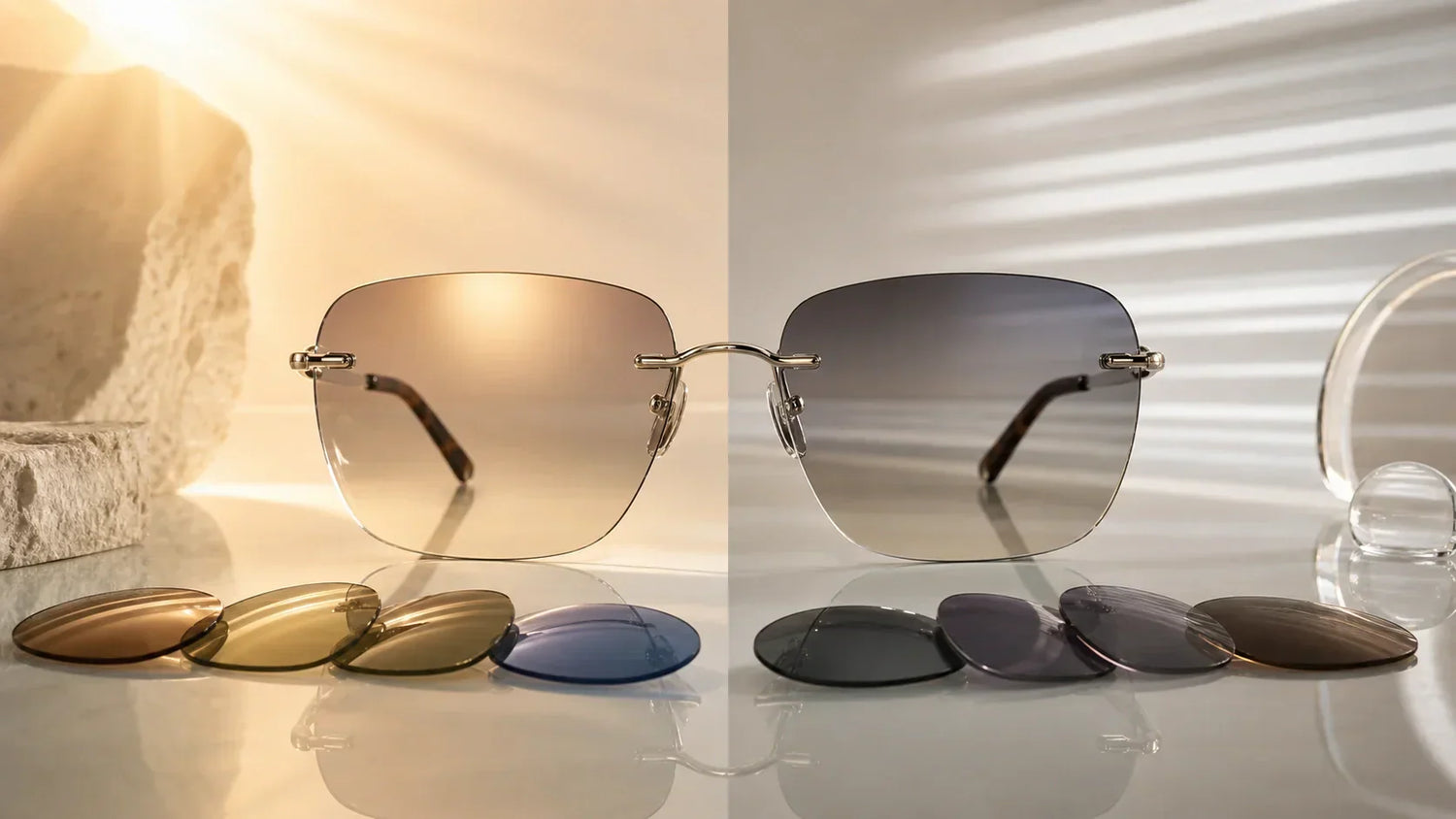
Lens color guide: grey, brown, rose, green, yellow, and gradient

Lens color is not only style. It changes contrast, brightness comfort, color feel, and the mood of the sunglasses on the face.

Lens tint VLT and category 3 sunglasses chart showing visible light transmission
Lens color Best for Watch out for
Grey Natural color feel and bright daylight Can feel flat for some users
Brown / amber Contrast, driving, warm daylight Warmer color shift
Green Balanced contrast and classic sunglass feel Less soft-looking than rose or gradient
Rose Soft visual comfort and light sensitivity routes Not ideal for color-critical tasks
Yellow Low-light contrast in specific conditions Not a default harsh-sun tint
Gradient Driving transitions, style, cleaner face result Coverage varies by tint depth

For the full tint breakdown, read the sunglasses lens color guide. If you want lens darkness and visible light transmission, read the Cat 3 and VLT guide.

Lens material still matters

Lens material changes weight, clarity, impact behavior, edge finish, and how well the sunglasses work in a rimless frame. This is why lens material belongs inside Lens & Light, but it should not be the main Pillar topic by itself.

Glass can feel crisp and scratch-resistant, but it is heavier and more brittle. Polycarbonate is practical for impact-first use. TAC is common in affordable polarized sunglasses. HD nylon gives BAPORSSA the best daily balance: clear, light, flexible, refined, and better suited to rimless construction.

For the full material comparison, read the sunglass lens materials guide.

Best polarized sunglasses for women: what to check

The best polarized sunglasses for women should not feel like heavy sport eyewear unless that is the look you want. Start with UV400 protection, then decide whether glare is a real daily problem. After that, check lens darkness, frame weight, nose pressure, and whether the lens hides the brow line, makeup, or cheekbones.

For a cleaner face result, lightweight rimless or gradient sunglasses can feel softer than thick full-frame polarized sunglasses. This is especially useful when you want sun protection and polish without hiding the eyes or making the face look heavy.

  • Lens darkness: do not choose darker only because it looks more protective.
  • Frame weight: lighter lenses and rimless construction can reduce daily fatigue.
  • Nose pressure: a good lens still fails if the frame slides or digs in.
  • Face visibility: gradient and rimless lenses keep more of the face open.

If the frame shape is the harder decision, use the face shape sunglasses guide before choosing a lens color.

UV protection for sensitive eyes, LASIK, and aging eyes

If your eyes feel sensitive to light, UV400 protection is still the baseline. After that, lens tint, glare control, coverage, and frame weight become more important. Some people need a calmer tint. Others need stronger glare reduction. Some need a lighter frame that is easier to wear all day.

For light sensitivity and migraines, read the light sensitivity sunglasses guide. For post-surgery sunglasses, read the LASIK and eye surgery sunglasses guide. For older eyes, read the aging eyes sunglasses guide.

The BAPORSSA Lens & Light route

BAPORSSA is not trying to make sunglasses feel heavier just to make them seem more technical. The goal is cleaner light, calmer vision, and a frame that keeps the face open.

  1. Start with UV400. Protection comes before tint darkness.
  2. Add polarization if glare is the problem. Driving, water, snow, and wet roads are strong use cases.
  3. Choose lens color by comfort. Grey, brown, rose, green, and gradient all change the view differently.
  4. Check screen tradeoffs. Polarized lenses can interfere with phones, dashboards, and HUDs.
  5. Keep the frame light enough to wear. Lens weight affects nose pressure and long-day comfort.

Read more about the brand standard on BAPORSSA lens technology.

Which BAPORSSA sunglasses should you choose?

Important product note: the BAPORSSA styles below are not presented here as polarized product claims unless the product page states polarization. They are recommended as Lens & Light routes for UV, tint, weight, rimless visibility, and daily comfort.

Choose Glow if you want a photochromic rimless route that adapts to changing light while keeping the face open.

Choose Vanguard if you want a bolder rimless shield look with light gradient styling and stronger visual presence for bright-day outfits.

Choose Backbone if you want a clean BAPORSSA starting point: rimless, light, gradient, and easy to style every day.

Backbone Vanguard and Glow BAPORSSA rimless sunglasses with UV400 lens options

BAPORSSA Glow photochromic sunglasses, shown from the front
BAPORSSA
Glow
A rimless geometric frame featuring photochromic HD nylon lenses. The Glow automatically adapts to sunlight, transitioning from a...
$159.00
Explore Product
BAPORSSA Vanguard frameless sunglasses with gradient lenses, shown from the front
BAPORSSA
Vanguard
SEAMLESS LOGIC: THE ORIGIN SERIES The ultimate expression of BAPORSSA's "Era of Zero." The Origin Series strips away...
$159.00
Explore Product
BAPORSSA Backbone rimless sunglasses with gradient lenses, shown from the front
BAPORSSA
Backbone
The rimless front keeps your face open, while the soft gradient takes the edge off bright light without...
$99.00$159.00
Explore Product

Shop lightweight rimless sunglasses

Shop driving and travel sunglasses

Lens & Light cluster map

Use this page as the main Lens & Light map. Then move into the guide that matches the problem:

Final verdict: UV400 first, polarization when needed

Polarized sunglasses are useful when reflected glare is the problem. UV400 is essential because it answers the protection question. Lens color affects comfort and mood. Lens material affects weight and rimless compatibility.

For most people, the right order is simple: choose UV400 first, choose polarization if glare is part of your daily environment, then choose lens color and frame weight for real comfort.

BAPORSSA's Lens & Light approach is not to make sunglasses darker or heavier than necessary. The goal is clean protection, calmer light, and a face that still looks open.

FAQ

What are polarized sunglasses?

Polarized sunglasses use a lens filter that reduces reflected glare from surfaces like water, roads, snow, glass, and car hoods.

What does polarized mean in sunglasses?

Polarized means the lens reduces horizontally reflected glare. This can make bright outdoor views feel calmer, especially near roads, water, snow, and reflective surfaces.

Polarized vs non-polarized sunglasses: what is the difference?

Polarized sunglasses reduce reflected glare. Non-polarized sunglasses do not reduce that glare as strongly, but they are often easier for phones, dashboards, HUDs, and screen-heavy daily use.

Are polarized sunglasses good for driving?

Yes, polarized sunglasses can be good for driving because they reduce glare from roads, windshields, and car surfaces. Test them with your dashboard or HUD if your car has screen-heavy displays.

Does polarized mean UV protection?

No. Polarized means glare reduction. UV400 means ultraviolet protection. A pair can have both, but one does not automatically prove the other.

What does UV400 mean?

UV400 means the lens is designed to block ultraviolet wavelengths up to 400 nanometers when properly made and tested.

Can sunglasses be UV400 and polarized?

Yes. Sunglasses can be both UV400 and polarized. This combination gives ultraviolet protection and reflected glare reduction.

Are darker sunglasses better for UV protection?

No. Darker lenses reduce visible brightness, but they do not automatically provide better UV protection. Check for UV400 or 99–100% UVA/UVB protection.

How can I tell if sunglasses are polarized?

Look at a phone, LCD screen, or reflective surface while rotating the sunglasses. If the view changes or darkens at certain angles, the lenses may be polarized. Product specifications or optical testing are more reliable.

Why can’t I see my phone with polarized sunglasses?

Many phone and LCD screens emit polarized light. When that light crosses the filter in polarized sunglasses, the screen can look dark, patchy, or rainbow-like.

What lens color is best for polarized sunglasses?

Grey is good for natural color feel, brown or amber can add contrast, green feels balanced, rose can feel softer, and gradient lenses can work well for style and changing light.

Authority sources

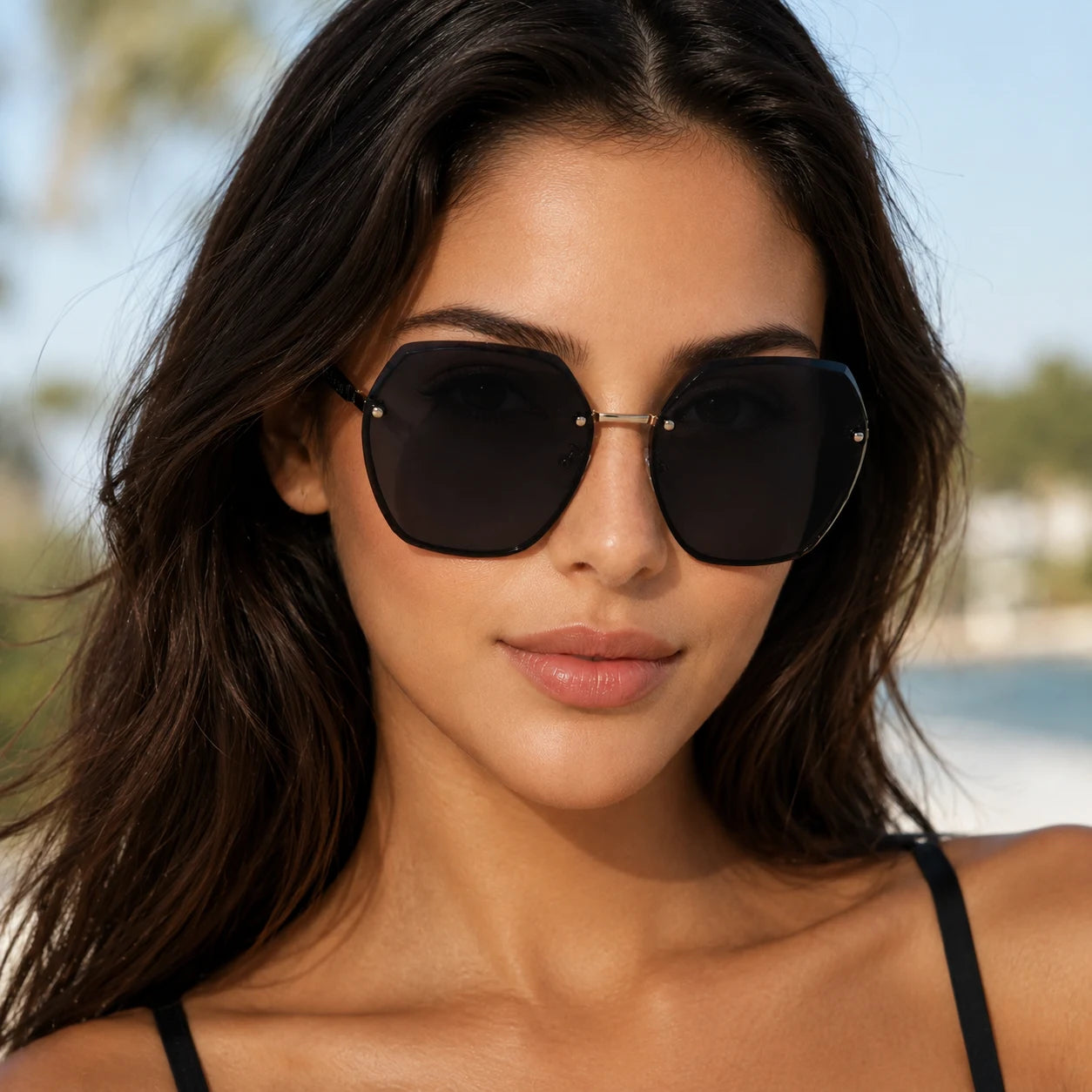
A woman wears oversized shield sunglasses, paired with an off-shoulder black top, showcasing the eyewear's ability to blend high-fashion glamour and modern sophistication
Collection
Rimless
Soft light, easy polish, and a lighter face feel. Our easiest entry into BAPORSSA. These styles keep the face open,...
9 styles
Browse Collection

Reading next

Polarized sunglasses glare, eye strain, and daily comfort illustration
BackBone sunglasses BAPORSSA banner button

Baporssa

Less Frame, More Beautiful Results.

Shop The Signature Sunglasses Start with the Buying Guide