
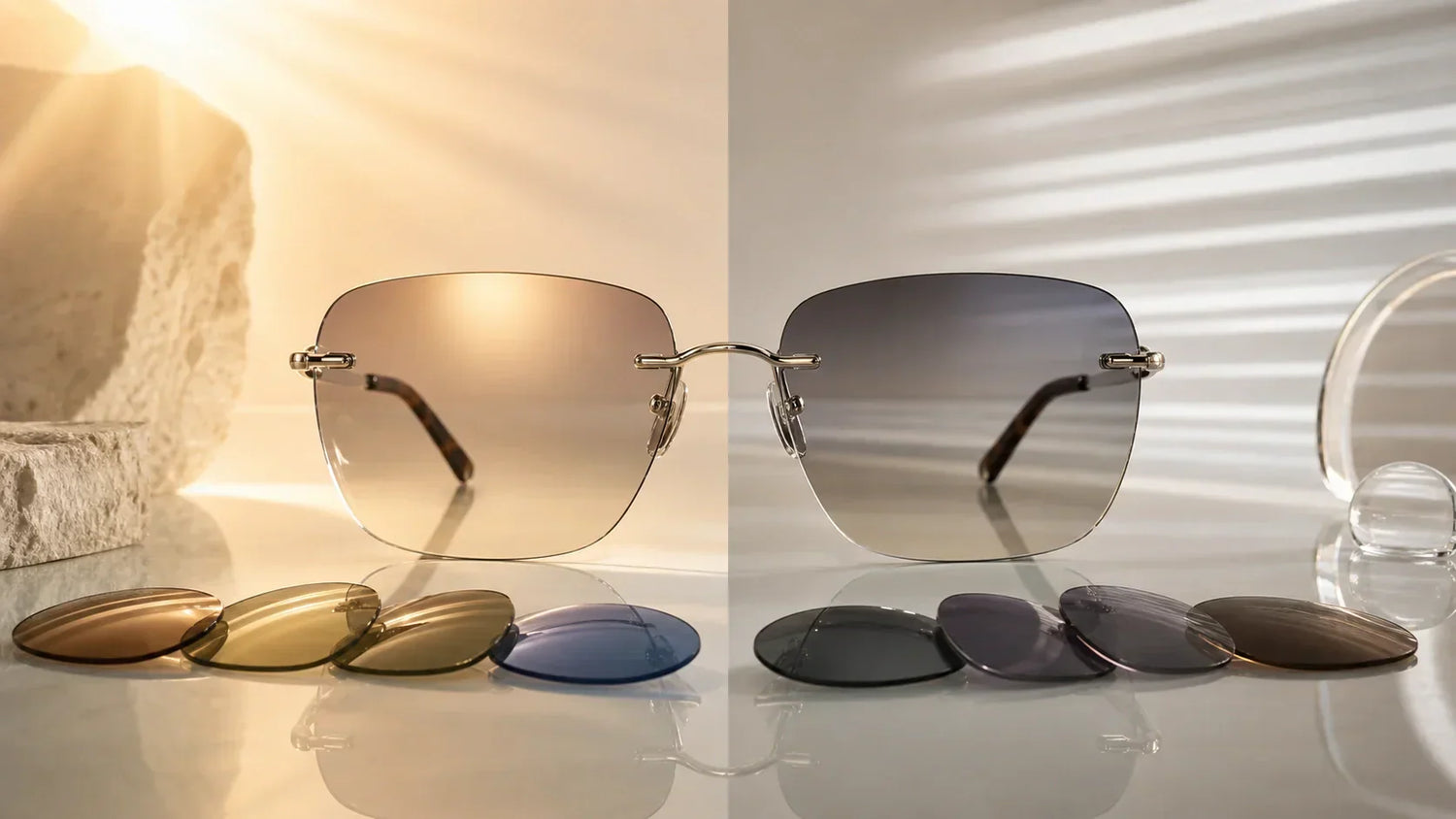
Quick answer: Good sunglasses are not just dark or stylish. Check protection first, then glare control, lens color, fit, comfort, frame weight, and care.
This is a quick facts guide for buyers who want fewer guesses before choosing sunglasses. It gives short answers first, then points you to deeper BAPORSSA guides when a topic deserves more detail.
Reviewed by BAPORSSA Vision Lab. This article is practical eyewear education, not medical advice. For eye pain, migraine symptoms, or clinical light sensitivity, consult an eye-care professional.

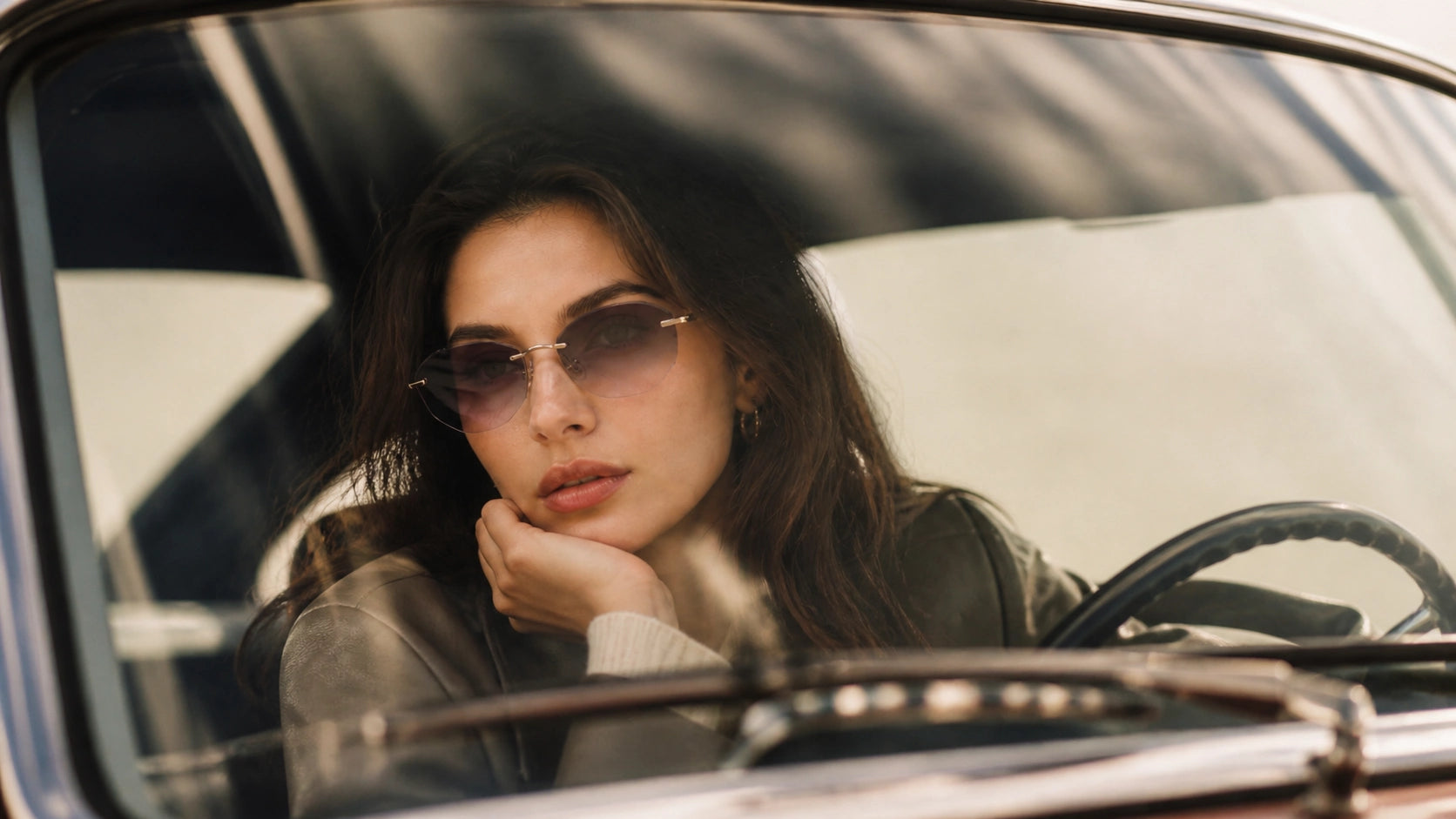
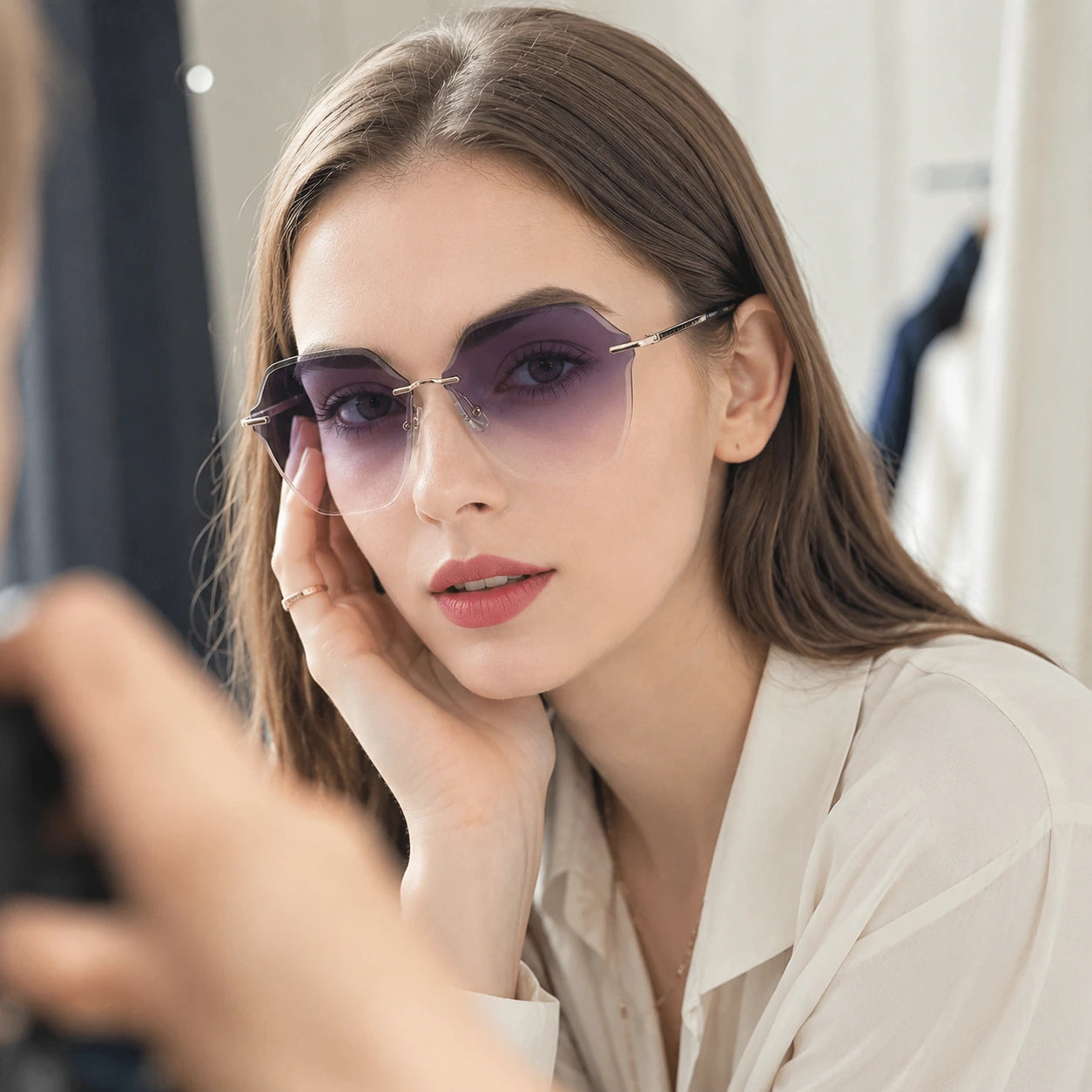
BAPORSSA route: If you want the lightest-looking result, start with rimless sunglasses. If glare is the problem, start with Driving & Travel. If pressure is the problem, start with Wide Fit / Anti-Pinch.
Quick Answer: 12 Sunglasses Facts Worth Knowing
| Fact | Why it matters | What to do | Best route |
|---|---|---|---|
| Protection and polarization are different | Protection is about ultraviolet light. Polarization is about reflected glare. | Use this page for the short version, then read the full UV and polarized guide. | UV protection guide |
| Darker lenses are not automatically safer | Dark color reduces visible brightness, but it does not prove UV protection. | Check protection first, then choose tint depth. | UV guide |
| Your phone can test polarization | An LCD screen can help reveal whether glare filtering is present. | Rotate the lens in front of a phone screen and watch for strong darkening. | Quality test guide |
| Lens material affects weight and feel | A lens can look clear but still feel heavy or bulky on the face. | Compare glass, nylon, polycarbonate, and TAC before buying. | Lens materials guide |
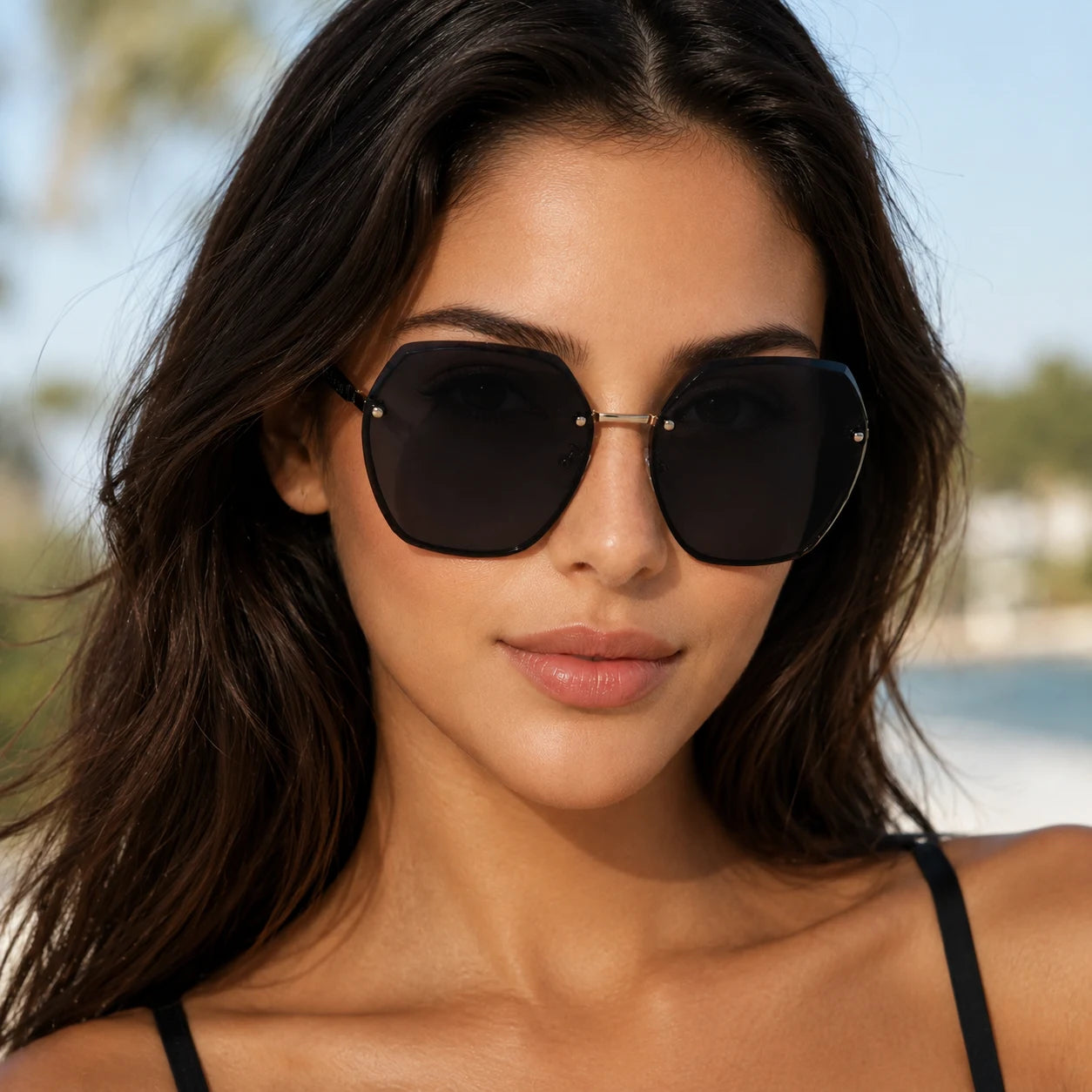
| Grey lenses keep color neutral | They dim light while keeping color shift low. | Choose grey for an easy daily view. | Rimless |
| Brown and copper lenses can improve contrast | They can make road texture, clouds, and landscape detail feel clearer. | Use them for driving, travel, and changing daylight. | Driving & Travel |
| Rose tints can feel softer | Some wearers prefer rose or soft pink tints when bright light feels visually sharp. | Choose them as a comfort and styling preference, not as treatment. | Rose tint guide |
| Sliding frames are usually a fit issue | Bridge shape, nose pads, and weight decide how the frame sits. | Look for adjustable nose pads and lighter construction. | Fit guide |
| Temple pressure matters | Pressure behind the ears can make sunglasses feel heavy after hours. | Choose wider or anti-pinch routes for long wear. | Wide Fit / Anti-Pinch |
| Less frame can make the face look cleaner | Heavy rims can cover brows, makeup, and expression. | Choose rimless or lighter frames for a more open face line. | Rimless |
| Dry wiping can scratch lenses | Dust on fabric can act like fine grit on coated lenses. | Rinse first, then wipe with microfiber. | Cleaning guide |
| Hot dashboards can damage coatings | Heat can stress lens layers, coatings, and frame parts. | Store sunglasses in a case instead of leaving them on the dashboard. | Coating care guide |
Fact 1: Protection and Polarization Are Different
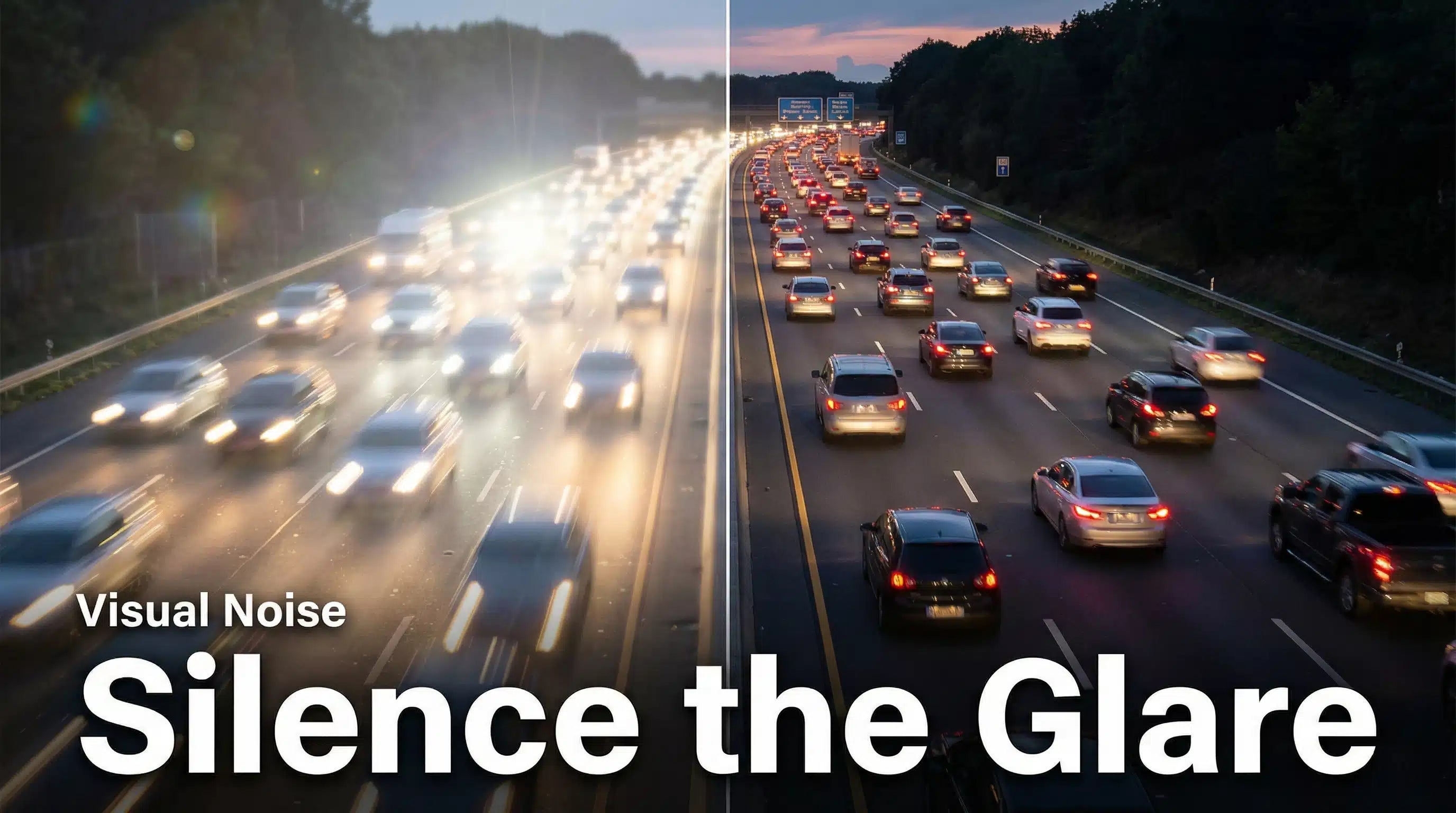
The most useful sunglasses fact is simple: protection and polarization solve different problems. Protection is about ultraviolet light. Polarization is about reflected glare from roads, water, glass, snow, and wet pavement.
This page gives the short version. For the full breakdown, read the BAPORSSA UV protection and polarized sunglasses guide.
Expert note: For driving, travel, and bright pavement, polarized lenses can make the view feel calmer because they reduce horizontal glare. For daily styling, you may care more about lens color, frame weight, and how clean the frame looks on your face.
BAPORSSA route: For glare-heavy days, start with Driving & Travel sunglasses.

Fact 2: You Can Test Polarization, But Not Everything
A simple phone test can help. Hold the sunglasses in front of an LCD phone screen and slowly rotate the lens. If the screen becomes much darker at one angle, the lens is likely polarized.

This test only checks polarization. It does not confirm UV protection, lens clarity, coating durability, or overall quality. For a deeper home check, use the BAPORSSA sunglasses quality test guide.
Fact 3: Lens Material Changes the Wearing Experience
A lens material is not just a technical detail. It can affect weight, clarity, edge thickness, impact behavior, and how natural a rimless frame feels on the face.
For the full material comparison, read the sunglass lens materials guide.
Fact 4: Lens Color Changes the Mood of Light
Lens color changes how the world feels through the frame. Grey lenses are the most neutral daily choice. They reduce brightness while keeping color shift low, which makes them easy for city wear, errands, and everyday movement.

Brown and copper lenses can make contrast feel stronger. Rose and soft pink tints can feel gentler for some wearers when daylight feels visually sharp. Mirror lenses create a stronger style signal and work best when the visual effect matches the outfit and setting.
| Lens color | Best for | Visual feel | Shop route |
|---|---|---|---|
| Grey | Daily wear and neutral color | Clean, balanced, less color shift | Rimless |
| Brown / Copper | Driving, travel, outdoor texture | Warmer contrast and clearer detail | Driving & Travel |
| Rose / Pink | Soft styling and visually harsh light | Gentler, warmer, less severe than black lenses | Rose tint guide |
| Mirror | Bright outdoor looks and stronger styling | Sharper, more reflective, more visible | Statement Frames |
Fact 5: Fit Problems Usually Have a Reason
Most sunglasses discomfort comes from fit, not bad luck. If sunglasses slide down your nose, the bridge shape, nose pads, or frame weight may not match your face. If they hurt behind the ears, the temples may be too narrow or too rigid for long wear.
The fix is not always a tighter frame. A lighter front, adjustable nose pads, and a wider or anti-pinch fit can feel better than simply squeezing the frame closer to the head.
For face-fit choices, read the BAPORSSA sunglasses for face shape guide.

BAPORSSA route: If your priority is cleaner face lines and lighter wear, start with Rimless.

Fact 6: Comfort Is About Pressure, Not Just Weight
Comfort is not only about weight on paper. It is also about where that weight sits. Sunglasses can feel heavier when the bridge slips, when the temples press behind the ears, or when the frame competes with headphones, hats, or hair.
Best for: choose a wider or anti-pinch route if you wear sunglasses for long commutes, gaming, driving, or travel days.
Avoid if: the frame already feels tight in the first two minutes. That pressure usually gets more obvious after one hour.

BAPORSSA route: If you want open vision with less frame around the face, start with Rimless or Wide Fit / Anti-Pinch.

Fact 7: Care Habits Decide How Long Lenses Stay Clear
Most lens damage starts with small habits. Dry wiping with a shirt can drag dust across the coating. A hot car dashboard can stress lens layers and frame parts. Pulling sunglasses off with one hand can slowly twist the temples.
The safest routine is simple: rinse away dust first, use lens-safe cleaner if needed, wipe with a clean microfiber cloth, and store the sunglasses in a case. These habits help a good pair stay clear and wearable for longer.
Expert note: A clean lens does more than look better. It also keeps your view from feeling hazy, smeared, or tiring during long daylight use.
Which BAPORSSA Route Should You Choose?

| Your need | Best route | Why it fits | Primary path |
|---|---|---|---|
| Road glare, travel light, bright pavement | Driving & Travel | Better for glare-heavy daylight and movement between settings. | Driving sunglasses |
| Cleaner face, makeup-friendly styling, lighter daily wear | Rimless | Less visual bulk, more open face line, softer daily expression. | Rimless sunglasses |
| Headphones, wider fit, or temple pressure | Wide Fit / Anti-Pinch | Better when standard frames squeeze or feel tight after hours. | Anti-pinch sunglasses |
| A lifted, feminine frame shape | Refined Cat-Eye | Adds shape and lift without making the face feel over-framed. | Cat-eye sunglasses |
| A stronger outfit anchor | Statement Frames | For bolder silhouettes and more visible style impact. | Statement sunglasses |
The Practical Buying Order
Choose sunglasses in this order: protection, glare control, lens material, lens color, fit, then style. This keeps the decision practical instead of purely visual.
If your current sunglasses feel bulky, start with a lighter frame. If your face disappears behind heavy rims, start with rimless. If your eyes feel strained by road glare, start with polarized driving options. If your temples feel pressed after one hour, start with anti-pinch or wider-fit routes.
The goal is not to own more sunglasses. The goal is to own the pair that fits your face, your light, and your day.
FAQ
What is the most important sunglasses fact to know?
The most important fact is that dark lenses and UV protection are not the same. Check protection first, then choose polarization, lens color, and frame fit based on how you wear them.
Are polarized sunglasses the same as UV-protective sunglasses?
No. Polarized lenses reduce reflected glare. UV protection addresses ultraviolet light. A good pair can have both, but one feature does not automatically include the other.
How can I tell if my sunglasses are polarized?
Hold the lenses in front of a phone or LCD screen and rotate them. If the screen darkens strongly at one angle, the lenses are likely polarized. This does not test UV protection.
Which lens color is best for daily sunglasses?
Grey is the most neutral daily choice. Brown and copper can improve contrast. Rose tints may feel softer in visually harsh light. The best color depends on whether you are driving, commuting, styling, or trying to reduce visual sharpness.
Why do sunglasses slide down my nose?
Sliding usually comes from bridge fit, smooth nose pads, or frame weight. Adjustable nose pads and lighter frame construction can help sunglasses sit more securely without feeling tight.
How should I clean sunglasses without scratching them?
Rinse dust off first, then use a clean microfiber cloth and lens-safe cleaner. Avoid dry wiping with shirts, towels, or paper because trapped dust can scratch the coating.