




Driving Sunglasses
Made for glare, movement, and changing light.
A scenario-led collection for driving, commuting, and travel days where comfort and visibility matter most.
Clearer light. Less reflected glare. More comfort across the road ahead.
4 products

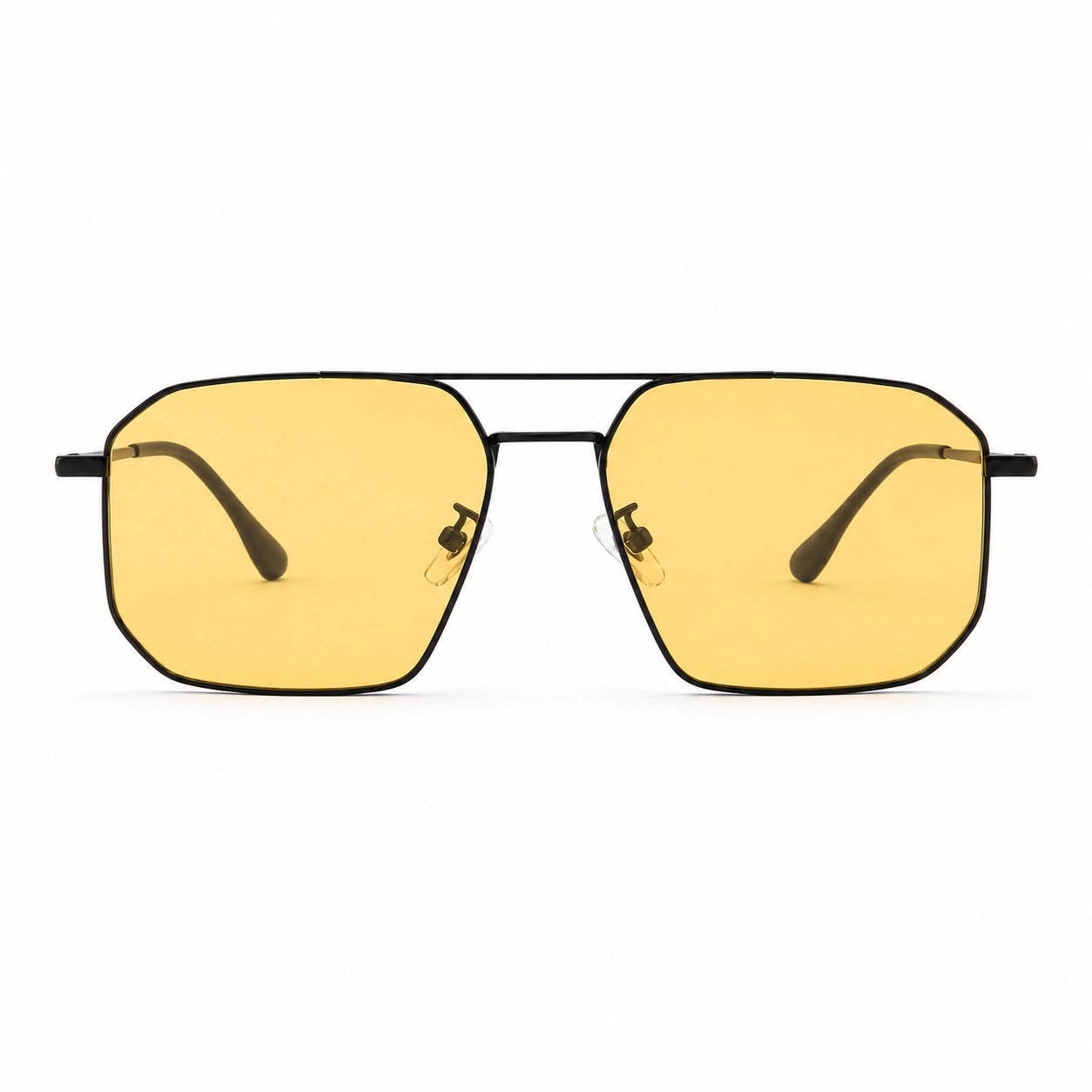
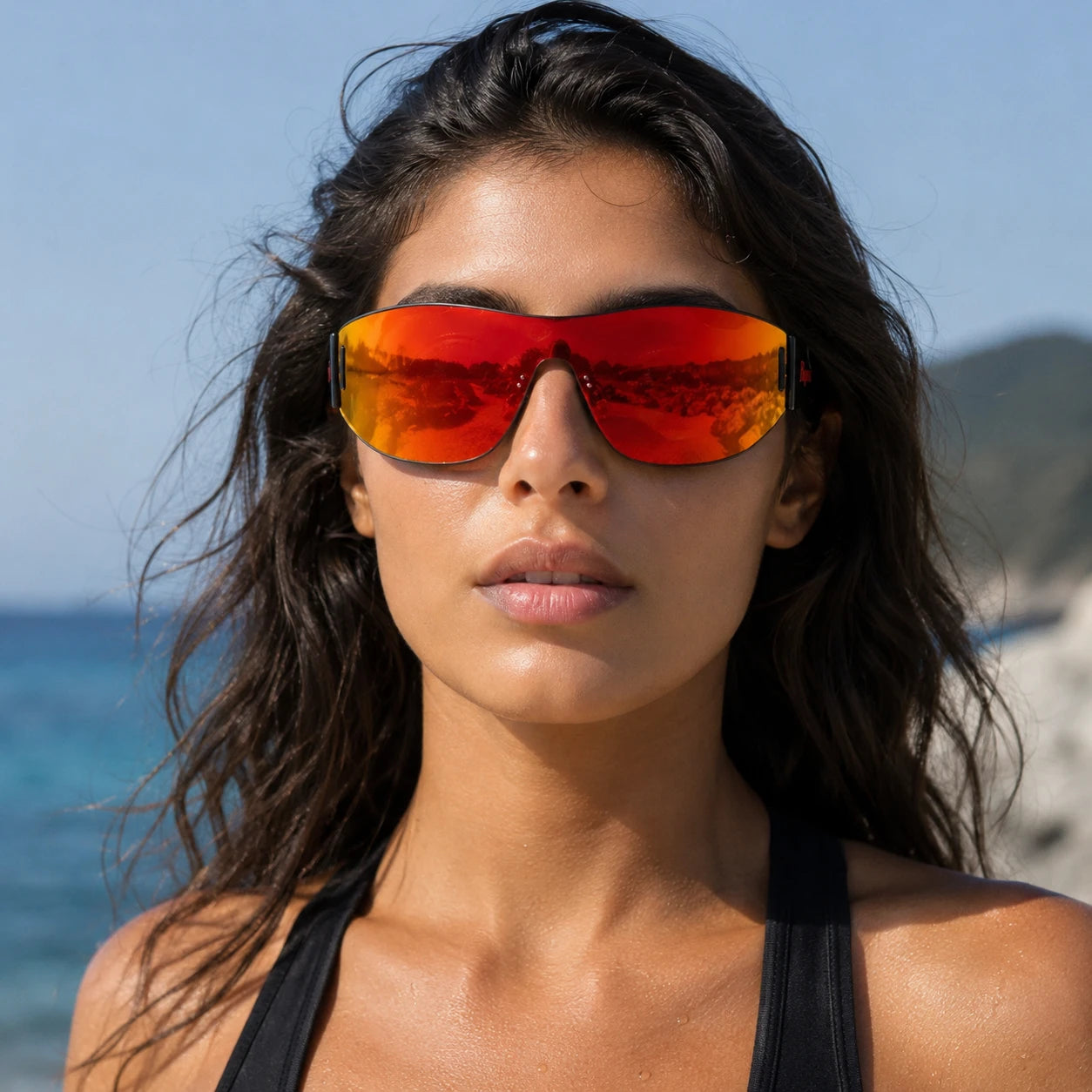
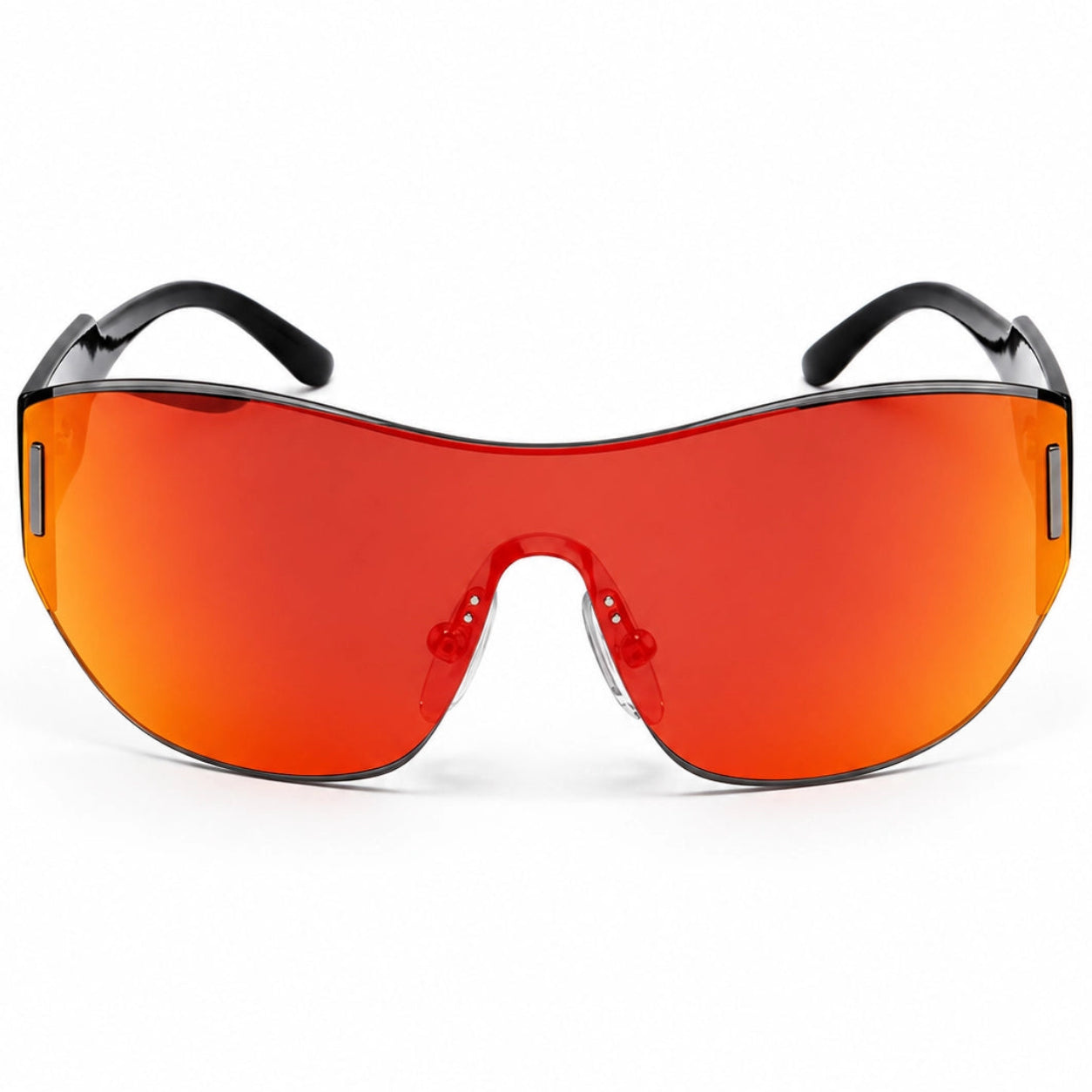

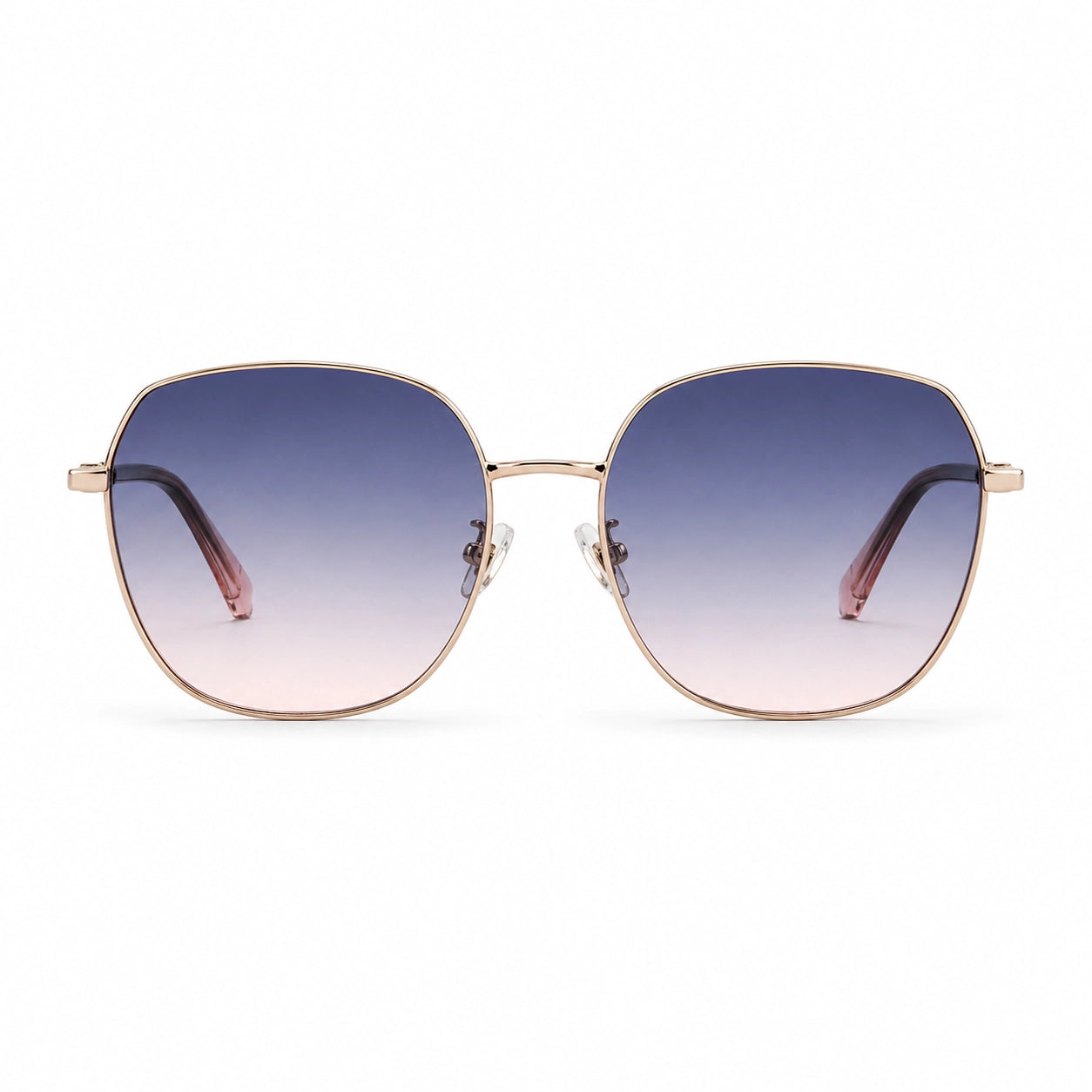

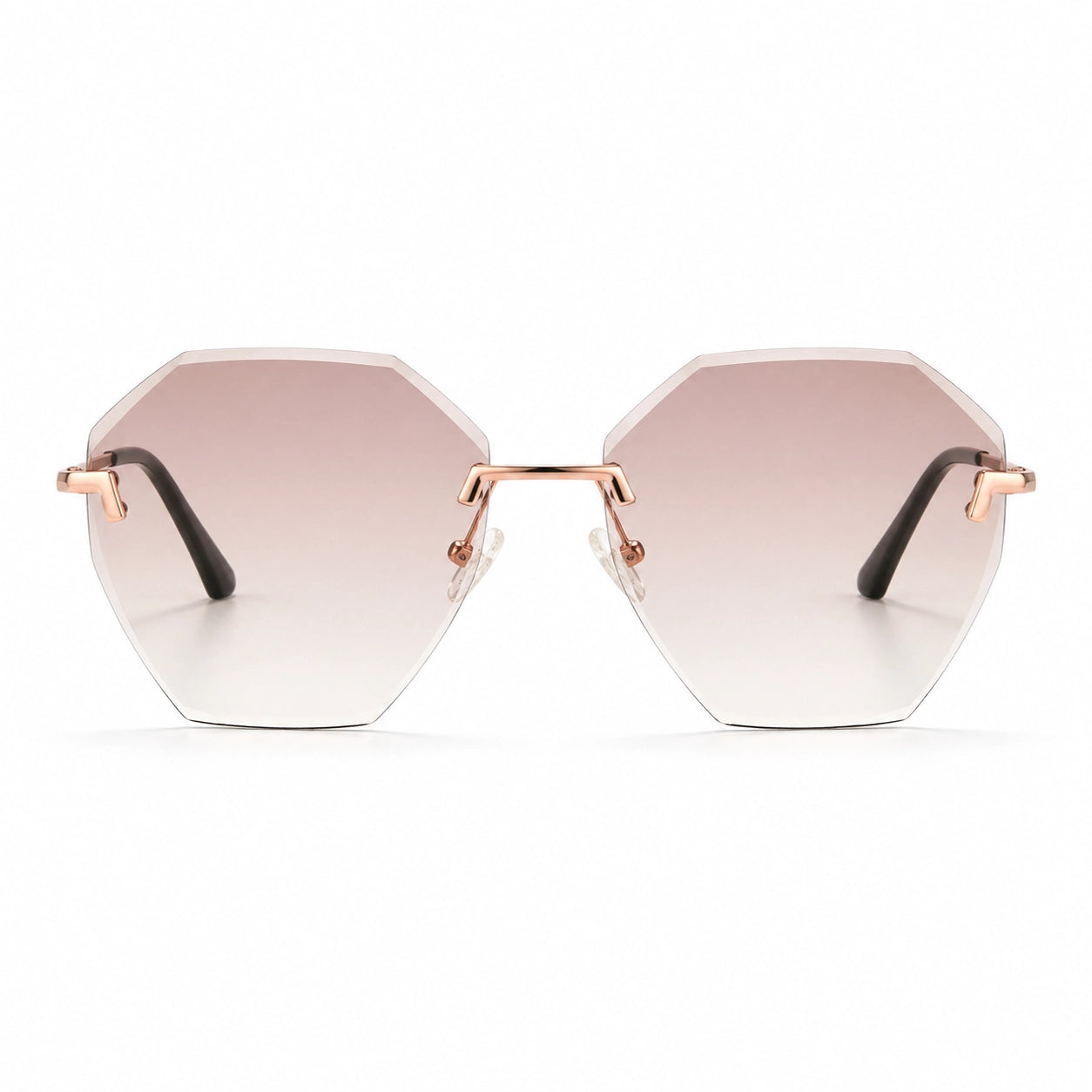
Choose by Driving Condition
Start with the light condition or comfort problem you notice most often on the road.
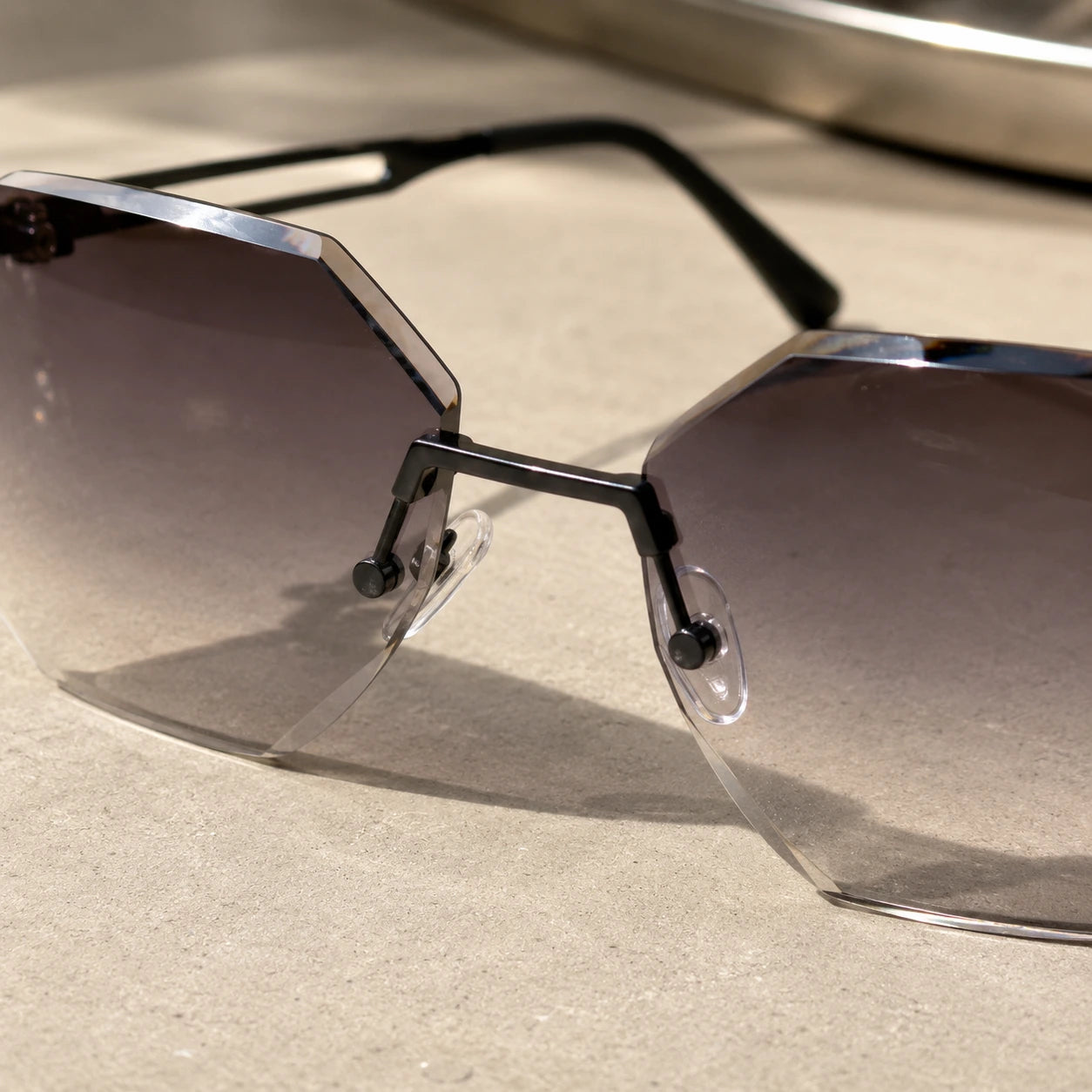
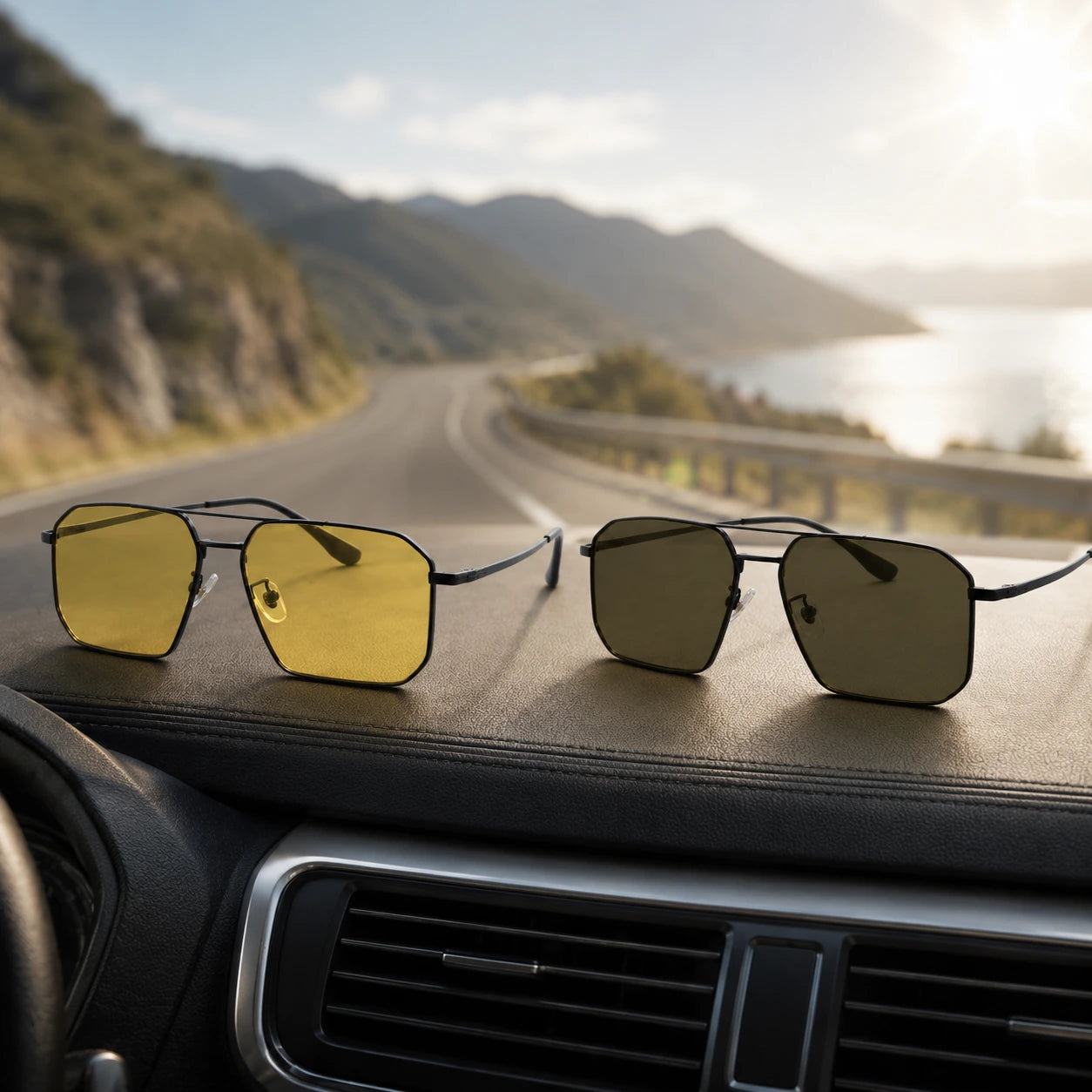
What Matters in Driving Sunglasses


Choose Your Driving Lens Route
Polarized, photochromic, and gradient lenses solve different parts of the driving experience.
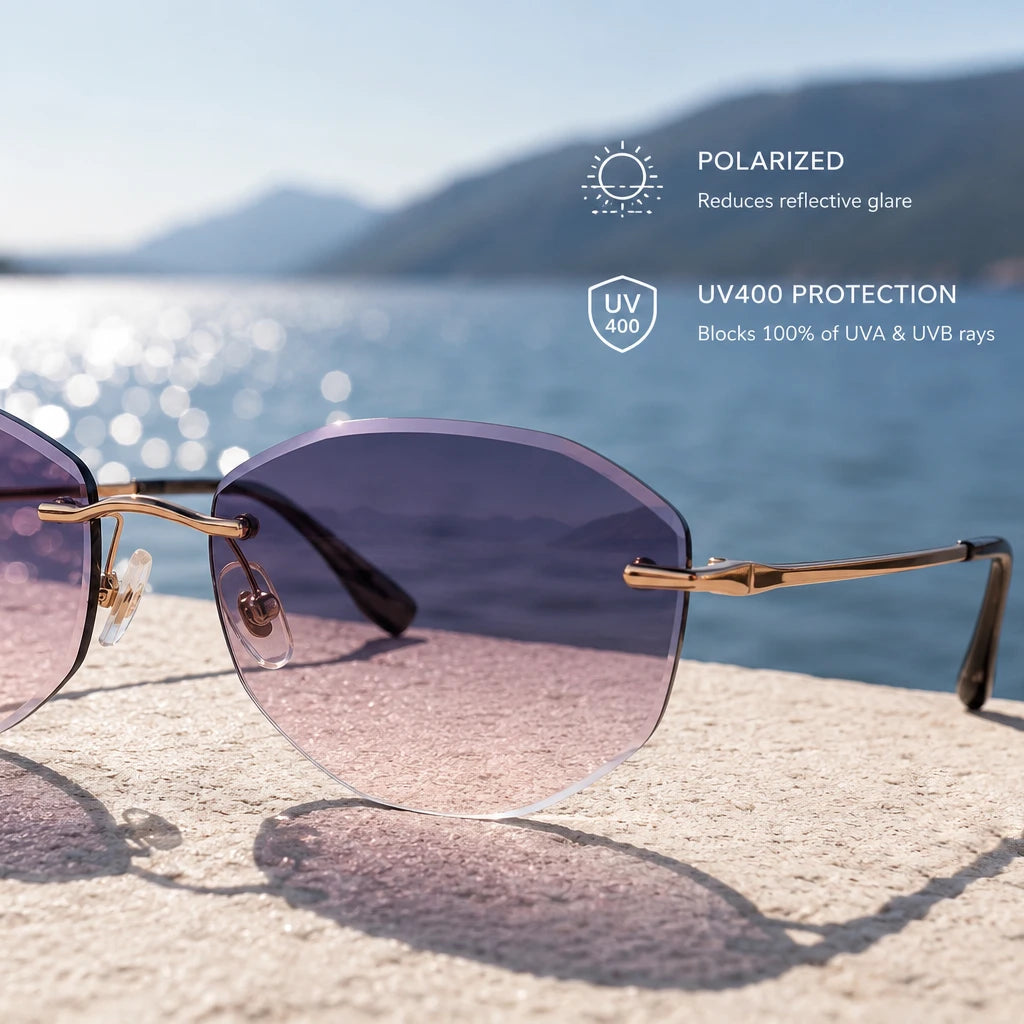
Polarized lenses filter reflected light from surfaces such as roads, water, and glass, helping reduce the harsh glare that builds across bright driving conditions.
Choose this route when reflected road glare is your main concern.
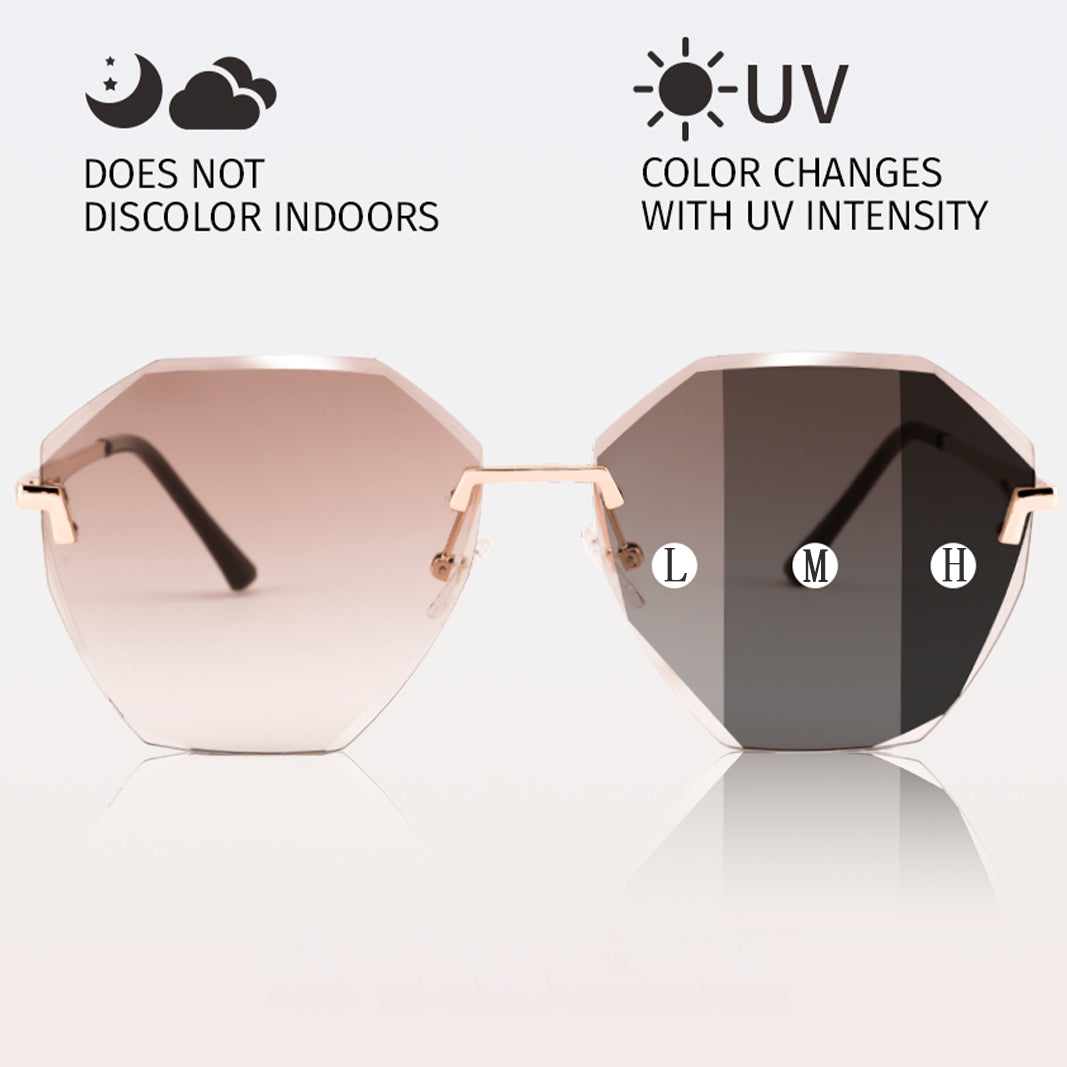
Photochromic lenses change tint as surrounding light changes, making them useful across outdoor travel, stops, and changing daylight.
In-car activation varies by lens technology because automotive glass filters part of the ultraviolet light used by many photochromic lenses.
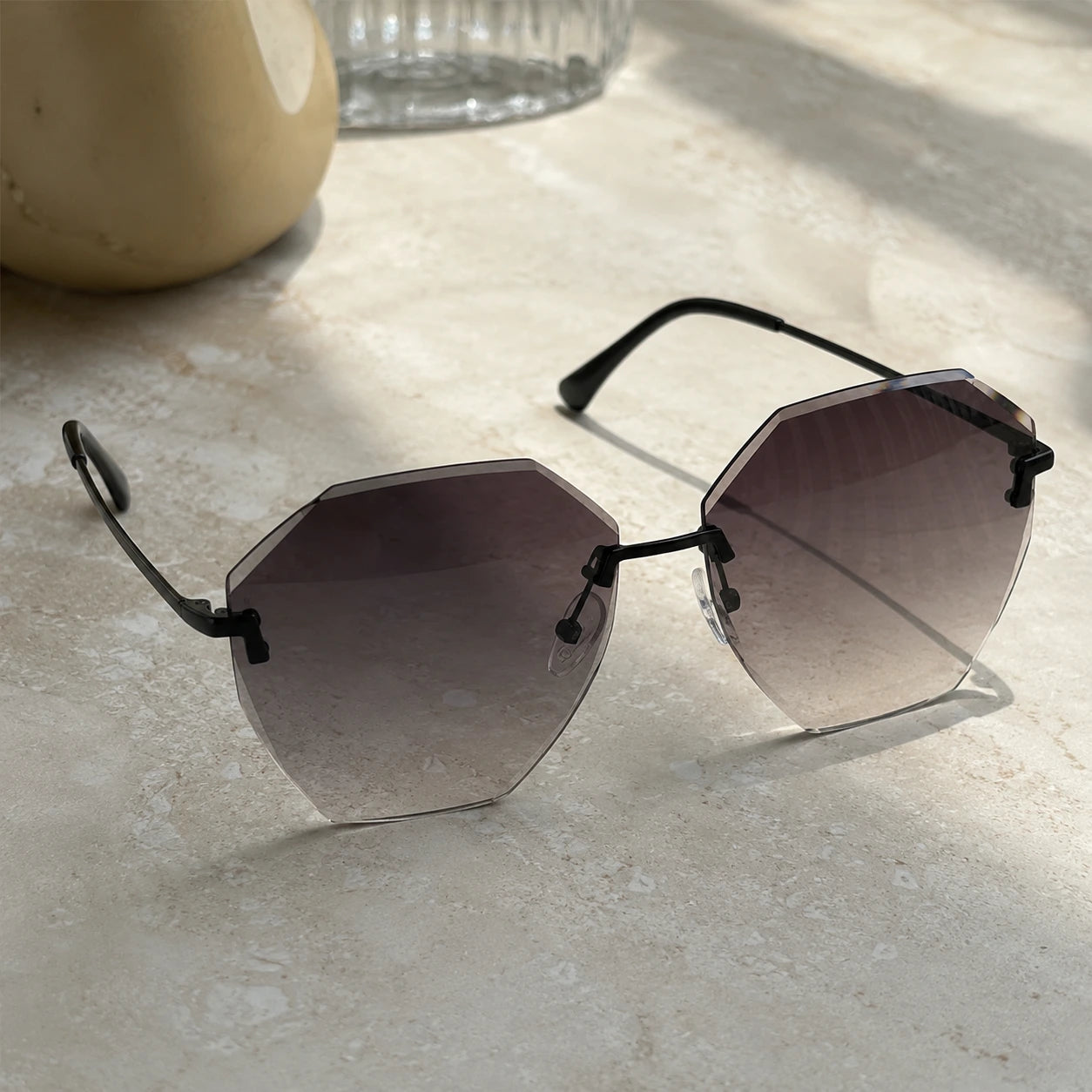
Gradient lenses are darker across the upper area and lighter toward the bottom, creating shade above while keeping the lower field visually lighter.
This route works well for drivers who prefer less visual weight and easier transitions between the road and lower dashboard area.
Polarized lenses filter reflected light from surfaces such as roads, water, and glass, helping reduce the harsh glare that builds across bright driving conditions.
Choose this route when reflected road glare is your main concern.
Photochromic lenses change tint as surrounding light changes, making them useful across outdoor travel, stops, and changing daylight.
In-car activation varies by lens technology because automotive glass filters part of the ultraviolet light used by many photochromic lenses.
Gradient lenses are darker across the upper area and lighter toward the bottom, creating shade above while keeping the lower field visually lighter.
This route works well for drivers who prefer less visual weight and easier transitions between the road and lower dashboard area.
See the Difference in Bright Daylight
Drag the slider to compare an unfiltered bright-road view with the calmer, more controlled view through glare-reducing lenses.
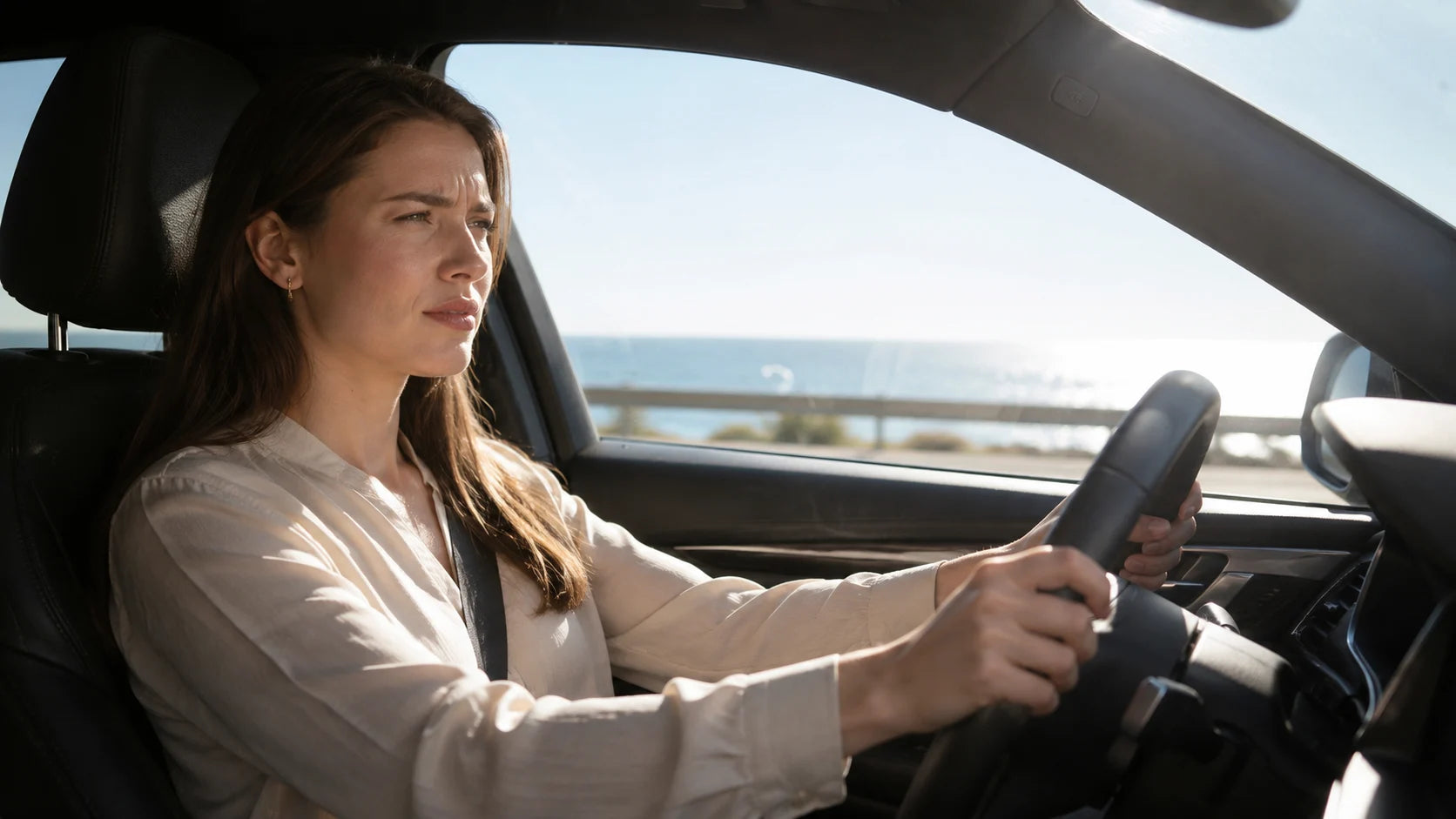
Unfiltered View
Glare-Controlled View
Compare Driving Sunglasses
Compare lens technology, frame construction, glare-control route, and long-wear comfort before choosing.
Changing light + glare
Strong reflected glare
Changing outdoor light
Yes
Yes
Yes
Yes
No
Yes
Variable tint
Fixed dark tint
Gradient photochromic
Titanium
Rimless shield
Rimless
Daily changing daylight
Bright open roads
Travel and outdoor transitions
Adjustable
Adjustable
Adjustable
Yes
Yes
Yes

Driving Sunglasses for Bright Roads and Changing Daylight
Driving sunglasses should balance glare control, appropriate daylight tint, stable fit, and an open field of view. Polarized lenses are designed to reduce reflected glare, while photochromic and gradient options provide different routes for changing outdoor light and visual comfort.
BAPORSSA driving sunglasses include lightweight titanium, slim metal, rimless, polarized, and photochromic designs. Compare each product’s lens technology, tint profile, frame structure, and measurements before choosing the style that fits your daytime driving routine.
Driving Sunglasses FAQ
1. What makes sunglasses suitable for daytime driving?
Driving sunglasses should reduce uncomfortable brightness while preserving a clear view of the road, traffic signals, mirrors, and dashboard. Lens tint, visible-light transmission, glare control, frame coverage, and peripheral visibility all matter.
The lenses should also be appropriate for the actual daylight conditions and marked as suitable for driving in the region where they are used.
2. Are polarized sunglasses good for driving?
Polarized lenses can be useful for daytime driving because they help reduce reflected glare from roads, wet surfaces, water, and surrounding glass.
They do not remove every source of brightness, and they should never replace slowing down or stopping when sunlight makes the road difficult to see.
3. Do photochromic lenses darken inside a car?
It depends on the lens technology. Many conventional photochromic lenses rely heavily on ultraviolet light, while automotive windshields filter much of that UV. As a result, some lenses may darken less behind the windshield than they do outdoors.
Always check the specifications and testing information for the individual product rather than assuming that every photochromic lens performs the same way.
4. Are yellow lenses suitable for driving?
Yellow or amber lenses can create a warmer, higher-contrast appearance, but lens color alone does not determine whether sunglasses are suitable for driving.
The visible-light transmission, optical quality, filter category, and regional road-use marking are more important. Yellow-tinted sunglasses in this collection are intended for appropriate daytime conditions and should not be presented as night-driving glasses.
5. Are all driving sunglasses polarized?
No. “Driving sunglasses” describes the intended use, while “polarized” describes a specific lens filter.
A driving collection may include polarized, photochromic, gradient, or fixed-tint lenses. Check each product page to confirm whether a particular style or color option is polarized.
6. Can gradient lenses be used for driving?
Gradient lenses can work for daytime driving when their tint and light transmission are appropriate for the conditions.
The darker upper area helps reduce overhead brightness, while the lighter lower area can make the dashboard and controls easier to view. However, gradient lenses are not automatically polarized, so the two features should be checked separately.
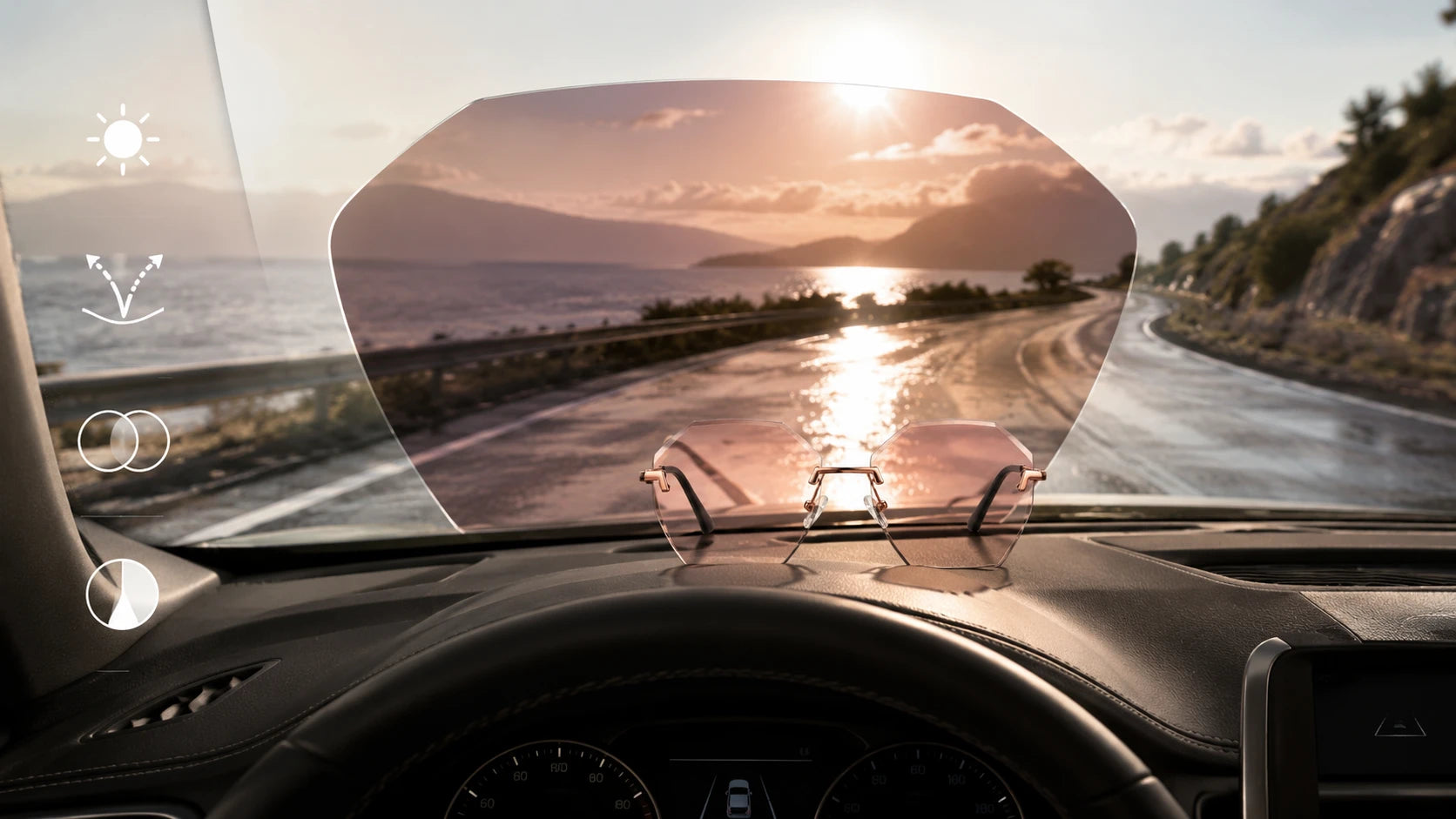
Driving sunglasses selected for reflected glare, changing light, and long-hour comfort.