
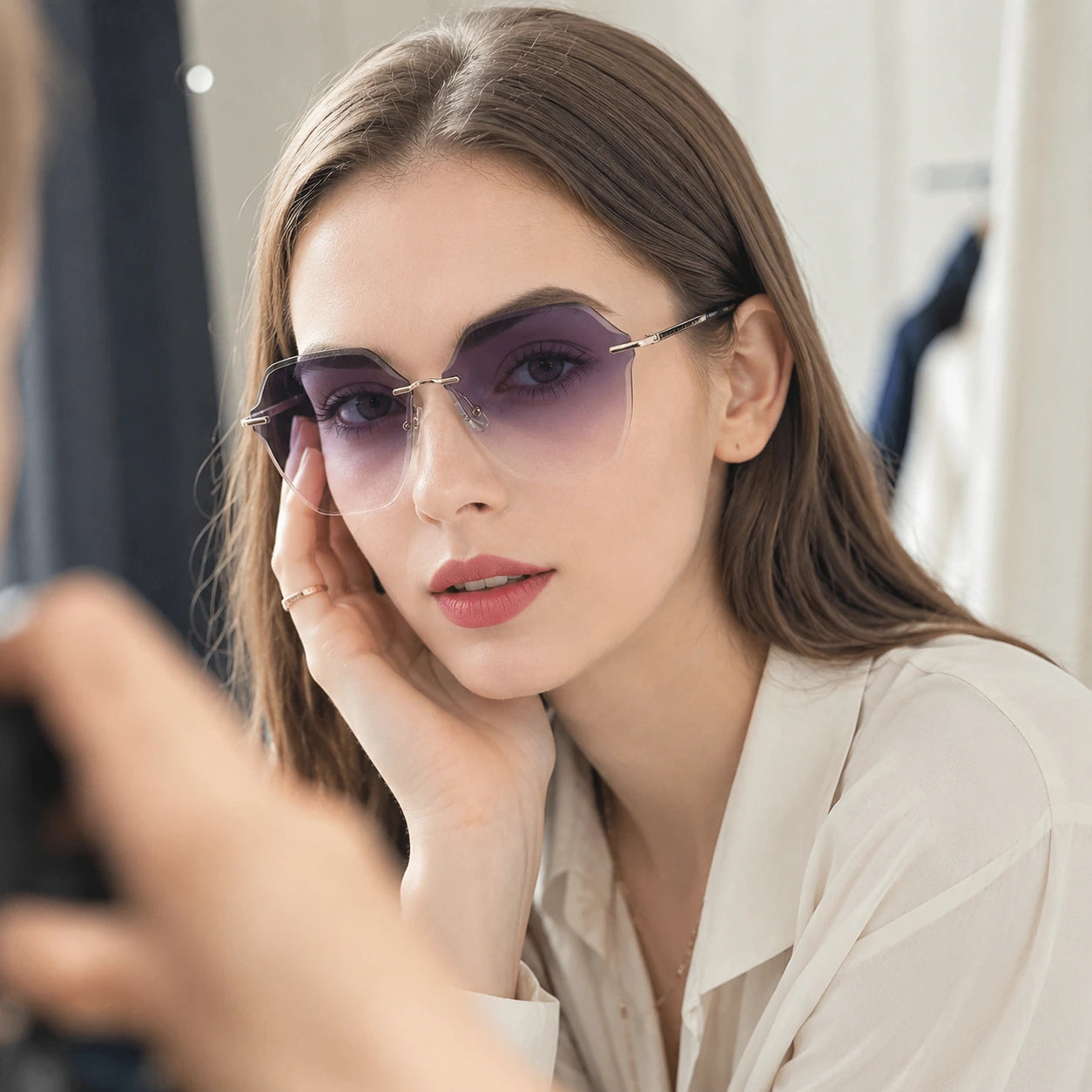

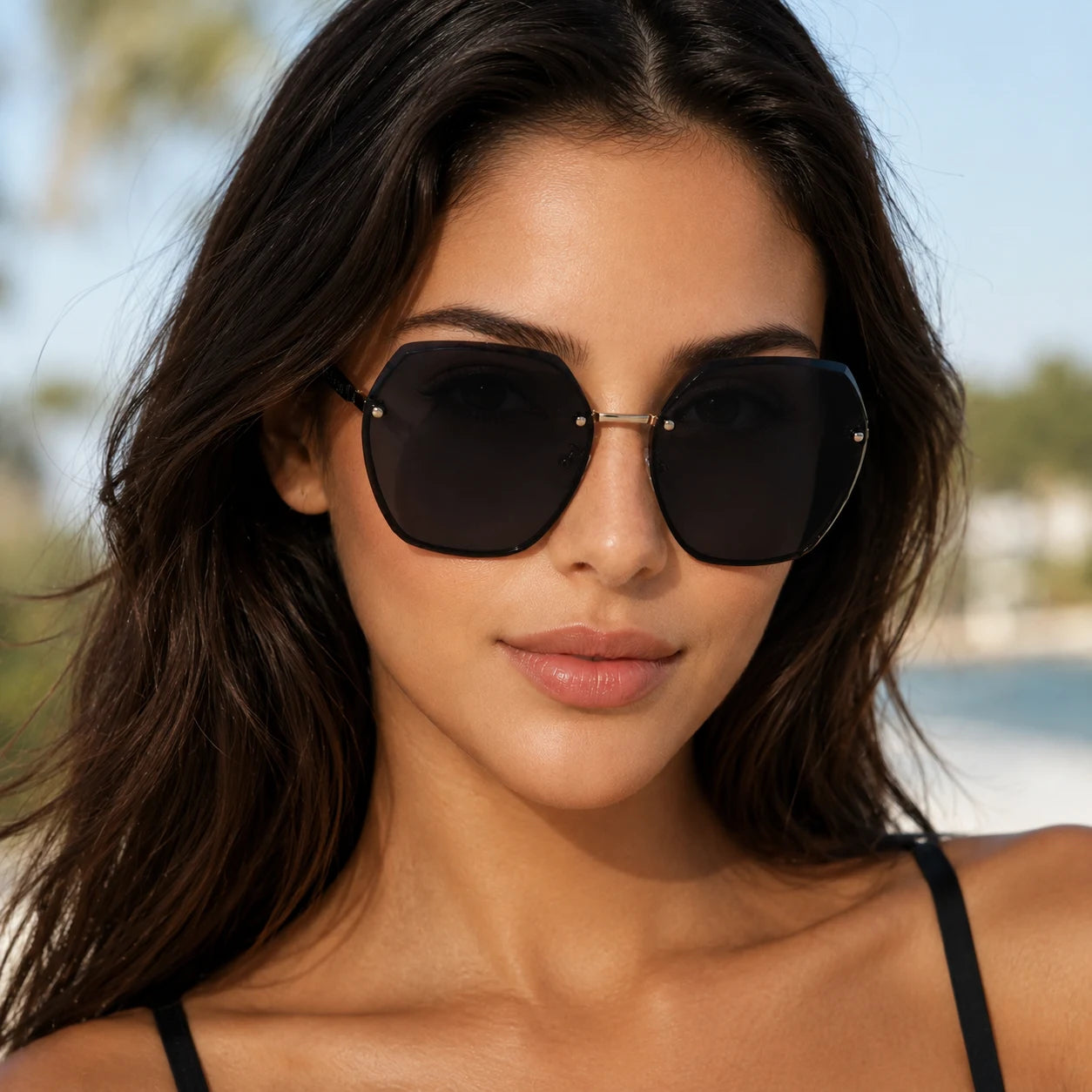
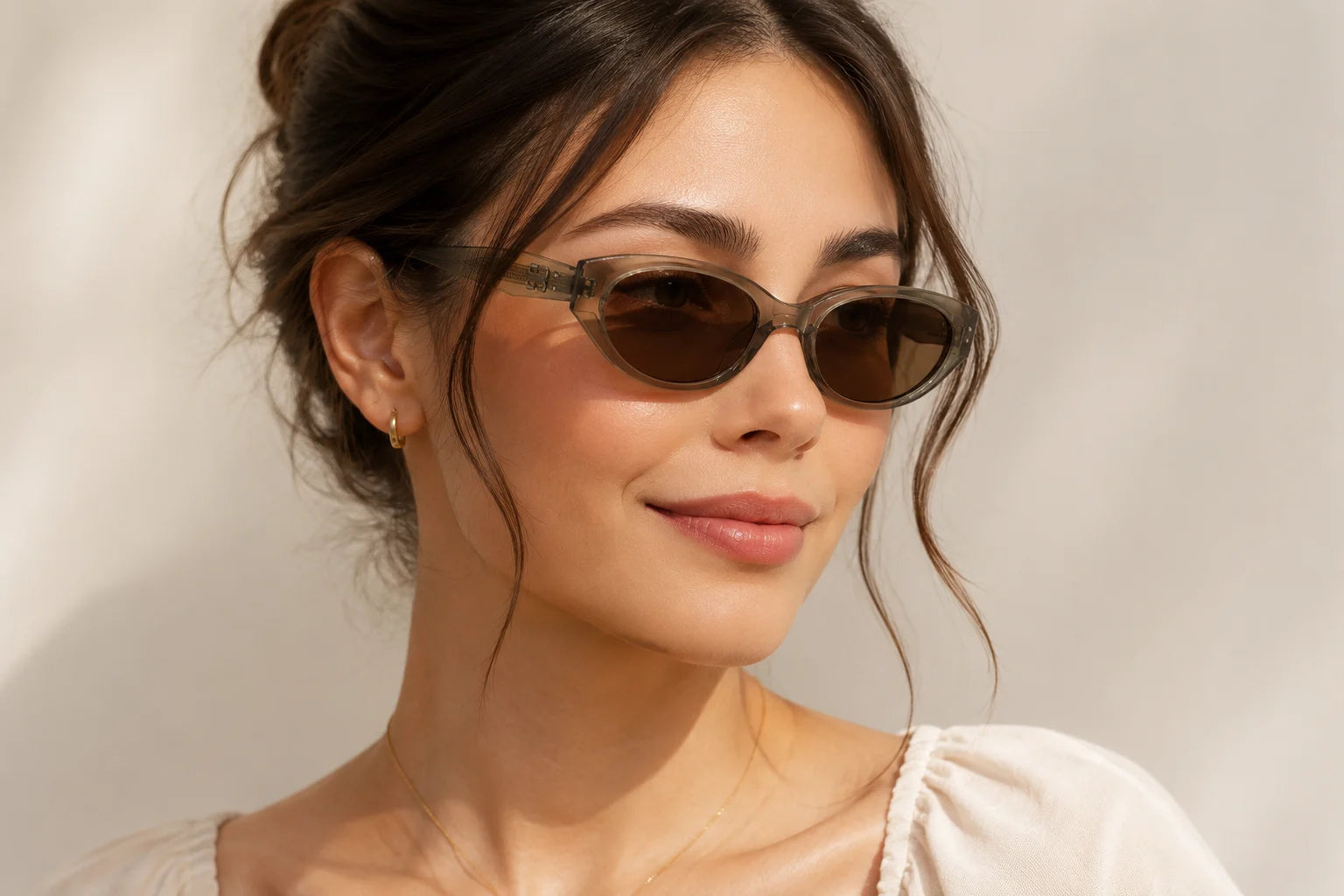
Petite Sunglasses
Smaller proportions, balanced coverage, and a polished fit that does not overwhelm your face.
Smaller proportions. Better balance. A polished fit that stays in scale with your face.
6 products
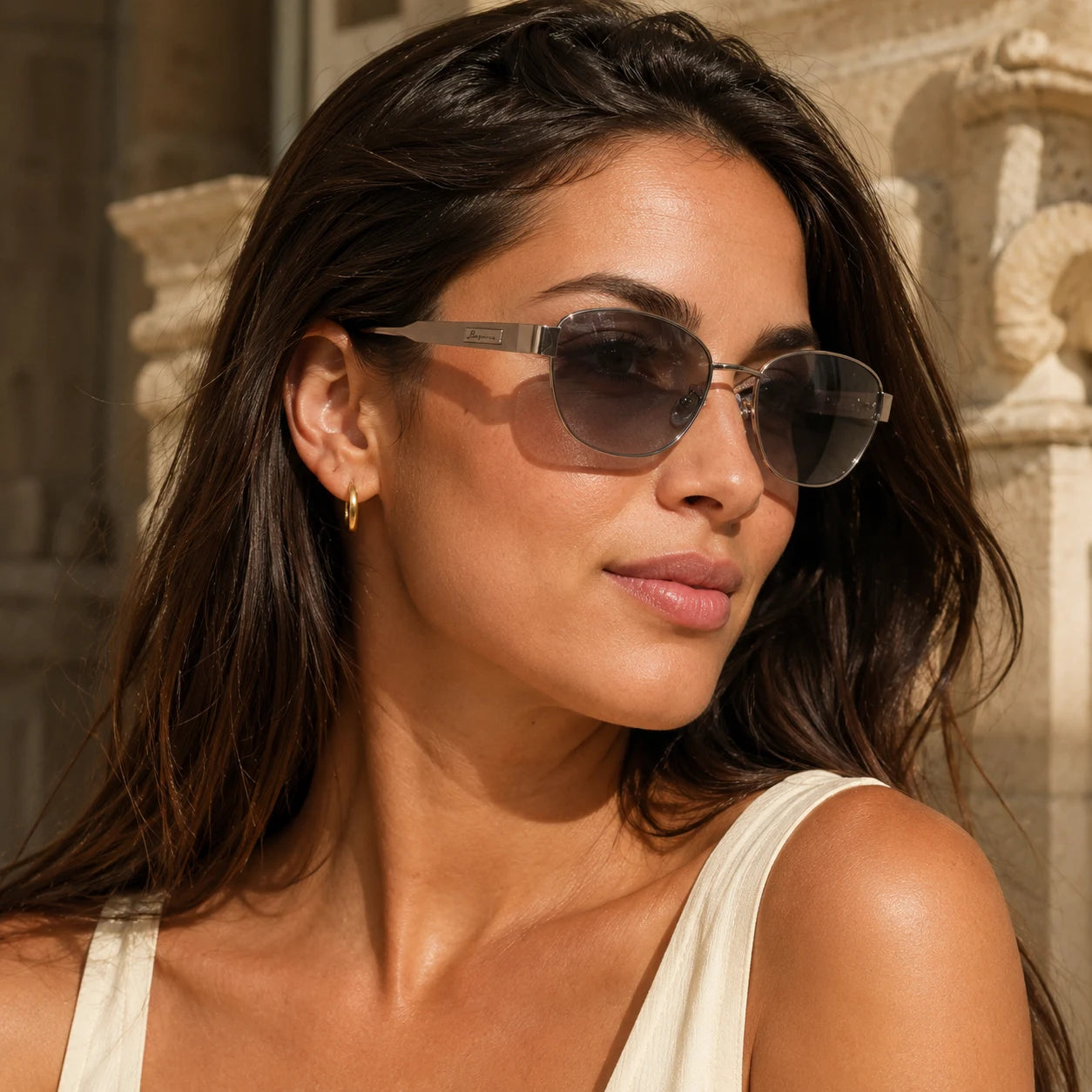
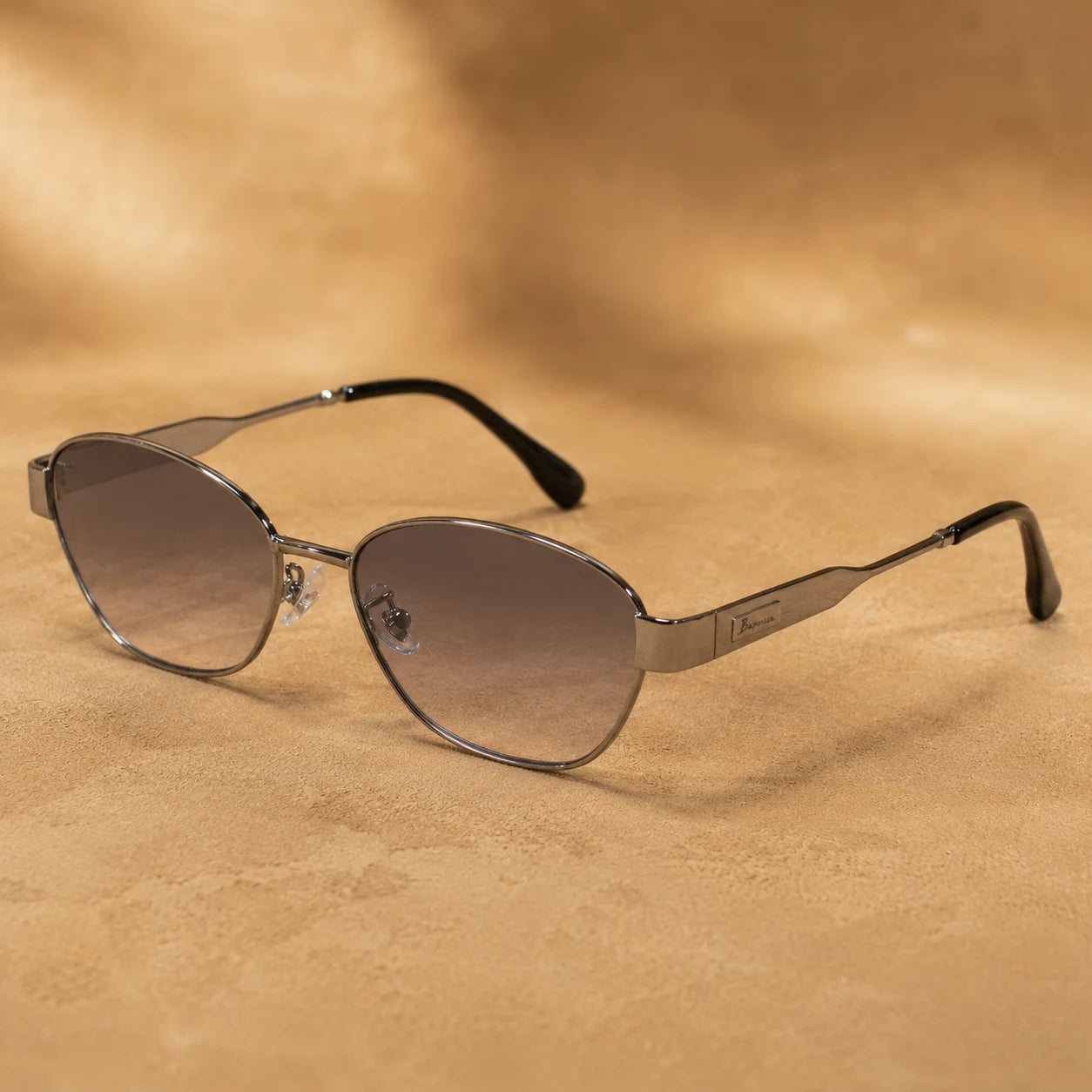

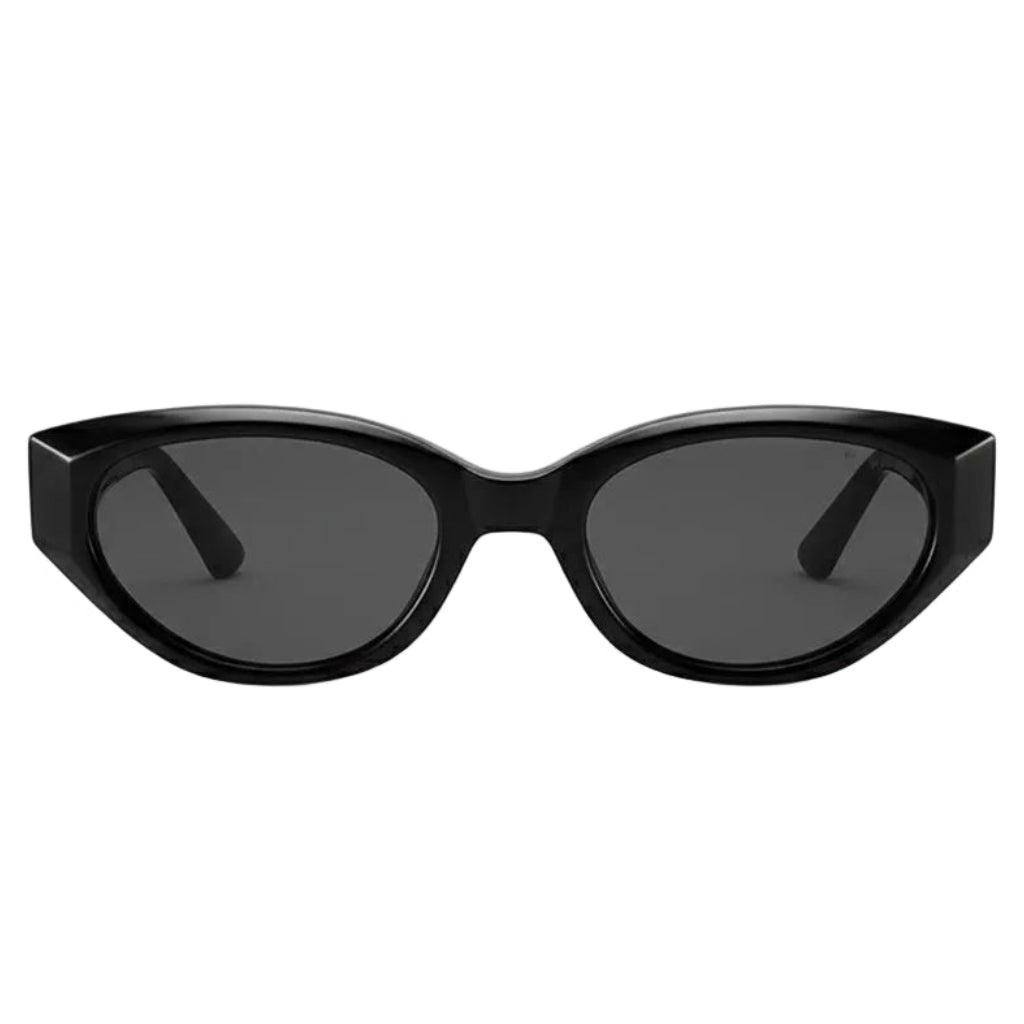
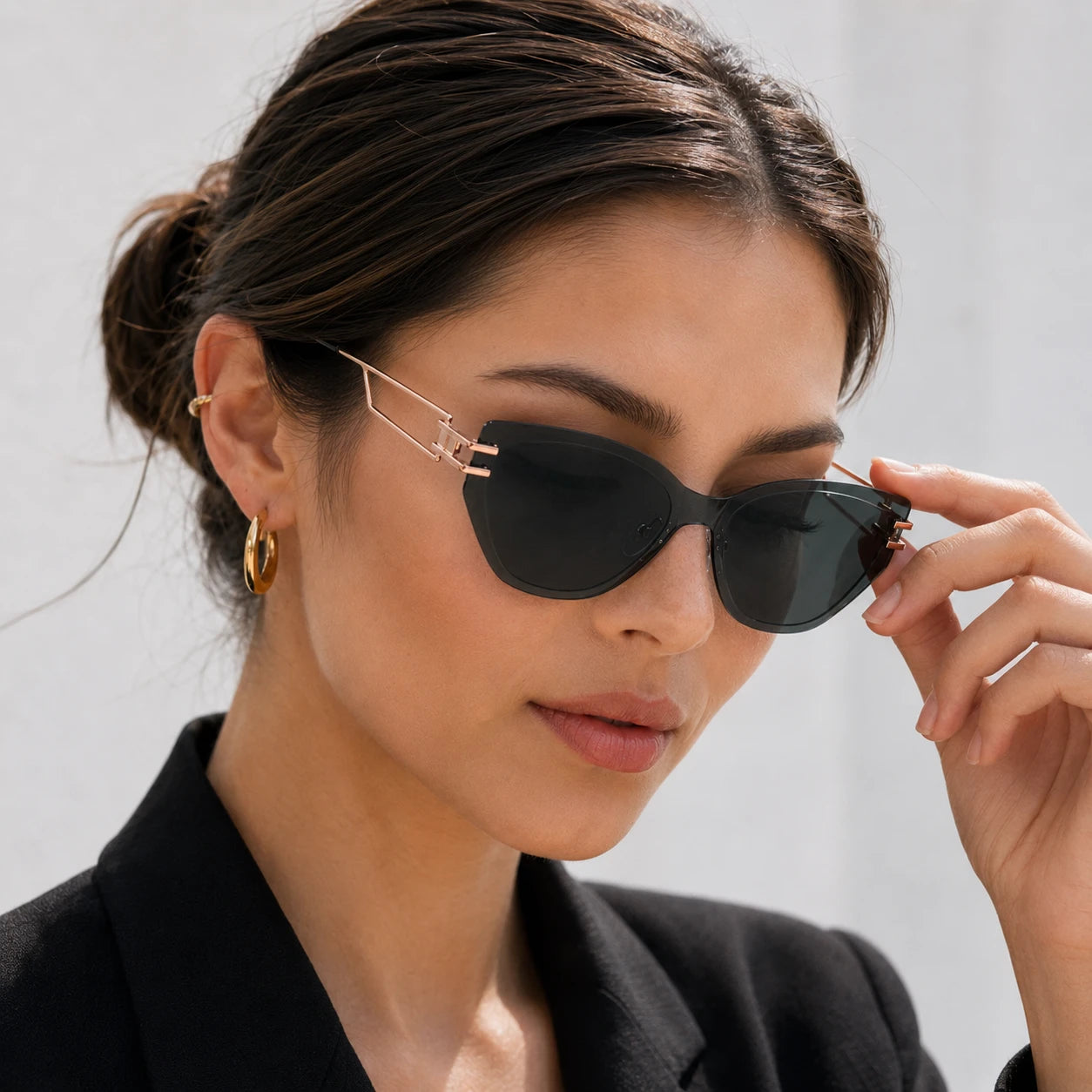

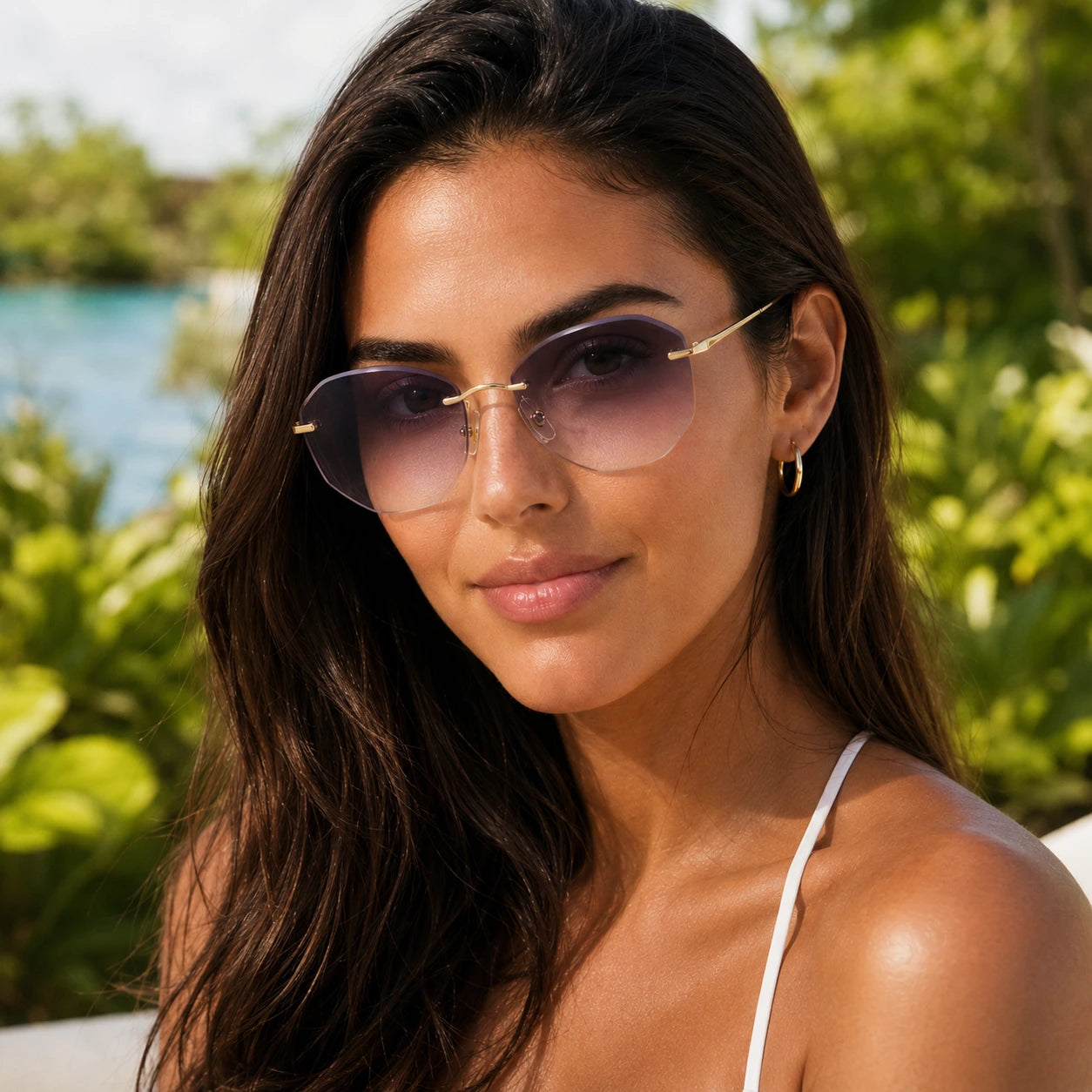
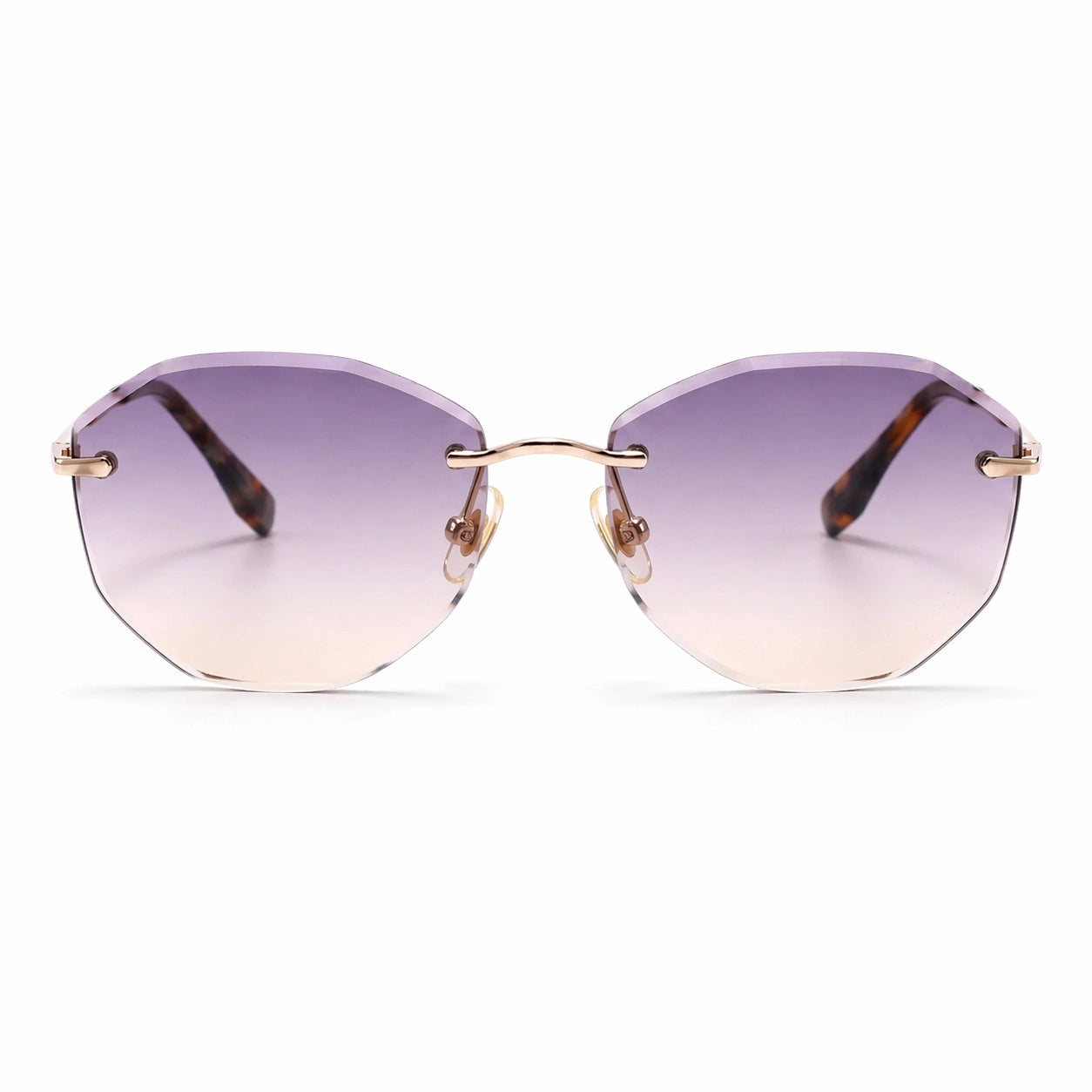

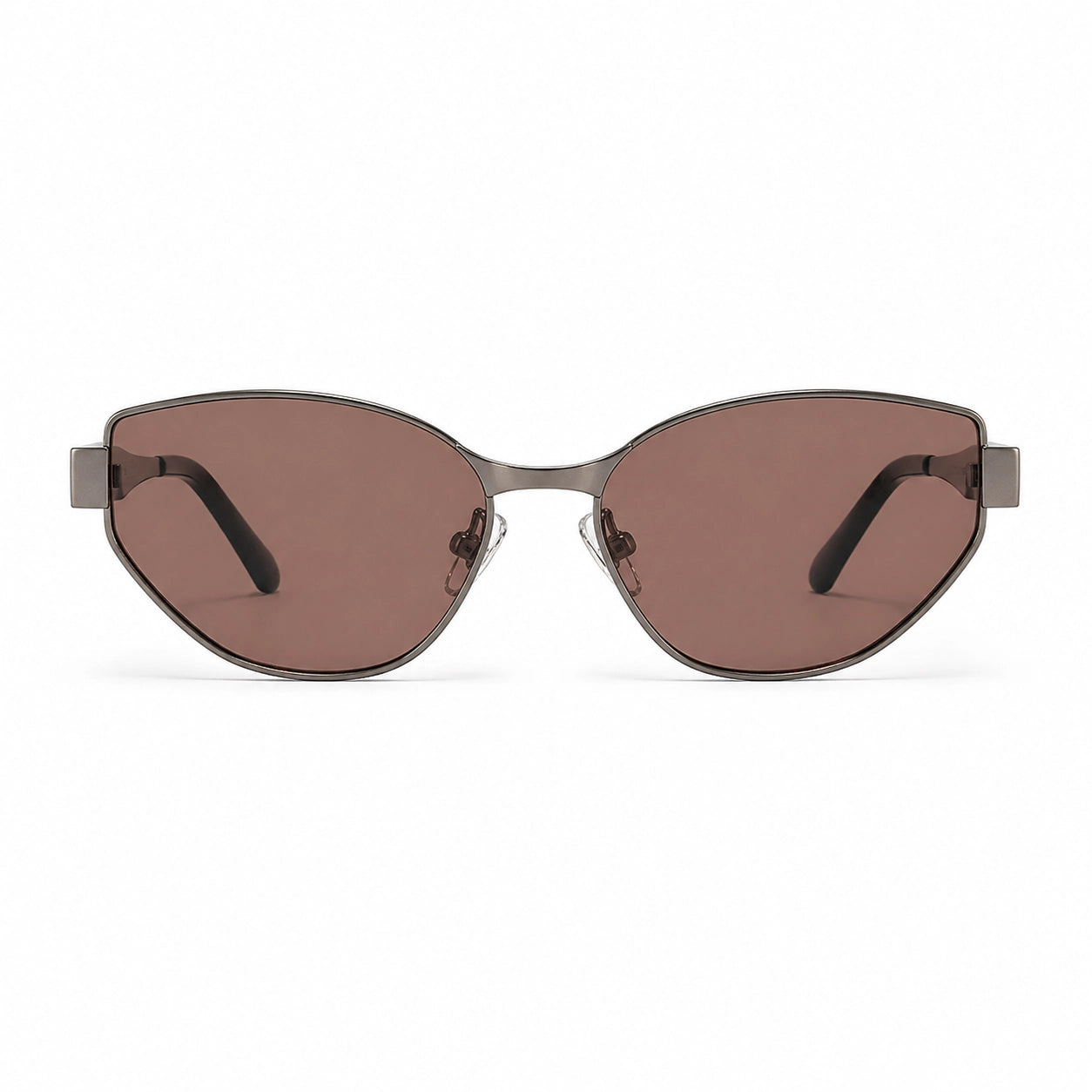

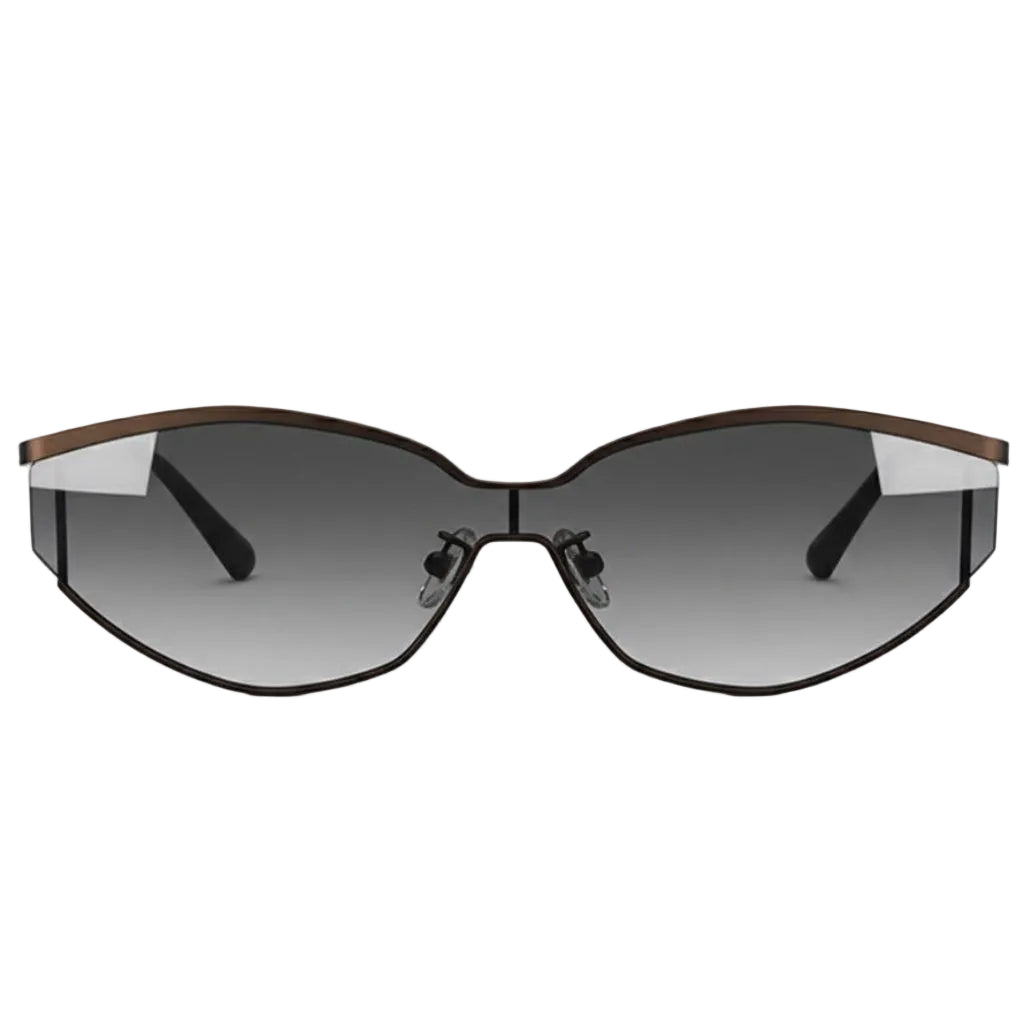
Why Standard Sunglasses Can Overwhelm a Smaller Face
Shop by Fit Goal
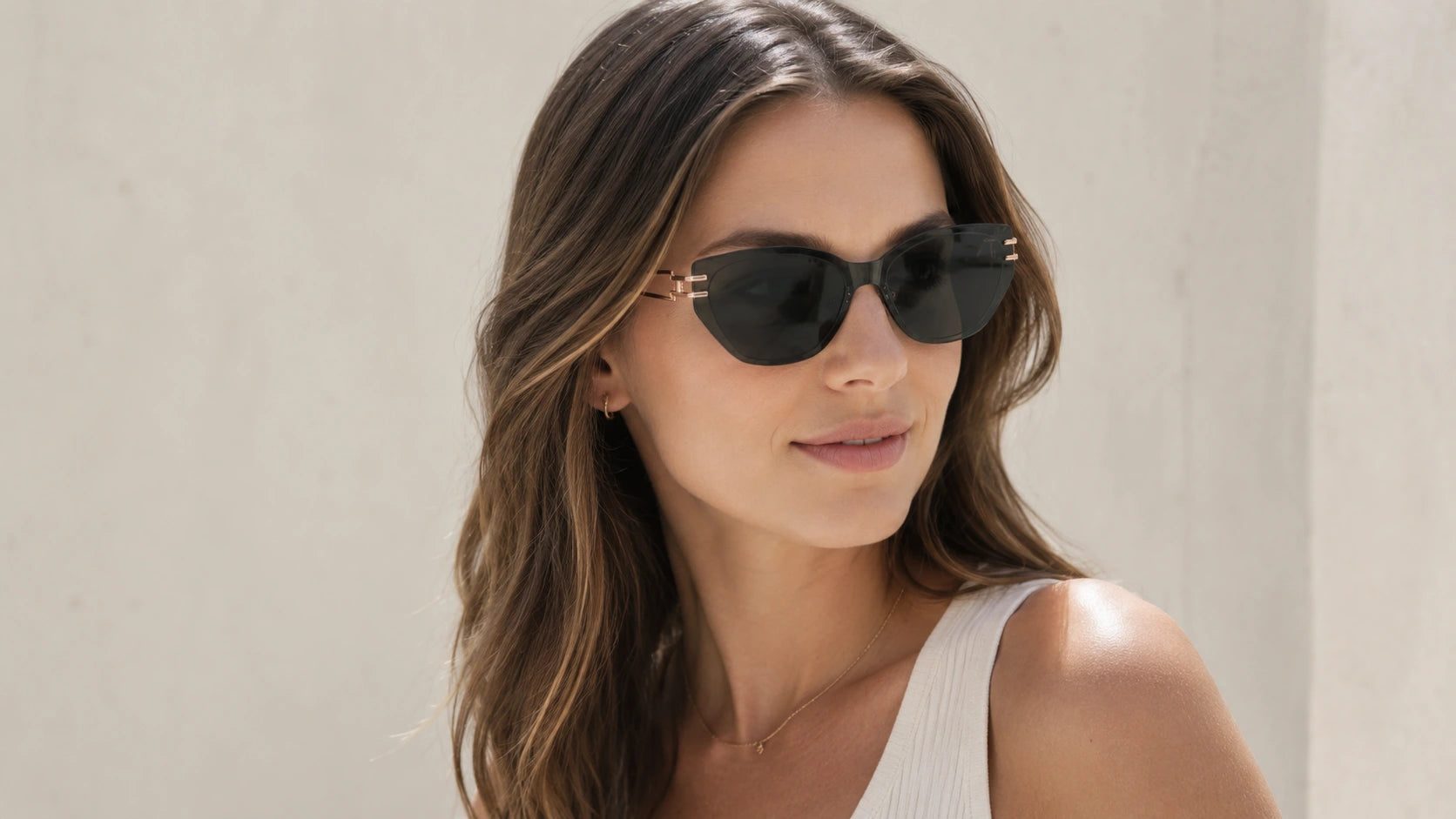
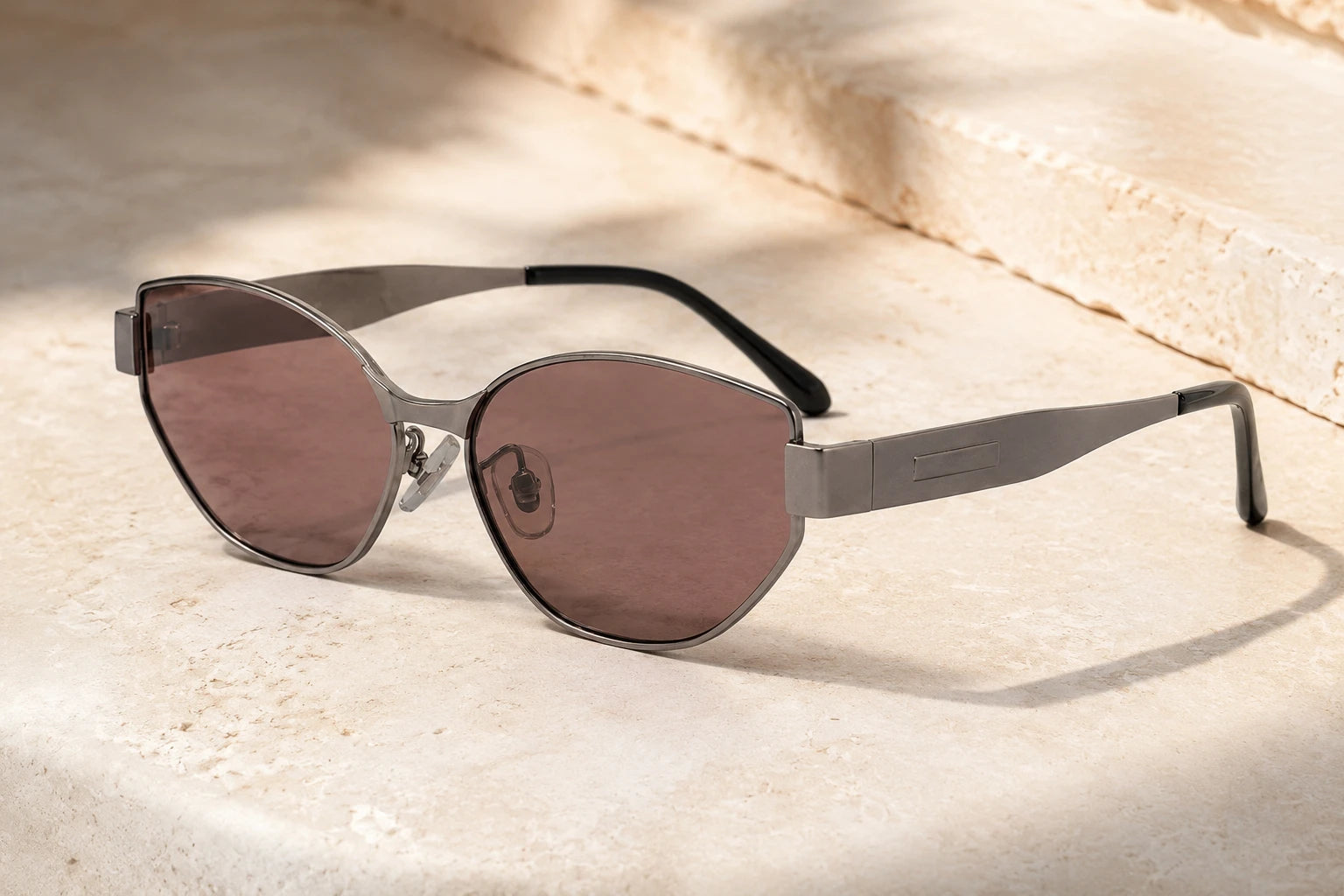
What Makes a Frame Petite-Friendly
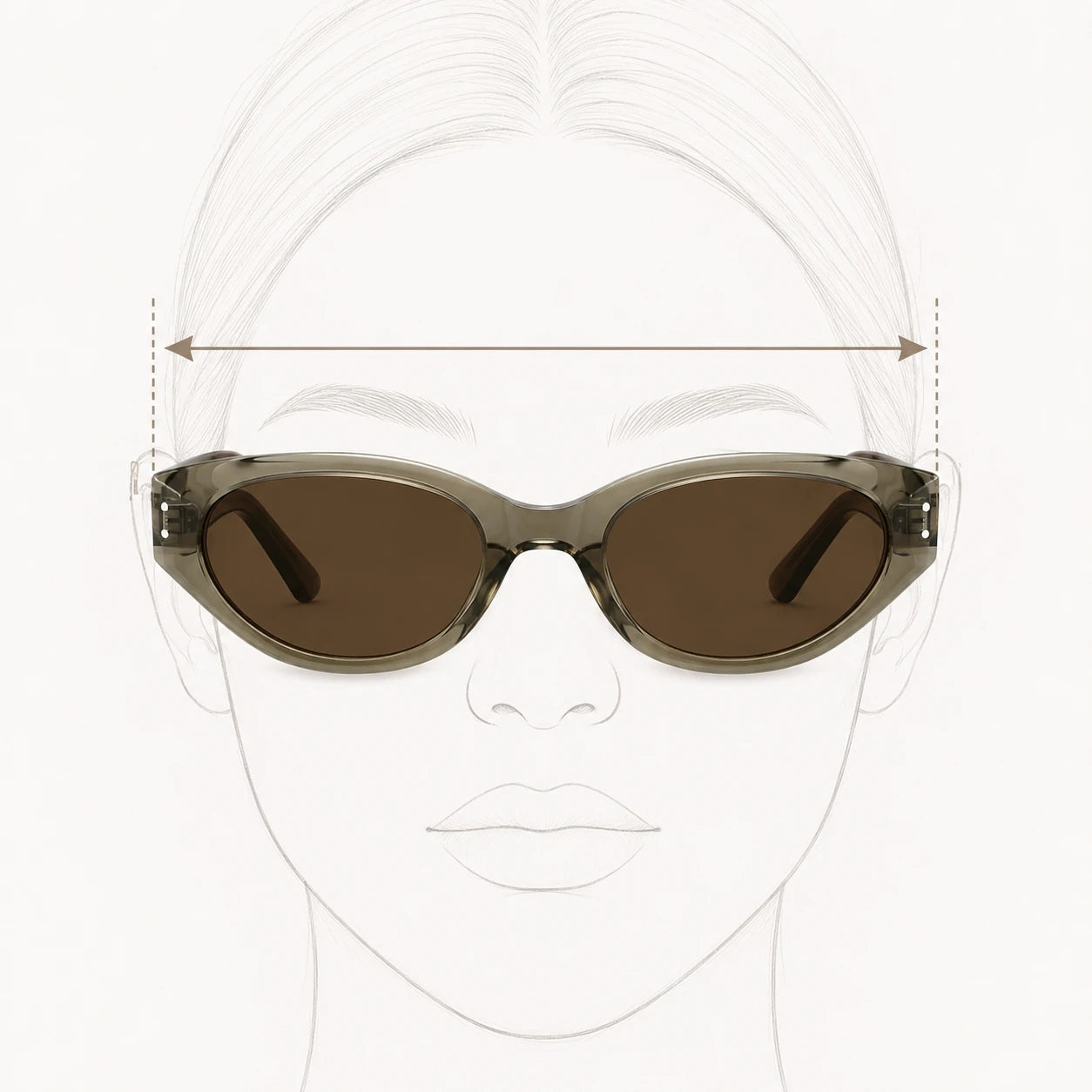
Controlled Frame Width
A more controlled front width helps the sunglasses stay in proportion with narrower facial features.
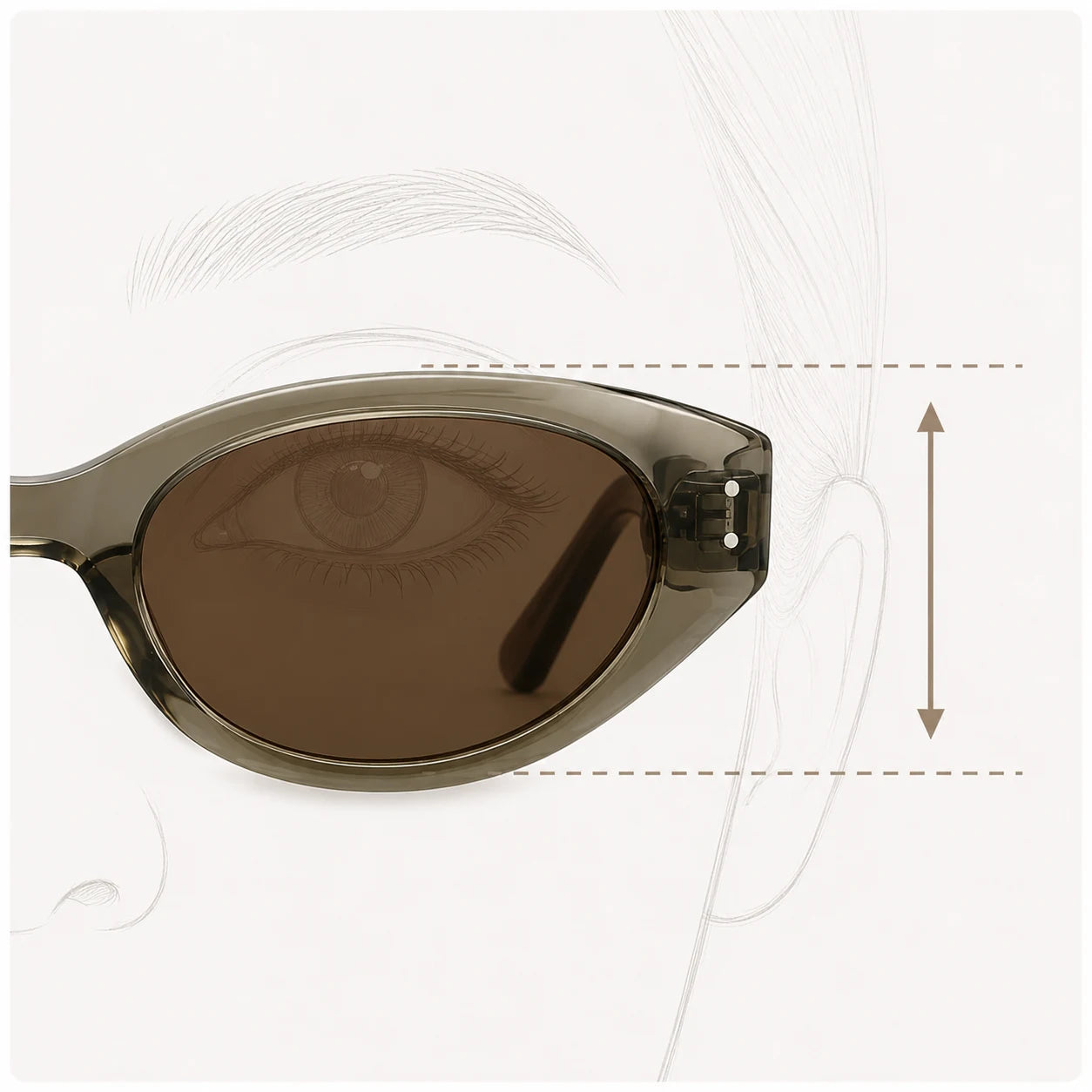
Lower Lens Height
Shorter lenses reduce the chance of covering both the brows and cheeks at the same time.
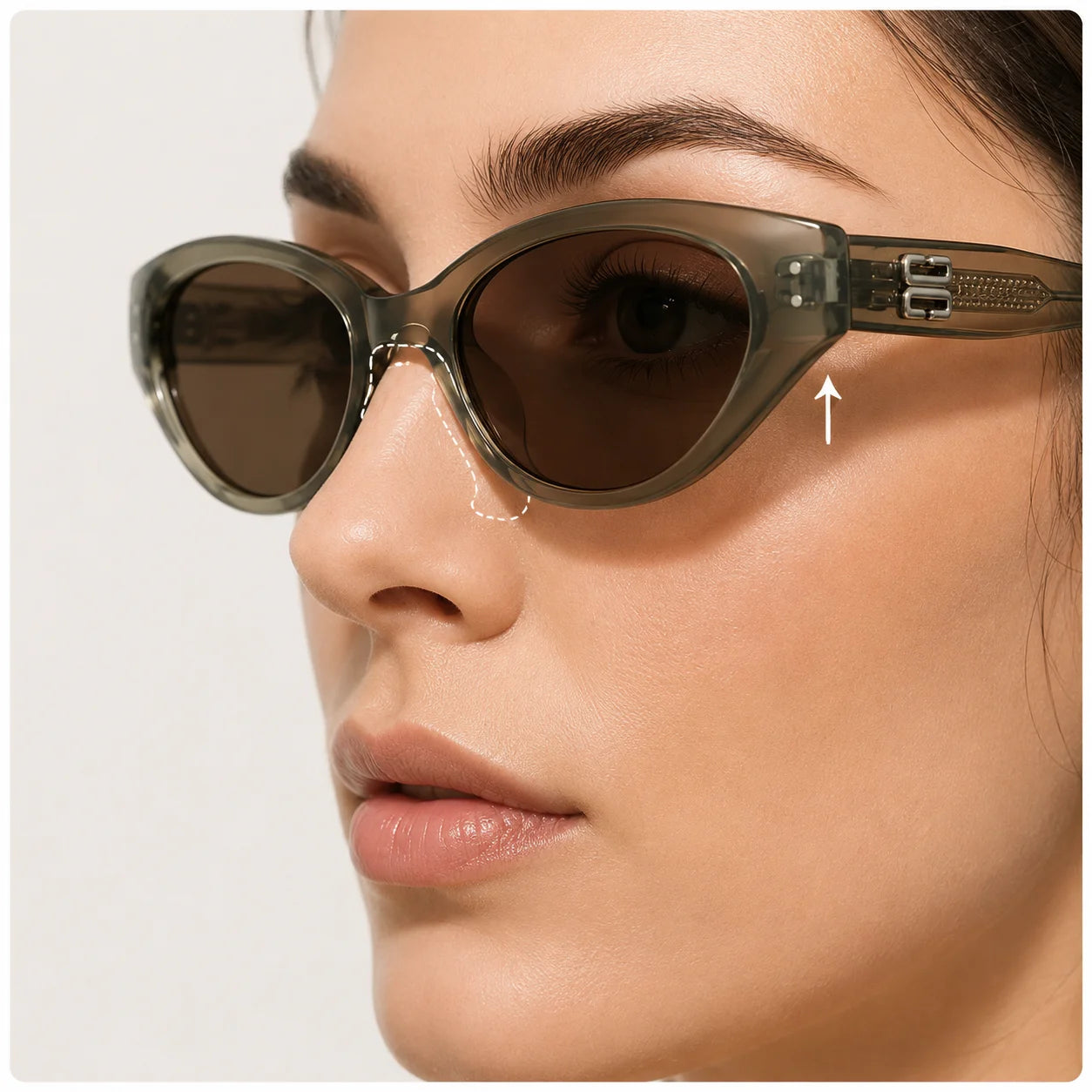
Secure Bridge Support
The right bridge position helps the frame sit higher and reduces unnecessary sliding.
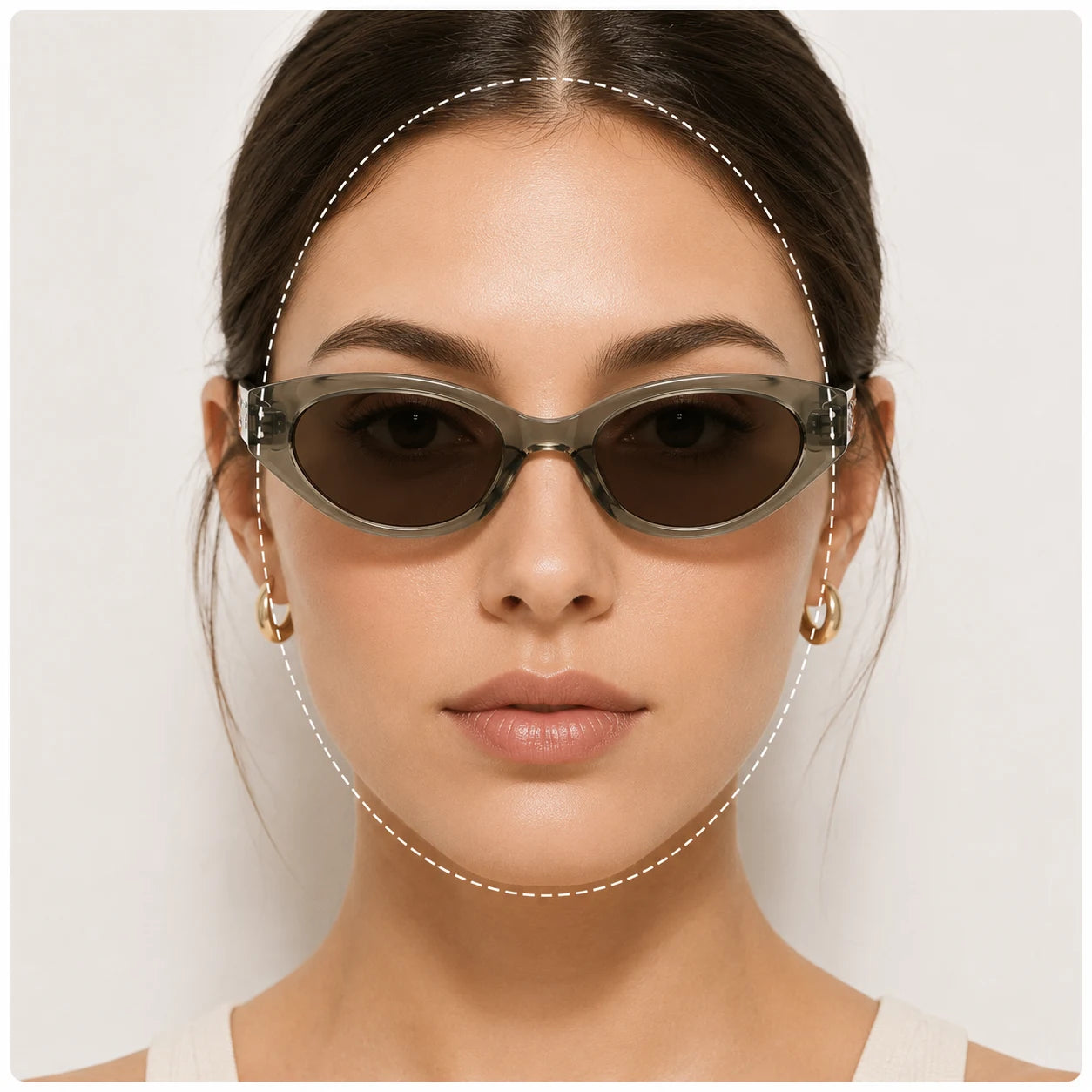
Balanced Visual Weight
Petite-friendly design is not only smaller—it also uses proportion, shape, and material to avoid overpowering the face.
Check Your Current Sunglasses Before Choosing
Measure a pair you already wear comfortably, then compare the key dimensions with each petite style before making your choice.
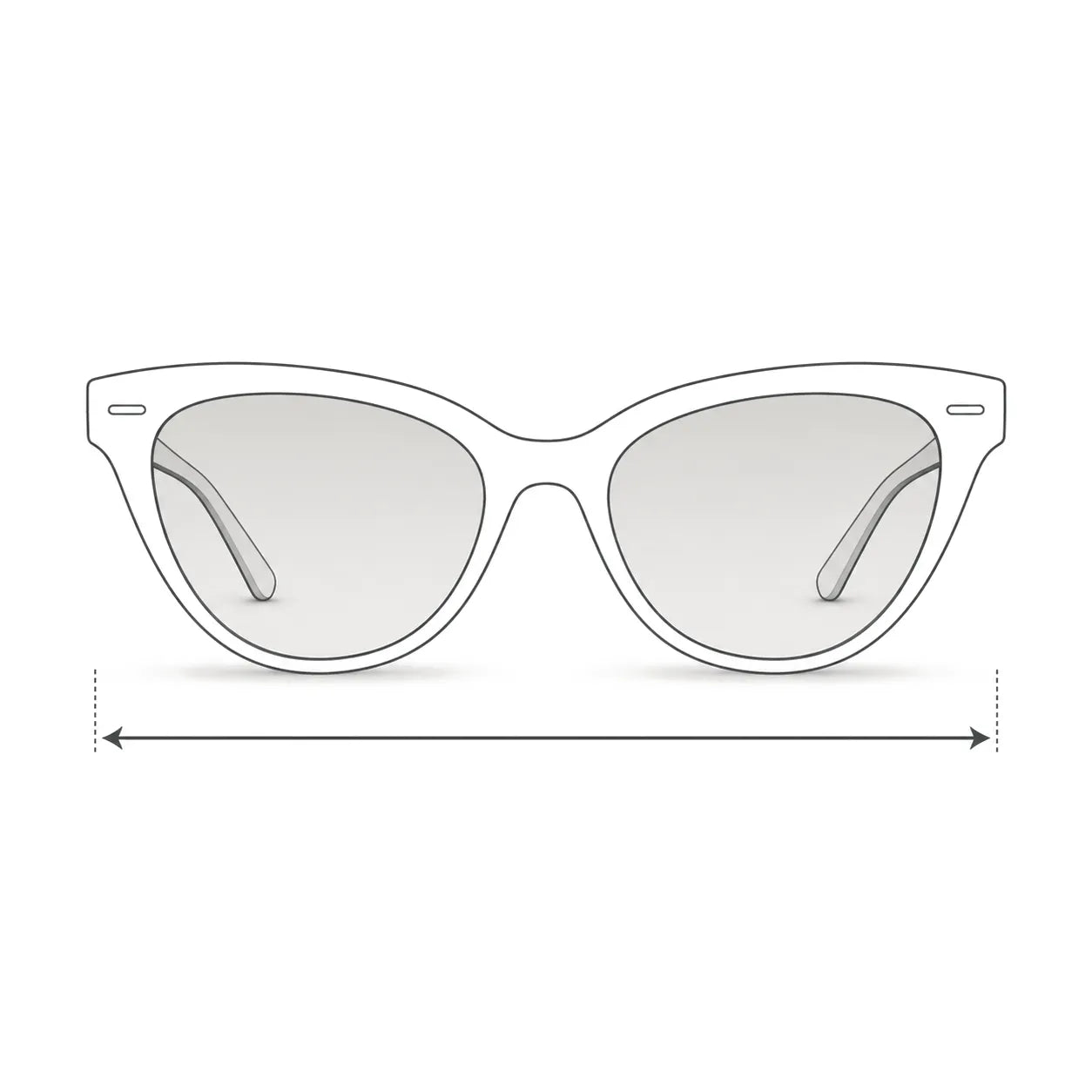
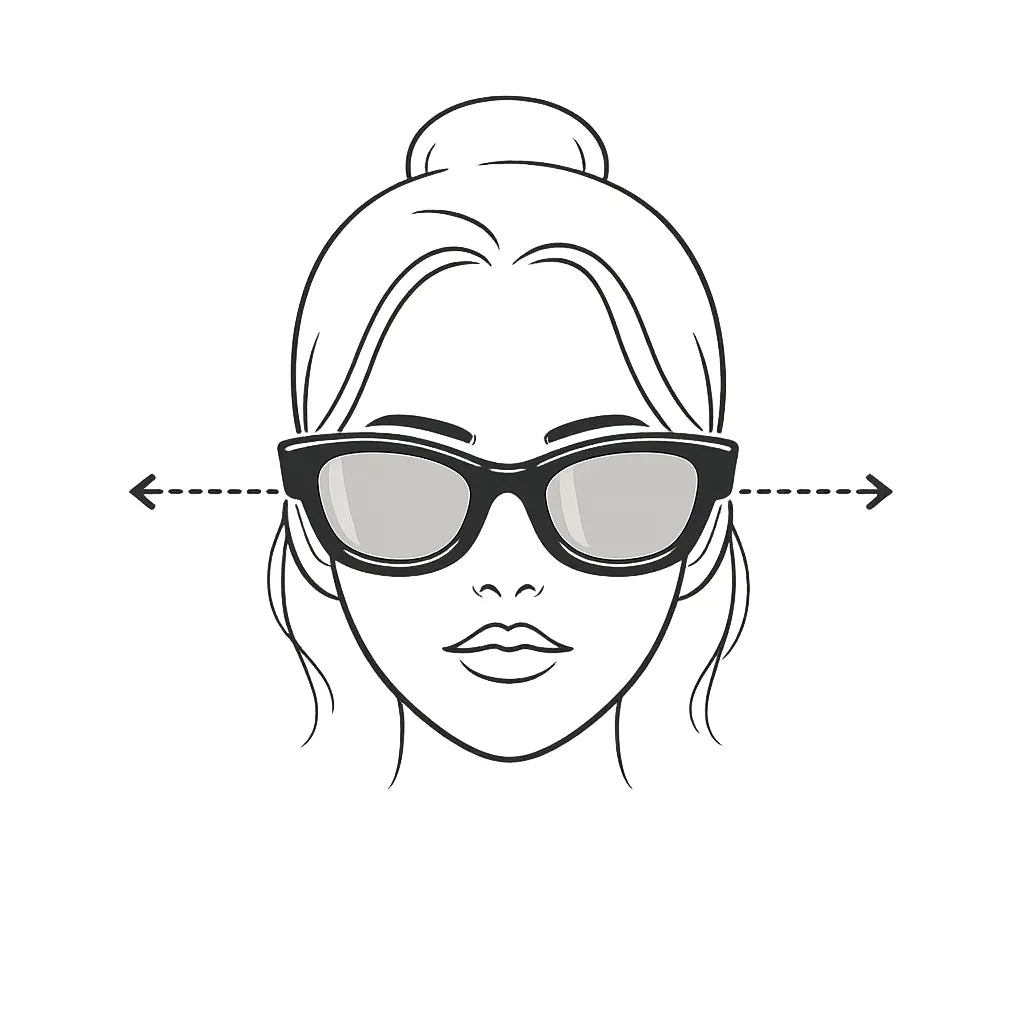
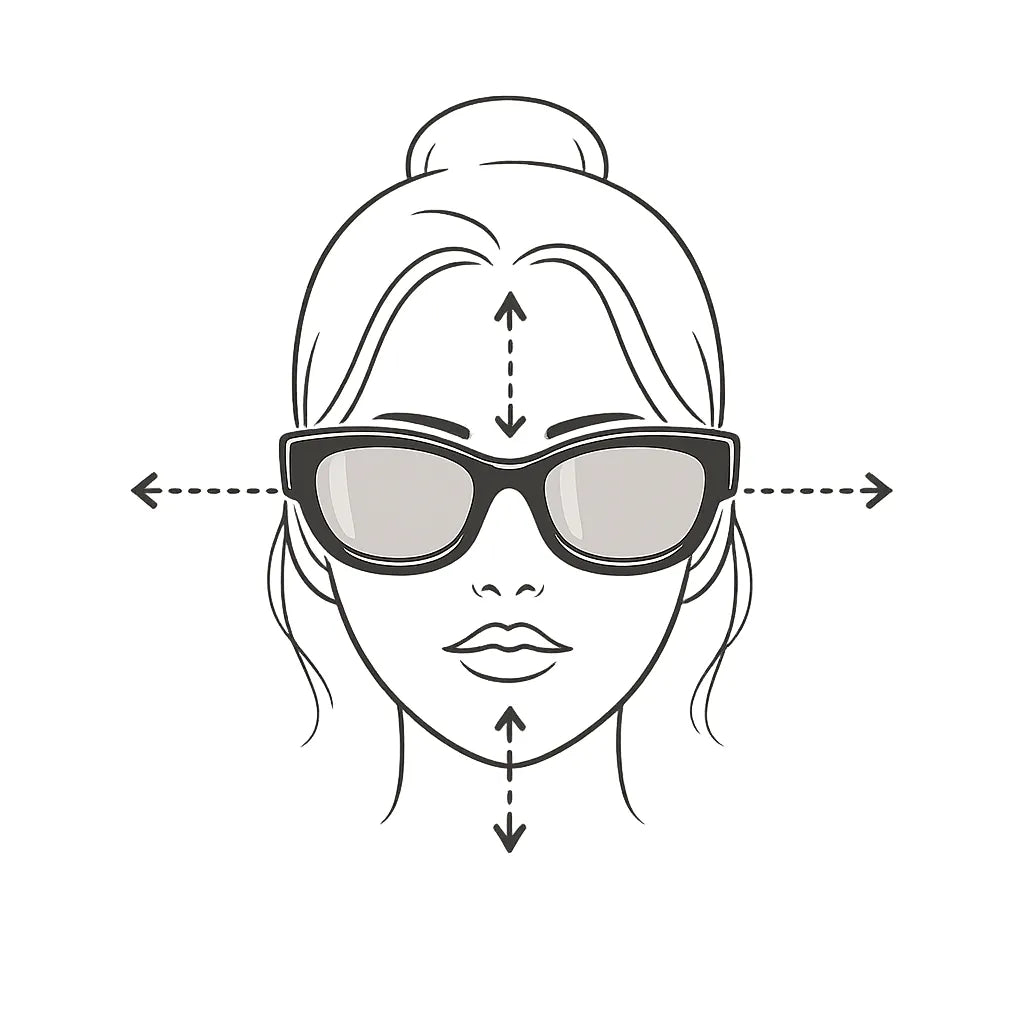
Measure straight across the widest part of the frame front, from one outer edge to the other.
Compare this number first. A frame that is too wide may feel unstable or overpower smaller facial features.
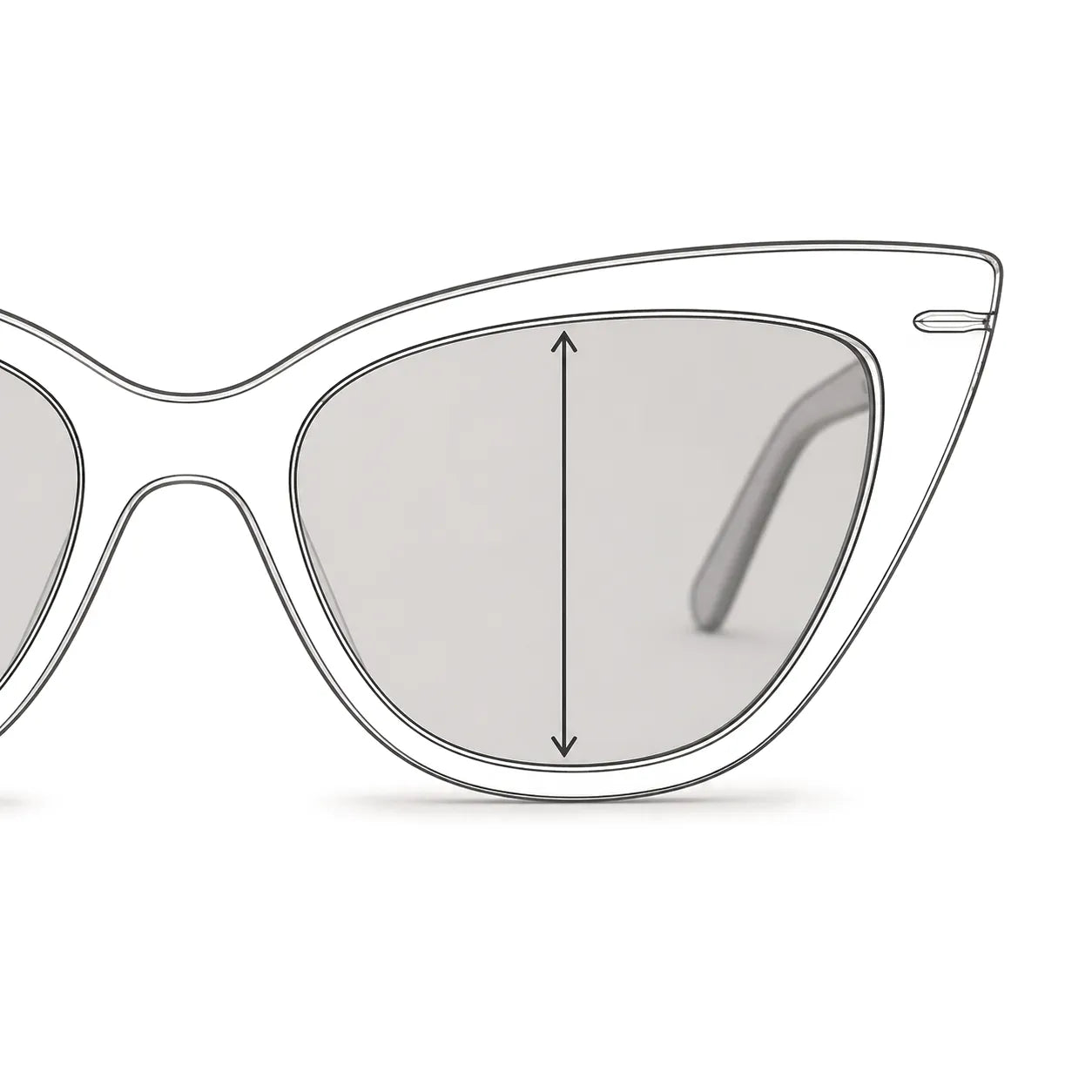
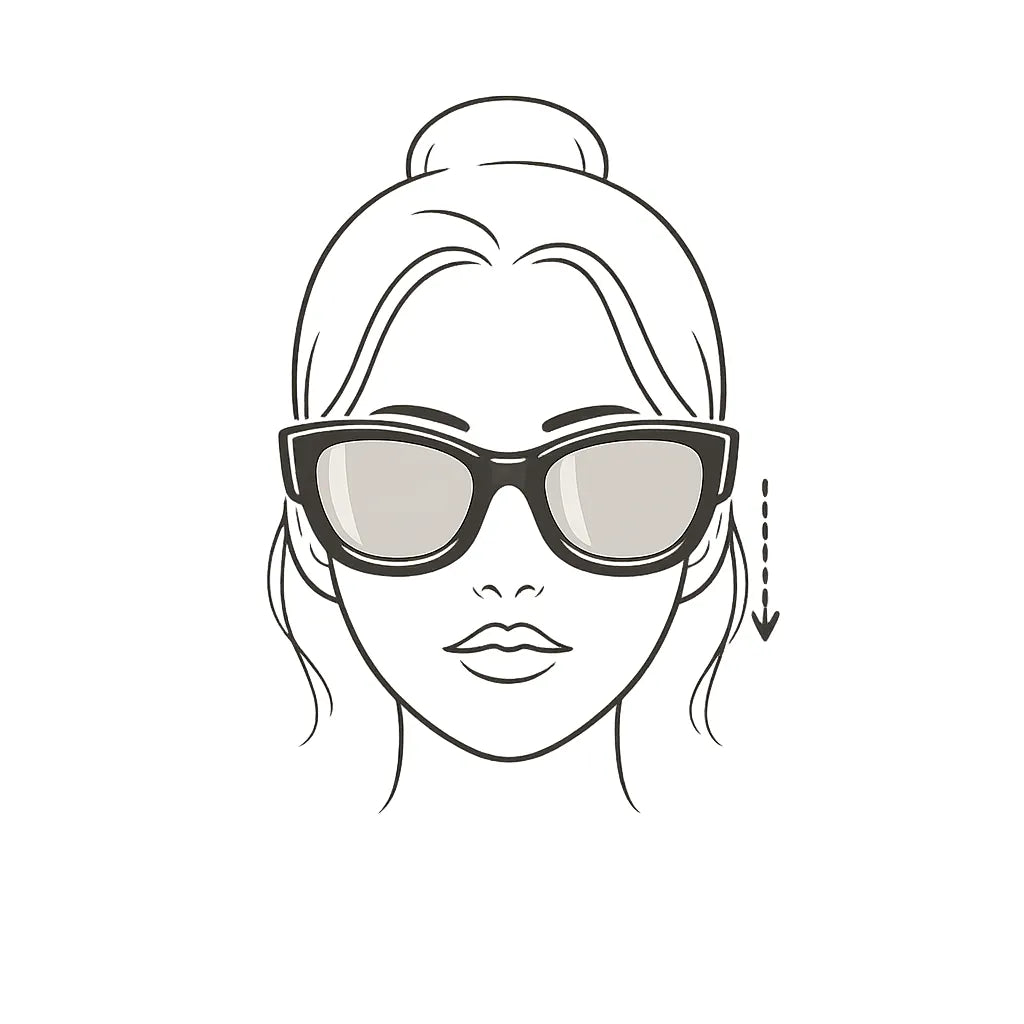
Measure vertically from the highest point of one lens to the lowest point of that same lens.
Lens height affects how much of the face the sunglasses cover. Lower lens heights are less likely to cover both the brows and upper cheeks, which often creates a more balanced result on petite faces.
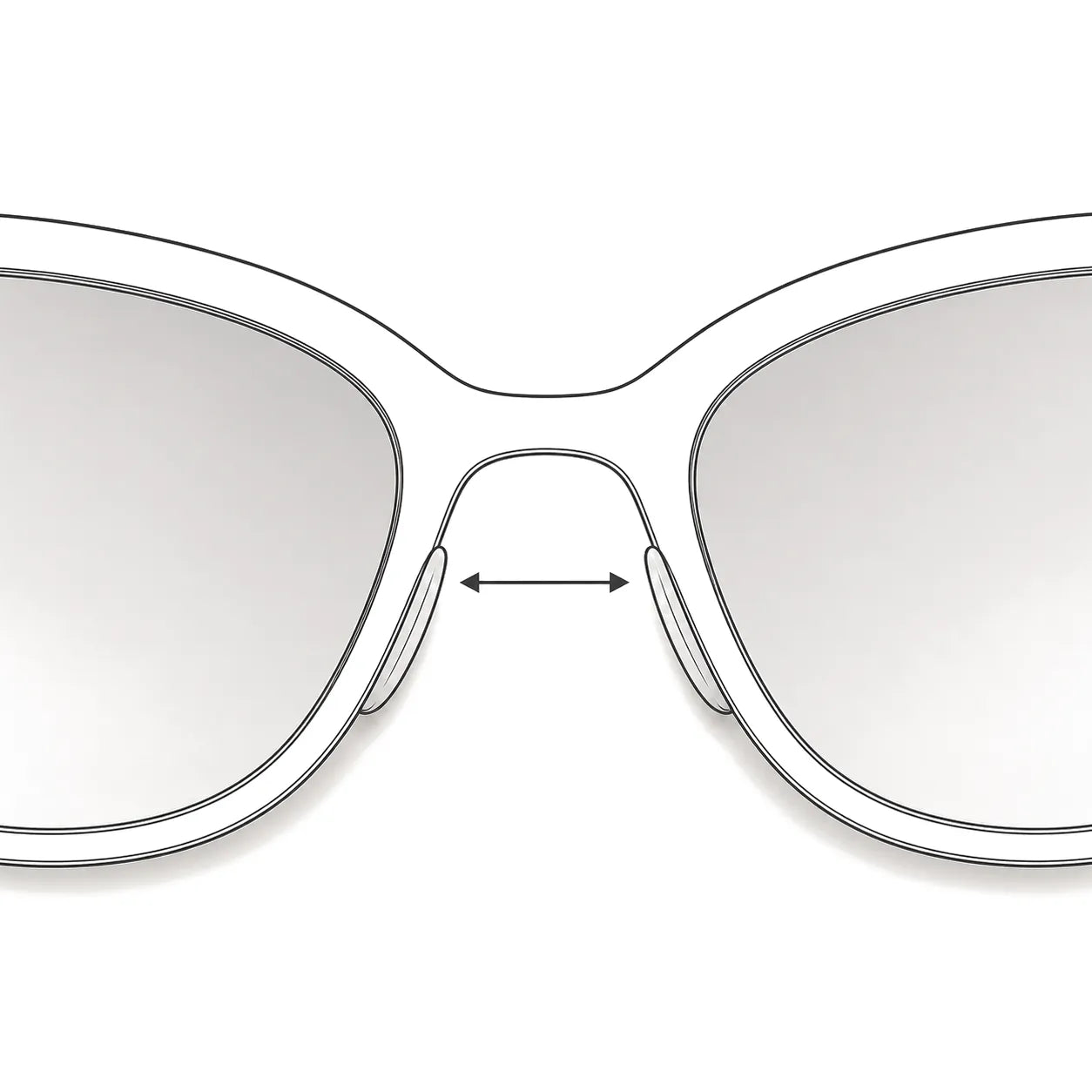
Measure the narrowest horizontal distance between the two lenses where the frame rests over the nose.
A bridge that is too wide may cause the sunglasses to sit low, slide forward, or touch the cheeks. Adjustable nose pads can provide more control over frame height and stability.
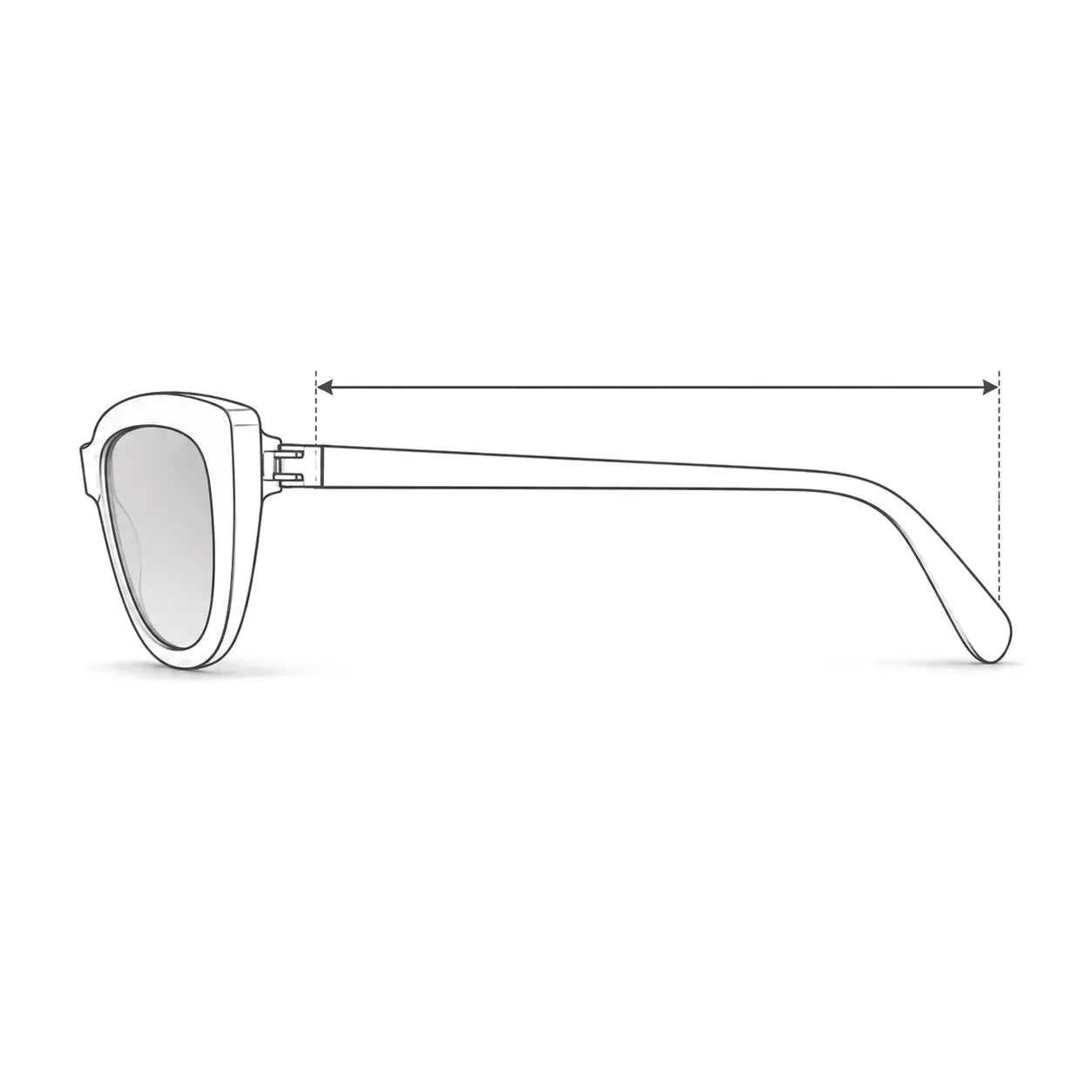
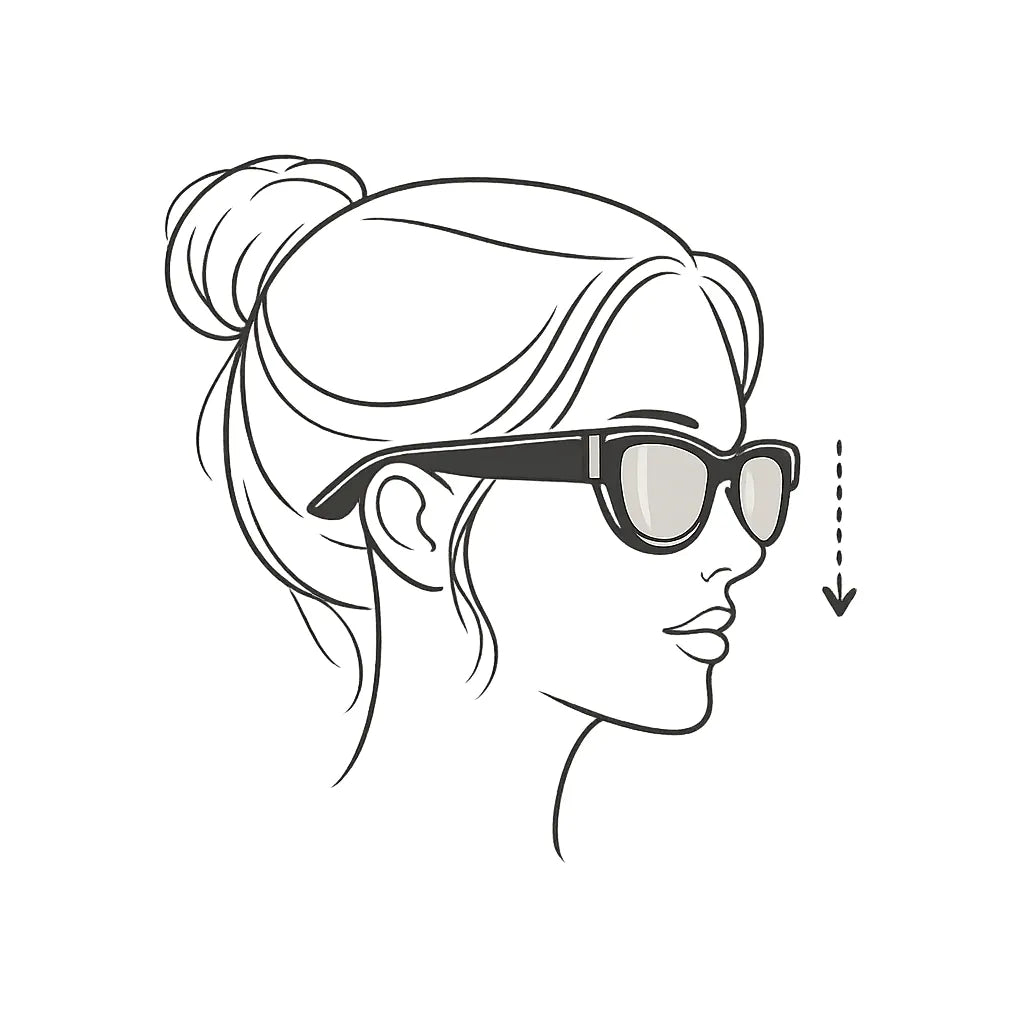
Measure from the hinge to the end of the temple tip, following the arm.
The correct temple length helps the sunglasses sit securely without feeling too long or unstable behind the ears.
Measure straight across the widest part of the frame front, from one outer edge to the other.
Compare this number first. A frame that is too wide may feel unstable or overpower smaller facial features.
Measure vertically from the highest point of one lens to the lowest point of that same lens.
Lens height affects how much of the face the sunglasses cover. Lower lens heights are less likely to cover both the brows and upper cheeks, which often creates a more balanced result on petite faces.
Measure the narrowest horizontal distance between the two lenses where the frame rests over the nose.
A bridge that is too wide may cause the sunglasses to sit low, slide forward, or touch the cheeks. Adjustable nose pads can provide more control over frame height and stability.
Measure from the hinge to the end of the temple tip, following the arm.
The correct temple length helps the sunglasses sit securely without feeling too long or unstable behind the ears.
Compare Petite and Small-Face Fits
Compare actual width, lens height, bridge support, and visual effect before choosing.
Compact petite
Narrow petite
Small-face-friendly medium
123 mm
133 mm
140 mm
33 mm
38 mm
43 mm
19 mm
15 mm
16 mm
39 g
20 g
24 g
Non-adjustable
Adjustable
Adjustable
Soft everyday cat-eye
Lightweight polarized lift
Sharper facial definition
Petite Sunglasses Fit FAQ
Clear answers about frame width, lens height, bridge support, adjustable nose pads, and choosing sunglasses for a smaller face.
1. What makes sunglasses petite?
Petite sunglasses are designed or selected with more controlled proportions for smaller faces. That can include a narrower total frame width, lower lens height, a more secure bridge, and less visual weight around the eyes and cheeks.
There is no single universal measurement that makes every frame “petite.” Two frames with the same width can fit differently because of their lens shape, bridge position, nose pads, temple angle, and construction. Always compare the complete set of measurements rather than relying on one number.
2. How do I know if sunglasses are too wide for my face?
Sunglasses may be too wide when the front extends noticeably beyond the sides of your face, the temples flare outward instead of sitting naturally, or the frame shifts when you move your head.
A wide frame can also look visually oversized even when it stays in place. Check how the outer edges align with your temples and cheekbones. Comparing the total width with a pair that already fits you well is usually the most reliable starting point.
3. Which measurements matter most for a smaller face?
Start with the total frame width because it shows how much space the sunglasses occupy across the front of the face. Next, compare the lens height, bridge width, and temple length.
Lower lens heights can reduce contact with the cheeks, while the correct bridge helps the frame sit at the intended height. Temple length affects the fit behind the ears. Lens width alone is not enough because it does not include the bridge, hinges, or outer edges of the frame.
4. Are petite sunglasses only for narrow face shapes?
No. Face size and face shape are different. A petite face can be round, oval, square, heart-shaped, diamond-shaped, or oblong.
First choose a frame that is appropriately scaled to your overall facial size. Then choose the shape that creates the effect you prefer. For example, a petite cat-eye can add lift, while a softly rounded petite frame can create a gentler look. Proportion should come before shape.
5. Why do my sunglasses slide down even when the frame is small?
Sliding is often related to bridge fit, nose support, temple tension, or frame balance rather than width alone. A small frame can still sit too low if the bridge is too wide or does not match the shape of your nose.
Adjustable nose pads can help raise the frame, improve stability, and create more space between the lenses and cheeks. Fixed acetate bridges offer less adjustment, so their original bridge shape needs to match more closely.
6. Can a medium-width frame still work on a small face?
Sometimes. A medium-width frame may still feel balanced when it has a low lens height, lightweight construction, secure bridge, or rimless design that reduces visual bulk. Facial width, cheekbone position, hairstyle, and the desired styling effect also influence the result.
Frames around 140 mm should generally be treated as medium rather than strictly petite. Compare the exact measurements with your current sunglasses before choosing a medium-width style for a smaller face.
7. Do all petite sunglasses have adjustable nose pads?
No. Petite sizing and adjustable nose pads are separate features. Metal and rimless frames often use adjustable nose pads, while acetate frames usually have a fixed bridge.
Adjustable pads provide more control over frame height, distance from the cheeks, and pressure on the nose. A fixed bridge can still fit very well when its width and contour match your nose. Check the product specifications for the nose-pad type before ordering.
8. How can I reduce sunglasses touching my cheeks?
Start by checking the lens height and bridge position. Very tall lenses can reach the upper cheeks, especially when the frame sits low. A more secure bridge or properly adjusted nose pads can raise the sunglasses and create additional clearance.
Cheek contact also depends on individual facial structure and expression. Compare the lens height with a frame that already fits you well, and look for product photos showing the frame from the front and side.
9. Are all petite sunglasses polarized?
No. Petite describes the size and proportion of the frame, while polarization describes a lens feature that reduces reflected glare from surfaces such as roads, water, and glass.
Some petite styles include polarized lenses, while others use gradient or enhanced-contrast lenses without polarization. Check the product title, lens options, and specifications on each product page to confirm the exact lens type.
10. What should I do if the fit is not right?
Compare the received frame with the measurements listed on the product page and with a pair that already fits you well. Check whether the issue comes from total width, lens height, bridge position, temple length, or nose-pad adjustment.
Eligible products can be returned within 30 days under the BAPORSSA return policy. Review the return conditions and keep the original packaging until you have confirmed that the frame fits comfortably.

Petite sunglasses that keep the look polished, not oversized.