Sunglasses for Light Sensitivity, Indoors and Out: 6 Picks for Women
Sunglasses for light sensitivity work best when they are comfortable rather than as dark as possible: a medium Category 2 lens, or a photochromic lens that stays light indoors, in a rose, brown or gradient tint, on a frame that fits your face width and does not press.
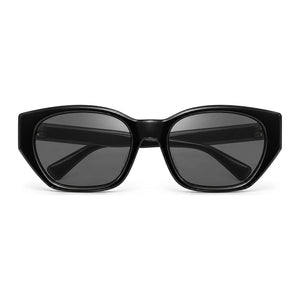
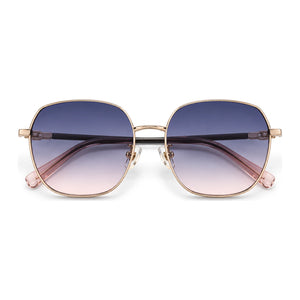
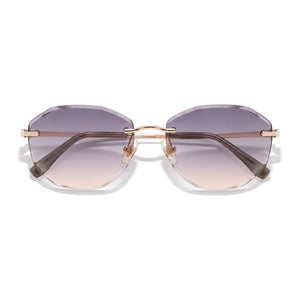
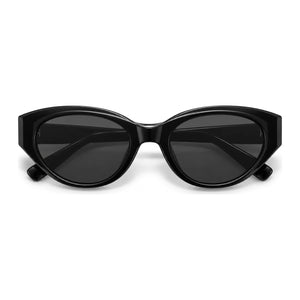
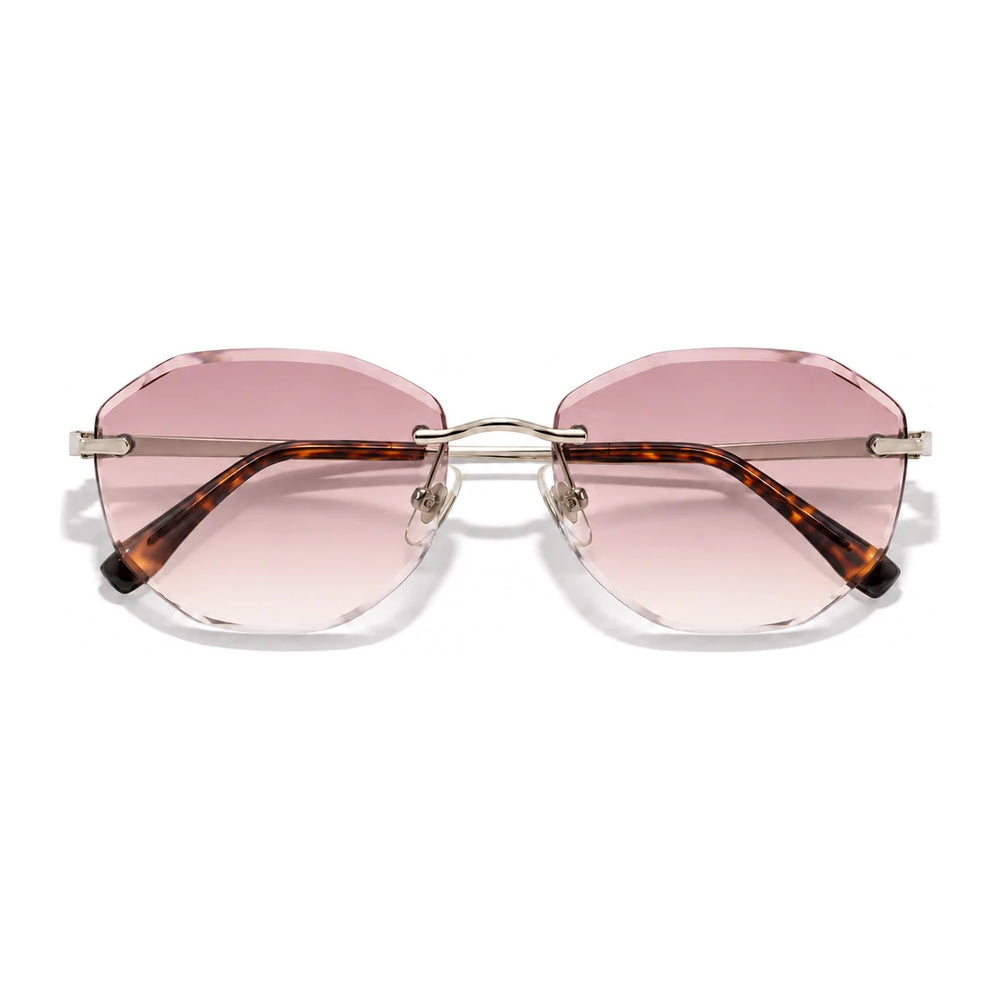
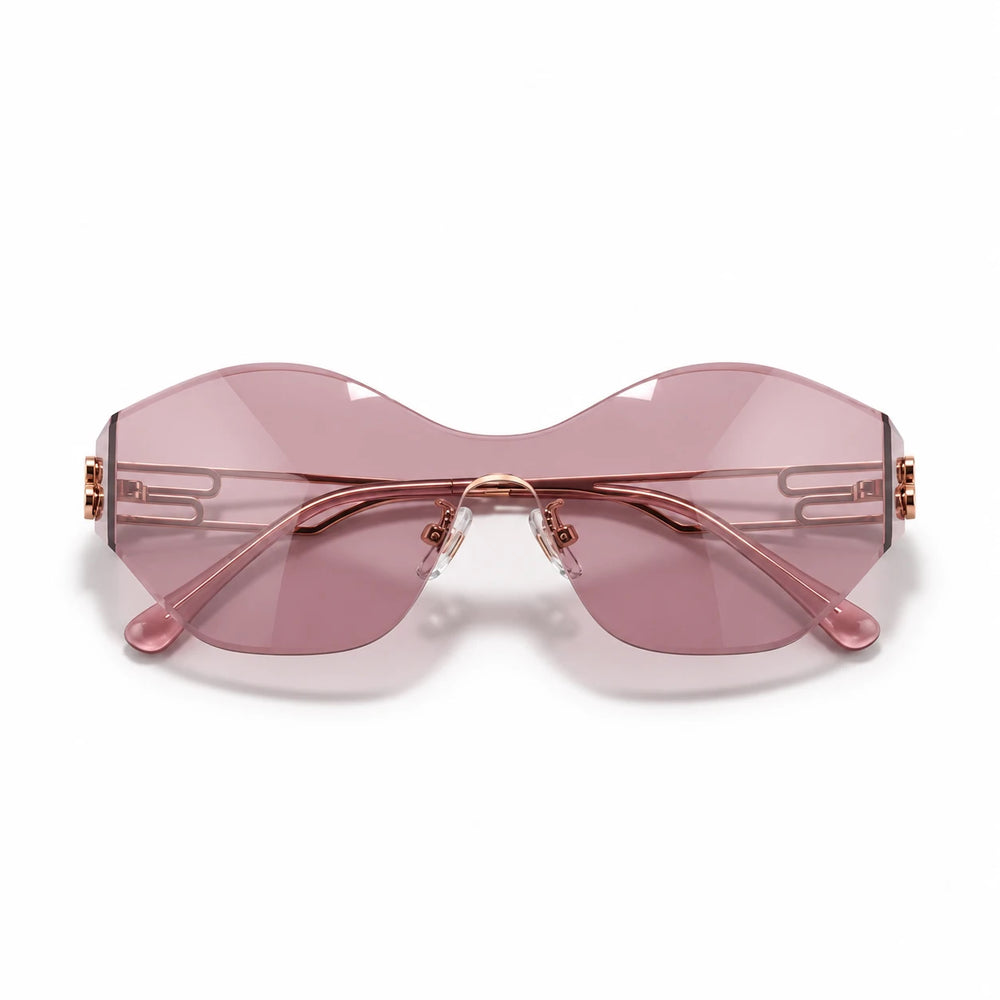
Start with Backbone ($99, Cat 2, 140 mm) in Luminous Rose, or Dune ($79, Cat 2, 129 mm) for a petite face. For one pair indoors and out, Glow ($159) is photochromic and polarized; for wider side cover, the Vanguard shield ($159) comes in Rose Quartz. All are in our polarized collection.




$159.00
The rule for light-sensitive eyes, in three parts
When bright light feels uncomfortable, the instinct is to buy the darkest pair. In practice a very dark lens makes shade, shops and rooms feel dim, so many people take it off and put it back on all day. Three choices matter more than darkness.
- Lens category: Cat 2, or photochromic Cat 1–3. Cat 2 is a medium tint that works in sun and still lets you see in shade. Glow's photochromic lens fades to a light Cat 1 indoors and darkens to Cat 3 outside. The other five picks are Cat 2, Shift included; Glow and Shift are photochromic.
- Tint: rose, brown or gradient. Warm tints soften harsh light without turning everything grey; a gradient lens is darker at the top, where overhead light comes from, and lighter below for phones and faces. Polarized lenses cut reflected glare from roads, water and glass.
- Fit: matched to your face width. Petite is 132 mm or less across the front, regular 133–143 mm, wide 144 mm or more. A frame that pinches or slides adds its own discomfort. The six picks run from 129 to 154 mm.
BAPORSSA lenses are nylon with UV400 protection unless the product page says otherwise. Sunglasses support comfort; they do not treat the cause of light sensitivity.
Six sunglasses for light sensitivity, measured
Numbers come from each frame's size chart. Front width is the whole frame front; lens size is one lens, width × height.
| Frame | Lens category | Comfort tint | Polarized | Front + fit | Lens (W × H) | Weight |
|---|---|---|---|---|---|---|
| Backbone | Cat 2 | Luminous Rose, gradient | Every colour (3) | 140 mm, regular | 59 × 42 mm | 22 g |
| Air | Cat 2 | Dusk Blush, gradient | Every colour (3) | 143 mm, regular | 62 × 57 mm | 28 g |
| Dune | Cat 2 | Smoked Rose (solid lens) | Every colour (4) | 129 mm, petite | 55 × 40 mm | 30 g |
| Vanguard | Cat 2 | Rose Quartz, Bronze Amber, Riviera Dawn gradient | Every colour (4) | 141 mm, regular | 65 × 50 mm | 22 g |
| Glow | Cat 1–3, photochromic | Rose Amber, Dusk Blush | Every colour (3) | 145 mm, wide | 60 × 65 mm | 28 g |
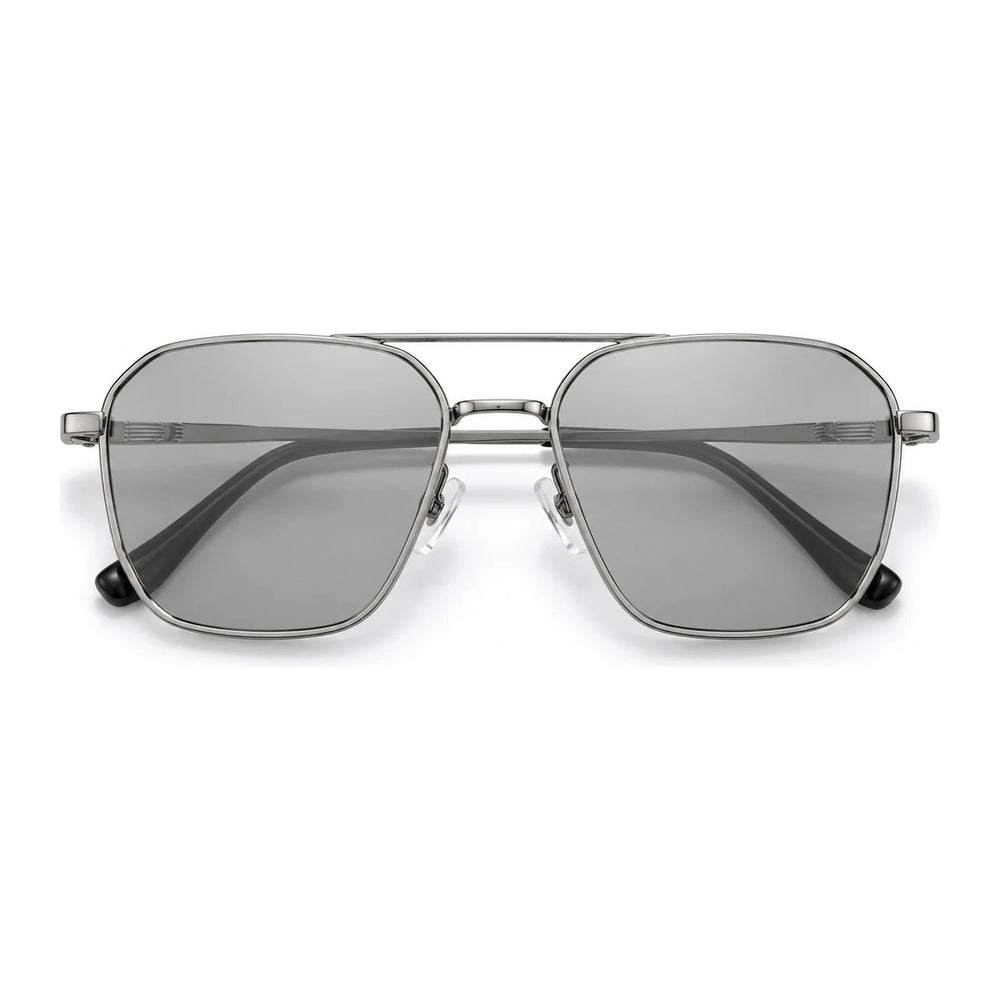
| Shift | Cat 2, photochromic | Silver Mist, Golden Hour | No | 154 mm, wide | 66 × 48 mm | 20 g |




Indoor sunglasses for light sensitivity
Bright windows, shop lighting and long screen days are where a dark outdoor lens feels heaviest. Indoors the aim is a lighter lens that takes the edge off without making the room dim.
- Choose Cat 1 or Cat 2, not Cat 3. Glow fades to Cat 1 inside; Shift, Backbone, Air, Dune and Vanguard stay at a medium Cat 2.
- Prefer a softer colour. Rose, brown and gradient tints often feel easier in mixed light than very dark grey.
- Think about screens. Polarized lenses can make phone, laptop and car displays look darker at some angles. Shift is the only pick that is not polarized, so it is the easier pair for screen-heavy days. More in why screens can look black with polarized sunglasses.
If you find you need sunglasses indoors most days, mention it to an eye doctor.


Photochromic: one pair for indoors and out
A photochromic lens reacts to UV light, so it is lightest indoors and darkens outside: Glow runs from Cat 1 to Cat 3, and Shift is a Cat 2 lens. You do not have to swap pairs at the door. It changes less behind windows and windscreens, because the glass blocks much of the UV.
Glow is photochromic and polarized, with the tallest lens we make, 65 mm, so it shades from brow to cheek. Shift is photochromic and not polarized, a 20 g beta-titanium aviator. Both are wide fit, 145 and 154 mm. For the difference in detail, read photochromic vs polarized sunglasses.
Are rose-tinted sunglasses good for light sensitivity?

For some people, yes. A rose tint takes the harshness out of bright light without making everything very dark, and it keeps the eye area visible, which many wearers find easier in company. It is a comfort and style choice, not a medical lens.
- Backbone in Luminous Rose: a rose gradient on faceted rimless lenses, 22 g, polarized.
- Air in Dusk Blush: a grey-to-pink gradient on 57 mm deep lenses, for more coverage on a regular face.
- Vanguard in Rose Quartz: a solid rose shield, 65 mm wide per lens.
- Glow in Rose Amber or Dusk Blush: warm photochromic tints that lighten indoors.


$99.00
Brown and amber tints add warmth and contrast and suit city light and travel; grey gives a neutral view in strong sun. For what every lens colour does, see the lens colour guide.
Coverage and glare outdoors
Light that reaches the eye from the sides and from below can be uncomfortable too. A larger lens covers more of it. Vanguard is a rimless shield with 65 × 50 mm lenses on a 22 g frame, and Air has 57 mm deep lenses. Both are polarized in every colour, which helps with reflected glare from wet roads, water, snow and glass.


$159.00
Photophobia, migraines and FL-41 lenses
People who search for photophobia or migraine sunglasses often come across FL-41, a specialised tint discussed for migraine-related light sensitivity. BAPORSSA lenses are not FL-41 and are not designed to diagnose, prevent or treat migraines or photophobia. They are everyday UV400 sunglasses; a softer tint can simply feel more comfortable for some people in bright light.
See an eye doctor if light sensitivity is new, getting worse or affects one eye, or if it comes with eye pain, redness, headache, nausea or changes in vision.
Light sensitivity or something else?
- Petite face, and 140 mm frames slide: Dune (129 mm, Cat 2, polarized) is the fit here. See the small-face guide or all petite sunglasses.
- Wide face, and temples press: Glow (145 mm) and Shift (154 mm) are wide fit; the wide-face guide and wide-fit collection have more.
- You want the darkest lens for strong sun: our darkest is Cat 3; what Cat 3 means explains the categories.
- Glare while driving is the main problem: sunglasses for driving.
- Recovering from eye surgery: sunglasses after LASIK, and follow your surgeon's advice.
FAQ
Which lens category is best for light-sensitive eyes?
For most days, Cat 2: dark enough for sun, light enough for shade. Backbone, Air, Dune, Vanguard and Shift are Cat 2. If you move between indoors and out, Glow changes from Cat 1 to Cat 3, and Shift darkens in sun. Keep a fixed Cat 3 lens for bright, open sun.
Which of these are polarized?
Five of the six picks, Backbone, Air, Dune, Vanguard and Glow, are polarized in every colour, 17 colours in all. Shift is not polarized in either colour, so screens stay readable. All six are UV400.
How do I know which size to choose?
Measure a pair that fits you straight across the front. At 132 mm or less, choose Dune (129 mm); at 133–143 mm, Backbone (140), Vanguard (141) or Air (143); at 144 mm or more, Glow (145) or Shift (154). How we measure explains each number.
How long does delivery take, and can I return them?
US orders usually arrive in about 10 days; our published estimate is 8–16 business days, including 1–3 days to prepare your order. You can return a pair within 30 days; for a fit or style return, you pay the return postage. Every frame has a 1-year warranty.
Final recommendation
For light sensitivity, choose comfort over darkness. Backbone ($99) in Luminous Rose gives a medium Cat 2 lens; Dune ($79) does the same on a petite face. Glow ($159) or Shift ($159) covers indoors and out in one pair, and Vanguard ($159) adds coverage outside.

Collection
Polarized Sunglasses for Women
18 styles
Polarized lenses cut reflected glare from water, roads and glass. Some frames come in both polarized and non-polarized colours; the colour picker on each...