Best Sunglasses After LASIK and Eye Surgery: 6 Picks, Measured
The best sunglasses after LASIK pass four checks: UV400 lenses, a wrap that covers the sides, a tint you can live with all day, and a light frame with adjustable nose pads. Follow your surgeon's instructions on timing and on any protective shields or eyewear they give you; sunglasses are for outdoor comfort, UV and glare.
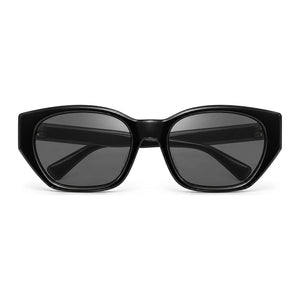
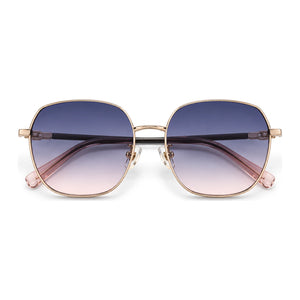
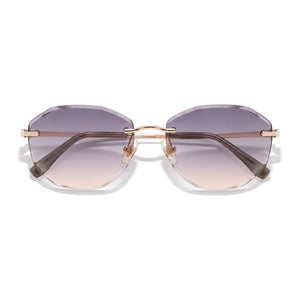
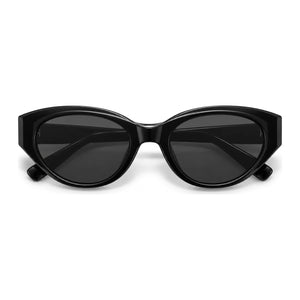
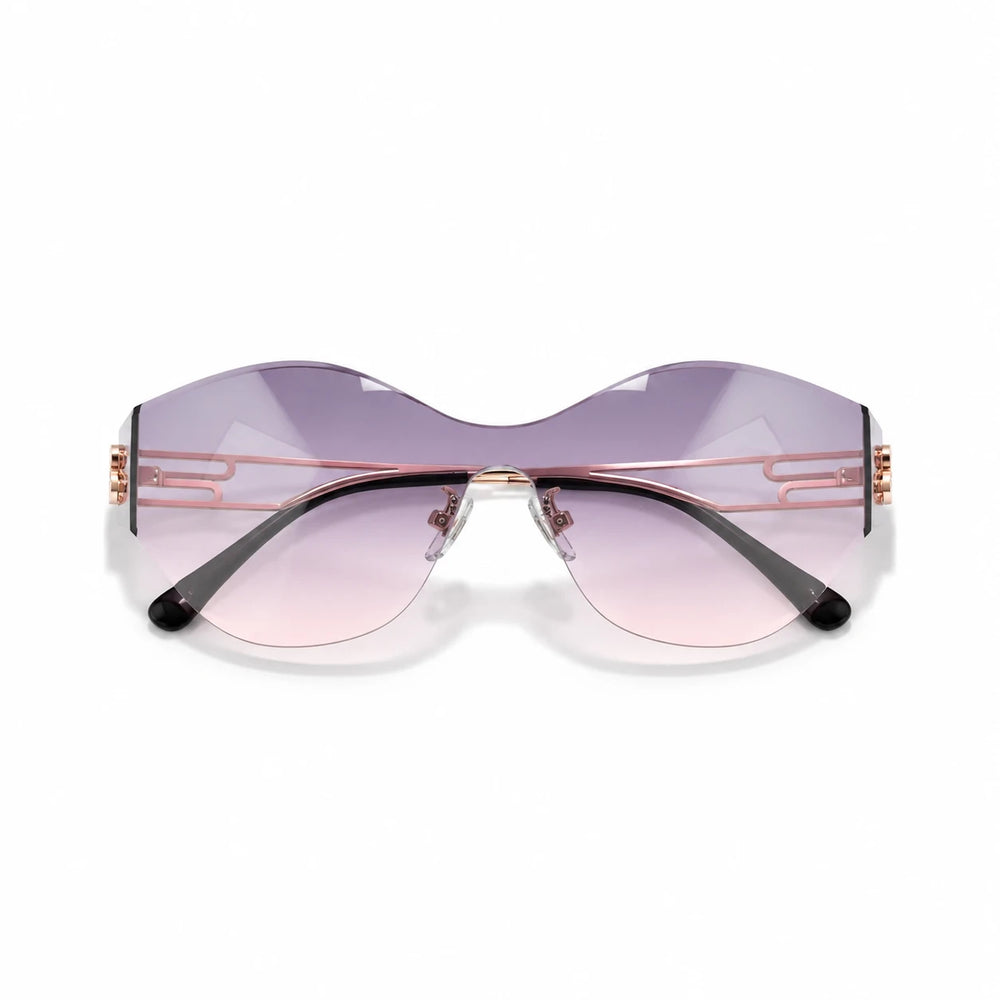
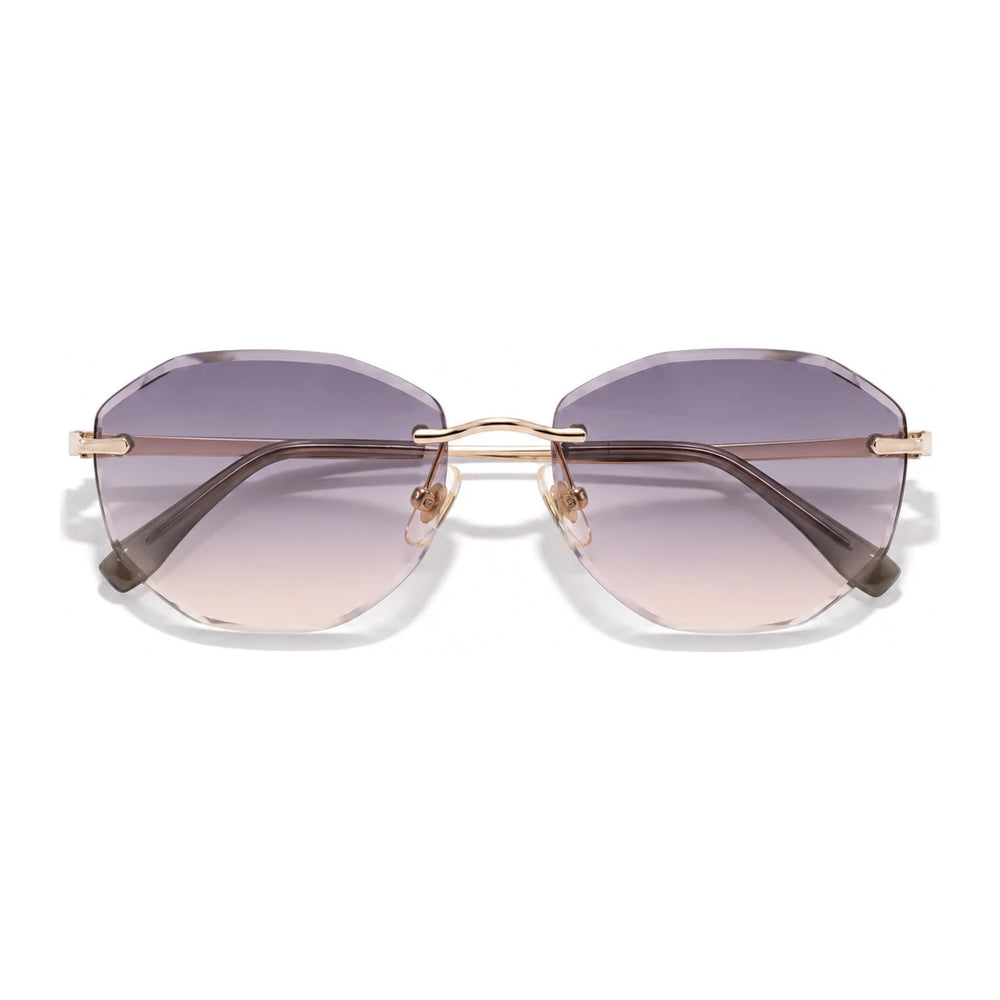
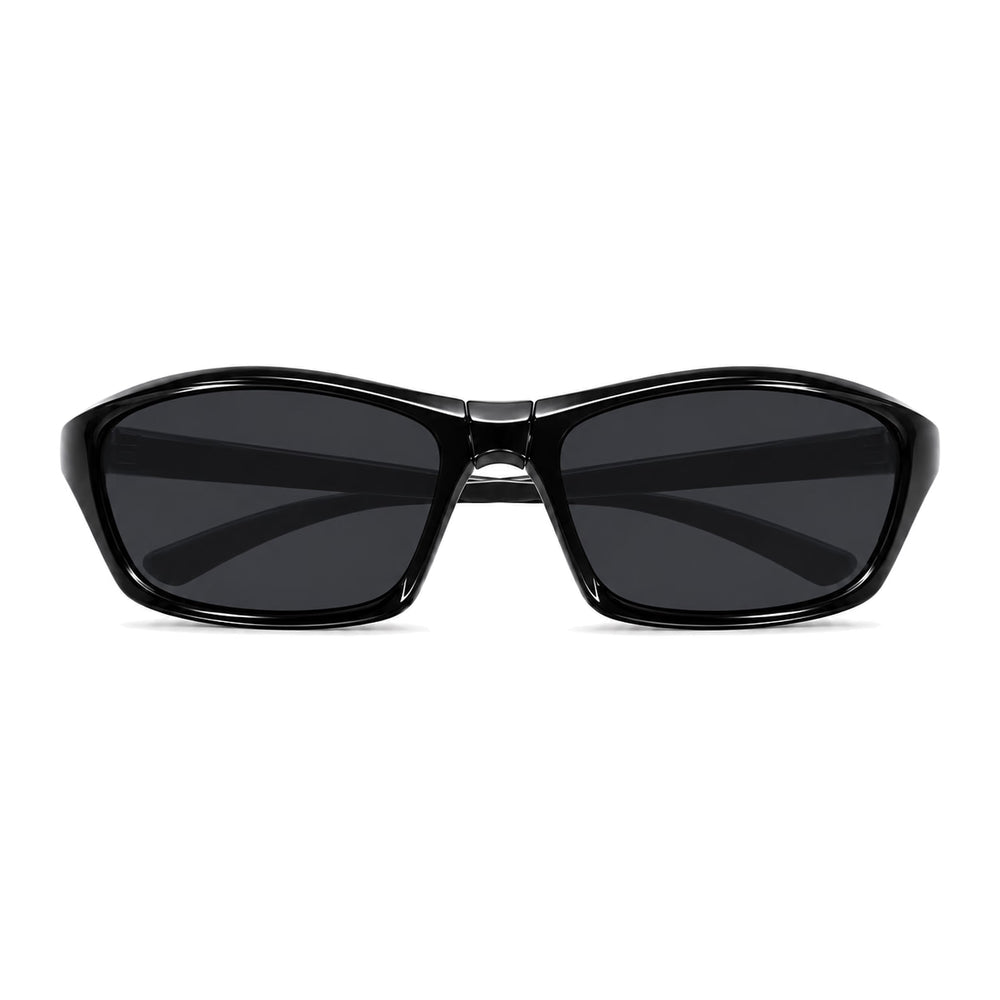
Start with Vanguard ($159, 141 mm, 22 g), a rimless shield with high wrap and Category 2 lenses, or Backbone ($99, 140 mm, 22 g) with smaller faceted lenses for everyday wear. For a wide face, Pivot ($129, 149 mm) has high wrap and folds in half, and Glow ($159, 145 mm) is photochromic. All four are in our polarized collection.






$159.00
What sunglasses should you wear after LASIK? Four checks
Choose on these four points rather than on how dark the lens looks.
- UV400 on the product page. UV400 means the lens blocks ultraviolet light up to 400 nanometres. Darkness does not tell you this: a light lens can be UV400, and a dark one is no proof of it. All six picks are UV400.
- Wrap and coverage. A lens that curves round towards the temples lets in less light from the sides than a flat front. Vanguard, Flow and Pivot have high wrap and high coverage; Glow is medium on both; Backbone and Shift sit flatter, with medium coverage.
- A tint you can live with. Category 2 is a medium tint for everyday light. If bright light feels harsh indoors and out, a photochromic lens runs from Category 1 inside to Category 3 in the sun. Keep a fixed Category 3 lens for bright, open days.
- 30 g or less, with adjustable pads. All six picks weigh 20–30 g. Adjustable nose pads let you set the frame so it neither presses nor slips; Pivot is the exception, with pads built into the frame.
Six sunglasses for after LASIK, measured
Numbers come from each frame's size chart. Front width is the whole frame front: 132 mm or less is petite, 133–143 mm regular, 144 mm or more wide. Lens size is one lens, width × height. How we measure explains each number.
| Frame | Front + fit | Lens (W × H) | Weight | Wrap / coverage | Lens | Nose pads |
|---|---|---|---|---|---|---|
| Backbone | 140 mm, regular | 59 × 42 mm | 22 g | Low / medium | Cat 2, polarized in every colour | Adjustable |
| Vanguard | 141 mm, regular | 65 × 50 mm | 22 g | High / high | Cat 2, polarized in every colour | Adjustable |
| Glow | 145 mm, wide | 60 × 65 mm | 28 g | Medium / medium | Photochromic Cat 1–3, polarized in every colour | Adjustable |
| Flow | 145 mm, wide | 65 × 50 mm | 30 g | High / high | Cat 2, polarized in Noir Carbon only | Adjustable |
| Pivot | 149 mm, wide | 62 × 42 mm | 23.3 g | High / high | Cat 3, polarized in every colour | Fixed |
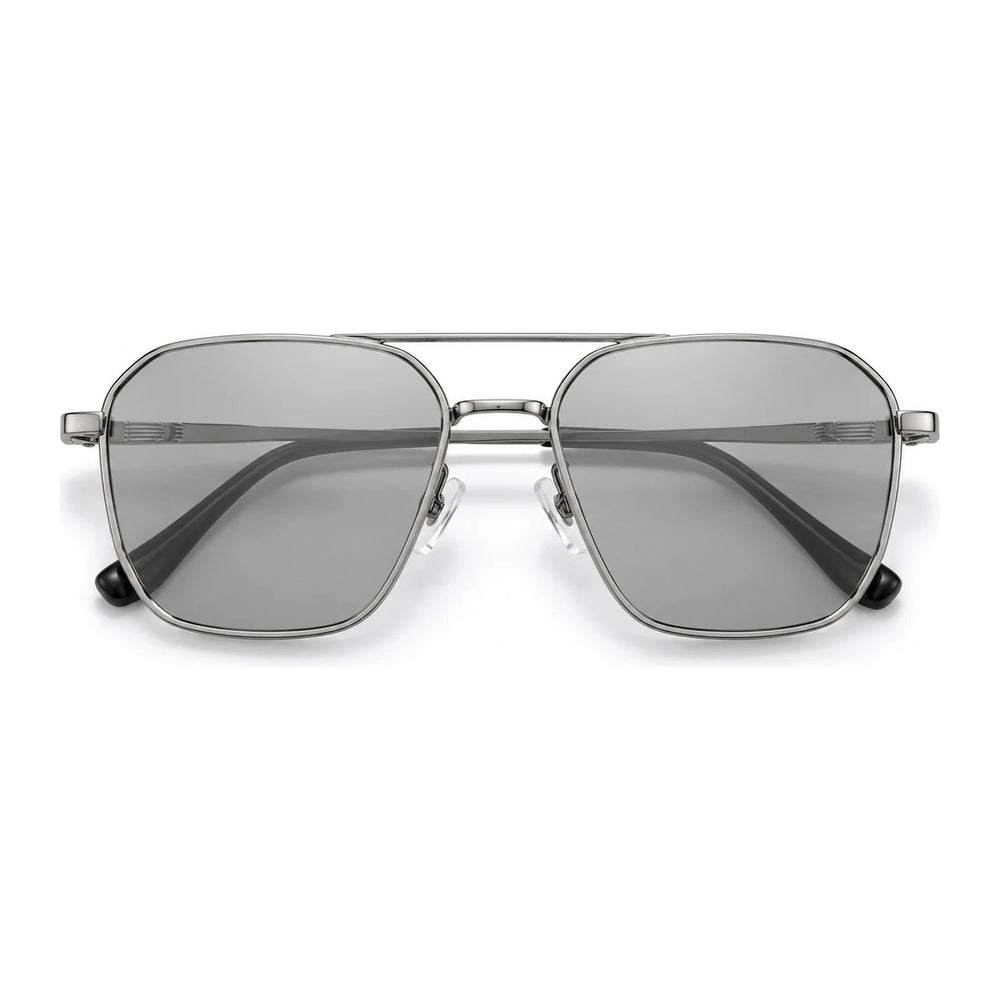
| Shift | 154 mm, wide | 66 × 48 mm | 20 g | Low / medium | Photochromic Cat 2, not polarized | Adjustable |
Vanguard is the only regular-fit pick with high wrap. Shift is the lightest at 20 g, and the only one that is not polarized in any colour.




Coverage: the wrap matters as much as the lens size
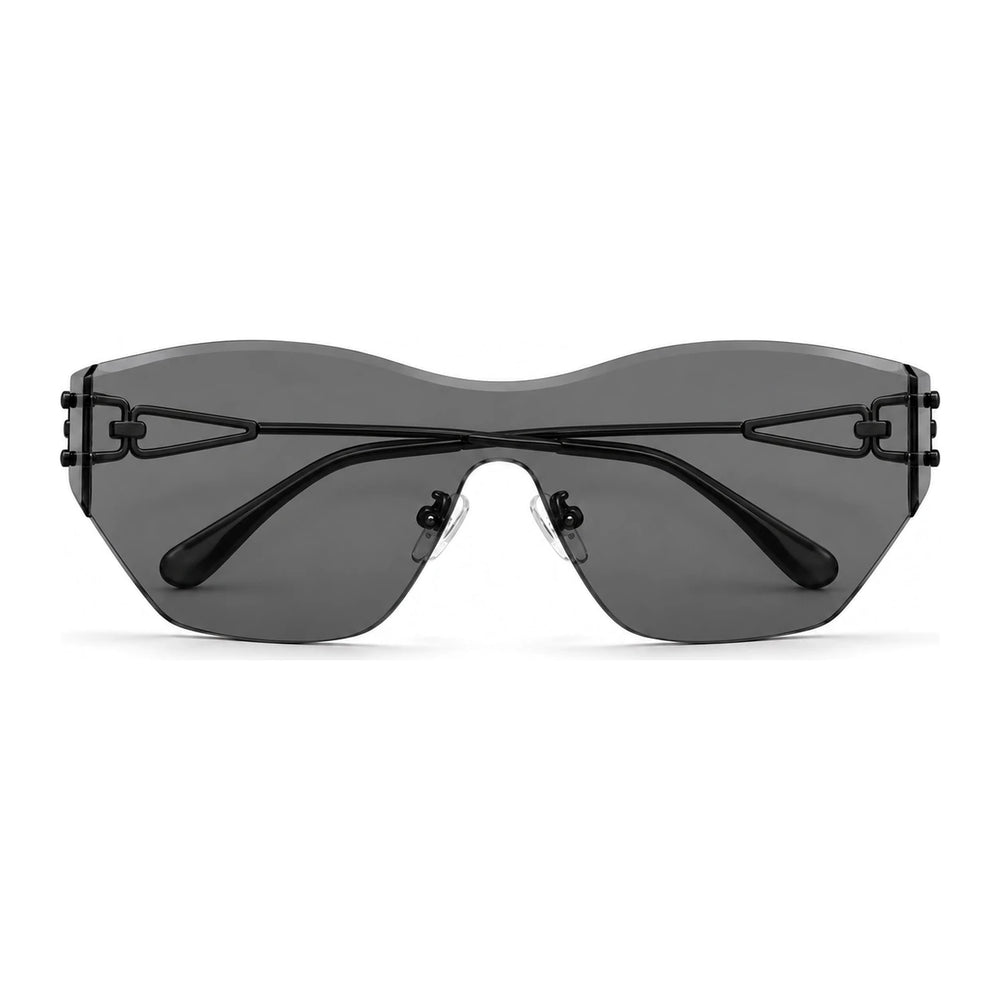
Bright light comes in from the sides as well as from the front. A large flat lens shades the front but leaves a gap at the temple; a lens that curves round closes much of that gap. That is the difference between high and low wrap in the table.
Vanguard and Flow are rimless shields with high wrap and 65 × 50 mm lenses: Vanguard on a 141 mm regular front, Flow on a 145 mm wide one. Pivot is a full-rim TR90 sport wrap with a shallower 42 mm lens, and it folds in half at the bridge. Glow's wrap is medium, but its 65 mm lens is the tallest we make, so it covers more above and below.
For a very wide face, Sprint ($238) is a curved one-piece shield with high wrap and the widest lens we make, 70 × 55 mm, Category 3, mirrored and polarized, on a 155 mm front with adjustable pads. Its temples are 130 mm, so compare them with a pair that fits you.
To check wrap on any pair, put it on and look at your profile in a mirror. With high wrap, the lens edge reaches round towards the temple; with a flat front, you see daylight between the lens and the side of your face.


Which tint: Category 2, photochromic or Category 3?
A very dark lens makes shade, shops and rooms feel dim, so it comes off and goes back on all day. Choose the category for your light instead.
- Category 2 for everyday light. A medium tint that lets through about 18–43% of visible light, so shade and indoor spaces do not feel too dim. Vanguard, Backbone and Flow.
- Photochromic if bright light feels harsh indoors and out. The lens darkens in UV outdoors, so you do not swap pairs at the door: Glow runs from a light Category 1 inside to Category 3, and Shift is a Category 2 lens. It changes less behind a car windscreen, which blocks much of the UV.
- Category 3 for bright, open sun. About 8–18% of visible light gets through: beaches, water, snow and long days outside. Pivot, or Sprint on a very wide face.
Polarization is a separate choice. It cuts reflected glare from roads, water and glass, but can make some phone, dashboard and head-up displays look dark at certain angles. Vanguard, Backbone, Pivot and Glow are polarized in every colour; Flow only in Noir Carbon; Shift in neither colour, so screens stay readable. More in photochromic vs polarized sunglasses and UV400 vs polarized.


Colour is personal. Grey keeps colours neutral in strong sun, brown and amber add warmth, and rose or gradient tints can feel softer: Backbone in Luminous Rose, Vanguard in Rose Quartz or Bronze Amber, Glow in Rose Amber. The lens colour guide covers every tint.
Sunglasses after PRK or cataract surgery
PRK: follow the instructions for your own procedure. For the sunglasses themselves, the four checks are the same as after LASIK.
Cataract surgery: your surgeon decides when you can wear ordinary sunglasses and which eyewear to use until then. After that, choose on the same checks. Shift (20 g, photochromic, not polarized) suits days split between indoors, screens and sun; Vanguard (22 g) gives the most side cover in a regular fit. Our sunglasses are non-prescription, so if you need a prescription outdoors, ask your optician about prescription sunglasses.
LASIK sunglasses or something else?
- Light feels harsh indoors as well as out: sunglasses for light sensitivity compares softer tints and indoor lenses.
- Petite face, 132 mm or less: our high-wrap frames start at 141 mm. Edge (124 mm, 24 g) has adjustable pads and medium coverage, with a Category 3 lens that is not polarized. See all petite sunglasses.
- Wide face, and temples press: Glow, Flow, Pivot and Shift are all in our wide-fit collection.
- Road glare is the main problem: every frame in our driving and travel collection is polarized in every colour.
- Weight matters most: all 25 frames ranked by weight, from 20 g.
FAQ
What are the best sunglasses after LASIK?
Pairs that pass all four checks: UV400, wrap that covers the sides, a Category 2 or photochromic tint, and 30 g or less. Vanguard (22 g, high wrap, Category 2) fits all four on a regular face; on a wide face, Flow (30 g) and Pivot (23.3 g) give the same high wrap. Backbone ($99, 22 g) costs less but sits flatter, with less side cover.
What about light sensitivity after LASIK?
Raise it with your surgeon first. If bright light simply feels harsh, a medium lens is often easier to live with than a very dark one: Category 2 (Vanguard, Backbone, Flow, or Shift, which is also photochromic) or a photochromic lens that runs from Category 1 indoors to Category 3 outside (Glow).
What sunglasses should you wear after cataract surgery?
Follow your surgeon's instructions first, including any eyewear they give you. For everyday outdoor pairs after that, use the same checks: Shift weighs 20 g, has photochromic Category 2 lenses and is not polarized; Vanguard weighs 22 g, with high wrap and Category 2 lenses polarized in all 4 colours.
How long does delivery take, and can I return them?
US orders usually arrive in about 10 days; our published estimate is 8–16 business days, including 1–3 days to prepare your order. You can return a pair within 30 days; for a fit or style return, you pay the return postage. Every frame has a 1-year warranty.
Final recommendation
For most people after LASIK, start with Vanguard ($159): UV400, high wrap, Category 2 lenses polarized in every colour, 22 g and adjustable pads. On a wide face, choose Flow in Noir Carbon or Pivot; if you move between indoors and out all day, Glow or Shift. Start wearing them when your surgeon says you can.

Collection
Polarized Sunglasses for Women
18 styles
Polarized lenses cut reflected glare from water, roads and glass. Some frames come in both polarized and non-polarized colours; the colour picker on each...