Polarized vs Non-Polarized Sunglasses: Which Lens to Buy
Choose polarized if glare off wet roads, water or car bonnets is what bothers you; choose non-polarized if you read LCD screens or instrument panels a lot, or want a colour that only comes non-polarized. A polarized lens has a filter that blocks the horizontally polarized light reflected from flat surfaces. UV protection is a separate feature: the frames below are UV400 whether or not they are polarized.
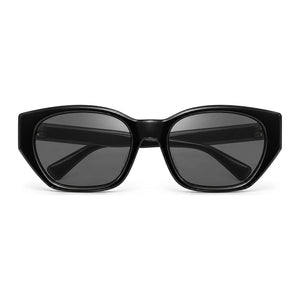
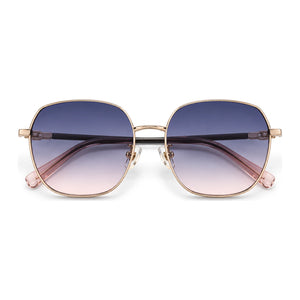
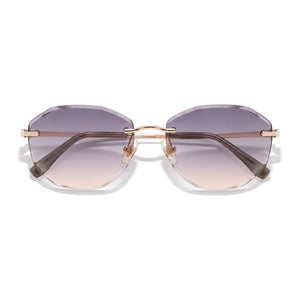
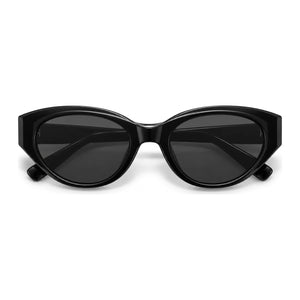
Polarization is set per colour, so check the colour you pick. Four to start with: Dune ($79, 129 mm, petite) and Luma ($99, 134 mm, regular), both polarized in every colour, and Noir ($99, 126 mm, petite) and Opal ($129, 131 mm, petite), which are not polarized in any colour.


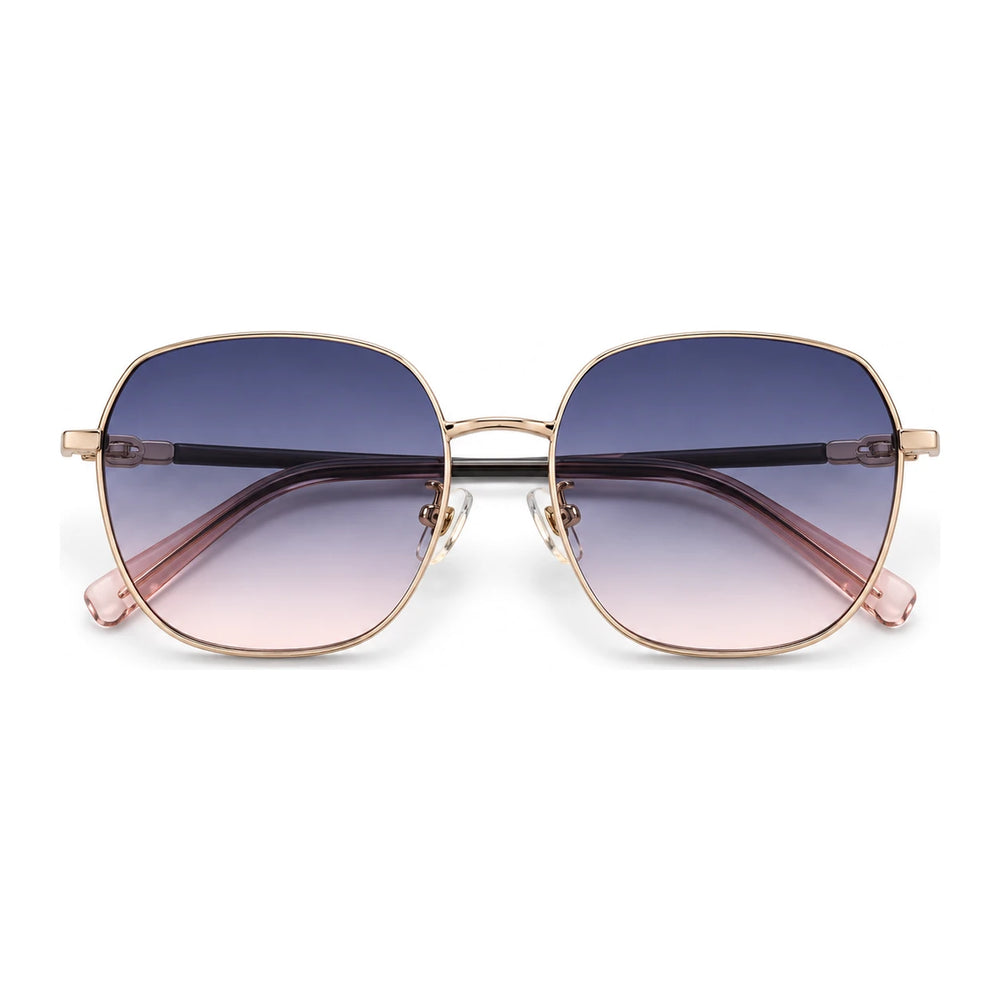


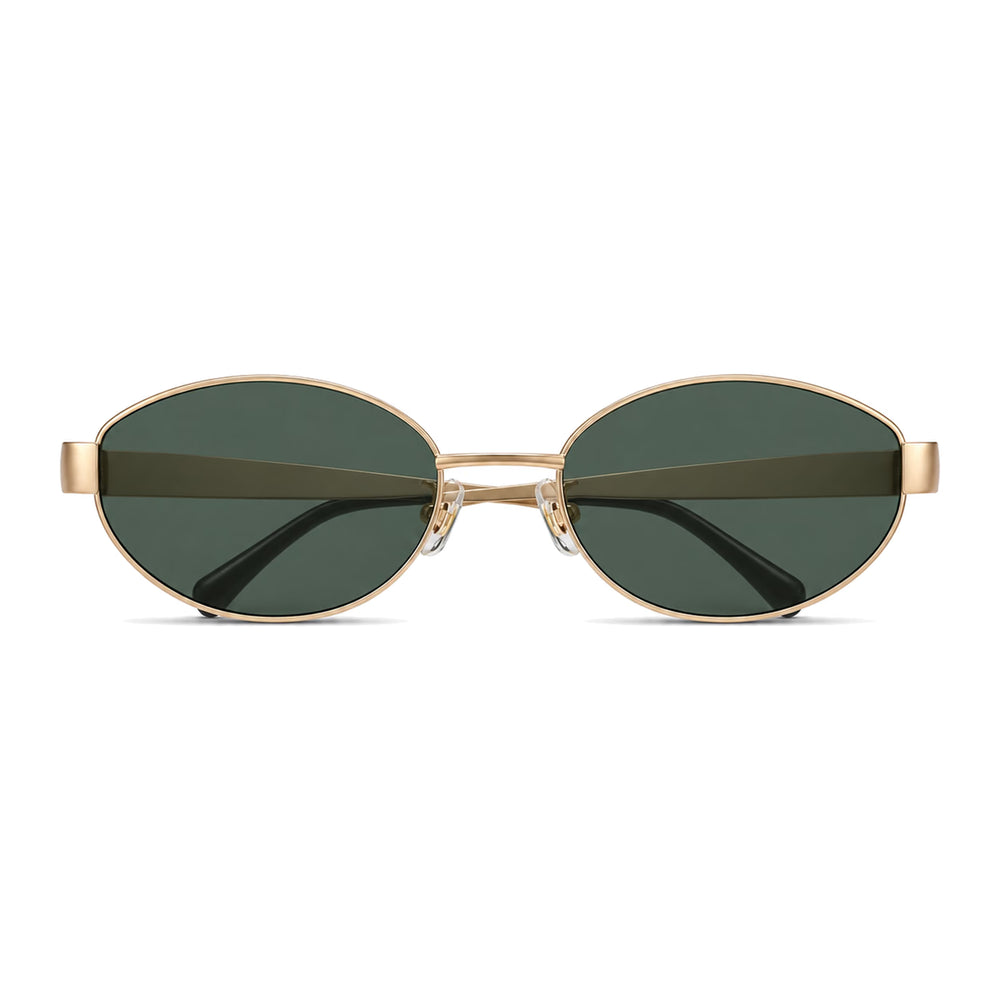


$99.00
Polarized vs non-polarized, side by side
The difference between polarized and non-polarized sunglasses is one filter in the lens. Everything else, from tint to UV protection, can be the same.
| Polarized | Non-polarized | |
|---|---|---|
| Glare off flat surfaces | Cut sharply: wet road, water, bonnets, glass | Only dimmed along with everything else |
| LCD and phone screens | Can look dark or patterned at some angles | Read normally at any angle |
| Head-up displays, instrument panels | May fade or disappear; test before you rely on them | Show as they do without sunglasses |
| How the view looks | Calmer, with less sparkle on reflective surfaces | Natural, with reflections left as they are |
| UV protection | Separate from the filter | Separate from the filter |
| Cost at BAPORSSA | From $79 | From $99 |
Polarization does not set the price at BAPORSSA. Backbone (polarized, $99) and Noir (not polarized, $99) cost the same; frame material, size and lens shape decide the rest.
Which of our frames are polarized?
Of our 25 frames, 13 are polarized in every colour, 5 in some colours only and 7 in none. That makes 52 of our 87 colours polarized and 35 not.
Polarized in every colour (13 frames)
Dune, Coco, Luma, Backbone, Air, Glow, Volt, Vanguard, Muse, Aurelia, Pivot, Mesa and Sprint.
Polarized in some colours (5 frames)
- Contour: polarized in Noir Carbon and Dusk Blush; not in Orchid Veil.
- Arc: polarized in Noir Carbon and Honey Amber; not in Orchid Veil.
- Lyra: polarized in Noir Carbon only; Noir Blush, Pewter Satin and Rose Copper are not.
- Flow: polarized in Noir Carbon only; Champagne Veil and Rose Quartz are not.
- Perla: polarized in Noir Carbon only; Tortoise Smoke, Cognac Amber and Pearl White are not. Perla is UV380, the one frame here that is not UV400.
Not polarized in any colour (7 frames)
Noir, Edge, Halo, Onyx, Opal, Facet and Shift. Shift has photochromic lenses instead, which darken in sunlight (photochromic vs polarized).


$129.00
Eight frames, measured
Front width is lens width × 2 + bridge, the sum of the size code: 132 mm or less is petite, 133–143 mm regular, 144 mm or more wide. Lens size is one lens, width × height. The eight frames below are UV400.
| Frame | Front + fit | Lens (W × H) | Weight | Polarized | Price |
|---|---|---|---|---|---|
| Dune | 129 mm, petite | 55 × 40 mm | 30 g | Every colour | $79 |
| Luma | 134 mm, regular | 57 × 55 mm | 25 g | Every colour | $99 |
| Backbone | 137 mm, regular | 59 × 42 mm | 22 g | Every colour | $99 |
| Aurelia | 140 mm, regular | 60 × 42 mm | 25.8 g | Every colour | $129 |
| Noir | 126 mm, petite | 53 × 40 mm | 32 g | No colour | $99 |
| Opal | 131 mm, petite | 56 × 39 mm | 26.5 g | No colour | $129 |
| Contour | 141 mm, regular | 62 × 57 mm | 28 g | Noir Carbon, Dusk Blush; not Orchid Veil | $99 |
| Halo | 145 mm, wide | 65 × 52 mm | 27.5 g | No colour | $129 |
Not sure of your width? Read the size code inside the arm of a pair that fits you: lens width × 2 + bridge is its front width. Front width decides petite, regular or wide.
Three questions that settle it
- Where do you wear them most? Near water, on the road or in a car in strong sun, polarized earns its place. On city streets or in a cockpit, the filter does less.
- What do you look at through them? If it is a phone, a satnav or a display, hold your screen up with the pair on before you commit. Our return window is 30 days, but return postage for a change of mind is yours.
- Does a particular colour matter more? Several of our colours come non-polarized only, so decide whether the filter or the shade comes first.
When polarized is the wrong choice
Polarized is a filter for one job, cutting reflected glare. It costs you something in three cases.
- You read screens through the lenses. Phones, tablets, satnav displays and some car centre screens can look dark or striped at certain angles. Turning the screen or tilting your head changes it. More in why screens look black through polarized lenses.
- You fly, or look at instrument panels and head-up displays. Many pilots choose non-polarized lenses because LCD instruments can fade or show patterns through a polarized filter. If your car has a head-up display, test in the driver's seat first.
- Your colour is not polarized. Contour and Arc in Orchid Veil, Lyra in Pewter Satin or Perla in Pearl White are examples. If the colour matters more than the filter, a non-polarized pair is a fair trade.
For plain bright days with no screens involved, the filter is the more useful of the two features. See our ranked polarized picks.
Polarized or non-polarized? Where to go next
- You want to check a pair you already own: the polarized test guide has five tests, including one with only a phone.
- You mainly drive: read sunglasses for driving, or browse driving and travel frames.
- You are unsure what UV400 adds: UV400 vs polarized separates the two.
- Your light changes through the day: compare with photochromic lenses.
- You want a wide, non-polarized frame: wide-fit frames with no polarized colour are Halo and Shift; Lyra, Flow and Arc also come in colours that are not polarized.
FAQ
Is polarized better than non-polarized?
Neither is better in general. Polarized does one thing better: it cuts glare from flat surfaces. Non-polarized does another: it shows screens and instruments without a filter in the way. 13 of our 25 frames are polarized in every colour, and 7 are not polarized in any.
Are non-polarized sunglasses UV400?
Yes, for the seven frames with no polarized colour: Noir, Edge, Halo, Onyx, Opal, Facet and Shift carry UV400 lenses. Polarization and UV protection are separate, so check the product page for each pair; Perla, for one, is UV380.
What is the cheapest polarized pair?
Dune, at $79, is polarized in all four colours and has a 129 mm petite front. For a regular face, Luma and Backbone are $99 and $99, also polarized in every colour.
Can I return a pair if I choose the wrong lens?
Returns are open for 30 days. You pay return postage for a change of mind or fit, and every frame has a 1-year warranty. US orders usually arrive in about 10 days; the published estimate is 8–16 business days, including 1–3 to prepare.

Collection
Polarized Sunglasses for Women
18 styles
Polarized lenses cut reflected glare from water, roads and glass. Some frames come in both polarized and non-polarized colours; the colour picker on each...