
Blue light sunglasses are not the same as clear computer glasses. Outdoors, blue light sits inside normal daylight. It can make distance look hazy, make bright scenes feel flat, and reduce contrast when sunlight scatters through the air. A good sunglass lens does not just make the world darker. It manages UV, glare, visible light, and lens color so your view feels calmer and your face still looks open.
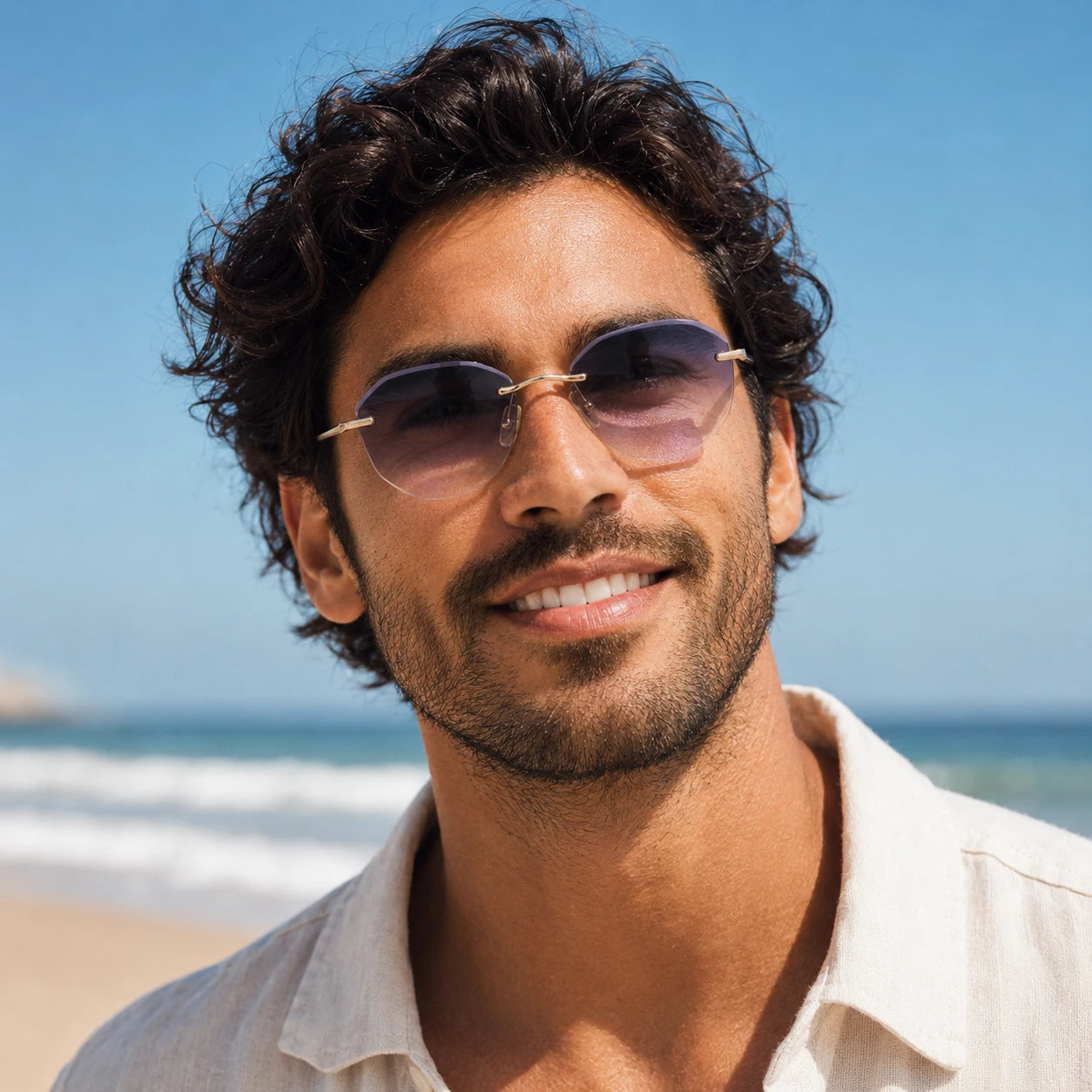
For BAPORSSA, the best route is simple: start with UV400 protection, add glare control when the day includes road, water, or glass reflection, then choose a lens color that matches how you want the light to feel. Bronze and brown can add warmer contrast. Gray and green keep color more neutral. Gradient lenses soften the eye area and keep the face from looking covered.
This guide is for outdoor blue light, HEV light, UV400 protection, polarized lenses, and lens color. It is not medical advice. If you have eye disease, strong light sensitivity, or sudden vision changes, speak with an eye-care professional.
Quick answer: do sunglasses block blue light?
Some sunglasses reduce part of the visible blue-light range, especially warmer bronze, brown, amber, or copper-style lenses. But blue light blocking is not the first thing to check. For outdoor sunglasses, UV400 protection comes first. Then look at glare control, lens color, fit, and how the frame sits on your face.
A dark lens without proper UV protection is not enough. Darkness changes comfort. UV protection handles a different job.
BAPORSSA route: use The Vision Lab to understand the lens basics, then choose the product route by your real use case: driving, travel, water glare, or everyday bright light.
Blue light outdoors vs blue light from screens
When people hear blue light, they usually think about phones and laptops. That is only one part of the topic. Outdoors, the sun is the main source of visible blue light you meet in daily life, and the intensity is much higher than a screen at normal viewing distance.
That does not mean every outdoor blue-light claim should sound medical. The useful shopping question is more practical: does the lens make bright daylight easier to read?
For sunglasses, blue light matters because it is short-wavelength visible light. It scatters easily in the atmosphere. That scattered light can make distant views look hazy, especially around roads, open water, pale stone, snow, and bright horizons.

UV400 vs blue light: what is the difference?
UV and blue light are close on the spectrum, but they are not the same.
| Light type | What it means | What to check on sunglasses | Why it matters |
|---|---|---|---|
| UV light | Invisible ultraviolet light | UV400 or 100% UVA/UVB protection | Outdoor eye protection should start here. |
| Blue / HEV light | High-energy visible light near the blue-violet range | Lens tint and visible-light filtering | Can affect contrast, haze, and how harsh daylight feels. |
| Glare | Reflected light from roads, water, glass, snow, or pale surfaces | Polarized lens when reflection is the problem | Helps bright surfaces feel calmer and easier to read. |
| Brightness | Overall visible light intensity | Lens category and tint depth | Controls how dark or open the view feels. |
If the label only says blue light, that is not enough for outdoor sunglasses. A better checklist is: UV400 first, then tint color, polarization if you face reflection, and a frame that you will actually keep wearing.
Related guide: UV400 vs Polarized vs Non-Polarized Sunglasses.
Why blue light can make distant views look hazy
The cleanest way to understand outdoor blue light is to look at the sky. NASA explains that blue light scatters more than other colors in Earth’s atmosphere because it travels in shorter, smaller waves. That is why the sky usually looks blue.
The same basic idea helps explain why distant hills, roads, or bright horizons can look washed out. Shorter blue wavelengths scatter through the air and create a veil of light between your eye and the scene. A contrast-enhancing tint can reduce some of that blue cast, so edges feel a little clearer and the view feels less flat.

That does not mean every bronze lens is automatically better. Lens quality, UV protection, tint depth, polarization, and fit all matter. But lens color is one of the reasons two sunglasses can feel very different in the same sunlight.
Lens colors that improve outdoor contrast
Lens color changes more than the way sunglasses look in photos. It changes how the scene feels to your eyes.
| Lens color | Best for | Visual effect | BAPORSSA route |
|---|---|---|---|
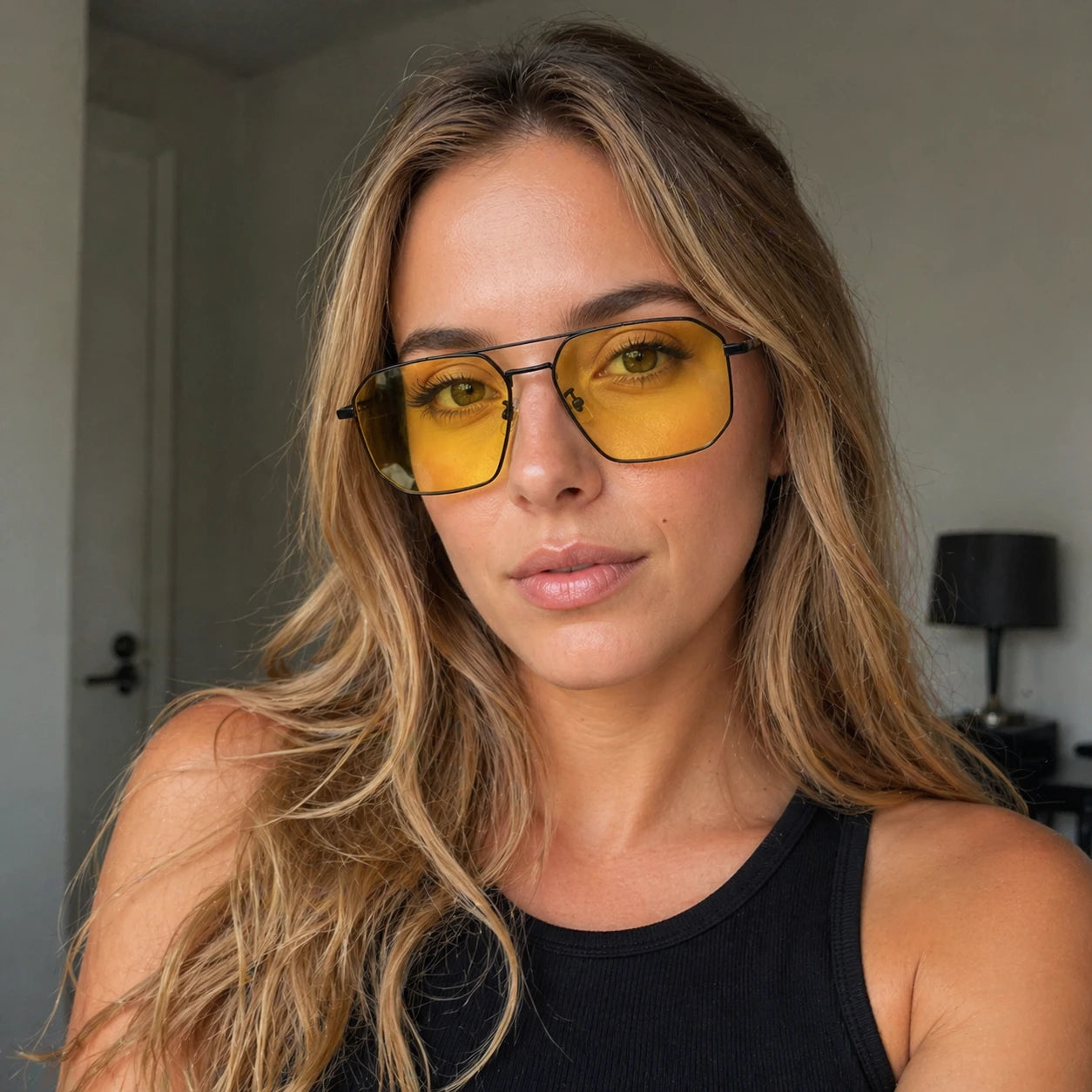
| Bronze / brown | Bright haze, road light, open outdoor scenes | Warmer contrast and less flatness | Vanguard Bronze or brown-toned gradient styles |
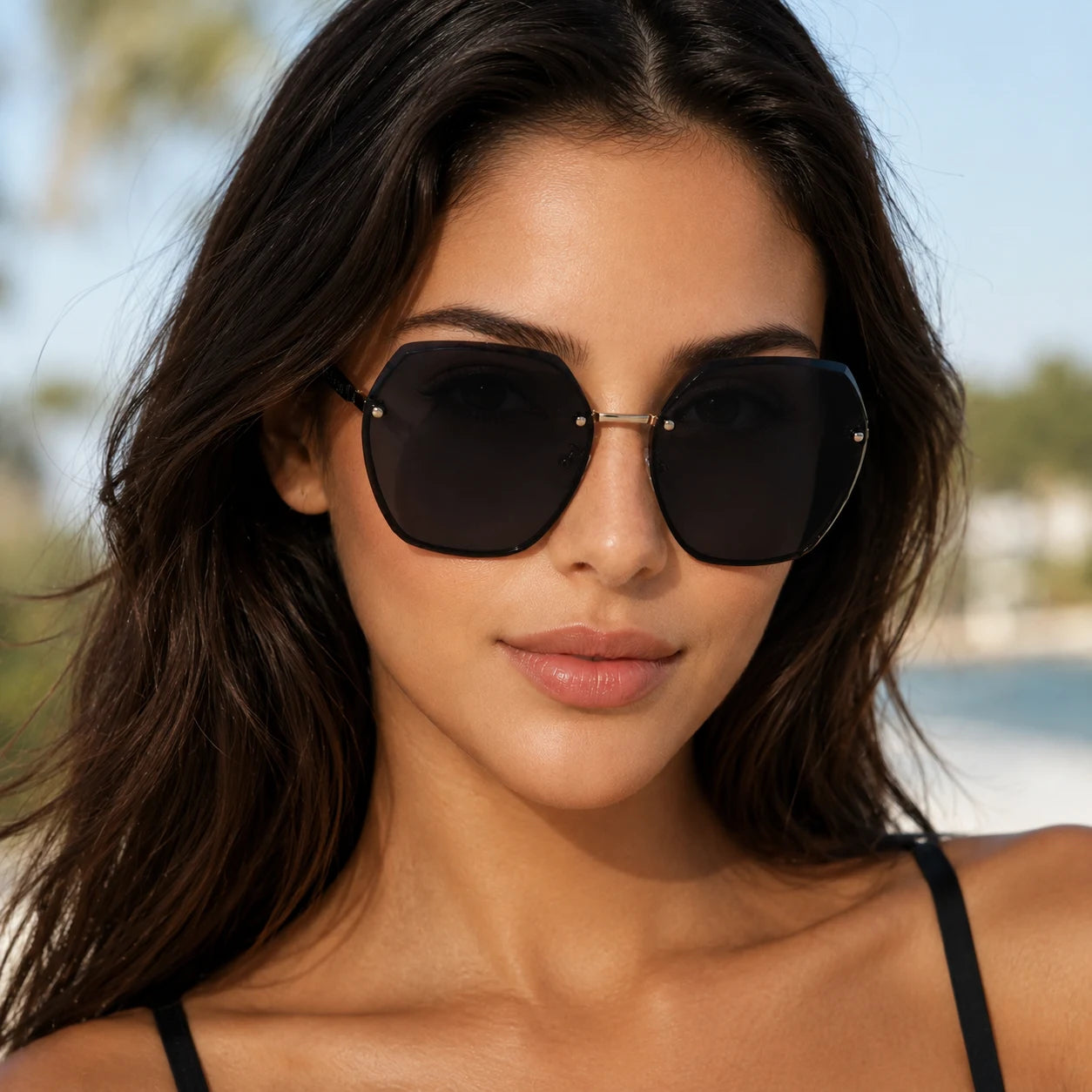
| Gray / smoke | Strong sun when you want a neutral view | Reduces brightness without warming the scene too much | Shift Gray, Flow Black, dark neutral lenses |
| Green / teal | Daily light, travel, mixed city light | Balanced color with a softer fashion effect | Muse Gradient Teal or Luma Gradient Teal |
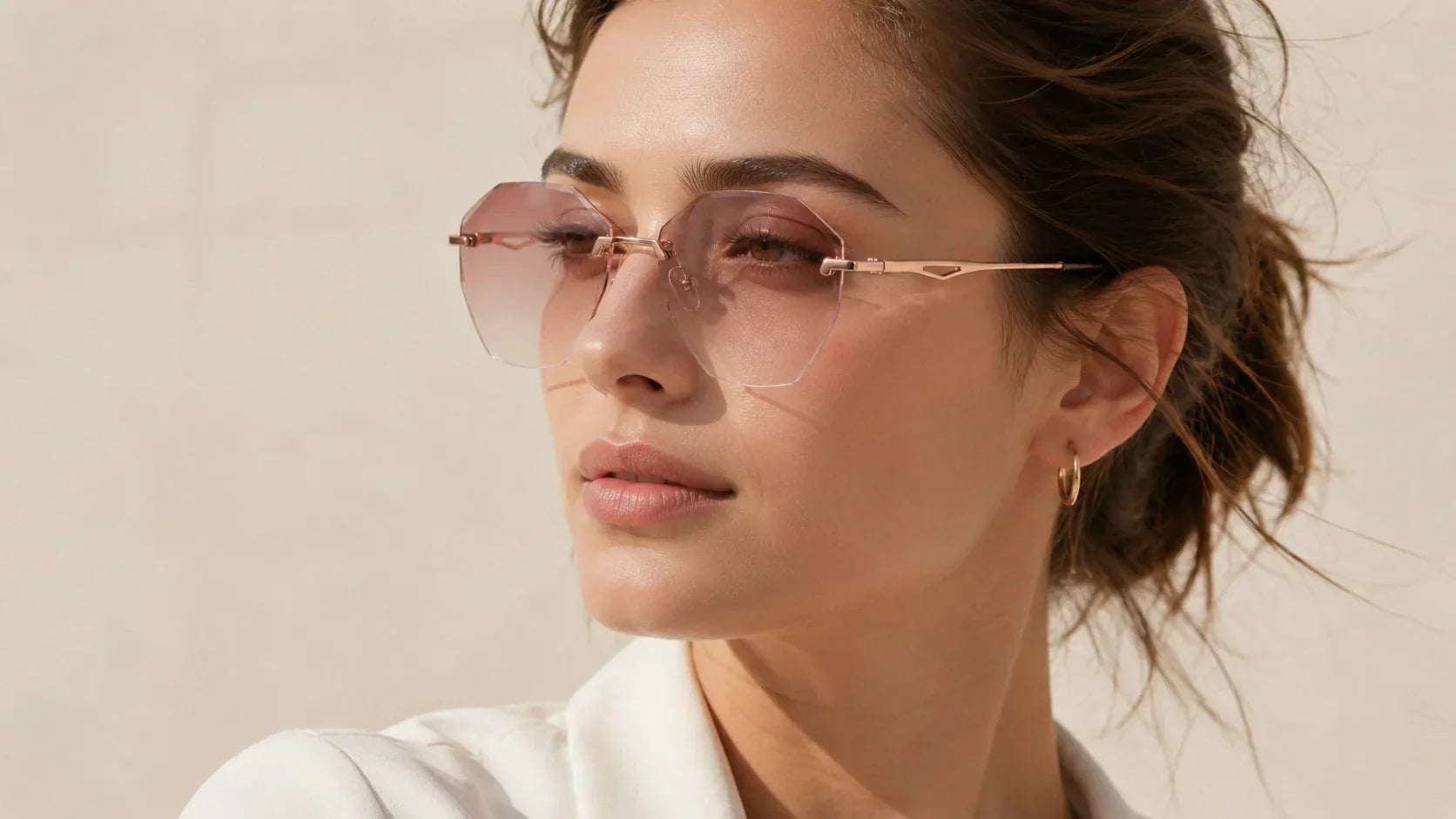
| Rose / pink gradient | Photos, soft face effect, bright casual days | Softens around the eyes and keeps the face looking open | Backbone Luminous Rose, Glow Gradient Gray Pink |
| Blue tint | Style-first looks | Cooler visual tone, usually not the strongest contrast choice | Use when the styling matters more than warm contrast |
Polarized lenses solve a different problem: reflection
Blue-light filtering and polarization are often mixed together, but they solve different problems.
A warm tint can help the scene feel less hazy. A polarized lens is more specific: it reduces reflected glare from flat bright surfaces such as water, wet roads, windshields, pale pavement, and snow. If you drive often, walk near water, or spend time around strong reflected light, polarization usually matters more than a blue-light claim.
BAPORSSA route: choose Driving & Travel sunglasses when glare is part of the day. Choose rimless gradient sunglasses when your priority is lighter wear, softer face effect, and everyday bright light.

BAPORSSA product route by lens goal
The right pair depends on the light you meet most often.
| Your main light problem | Best lens route | Start with | Why it fits |
|---|---|---|---|
| Driving glare and changing sunlight | Photochromic + polarized direction | Shift | Made for driving, commuting, and light that changes during the day. |
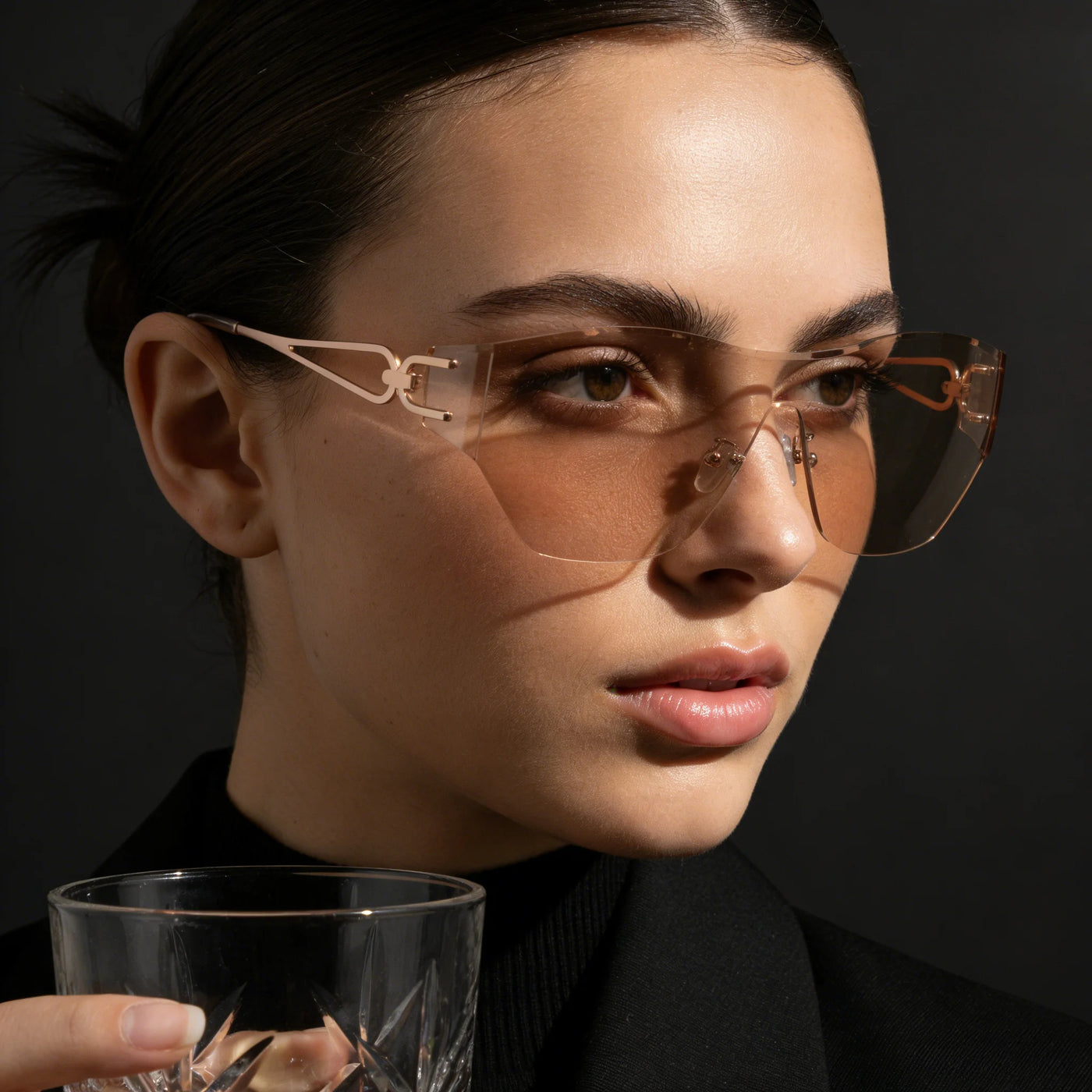
| Strong reflection from water, road, or vacation light | Polarized shield coverage | Flow | Wider rimless shield shape with glare control and less boxed-in face effect. |
| Warm contrast in bright outdoor light | Bronze or brown-toned lens | Vanguard Bronze | Good when you want more visual presence and a calmer bright-day view. |
| Soft face effect in everyday sun | Gradient rimless lens | Backbone | The first pair to try for less frame, cleaner face, and soft coverage. |
| Light daily wear with a lower-pressure feel | Gradient lens + adjustable fit | Glow or Luma | Useful when fit, nose pads, and long wear matter as much as lens color. |
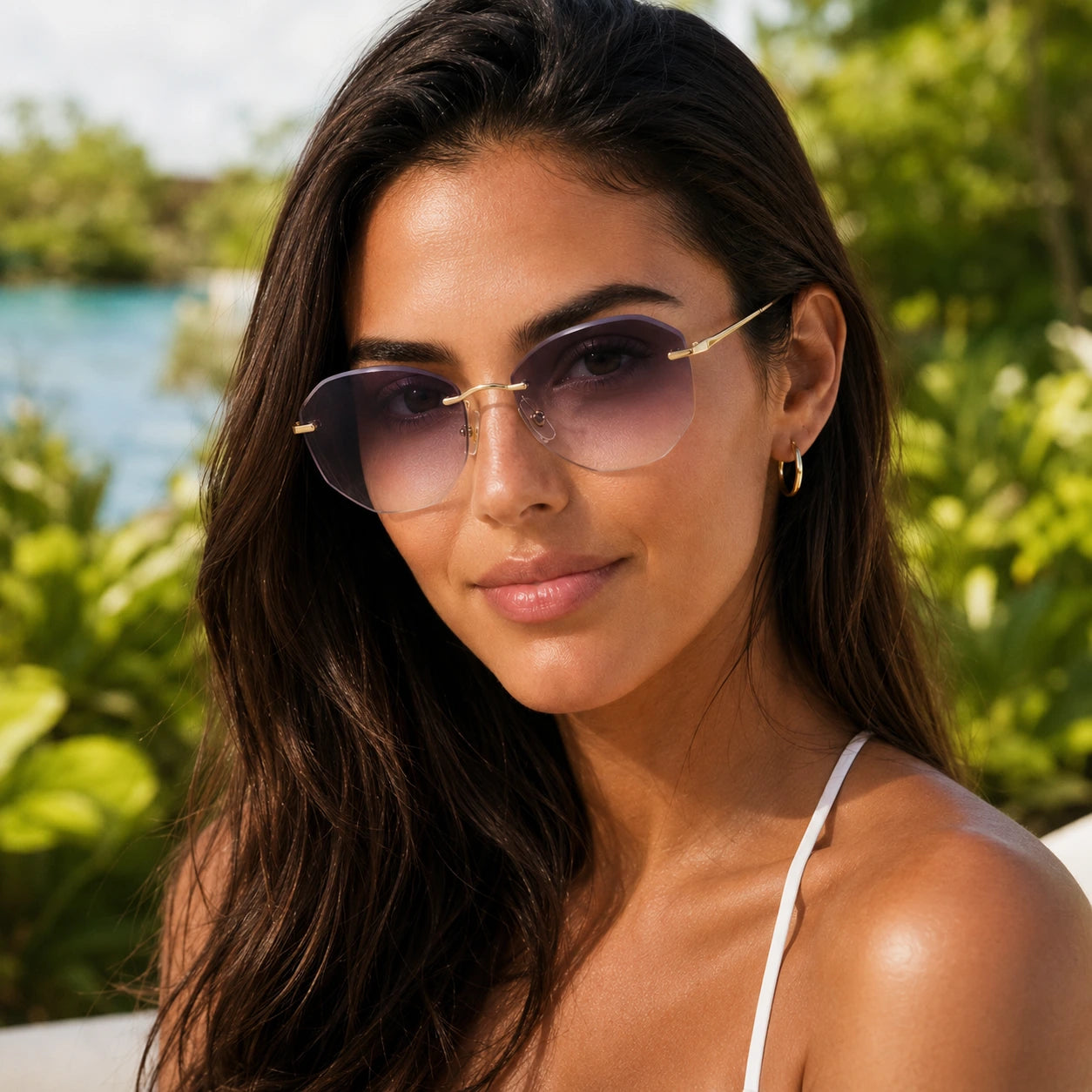
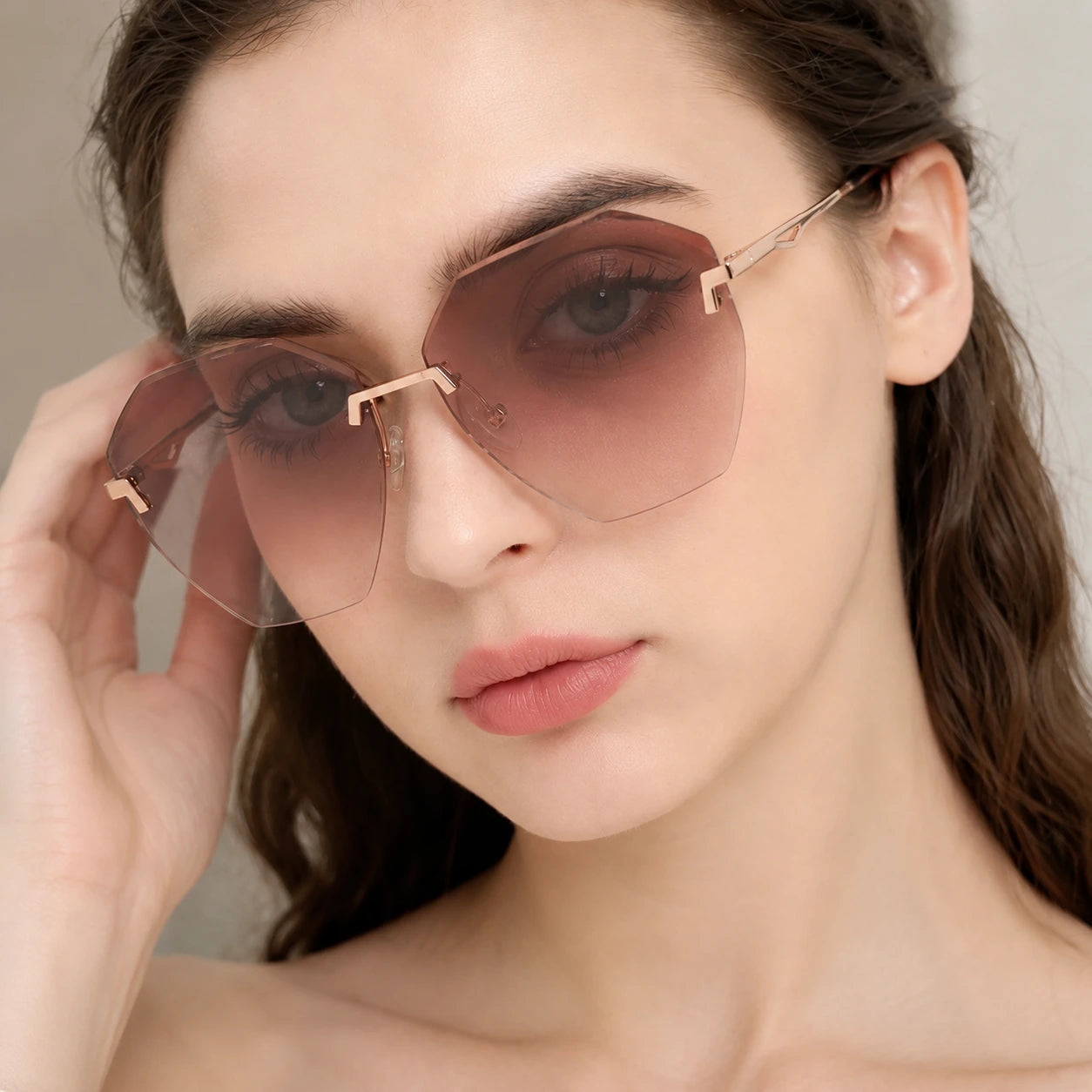

When a gradient lens makes more sense than a dark lens
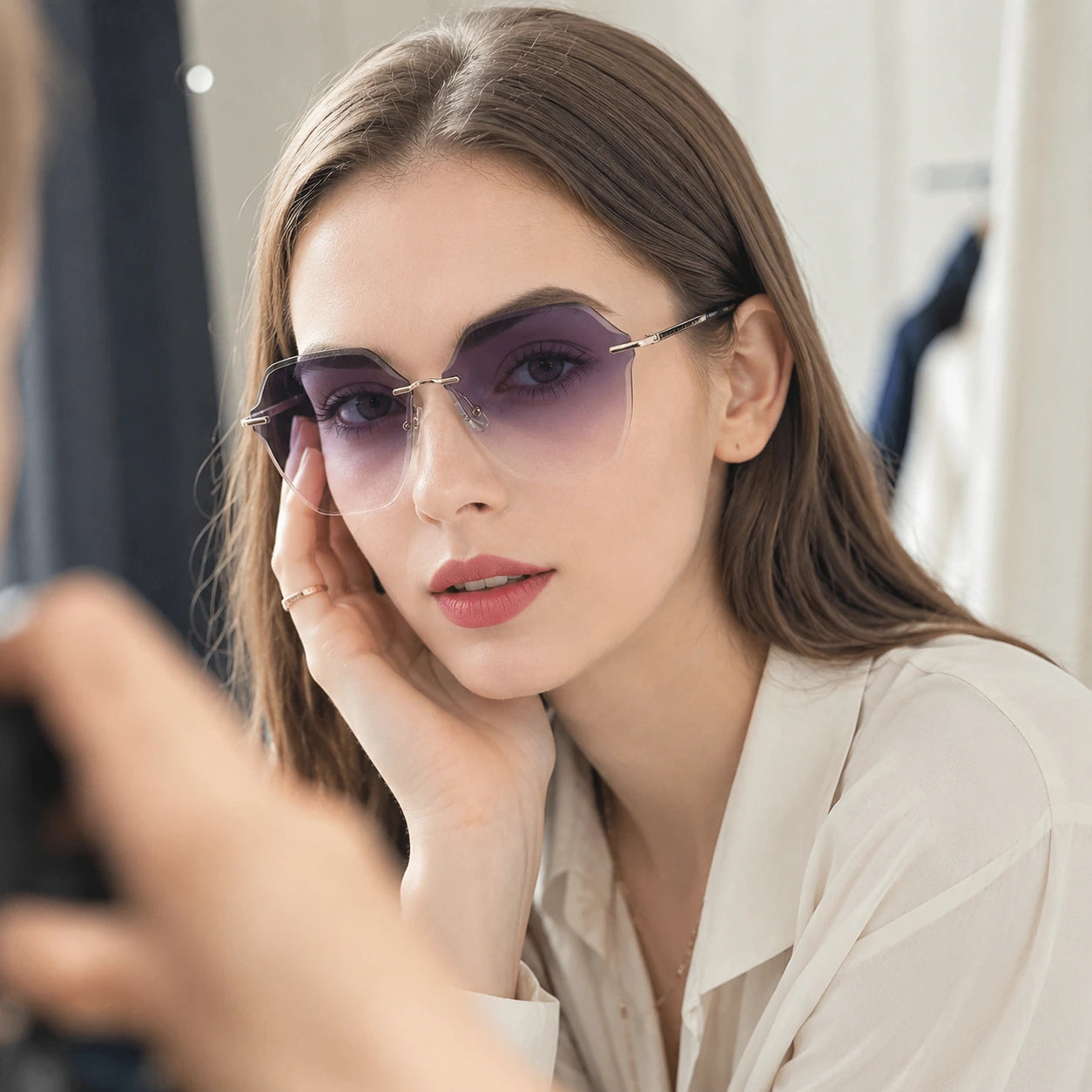
A dark lens can be useful in strong sun, but it is not always the most flattering or the easiest to wear all day. For daily bright light, a gradient lens can feel more natural because the upper part shades the eyes while the lower part keeps the view more open.
The face result matters too. A heavy dark lens can turn the eye area into one flat block. A soft-focus gradient keeps more of your features visible, softens around the eyes, and works better with light makeup or no-makeup days.
This is where BAPORSSA’s rimless-first look is strongest: less frame, cleaner face, and enough lens to make bright light feel easier.
Related guide: How to Wear Sunglasses Without Ruining Makeup.
How to choose blue light sunglasses without overbuying the claim
Use this order:
- First, check UV400. Outdoor sunglasses should protect against UVA and UVB exposure.
- Then decide if glare is the real problem. If you struggle with road, water, snow, or windshield reflection, look at polarized lenses.
- Choose the lens color by how you want the light to feel. Bronze and brown feel warmer. Gray and green feel more neutral. Gradient lenses feel softer on the face.
- Do not ignore fit. A lens can be technically good and still fail if the frame slips, pinches, or sits too low.
If you are unsure, start with the pair that matches your most common day. Shift for driving. Flow for reflected glare. Vanguard Bronze for warm outdoor contrast. Backbone for the cleanest everyday face result.
Related guides for outdoor blue light
If your search started with blue light sunglasses, these related guides help you check the full lens route before you buy.
| If your main question is... | Read this next |
|---|---|
| UV protection vs visible light | UV400 vs Polarized vs Non-Polarized Sunglasses |
| Which tint feels best outdoors | Sunglasses Lens Color Guide |
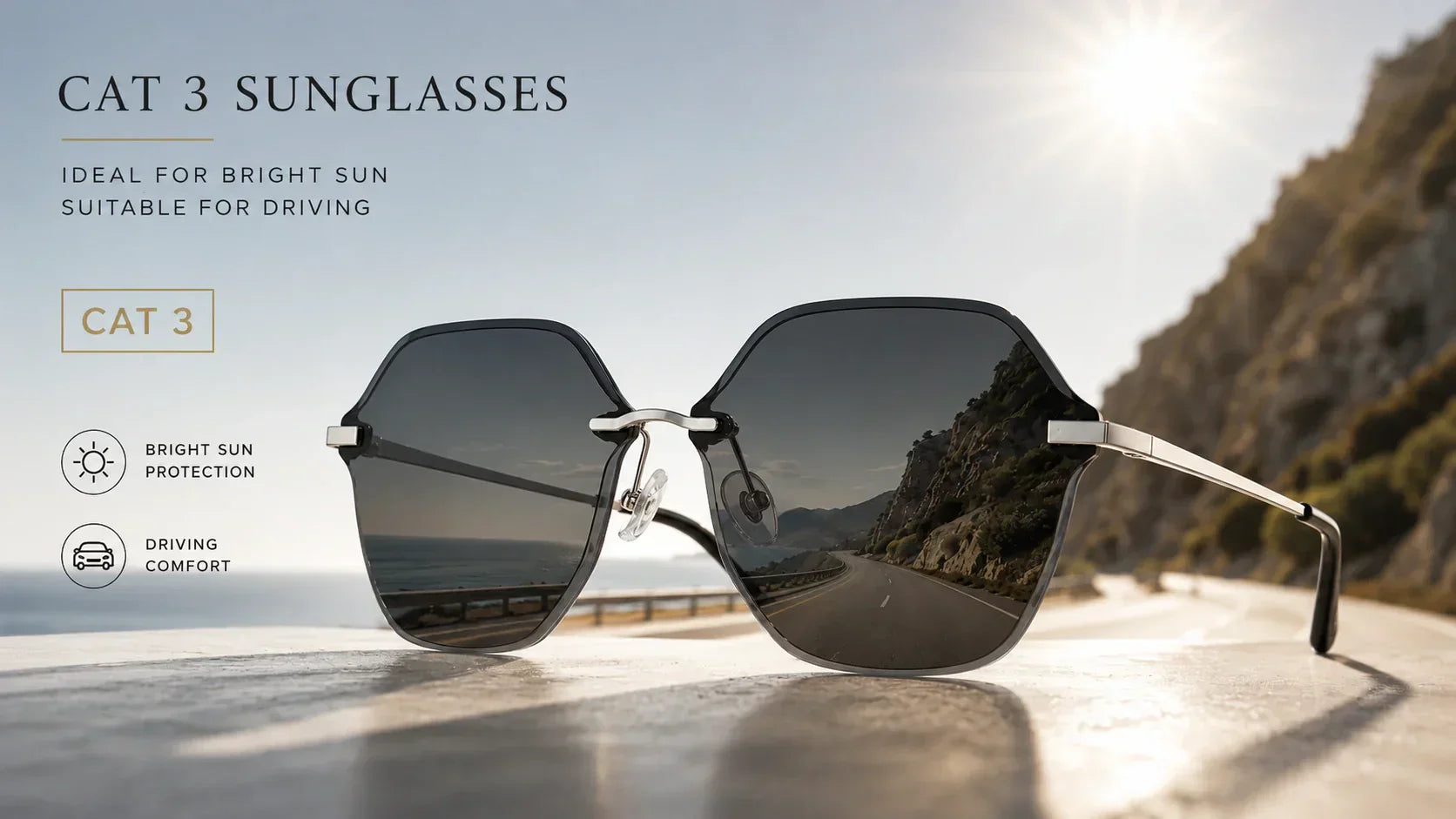
| How dark the lens should be | What Cat 3 Means on Sunglasses |
| Bright light feels uncomfortable | Best Sunglasses for Light Sensitivity |
| You need outdoor travel or trail use | Best Hiking Sunglasses for Women |
Sources and references
- NASA Space Place: Why Is the Sky Blue?
- Review of Optometry: The Lowdown on Blue Light
- American Macular Degeneration Foundation: Ultraviolet and Blue Light
FAQ
Do blue light sunglasses work outdoors?
Some sunglasses reduce part of the visible blue-light range, especially warmer bronze, brown, amber, or copper-style tints. For outdoor use, do not judge the pair by blue-light language alone. Start with UV400 protection, then look at glare control, tint color, and fit.
Is UV400 the same as blue light protection?
No. UV400 refers to ultraviolet protection up to 400 nm. Blue light is visible light, so it is a different part of the lens conversation. A strong outdoor pair should start with UV protection, then manage brightness, glare, and visible-light comfort.
Are polarized sunglasses better than blue light sunglasses?
They solve different problems. Polarized sunglasses are better when reflected glare is the issue, especially around roads, water, wet pavement, snow, and glass. Blue-light or HEV language is more about visible-light filtering and contrast.
Which lens color is best for outdoor blue light and haze?
Bronze, brown, amber, and copper-style lenses usually give the strongest warm contrast effect. Gray and green are better when you want a more neutral color view. Gradient lenses are useful when you want softer coverage and a cleaner face look.
Are bronze lenses good for driving?
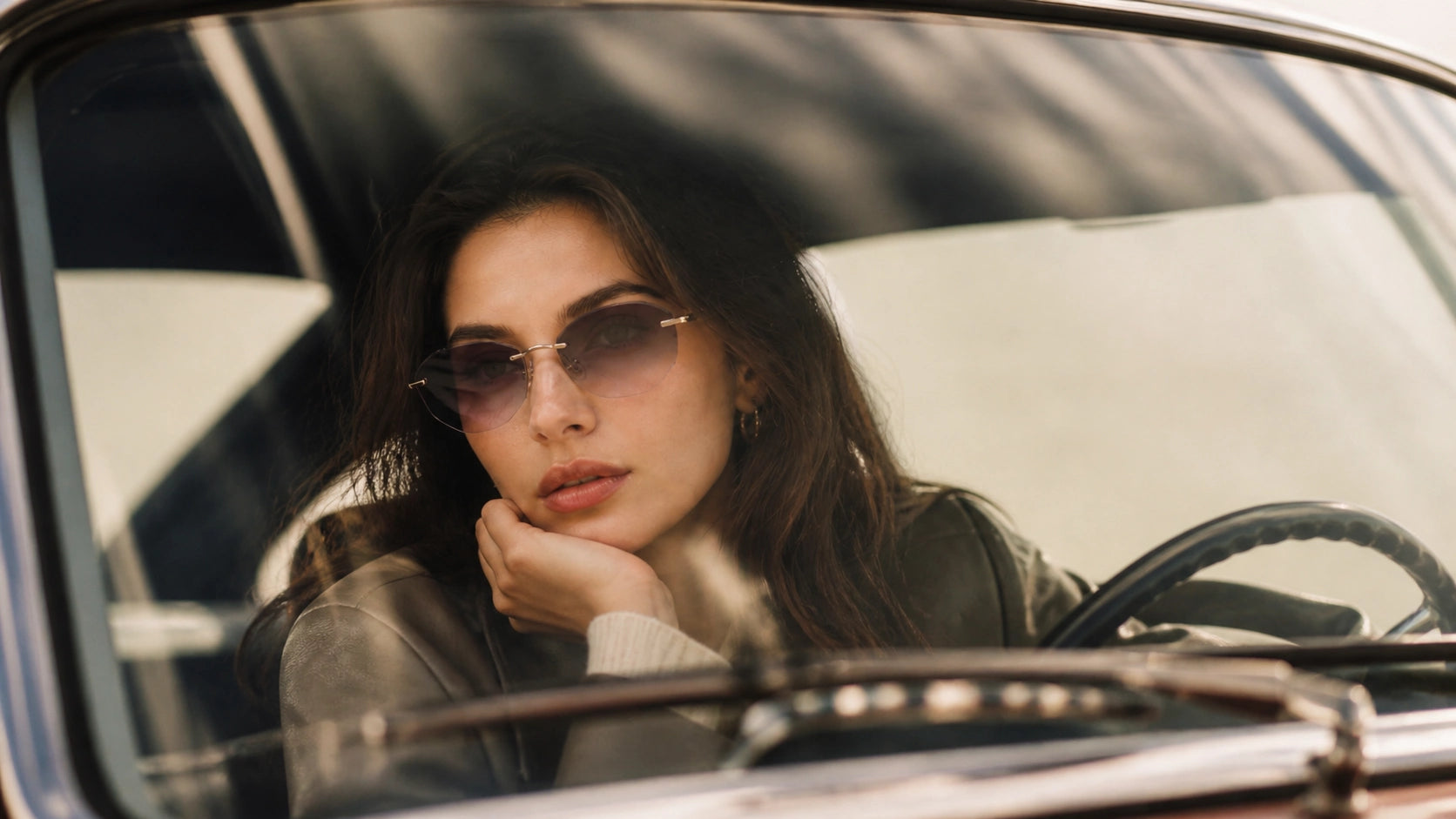
Bronze and brown lenses can feel comfortable for daytime driving because they add warmth and contrast. For driving, also check whether the lens is suitable for the light condition, whether it is too dark, and whether polarization affects any dashboard or screen visibility.
Can blue light sunglasses replace computer glasses?
No. Sunglasses and clear computer glasses are designed for different lighting environments. Sunglasses are made for outdoor brightness, UV protection, glare, and tint comfort. Clear blue-light glasses are usually made for indoor screen use.
Which BAPORSSA pair should I start with?
Choose Shift if you drive often or move through changing light. Choose Flow if glare from water, road, or vacation light is the main issue. Choose Vanguard Bronze for stronger outdoor contrast. Choose Backbone or Glow if you want a softer gradient lens and a cleaner face look.
Final takeaway
Blue light sunglasses are worth understanding, but the smarter buying path is broader than one claim. For outdoor light, check UV400 first. Add polarization if glare is the problem. Choose lens color by the kind of clarity you want.
Then look in the mirror. The right pair should make the light feel calmer without making your face feel hidden.
Shop Driving & Travel sunglasses for glare and changing sunlight, or start with rimless gradient sunglasses for less frame and a cleaner face look.