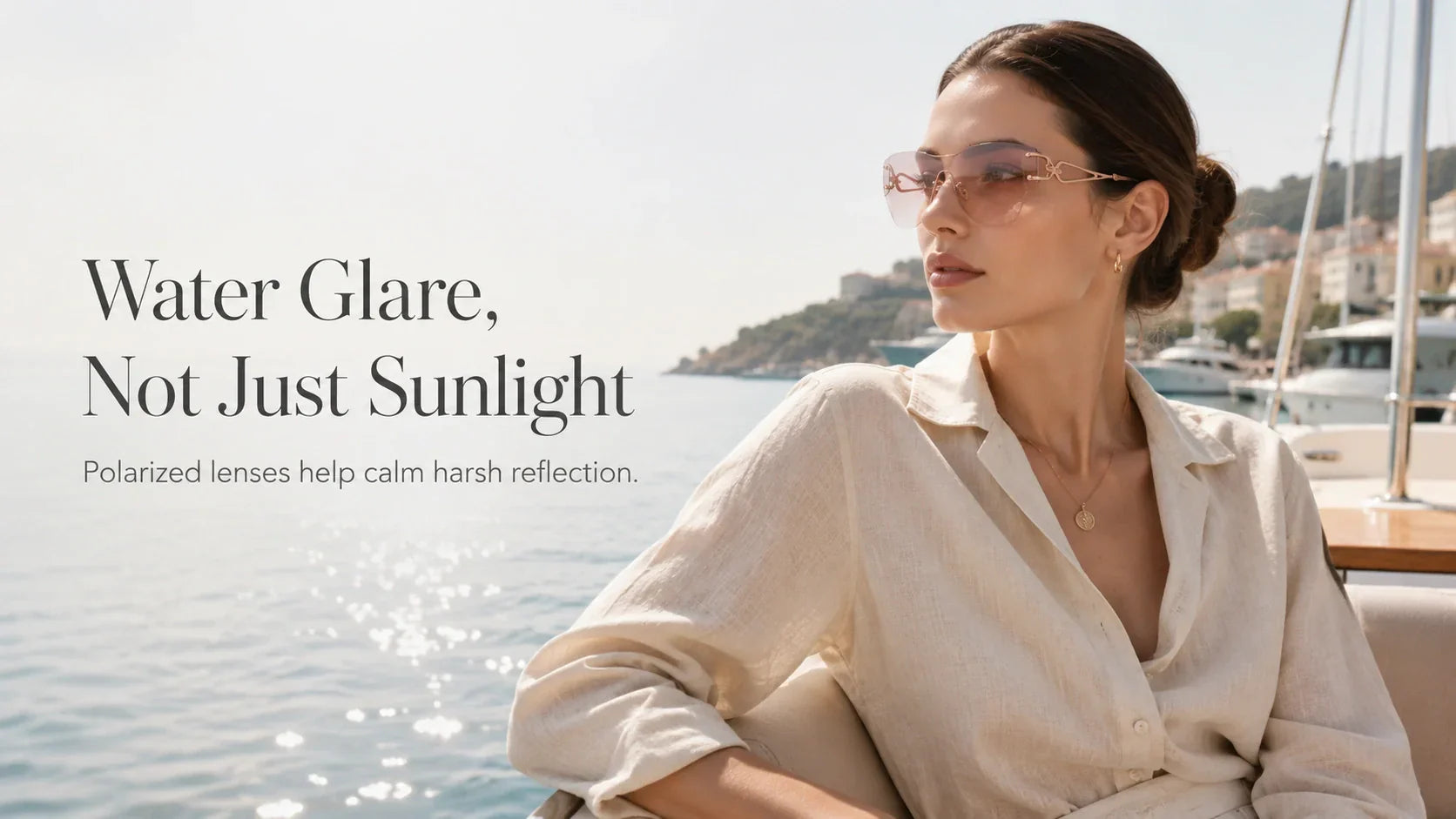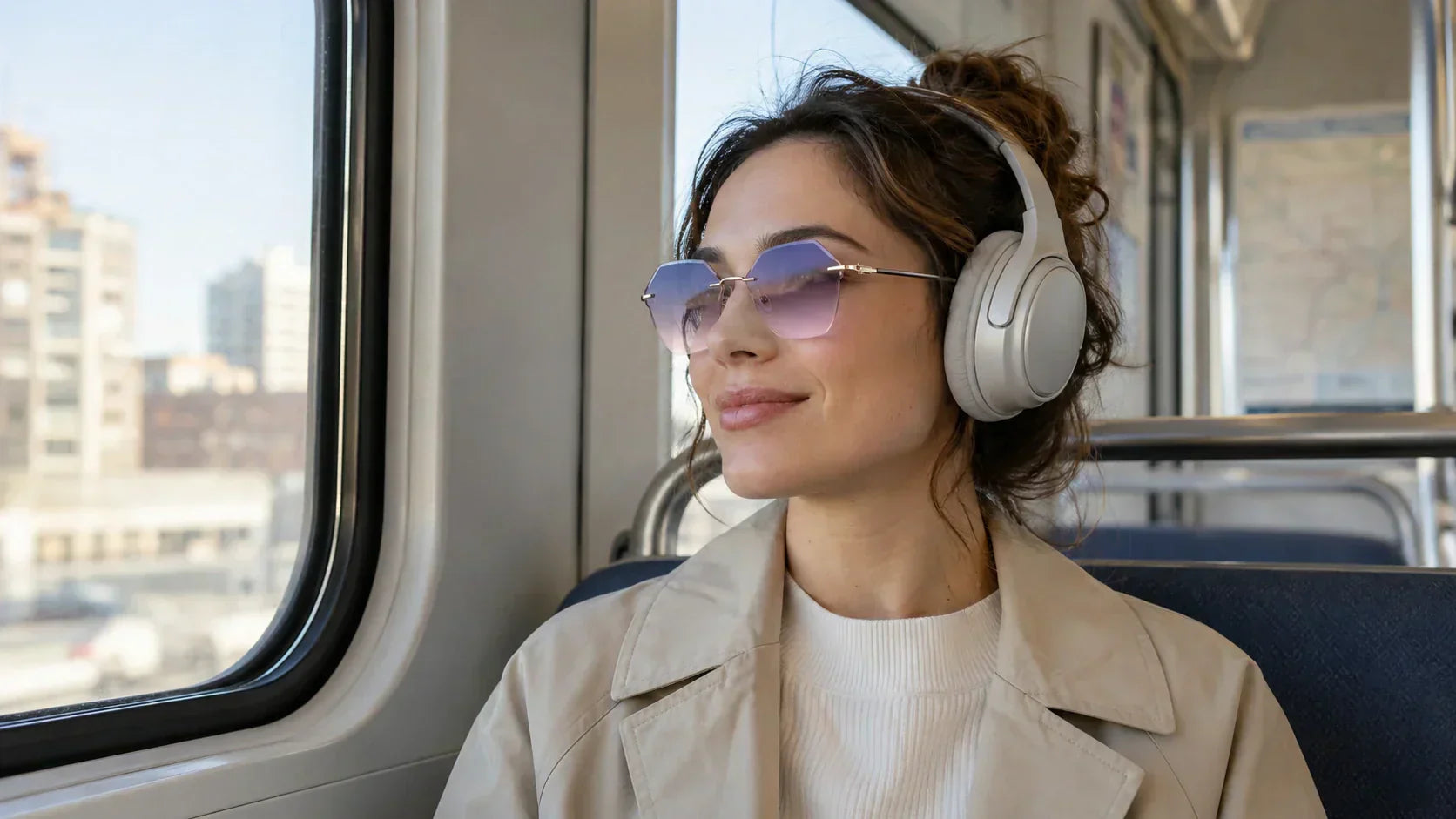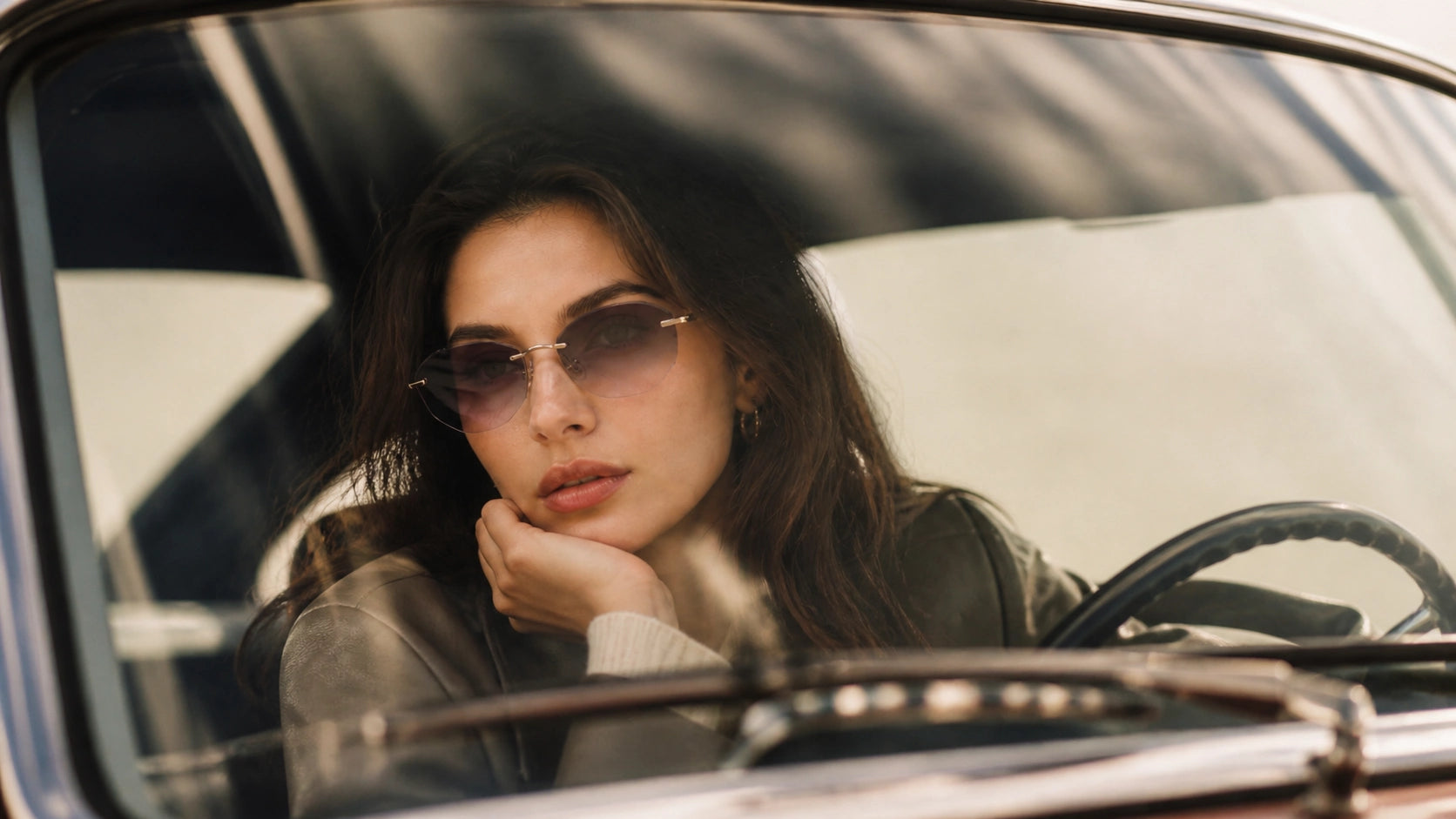
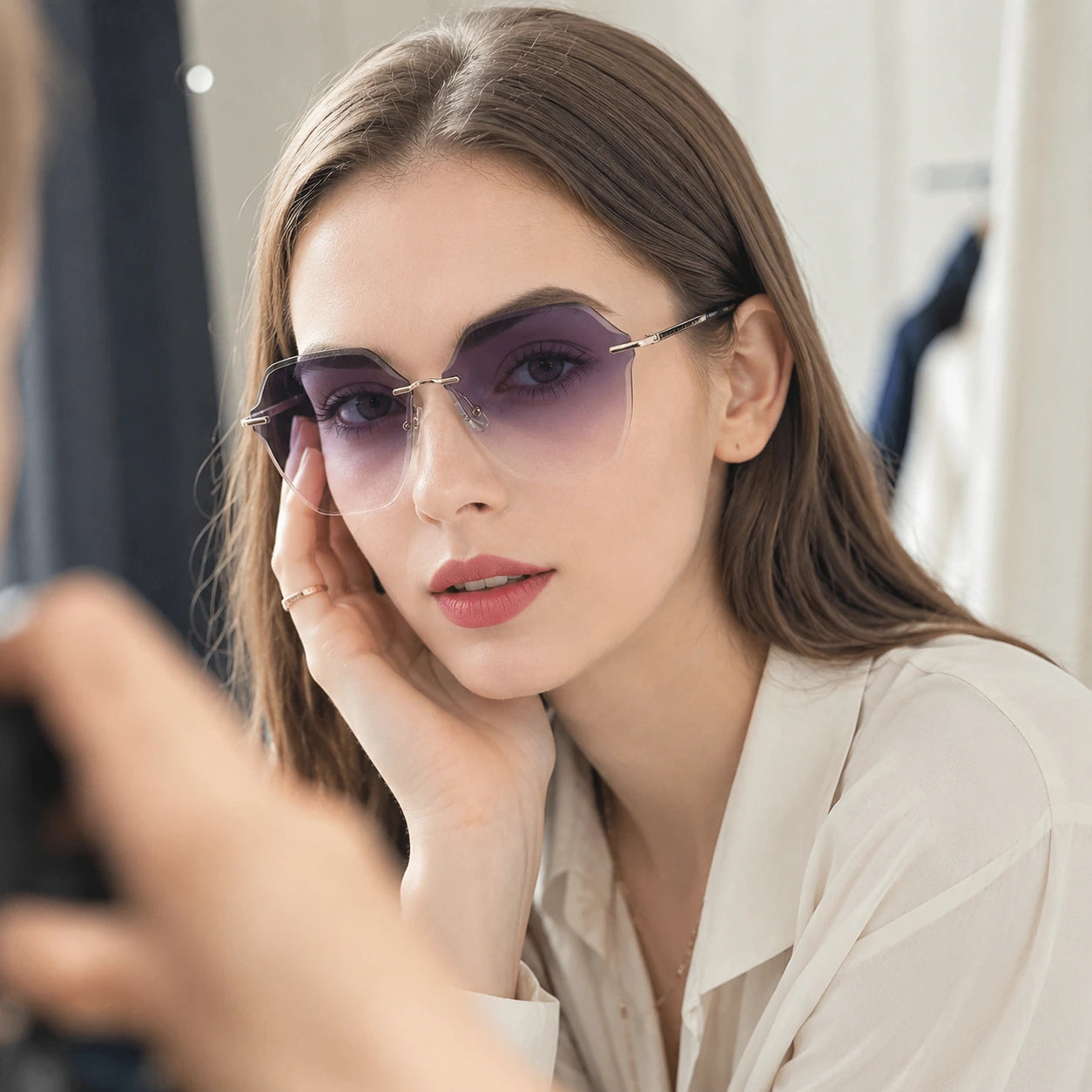
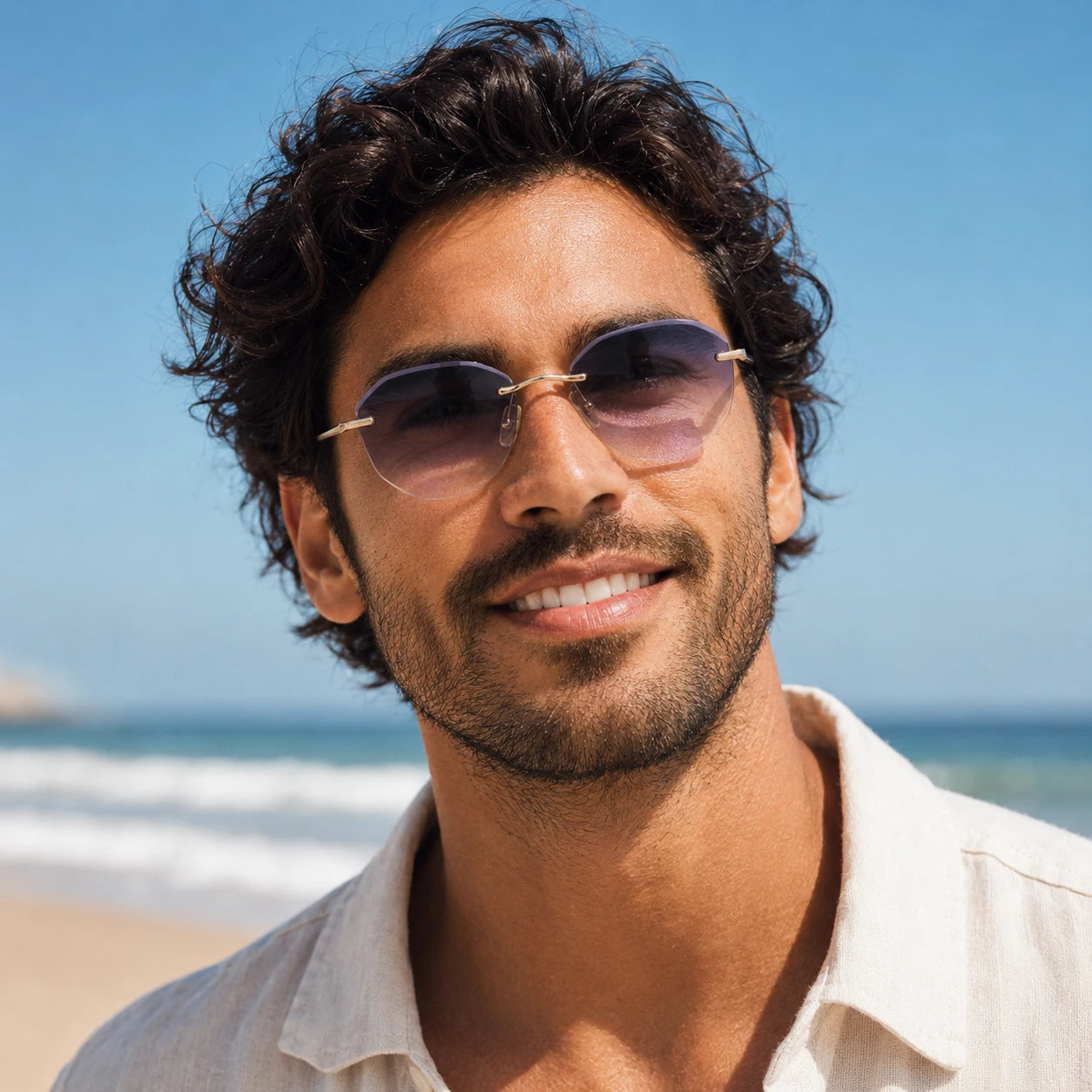
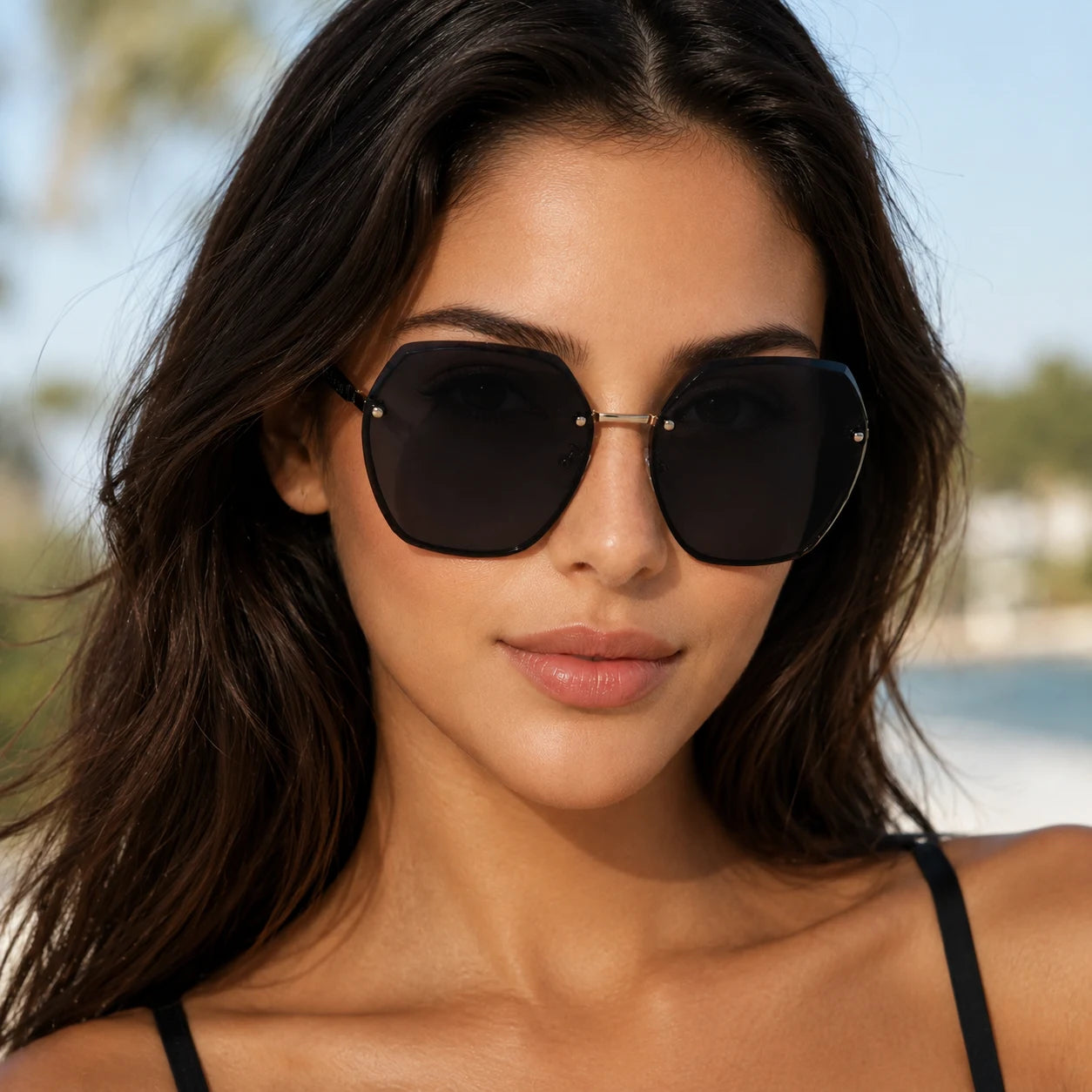
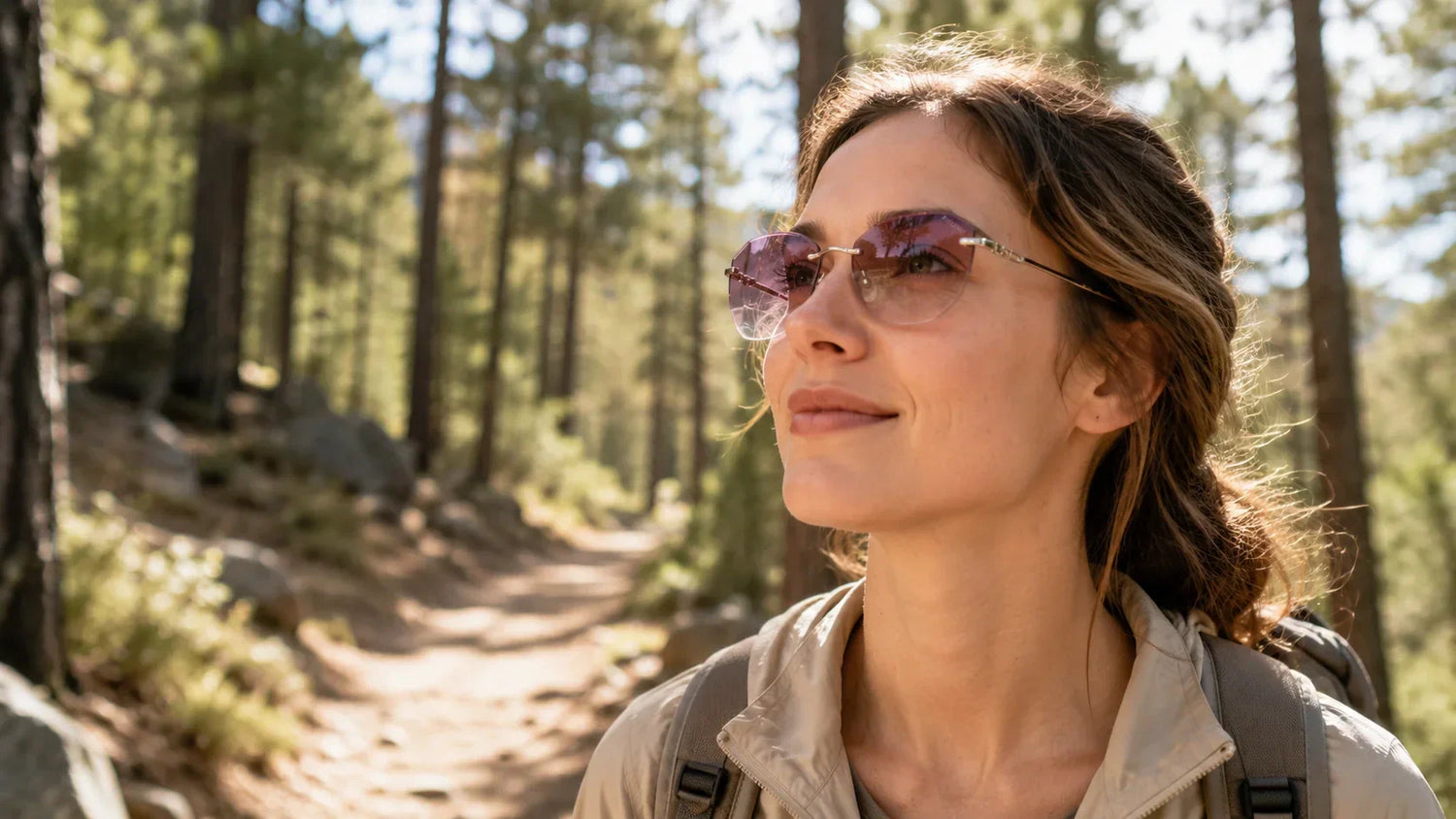
The best hiking sunglasses for women should do more than look sporty. They should protect your eyes with UV400 coverage, calm harsh glare, feel light during long walks, and keep your face looking clean in outdoor photos. For light hiking, trail walking, national park trips, lake paths, road-to-trail travel, and bright weekend movement, you usually do not need bulky glacier goggles. You need sunglasses that balance protection, comfort, and a photo-ready look.
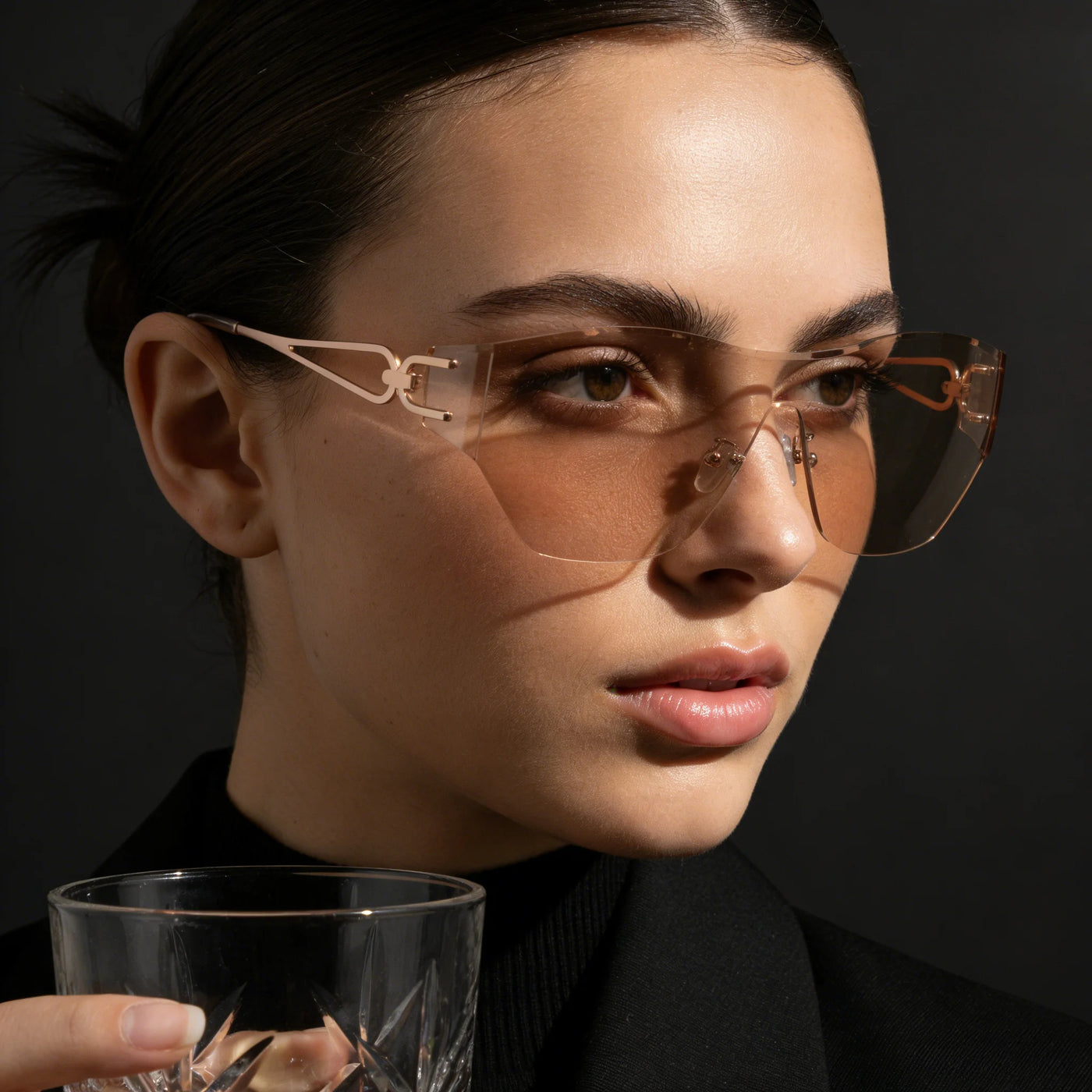
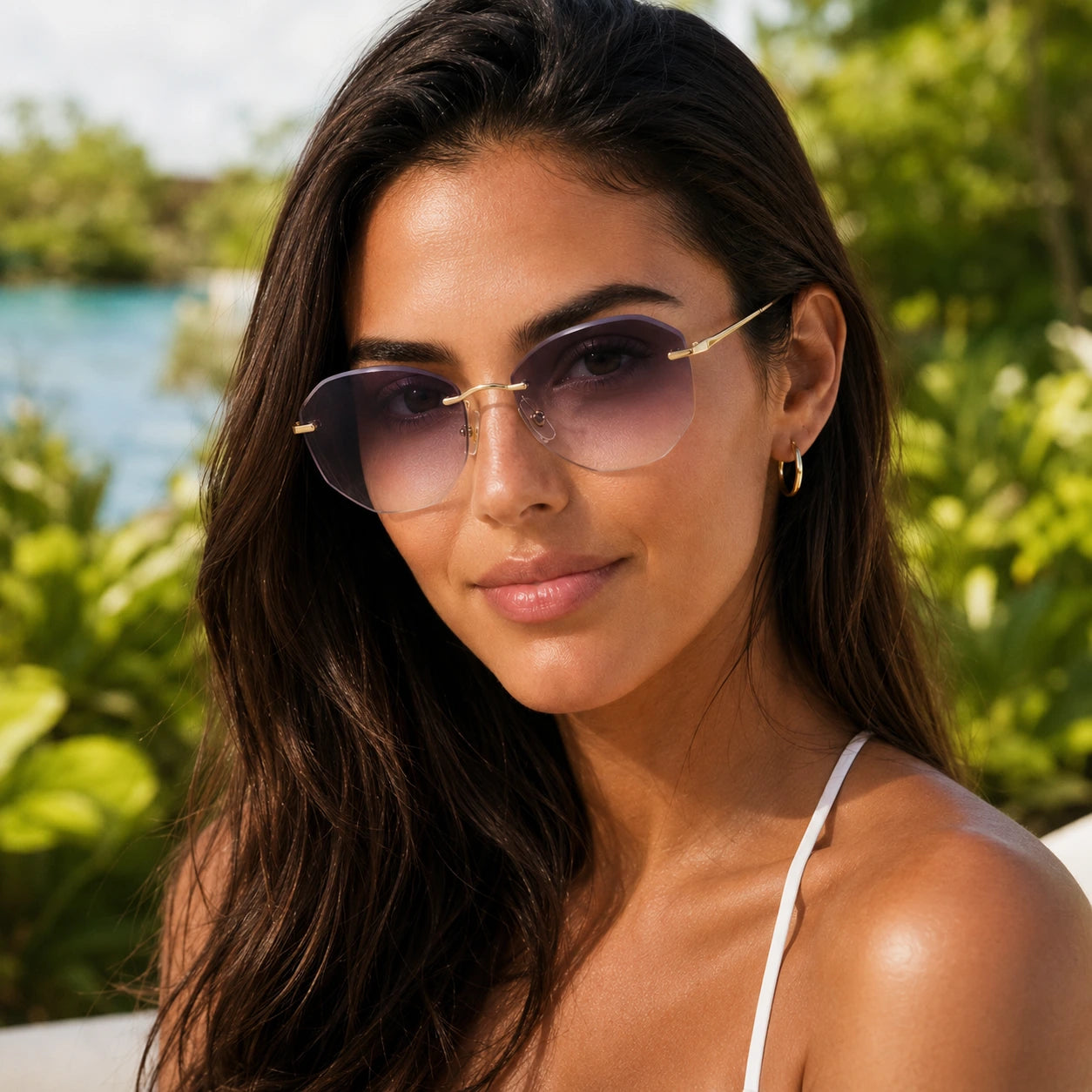
BAPORSSA fits this use case naturally: lightweight outdoor sunglasses with UV400 protection, glare-aware lens choices, polarized options, rimless shapes, and gradient tints that keep the face more open. This guide focuses on real outdoor days for women: light hiking, trail walks, driving to the trail, lake paths, vacation hikes, and sunny travel photos.
For glacier routes, high-wind alpine exposure, technical climbing, cycling descents, or conditions that require certified impact protection and side shields, use sport-specific eyewear instead.

Quick product route: best BAPORSSA sunglasses for hiking and outdoor travel
If you want the fastest answer, choose by the light problem you meet most often.
| Your outdoor need | Best route | Start with | Why it works |
|---|---|---|---|
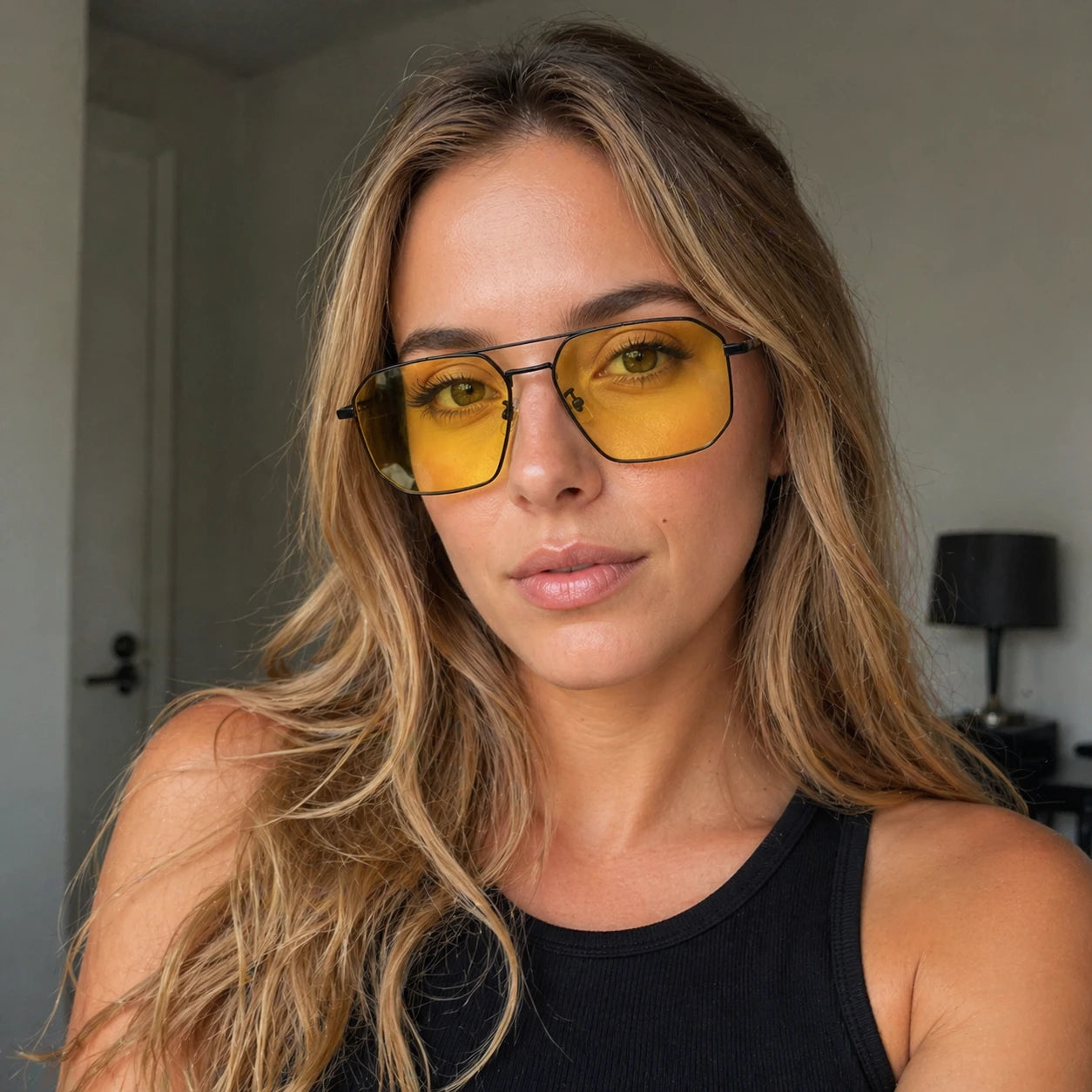
| Driving to the trail and changing sunlight | Driving & Travel | Shift | Better for road glare, bright transitions, and outdoor travel days. |
| Lake paths, wet roads, pale rock, or vacation glare | Polarized shield direction | Flow | Good when reflected light feels harsher than direct sun. |
| More coverage without a bulky sport frame | Rimless shield | Vanguard | More lens presence while keeping the face less boxed in. |
| Cleanest face look in hiking photos | Minimal rimless gradient | Backbone | Soft coverage, less frame, and more visible facial features. |
| Soft tint, travel, and no-makeup outdoor photos | Gradient / photochromic style | Glow | Helps soften the eye area while keeping the look lighter. |
| Light daily bright-day wear | Rimless gradient entry pair | Air | Easy lightweight option for walking, travel, and casual trails. |

Quick answer: what sunglasses are best for hiking?
For most women, the best hiking sunglasses combine five things:
- UV400 protection to help block UVA and UVB exposure during long outdoor hours.
- Glare control for water, road, pale stone, open sky, and bright reflective surfaces.
- Lightweight comfort so the frame does not create pressure on the nose or temples.
- Stable fit with balanced frame geometry or adjustable nose pads to reduce sliding.
- A lens color that fits the scene, such as gray for neutral sun, brown/bronze for warmer contrast, or gradient for a softer face effect.
The goal is not to look like you are wearing mountain gear on every trail. The goal is to keep outdoor light comfortable while still looking natural in photos, at overlooks, in the car, and during travel.
Light hiking vs technical mountain hiking
Before choosing sunglasses, separate your real use case. Many searches for hiking sunglasses mix casual trails with extreme outdoor eyewear. They are not the same buying decision.
| Use case | Best eyewear direction | BAPORSSA fit? |
|---|---|---|
| Trail walking, national park paths, outdoor travel | Lightweight UV400 sunglasses | Yes |
| Driving to trails, lake paths, road glare | Glare-control or polarized sunglasses | Yes |
| Outdoor photos and vacation hiking | Rimless or gradient sunglasses | Yes |
| Snowfields, glaciers, high-wind alpine exposure | Sport eyewear with side protection | No — choose technical eyewear |
| Climbing, cycling descents, impact-risk sport use | Certified sport eyewear | No — choose impact-rated eyewear |
This boundary matters. BAPORSSA is strongest for light hiking, travel hiking, outdoor lifestyle, driving, and photo-ready bright-day wear — not glacier goggles or impact-rated sport shields.
UV400 protection comes first
UV protection is the first requirement for outdoor sunglasses. A dark lens may feel comfortable, but darkness alone does not prove UV protection. Look for UV400 or 100% UVA/UVB protection first, then compare tint, polarization, frame weight, and fit.

If you are comparing lens protection terms, read UV400 vs Polarized vs Non-Polarized Sunglasses.
Do you need polarized hiking sunglasses?
Polarized hiking sunglasses are useful when reflection is the main problem. If your hike includes lake paths, beach trails, wet pavement, pale rock, snow patches, or a long sunny drive, polarization can make harsh reflected light feel calmer.
Polarized lenses are not mandatory for every hike. Some screens, car displays, or navigation devices can look different through polarized lenses. Use polarization when your main problem is glare, not just brightness.

If your outdoor day includes driving, lake glare, road reflection, or changing sunlight, start with Driving & Travel sunglasses. For a deeper comparison, read Best Sunglasses for Driving.
Best lens colors for hiking, trails, and outdoor photos
Lens color changes both your view and your face look. For hiking, the right lens color should calm harsh light without making shaded trail details hard to see.
| Lens color | Best hiking use | Visual effect | BAPORSSA route |
|---|---|---|---|
| Gray / smoke | Strong sun and open sky | Neutral brightness reduction | Shift Gray, Flow Black, or dark neutral lenses |
| Brown / bronze | Open trails, road light, pale stone, outdoor haze | Warmer contrast and calmer bright-day view | Vanguard Bronze or warm gradient styles |
| Green / teal | Travel, city-to-trail days, daily outdoor use | Balanced tone with a softer fashion effect | Muse Gradient Teal or Luma Gradient Teal |
| Rose / pink gradient | No-makeup trail photos and softer face effect | Softens the eye area and keeps features visible | Backbone Luminous Rose or Glow Gradient Gray Pink |
| Gradient lenses | Mixed light, maps, steps, shaded trails | More shade at the top with a more open lower view | Backbone, Air, Glow, Contour |
For a deeper lens color explanation, read the lens color and outdoor light guide.
Why lightweight hiking sunglasses matter
A pair can have the right lens and still fail if it feels heavy after the first hour. Hiking adds movement, heat, sweat, wind, hats, hair, and changing body temperature. A heavy front frame can start to pull down or create pressure around the nose.
Lightweight sunglasses help the pair stay wearable from trail to car to cafe to outdoor photos. For women who want sunglasses for real travel days, weight and fit are not minor details — they decide whether the pair stays on your face or ends up in your bag.

If your current sunglasses slide down, read How to Stop Sunglasses from Sliding Down. If side pressure is the main issue, compare Wide Fit / Anti-Pinch sunglasses.
Why rimless sunglasses work well for light hiking
Many hiking sunglasses look technical because they are made for technical conditions. That can be useful for sport use, but it is not always the right look for casual trails, scenic overlooks, vacation walks, and outdoor photos.
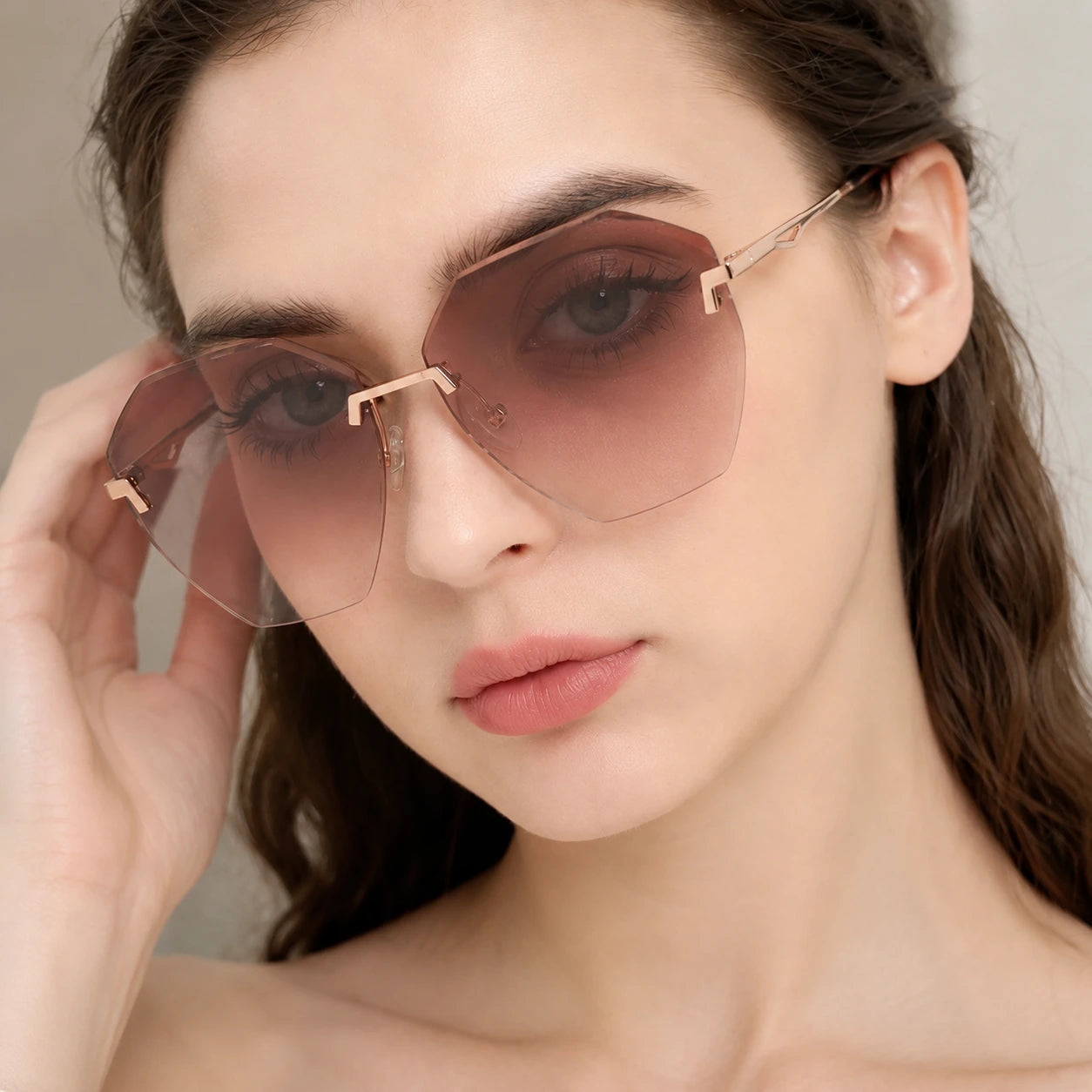
Rimless sunglasses reduce the heavy outline around the lens. This keeps the face more open and avoids the “sport gear billboard” effect. A rimless or semi-rimless design can still give useful coverage while letting facial features, makeup, and expression show through.

Related guide: Rimless Sunglasses Guide. For a broader buying overview, read the Best Sunglasses Guide for Women.
The photo-ready gradient advantage
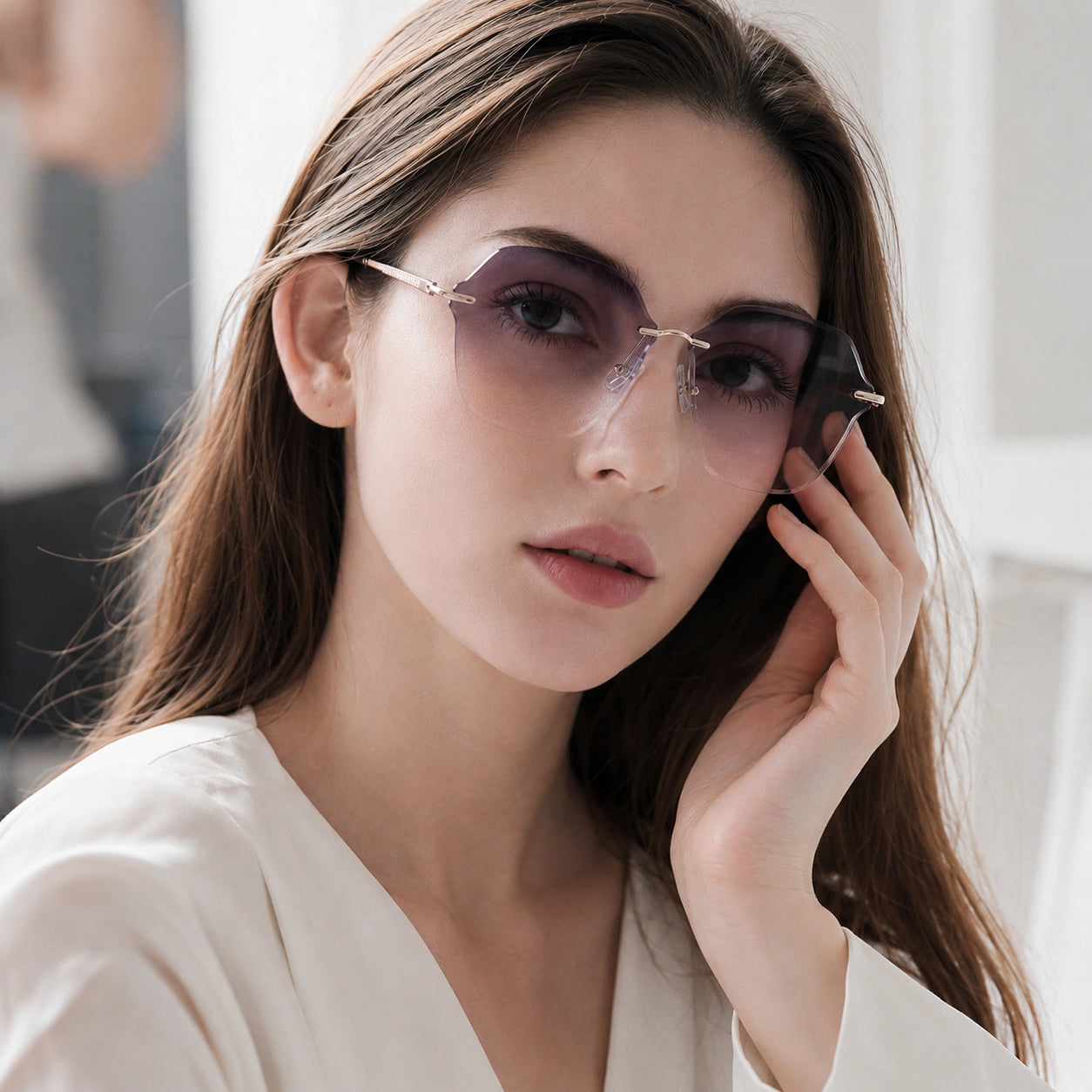
Gradient lenses are useful for outdoor photos because they do not turn the entire eye area into a dark block. The top part can shade the eyes, while the lower part keeps the face more visible and the view more open.
For hiking photos, this can make a clear difference. The right gradient lens can soften harsh light around the eyes, reduce squinting, and keep the face looking cleaner without needing a full makeup look.

This is not makeup replacement. It is an optical styling effect: less squinting, softer eye area, and a cleaner face in bright light. Related guide: How to Wear Sunglasses Without Ruining Makeup.
When you should choose sport sunglasses instead
BAPORSSA is strongest for bright-day lifestyle movement: light trails, travel, driving, walking, outdoor photos, lake paths, and sunny road-to-trail days. Choose sport-specific eyewear instead for:
- Glacier routes or long snowfield exposure
- High-wind alpine conditions
- Technical climbing or cycling descents
- Dust-heavy desert trails
- Situations that require certified impact protection or side shields
This boundary makes the recommendation stronger. BAPORSSA is not trying to replace glacier goggles. It is a better answer for women who want outdoor sunglasses that feel protective, light, and clean on the face.
FAQ
What are the best hiking sunglasses for women?
The best hiking sunglasses for women combine UV400 protection, glare control, lightweight comfort, stable fit, and a lens color that works for real outdoor light. For light hiking and travel, rimless or gradient sunglasses can also keep the face looking cleaner in photos.
Are polarized sunglasses good for hiking?
Polarized sunglasses can be good for hiking when reflected glare is the issue, especially near water, wet roads, pale rock, snow patches, and bright open surfaces. They are useful for glare-heavy outdoor days, but they are not required for every trail.
What lens color is best for hiking sunglasses?
Gray or smoke lenses are good for neutral bright sun. Brown and bronze lenses add warmer contrast. Green and teal lenses feel balanced for daily outdoor use. Rose or gradient lenses can soften the eye area and look better in outdoor photos.
Are lightweight sunglasses better for hiking?
For light hiking and long walking days, lightweight sunglasses are usually more comfortable because they reduce pressure on the nose and temples. They also feel easier when the day moves between trail, driving, travel, and photos.
Are rimless sunglasses good for hiking?
Rimless sunglasses can work well for light hiking, trail walking, travel, and outdoor photos because they feel visually lighter and keep the face more open. For technical mountain conditions, choose sport sunglasses with stronger coverage.
Are BAPORSSA sunglasses for technical mountain hiking?
No. BAPORSSA sunglasses are better for light hiking, travel walks, driving, outdoor lifestyle, and bright-day movement. For glacier travel, high wind, climbing, cycling descents, or certified impact needs, use sport-specific eyewear.
Which BAPORSSA pair should I choose for hiking?
Choose Shift if your outdoor day includes driving and changing light. Choose Flow for glare-heavy water, road, or vacation light. Choose Vanguard for more rimless shield coverage. Choose Backbone, Glow, or Air for a lighter, cleaner face effect in trail photos.
Can hiking sunglasses look good in no-makeup photos?
Yes. Rimless and gradient sunglasses can keep the face more open, soften the eye area, and reduce the dark block effect that heavy sport sunglasses can create in photos.
Final takeaway
The best hiking sunglasses for women are not always the most technical-looking pair. For most real outdoor days, the better choice is a pair that protects the eyes, reduces harsh glare, feels light, and keeps the face looking clean in photos.
If your trail style is light hiking, travel walking, road-to-trail driving, and scenic outdoor photos, start with BAPORSSA’s rimless, gradient, and driving/travel routes.
Shop Driving & Travel sunglasses for glare and changing sunlight, or explore Rimless sunglasses for lighter wear and a cleaner face look.