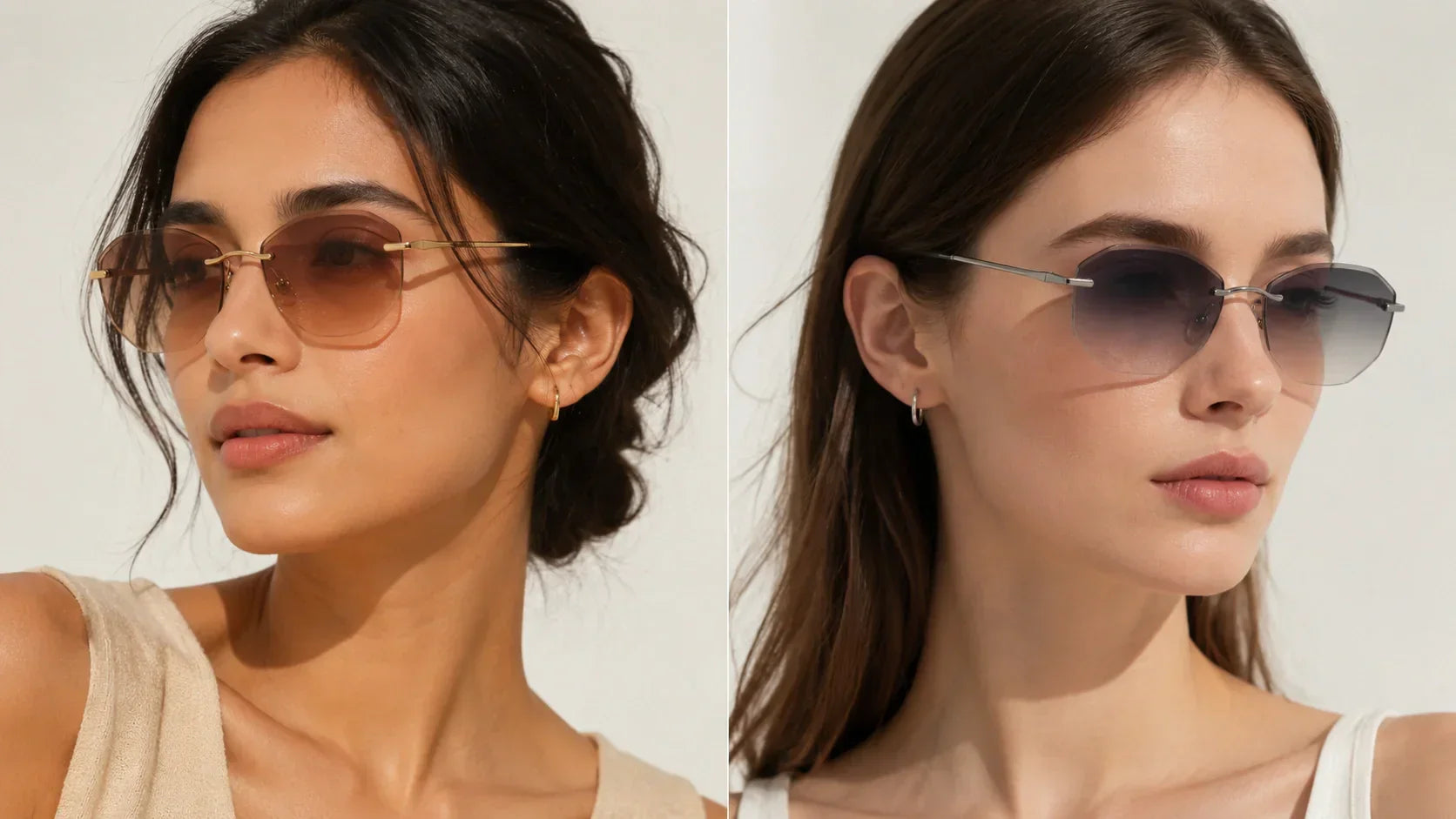
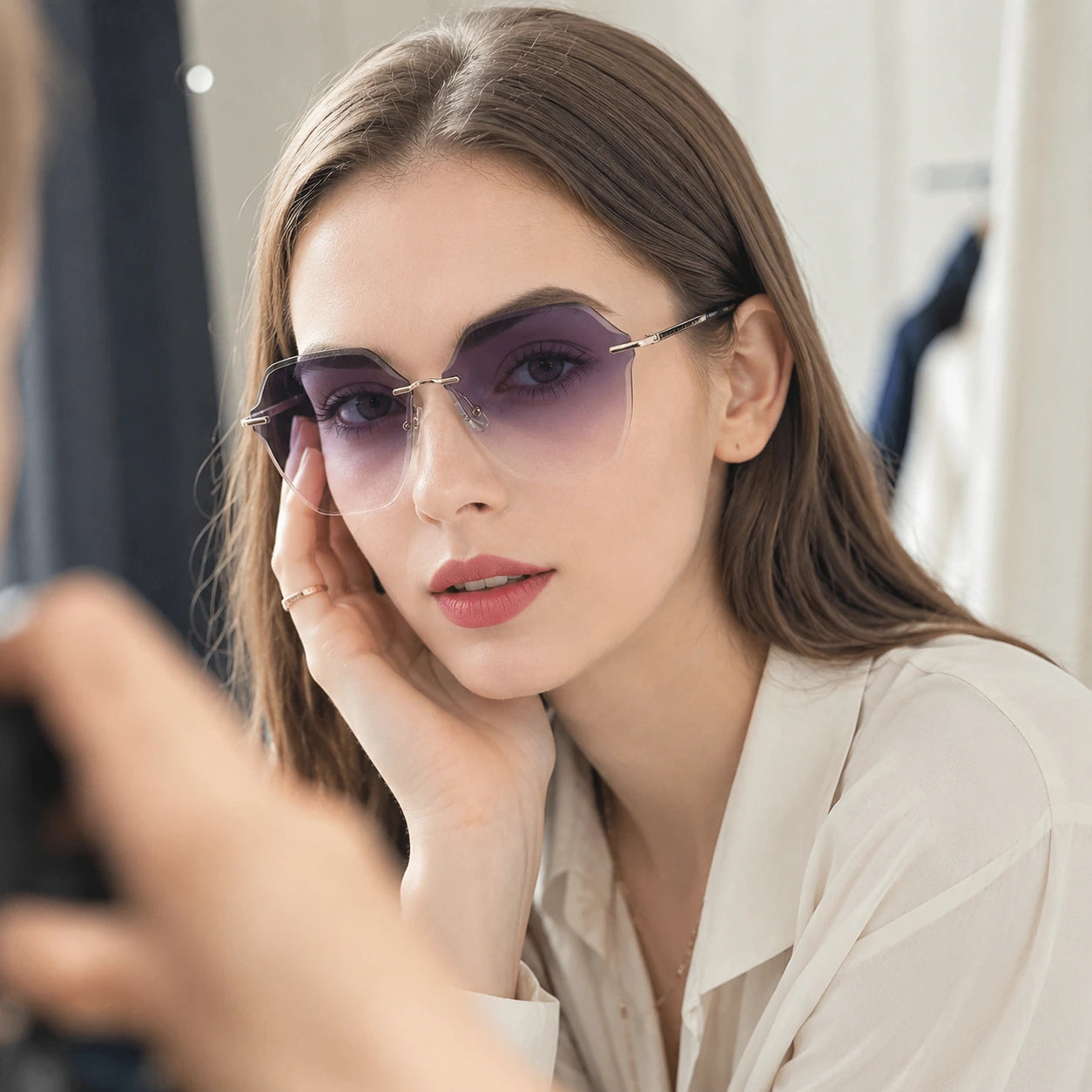

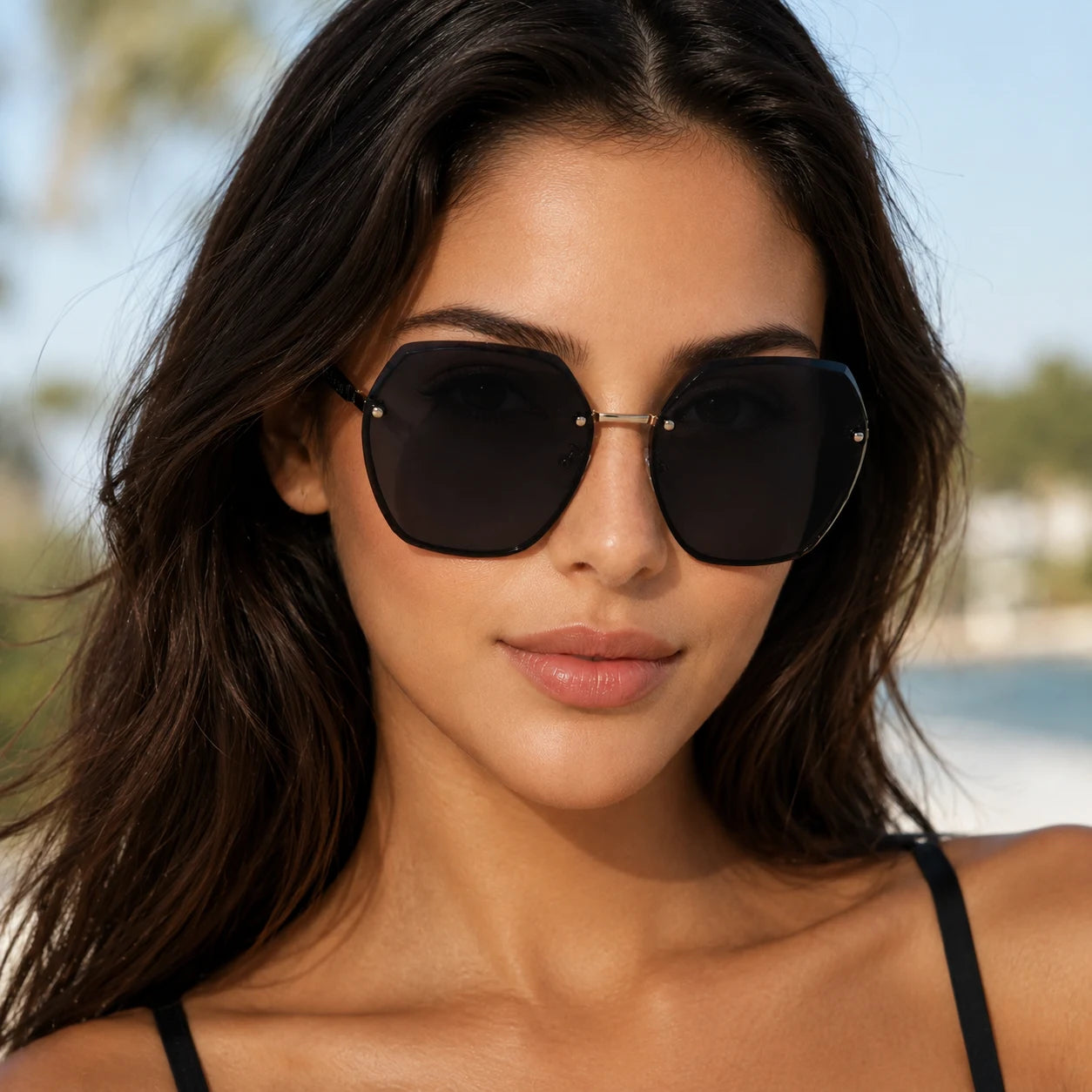
Key takeaway: For fishing, boating, kayaking, and long days near bright water, polarized sunglasses are usually the best first choice because they reduce reflected water glare. The right pair should also include UV400 protection, a comfortable fit, and a lens color that matches the light. BAPORSSA is best positioned for bright-day travel, boating, marina walks, casual fishing, and light paddle activities—not as sealed goggles or professional impact-rated water-sport eyewear.
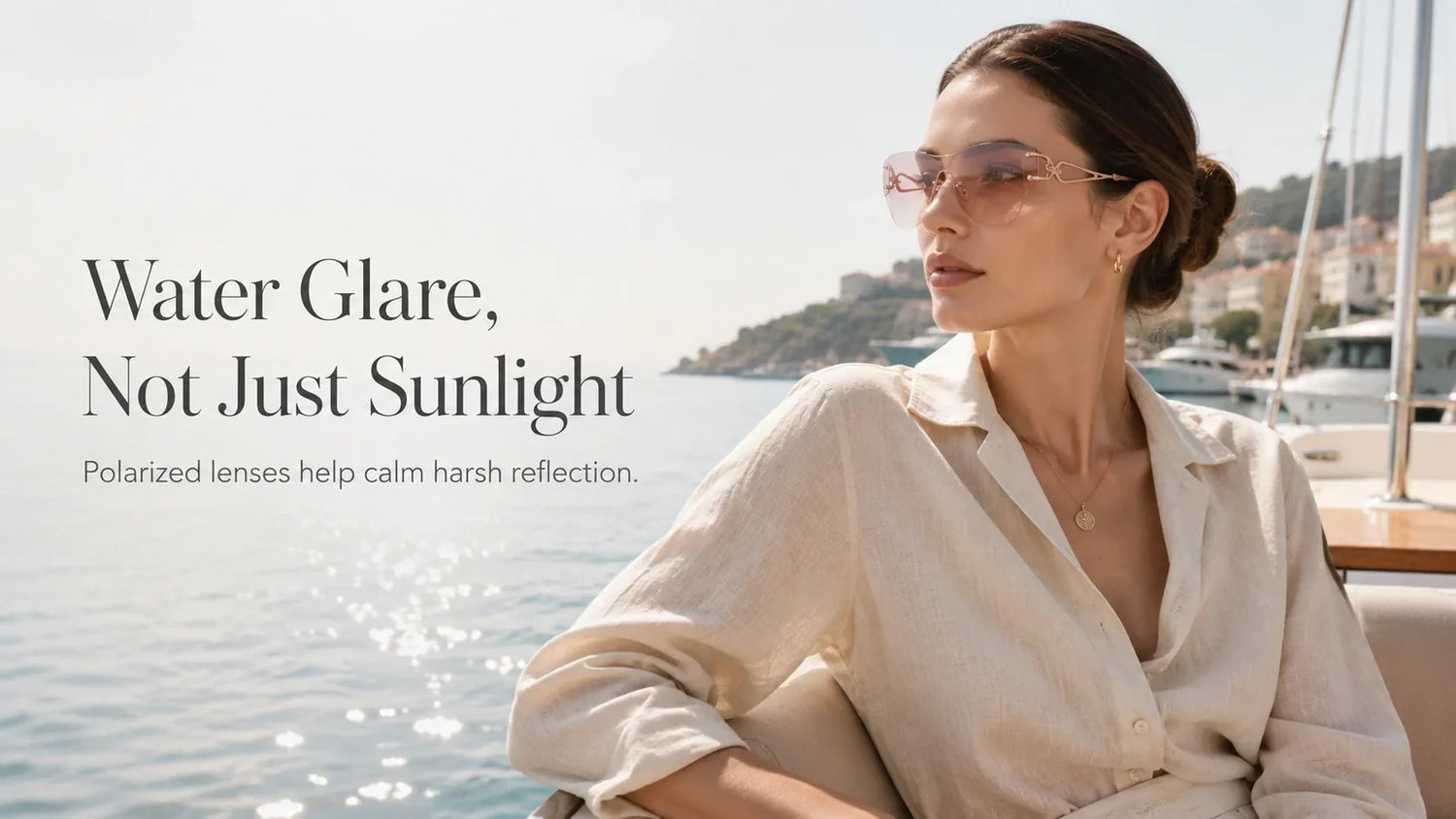
Water glare is different from normal sunlight. When light reflects from lakes, oceans, wet boat decks, docks, and pale sand, it creates a flat glare layer that can make the view feel white, sharp, and visually tiring. Polarized lenses help filter that reflected glare so the water surface feels calmer and easier to read.
This guide focuses on real buying decisions: what polarized fishing sunglasses do, which lens colors work near water, how boating sunglasses differ from fishing sunglasses, and how to choose a pair that feels comfortable for long outdoor wear.
Why Fishing and Boating Need Polarized Sunglasses
Fishing and boating expose your eyes to glare from more than one direction. You get direct sunlight from above, reflection from the water below, glare from wet decks or rails, and brightness from pale sand or docks. A normal dark lens may reduce brightness, but it does not necessarily reduce the reflected glare that makes water hard to look at.
Polarized sunglasses are useful because they target that reflected glare layer. For fishing, this can make shallow water, surface movement, and contrast easier to read in the right conditions. For boating, the benefit is more about visual comfort and surface control: less glare from water, wet deck areas, and horizontal reflections.

For the full lens-protection foundation, read our UV400 vs polarized sunglasses guide. That article explains the difference between UV protection and glare control. This article focuses on the water-use buying decision.
How Polarized Lenses Help You Read Water Glare
Polarization is not magic, and it does not make water transparent. It reduces part of the reflected glare that bounces off flat surfaces. When glare is reduced, the surface can look cleaner and less washed out, especially when the sun angle and water clarity are favorable.
For anglers, this is why polarized fishing sunglasses are often preferred for sight fishing, shallow-water spotting, dock fishing, lake fishing, and bright coastal conditions. For boating, the benefit is more about visual comfort and surface control: less glare from water, wet deck areas, and horizontal reflections.
Expert note: Visibility still depends on sun angle, water clarity, depth, bottom color, and the lens tint. Polarized sunglasses can improve the conditions, but they cannot replace good light, clean water, or safe navigation habits.
Best Lens Colors for Fishing, Boating, and Bright Water
Lens color changes how the scene feels. For water, the safest rule is simple: choose gray or smoke when brightness is extreme and color neutrality matters; choose brown, amber, or copper when you want more contrast in changing light or shallow-water conditions.

| Lens color | Best for | What it does near water | BAPORSSA route |
|---|---|---|---|
| Gray or smoke polarized | Open water, boating, strong midday sun | Reduces brightness while keeping colors more neutral | Best practical choice for boating and general water glare |
| Brown, amber, or copper polarized | Lake fishing, shallow water, changing contrast | Adds warmth and can make contrast feel stronger | Good direction for casual fishing and variable light |
| Rose or soft tint | Travel, resort days, softer face look | Feels gentler on the face but is not always strongest for harsh glare | Better for style-led bright days than hard water glare |
| Gradient lens | Beach photos, city-to-water travel, softer light | Balances shade above with a lighter lower view | Useful when style and face openness matter most |
| Mirror finish | Very bright fashion effect | Can reduce visible brightness, but mirror coating is not the same as polarization | Only choose it if the lens is also polarized and UV400-rated |
Fishing Sunglasses vs Boating Sunglasses: What Is the Difference?
The two categories overlap, but the buying priority is slightly different. Fishing sunglasses are often chosen for glare reduction, contrast, lens color, and the ability to read the water surface. Boating sunglasses are usually chosen for glare comfort, secure long wear, lens coverage, and all-day brightness control.
| Use case | Main visual problem | Best lens direction | Fit priority |
|---|---|---|---|
| Casual fishing | Surface glare and low water contrast | Polarized gray, brown, amber, or copper | Stable fit with enough lens coverage |
| Fly fishing | Changing water angle and fine surface detail | Polarized contrast lens; tint depends on light | Lightweight comfort for long wear |
| Boating | Open-water glare and deck reflection | Gray or smoke polarized UV400 lens | Comfortable frame with secure but not tight pressure |
| Kayaking or paddleboarding | Glare, movement, splash, wind | Polarized lens | Use a retention strap in active conditions |
| Beach travel | Water glare, sand glare, photos, walking | Polarized dark lens for harsh light; gradient for softer style | Lightweight face-friendly frame |
What to Look for in Polarized Fishing Sunglasses
1. True polarized glare reduction
Look for sunglasses that are actually polarized, not just dark or mirrored. A dark non-polarized lens can lower brightness without reducing the glare layer from water. If you need a testing method, use our polarized sunglasses test guide.
2. UV400 protection
Polarization and UV protection are not the same thing. Polarization reduces reflected glare. UV400 protection helps block UVA and UVB rays. For fishing, boating, beach travel, and long outdoor wear, you want both.
3. Lens coverage without a heavy sport look
Many fishing sunglasses use heavy wrap frames. They can work well for sport use, but not every customer wants that look. For BAPORSSA, the stronger route is clean lens coverage, open-view styling, and lightweight wear that looks refined off the boat too.
4. Comfortable bridge and temple pressure
A pair can be optically useful but still fail after two hours if it presses the nose or temples too hard. For long water days, choose a frame that feels secure without creating heavy pressure. Adjustable nose pads, balanced weight, and a clean temple fit matter.
5. Screen visibility awareness
Polarized lenses can make some phone screens, dashboard displays, GPS units, or boat electronics look darker at certain angles. If you use screens while boating, test visibility before long use. You can also read our guide on polarized sunglasses and screen visibility.
BAPORSSA Route for Water Glare
BAPORSSA should not be positioned as professional marine goggles, floating frames, sealed eyewear, or certified protective sports equipment. The strongest and most honest position is brighter-day comfort: polarized glare reduction, UV400 protection, lighter wear, and a cleaner face look for travel, boating, marina walks, casual fishing, and beach days.

Best for: boating, casual fishing, sailing as a passenger, marina walks, beach travel, resort days, poolside wear, and light paddle activities.
Avoid if: you need sealed eyewear, floating frames, high-impact sport certification, or very secure sport retention for fast water activities.
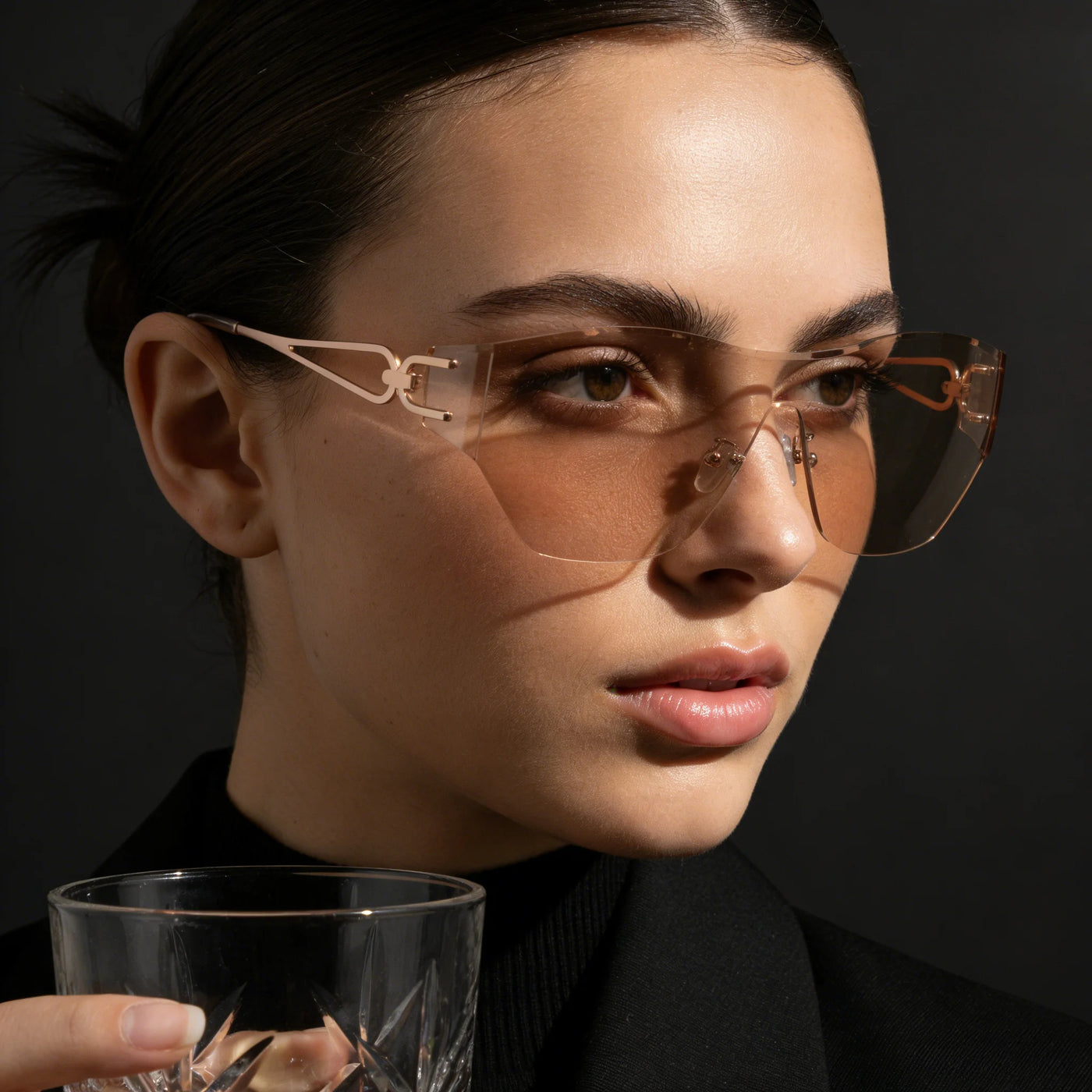
Best open-view direction: Flow
Flow is the strongest BAPORSSA direction for bright water because its rimless shield shape gives more visual coverage while keeping the face open. Choose a darker polarized option when water glare is the main issue.
Best softer travel direction: Luma
Luma is better when the customer wants bright-day comfort with a softer travel look. It is a cleaner lifestyle route for beach days, resort wear, and city-to-water movement.

Best collection route
For stronger glare-focused shoppers, send them to Driving & Travel sunglasses. For a lighter and more face-open look, send them to Rimless sunglasses.
BAPORSSA route: Choose an open-view polarized style when water glare is the main problem. A rimless or shield-inspired frame keeps the face cleaner and gives the view less visual interruption than a heavy full frame.
Material and Care: Salt Air, Sand, Sweat, and Sunscreen
Salt air, sand, sweat, and sunscreen are harder on sunglasses than normal city wear. That does not mean every pair has to be heavy sport eyewear, but it does mean care matters. If you want to compare lens materials for weight and clarity, read our sunglass lens materials guide.

Simple care routine after water exposure
- Rinse gently with clean fresh water after salt spray or sand exposure.
- Do not wipe dry lenses while sand or salt crystals are still on the surface.
- Use a clean microfiber cloth after rinsing.
- Let the frame dry fully before storing it in the case.
- Avoid leaving sunglasses on a boat dashboard, hot car dashboard, or direct sun-heated surface for long periods.
Quick Buying Checklist
- For fishing: choose polarized lenses; brown, amber, copper, gray, or smoke can all work depending on water and light.
- For boating: gray or smoke polarized UV400 lenses are the safest all-around route.
- For kayaking or paddleboarding: add a retention strap if there is wind, splash, or movement.
- For beach travel: choose lightweight polarized sunglasses if glare is strong; choose gradient lenses if style and face softness matter more.
- For driving near water: read our driving sunglasses guide for road glare, dashboards, and traffic-light visibility.
- For product choice: prioritize polarized + UV400 + comfortable fit before chasing lens darkness alone.
FAQ
Are polarized sunglasses good for fishing?
Yes. Polarized sunglasses help reduce reflected glare from water, which can make the surface look calmer and easier to read during fishing. They are especially useful for lake fishing, shallow-water viewing, fly fishing, and bright coastal conditions.
What color polarized lenses are best for fishing?
Brown, amber, and copper lenses can increase perceived contrast in some water conditions. Gray and smoke lenses are better for very bright open water when you want a more neutral view. The best choice depends on light level, water type, and personal comfort.
Are polarized sunglasses good for boating?
Yes. Polarized sunglasses can reduce glare from water, boat decks, docks, and wet surfaces. For boating, gray or smoke polarized UV400 lenses are usually the most versatile choice.
Can polarized sunglasses help you see fish in water?
They may help reduce surface glare, which can make it easier to see into shallow water in some conditions. They do not make water transparent. Visibility still depends on sun angle, depth, water clarity, and bottom color.
Are polarized sunglasses always better for water sports?
Usually yes for reflected glare, but not always for screen use. Some polarized lenses can make LCD screens, boat electronics, phone displays, or GPS units harder to read at certain angles. For fast or high-impact water sports, use purpose-built sport eyewear.
Do I still need UV400 if my sunglasses are polarized?
Yes. Polarization reduces reflected glare. UV400 protection helps block UVA and UVB rays. For outdoor water use, choose sunglasses that provide both.
Are BAPORSSA sunglasses waterproof?
No. BAPORSSA sunglasses should not be described as waterproof unless a specific product has that testing. They are better positioned for bright-day travel, boating, casual fishing, beach walks, and water-glare comfort.
Final Recommendation
The best polarized fishing sunglasses for boating and bright water should reduce reflected glare, protect against UV, feel comfortable for long wear, and match the activity. For BAPORSSA, the strongest route is not heavy sport gear. It is polarized water-glare comfort, lightweight wear, and a cleaner face result for bright boating, casual fishing, beach travel, and everyday outdoor movement.
Start with a polarized UV400 lens if glare is the main problem. Choose gray or smoke for open water and very bright sun. Choose brown, amber, or copper when contrast is more important. For a refined BAPORSSA look, explore Driving & Travel sunglasses or Rimless sunglasses.