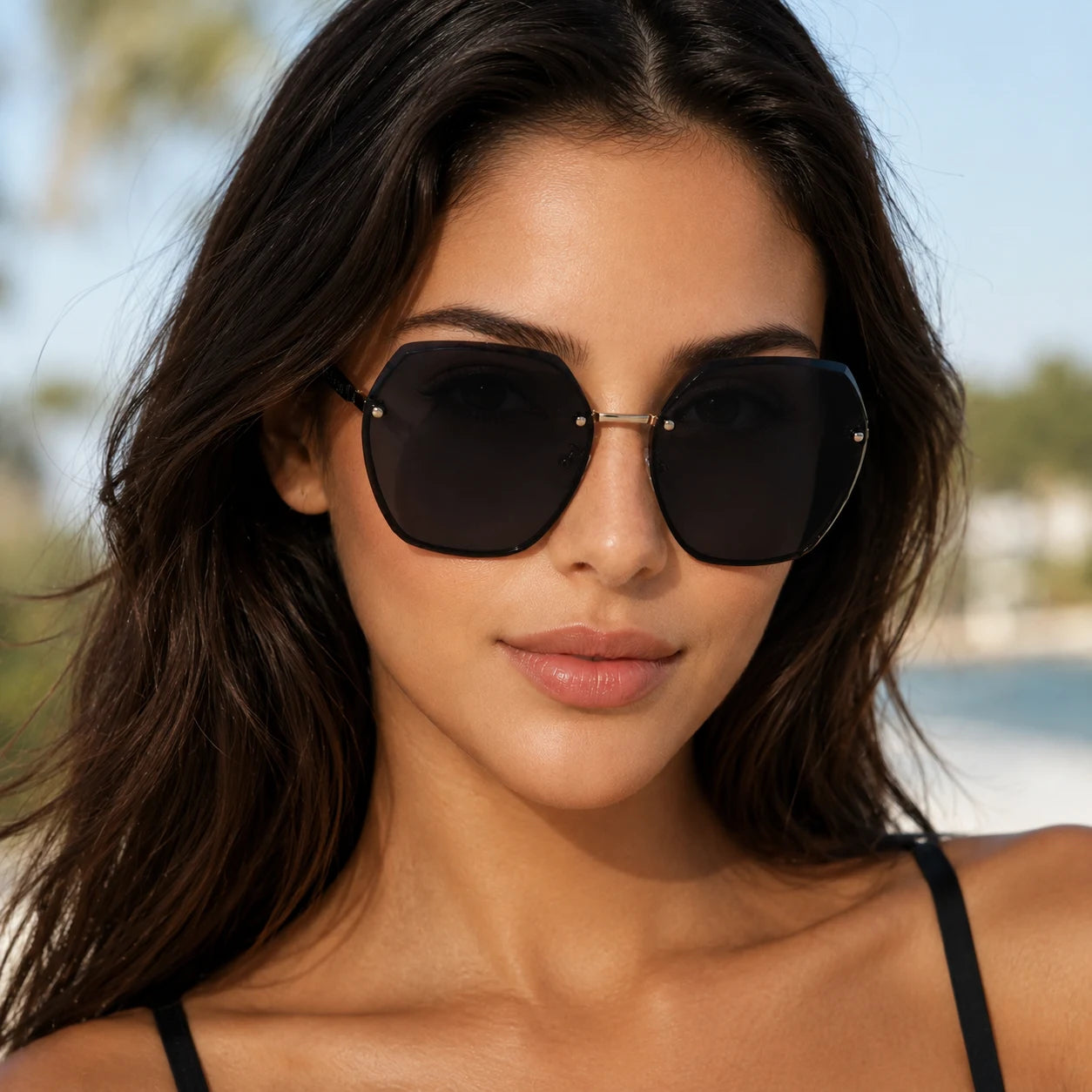
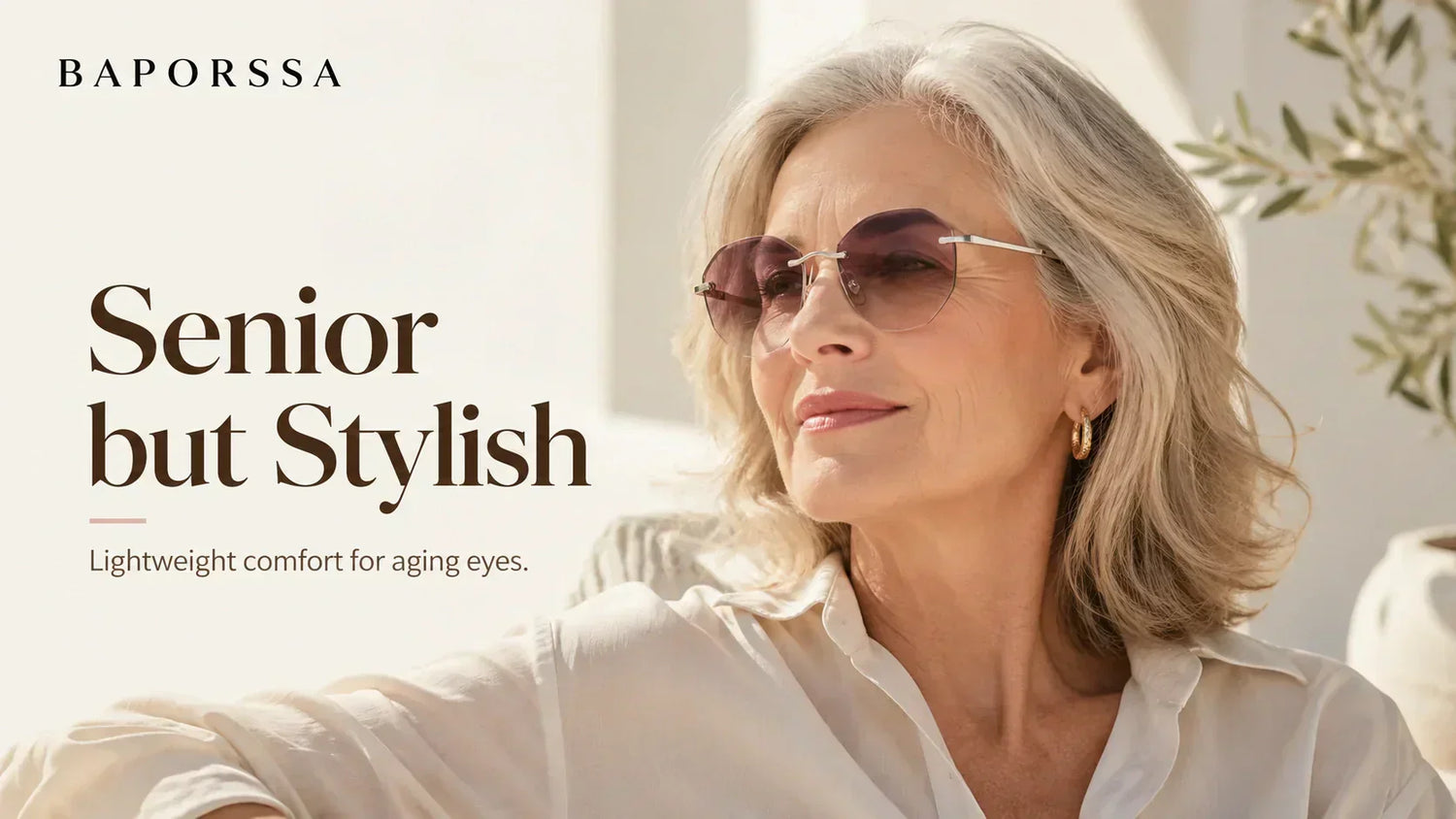
Quick answer: the best sunglasses for seniors should feel light, protect with UV400, reduce harsh glare when needed, and stay comfortable through driving, walking, errands, travel, gardening, or reading outdoors. Do not choose by darkness alone. For most older adults, the best pair is the one that combines clear outdoor protection with a frame that does not feel heavy on the nose or temples.
This guide is for shoppers comparing best sunglasses for seniors, sunglasses for elderly wearers, best sunglasses for retirees, sunglasses for older women, and sunglasses for aging eyes. It is a buying guide, not medical advice. If you have eye disease, recent surgery, diagnosed light sensitivity, or sudden vision change, follow an eye-care professional’s guidance first.
Best Sunglasses for Seniors: Quick Picks
| Best for | Start with | Why it fits seniors |
|---|---|---|
| Best overall lightweight pair | Backbone | Clean rimless look, lighter face feel, and soft gradient styling for daily wear. |
| Best for glare and driving | Luma | Polarized route with adjustable nose pads for road glare, errands, and daily outdoor comfort. |
| Best for changing light | Glow | Photochromic gradient direction for days when light shifts between shade, sun, travel, and indoor-outdoor movement. |
| Best for bright outdoor coverage | Flow | Wide rimless polarized shield route for stronger outdoor light, water glare, and vacation-level coverage. |
| Best for open-view travel coverage | Vanguard | Rimless shield feel with more visual coverage and less full-frame heaviness. |
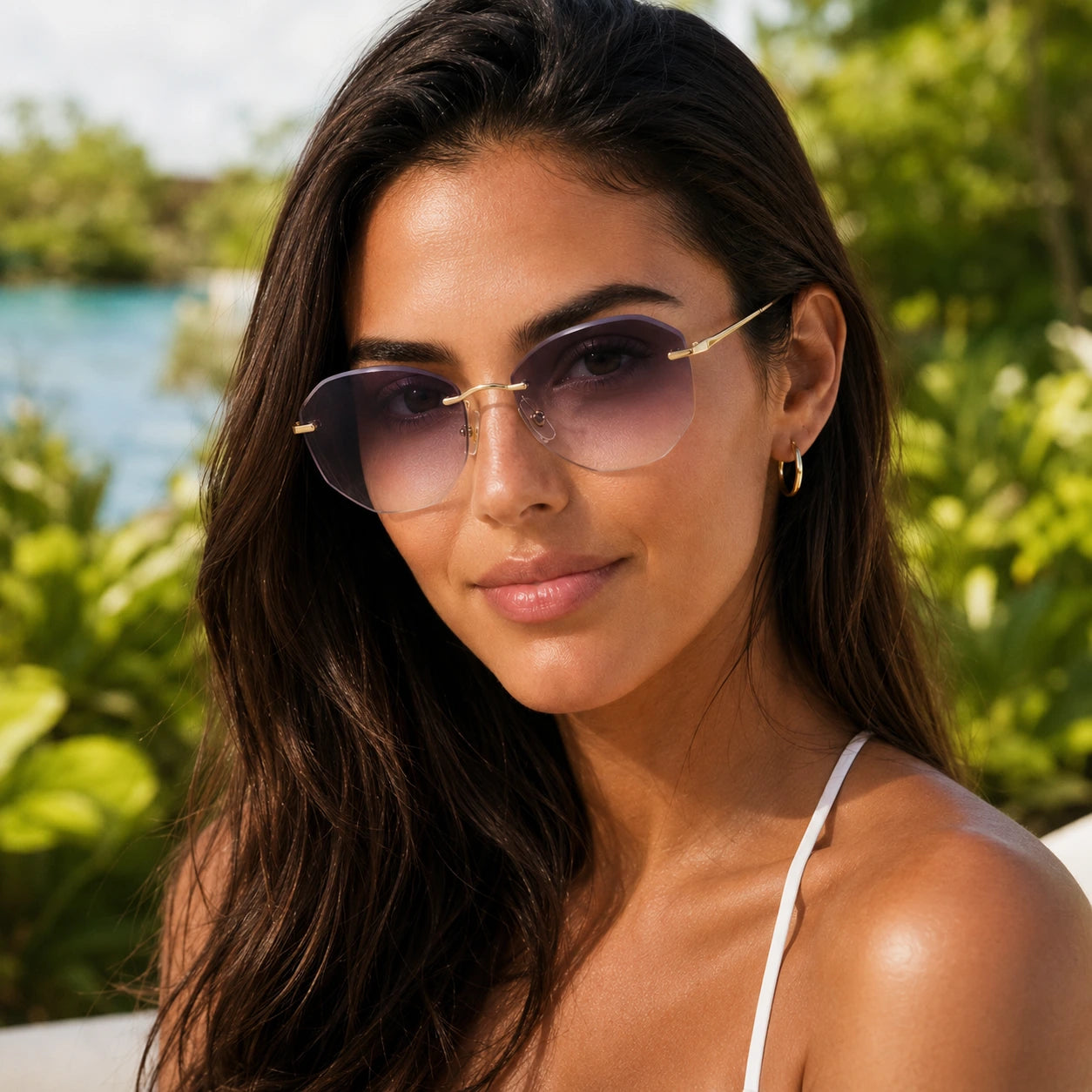

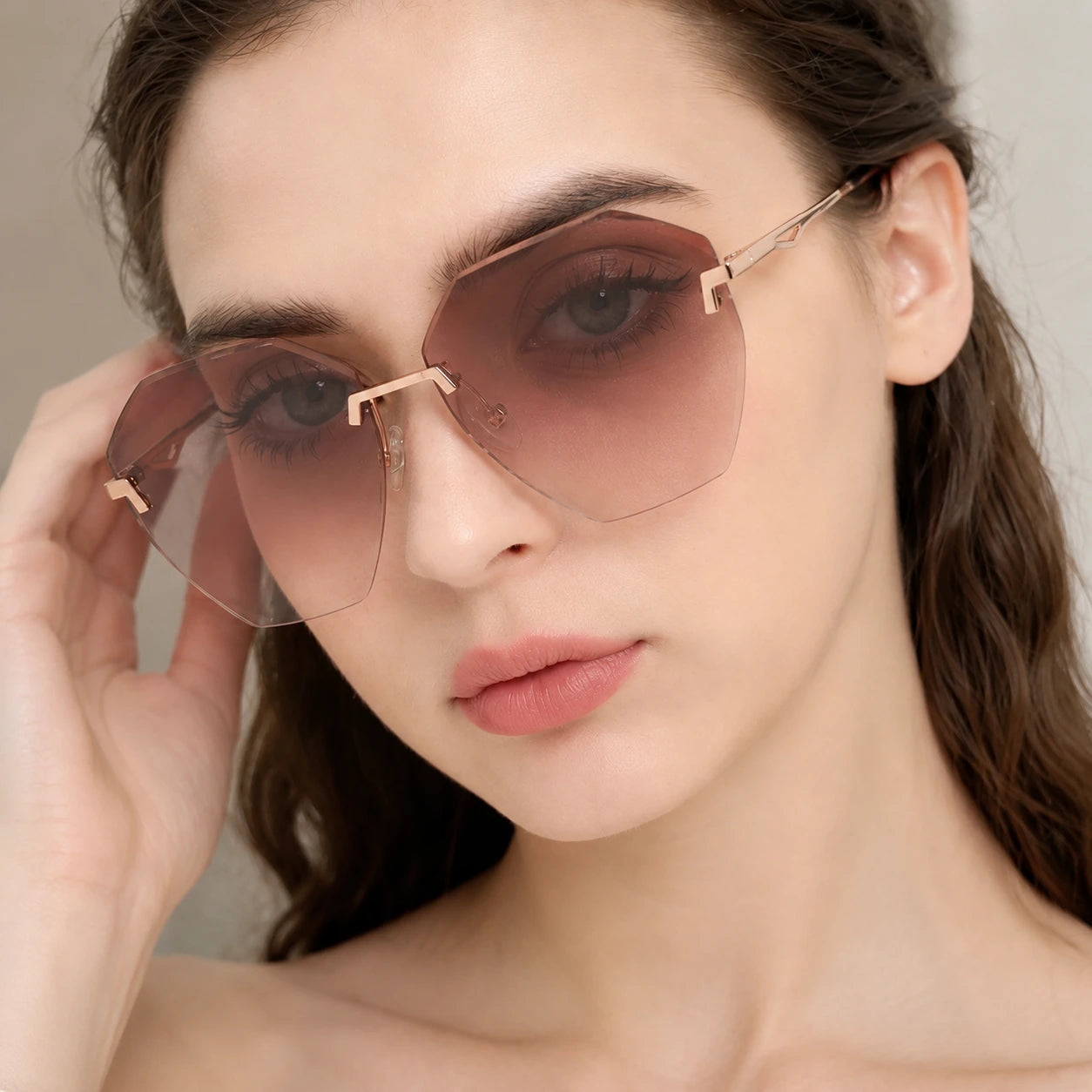
Which Pair Should Seniors Choose?
| If you need... | Choose | Reason |
|---|---|---|
| A lighter everyday pair that does not cover the face too heavily | Backbone | Best first choice for a clean rimless face line, soft gradient lens feel, and lower visual bulk. |
| Help with road, pavement, or water glare | Luma | Best first choice when reflected glare is the daily problem and adjustable nose pads matter. |
| Comfort across changing daylight | Glow | Best first choice when errands, travel, shade, and outdoor light keep changing through the day. |
| More coverage in open sun | Flow or Vanguard | Best choices when side light, overhead light, vacation sun, or longer outdoor time matters more than the smallest frame. |
What Makes Sunglasses Senior-Friendly?
Senior-friendly sunglasses are not just darker sunglasses. They should reduce outdoor brightness while keeping the view readable, the frame stable, and the face comfortable. The right pair depends on daily use: driving, walking, travel, gardening, reading outdoors, shopping, beach days, or using a phone in the sun.
| Need | What to look for | Why it matters |
|---|---|---|
| Outdoor protection | UV400 sunglasses | Lens darkness does not prove UV protection. UV400 should be checked separately. |
| Road, water, or pavement glare | Polarized lenses | Polarization can help reduce reflected glare from flat bright surfaces. |
| Changing daylight | Soft gradient or photochromic direction | Can feel easier when moving between shade, bright sun, and indoor-outdoor settings. |
| Long wear comfort | Lightweight frame, rimless construction, or adjustable nose pads | Helps reduce nose pressure, temple pressure, and repeated sliding. |
| Open sun and travel | Enough lens coverage | Helps reduce squinting from overhead and side light. |
UV400 vs Polarized: What Seniors Should Check
UV400 and polarized are different. UV400 is about ultraviolet protection. Polarization is about reflected glare. Older adults often need to compare both, especially for driving, walking, beach days, water glare, bright sidewalks, or travel.
| Feature | What it helps with | What it does not solve |
|---|---|---|
| UV400 | Ultraviolet protection up to 400 nm when properly made | Does not automatically reduce reflected road or water glare |
| Polarized | Road glare, water glare, wet pavement, car hoods, glass, and bright reflective surfaces | Does not automatically mean better phone, dashboard, or HUD visibility |
| Lens color | Contrast, brightness comfort, and how the view feels | Does not prove UV protection or polarization |
| Coverage | Overhead and side light | Does not replace UV400 or fit comfort |
For the full protection framework, read the UV400 vs polarized sunglasses guide. For daytime driving, read the best sunglasses for driving guide.
Best Sunglasses for Older Women and Women Over 50
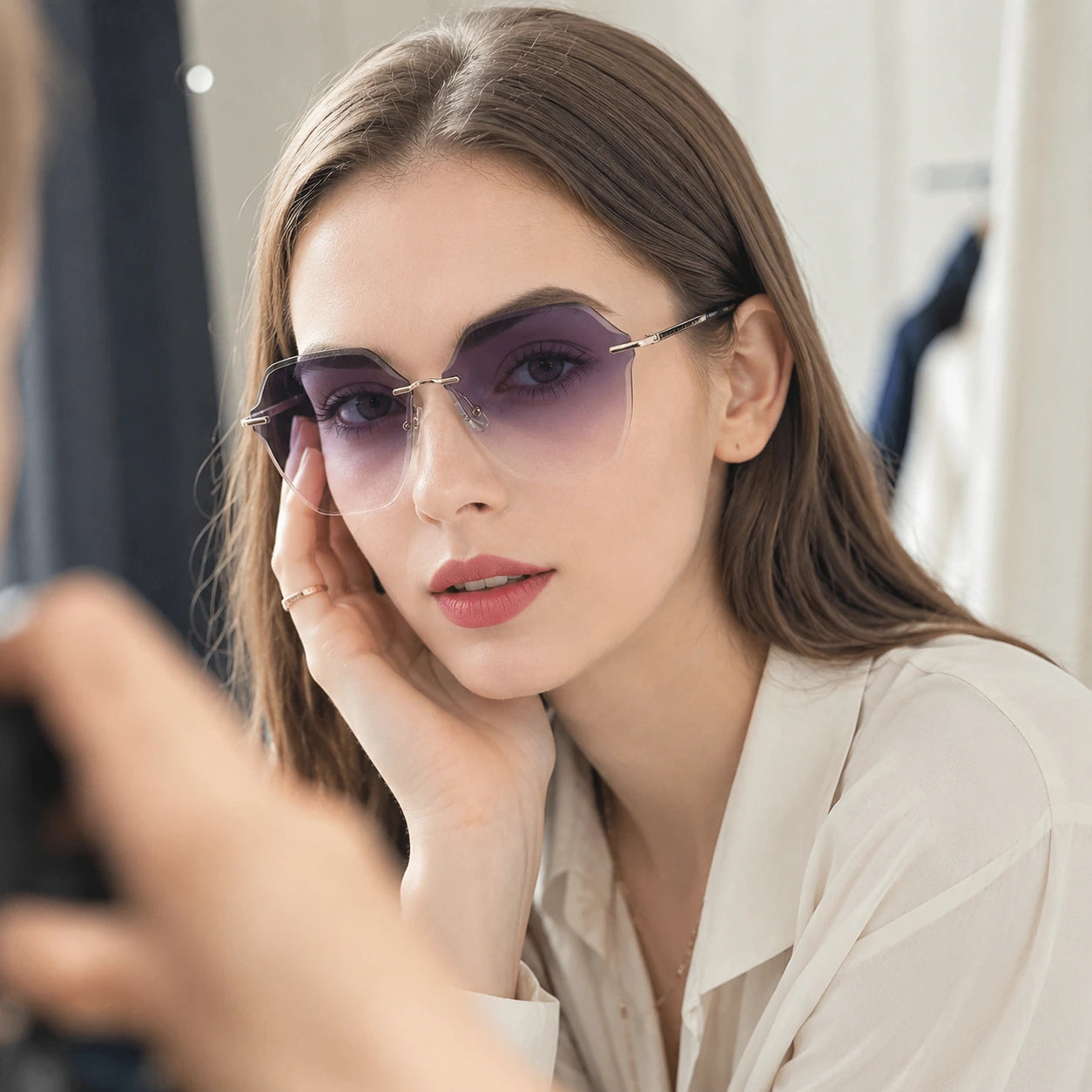
For older women, women over 50, and mature shoppers who want comfort without a heavy or medical-looking frame, the best route is usually a lightweight frame, a flattering tint, and enough coverage without hiding the face. Rimless, soft gradient, and adjustable-fit styles are often easier to wear than bulky full-frame options.
| Style need | Look for | Recommended route |
|---|---|---|
| Cleaner face look | Rimless or lighter visual frame | Backbone |
| Softer daylight | Gradient or photochromic direction | Glow |
| Driving and errands | Polarized lens with adjustable fit | Luma |
| Bright travel days | More coverage with a lighter frame feel | Vanguard or Flow |
For a face-open look, browse Rimless Gradients. For stronger outdoor utility, compare Driving & Travel sunglasses.
Best Lens Colors for Seniors and Aging Eyes
Lens color changes how outdoor light feels. A senior-friendly lens should calm brightness without making the view too dim for phones, dashboards, shaded sidewalks, or indoor-outdoor transitions.
| Lens color | Best for | Watch out for |
|---|---|---|
| Grey or smoke | Neutral brightness reduction | Can feel flat if you want warmer contrast |
| Brown or bronze | Warmer contrast and everyday outdoor comfort | Shifts colors warmer |
| Soft gradient | Reading, phone use, social settings, errands, and daily movement | Less dark at the lower lens area |
| Rose or pink tint | Soft visual comfort for some light-sensitive wearers | Not everyone likes the color effect |
| Very dark tint | Strong open sun | Can make shade, screens, and transitions harder |
For tint decisions, read the sunglasses lens color guide. For lens darkness and VLT, read the Cat 3 sunglasses guide.
Prescription Glasses, Readers, Fit-Over Sunglasses and Bifocals
Many older adults already wear prescription glasses, readers, progressive lenses, or bifocals. In that case, ordinary non-prescription sunglasses may not solve the full outdoor vision problem. BAPORSSA focuses on non-prescription lifestyle sunglasses, so prescription or reader needs should be handled through the right optical setup.
| Option | Best for | Important note |
|---|---|---|
| Prescription sunglasses | Distance correction outdoors | Usually handled through an optical prescription provider. |
| Fit-over sunglasses | Wearing sunglasses over existing eyeglasses | Check size, weight, and whether they fully cover the prescription frame. |
| Clip-on sunglasses | Quick tint over daily eyeglasses | Convenient, but style and fit vary widely. |
| Sunglasses with readers or bifocals | Reading outdoors | Useful when you need reading power in bright light. |
| Non-prescription sunglasses | Contact lens wearers or people who do not need correction outdoors | This is the main BAPORSSA route. |
For more detail, read Sunglasses over glasses: fit-over, prescription and reader options.
When Eye Conditions Make Sunglasses More Important
Important: this section is not medical advice. If you have cataracts, glaucoma, macular degeneration, photophobia, recent cataract surgery, laser eye surgery, or any diagnosed eye condition, follow your eye-care professional’s advice first. Sunglasses can support outdoor comfort and UV protection, but they do not diagnose, treat, or cure eye disease.
| Search concern | What shoppers often compare | Safe buying note |
|---|---|---|
| Cataract surgery or recent eye surgery | UV400, coverage, glare control, and soft comfort | Follow your surgeon’s post-care instructions first. |
| Macular degeneration | UV protection, contrast, glare reduction, and side coverage | Ask an eye-care professional or low-vision specialist for condition-specific guidance. |
| Glaucoma | Comfortable brightness control and daily wearability | Do not rely on sunglasses as treatment. |
| Photophobia or light-sensitive eyes | Tint comfort, glare control, side coverage, and indoor-outdoor use | Persistent light sensitivity should be discussed with an eye-care professional. |
| General aging eyes | UV400, readable contrast, lightweight fit, and enough coverage | This guide focuses on general sunglass comfort and outdoor use. |
More Coverage Options for Bright Outdoor Days
If the main problem is open sun, side light, water glare, or long outdoor time, a wider lens can be more useful than a smaller daily pair. Keep the frame comfortable and avoid choosing a pair that feels too heavy across the bridge.
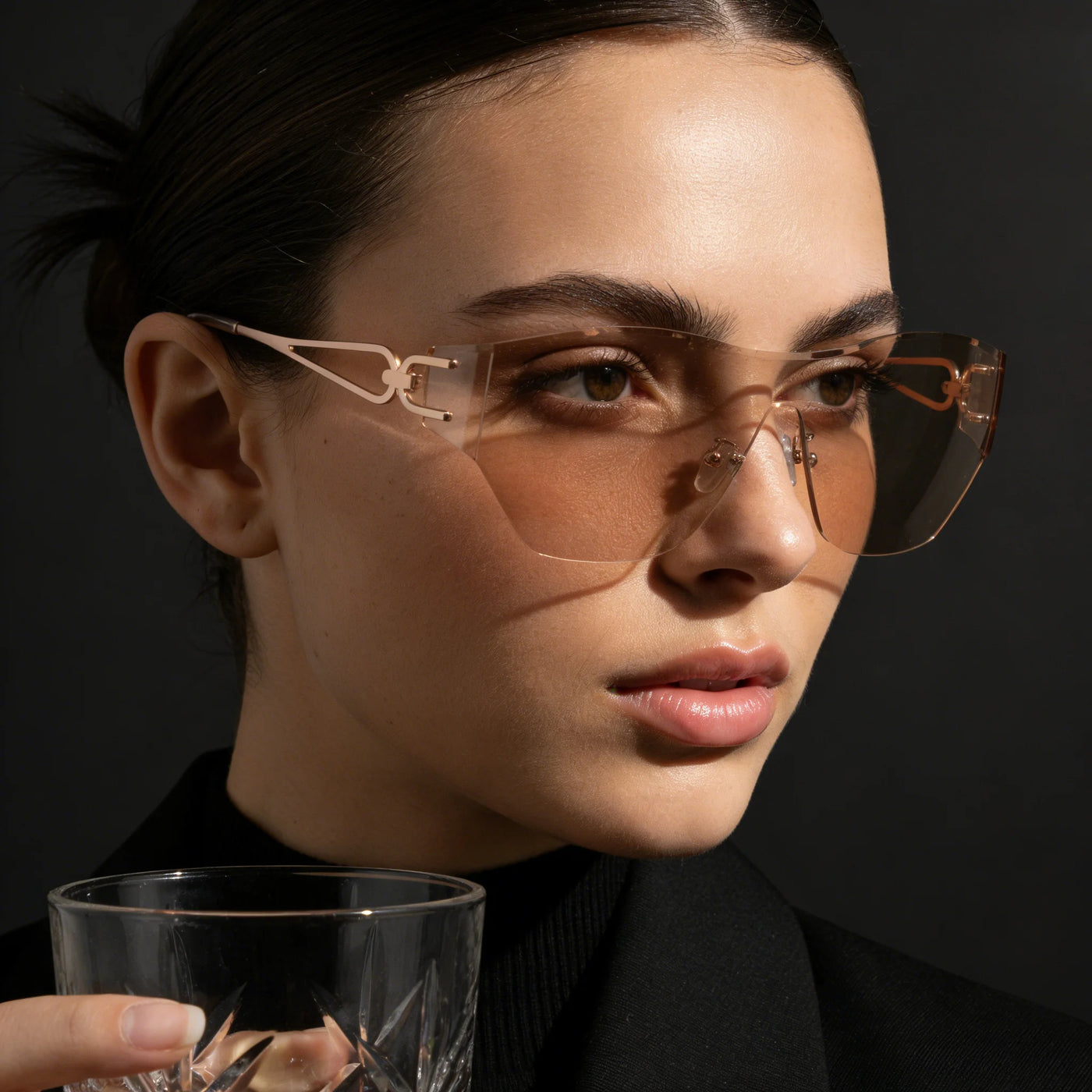

| Product | Best for | Why it fits this guide |
|---|---|---|
| Flow | Wide polarized coverage | Frameless polarized shield coverage for bright outdoor glare, water light, and vacation-level sun. |
| Vanguard | Open-view travel coverage | Rimless shield feel with more coverage and less full-frame heaviness. |
What to Avoid When Buying Sunglasses for Seniors
- Do not choose darkness alone. Dark lenses are not automatically better for aging eyes.
- Do not ignore UV400. Lens color does not prove UV protection.
- Do not buy heavy frames if pressure is already a problem. Weight can matter as much as lens color.
- Do not assume polarized is always better. Polarization helps reflected glare but can affect some screens.
- Do not keep scratched old sunglasses forever. Scratches can reduce clarity and increase visual distraction.
- Do not use non-prescription sunglasses as a substitute for prescription eyewear. If you need vision correction outdoors, check prescription, fit-over, clip-on, or reader options.
Related Guides
| If you care about | Read this |
|---|---|
| Style-focused sunglasses after 50 | Best sunglasses for women over 50 |
| Already wear glasses, readers, or bifocals | Sunglasses over glasses: fit-over, prescription and reader options |
| UV400 and polarization | UV400 vs polarized sunglasses guide |
| Driving glare and lens color | Best sunglasses for driving guide |
| Lens color choices | Sunglasses lens color guide |
| Light sensitivity and soft tints | Light sensitivity sunglasses guide |
| Sliding frames | How to stop glasses from sliding down |
| Rimless lightweight styles | Rimless Gradients |
| Driving and travel coverage | Driving & Travel sunglasses |
FAQ
What are the best sunglasses for seniors?
The best sunglasses for seniors usually combine UV400 protection, comfortable tint, glare control when needed, enough lens coverage, and lightweight fit. For BAPORSSA, start with Backbone for a lightweight rimless look, Luma for glare and adjustable fit, or Glow for changing daylight.
What sunglasses are good for aging eyes?
Good sunglasses for aging eyes should calm brightness without making the view too dark. Look for UV400, readable contrast, enough coverage, and a frame that stays comfortable for long wear.
Are polarized sunglasses good for older eyes?
Polarized sunglasses can help older eyes when reflected glare is the problem, especially around roads, water, wet pavement, and bright surfaces. They are not necessary for every situation.
Are darker sunglasses better for aging eyes?
Not always. Very dark lenses can make transitions, shaded areas, phones, and dashboards harder to see. UV400 protection, glare control, and comfortable tint matter more than darkness alone.
What lens color is best for seniors?
Grey, smoke, brown, and soft gradient lenses are practical starting points. Brown can add warmth and contrast, while gradient lenses can feel easier for daily movement, reading, and phone use.
Are rimless sunglasses good for seniors?
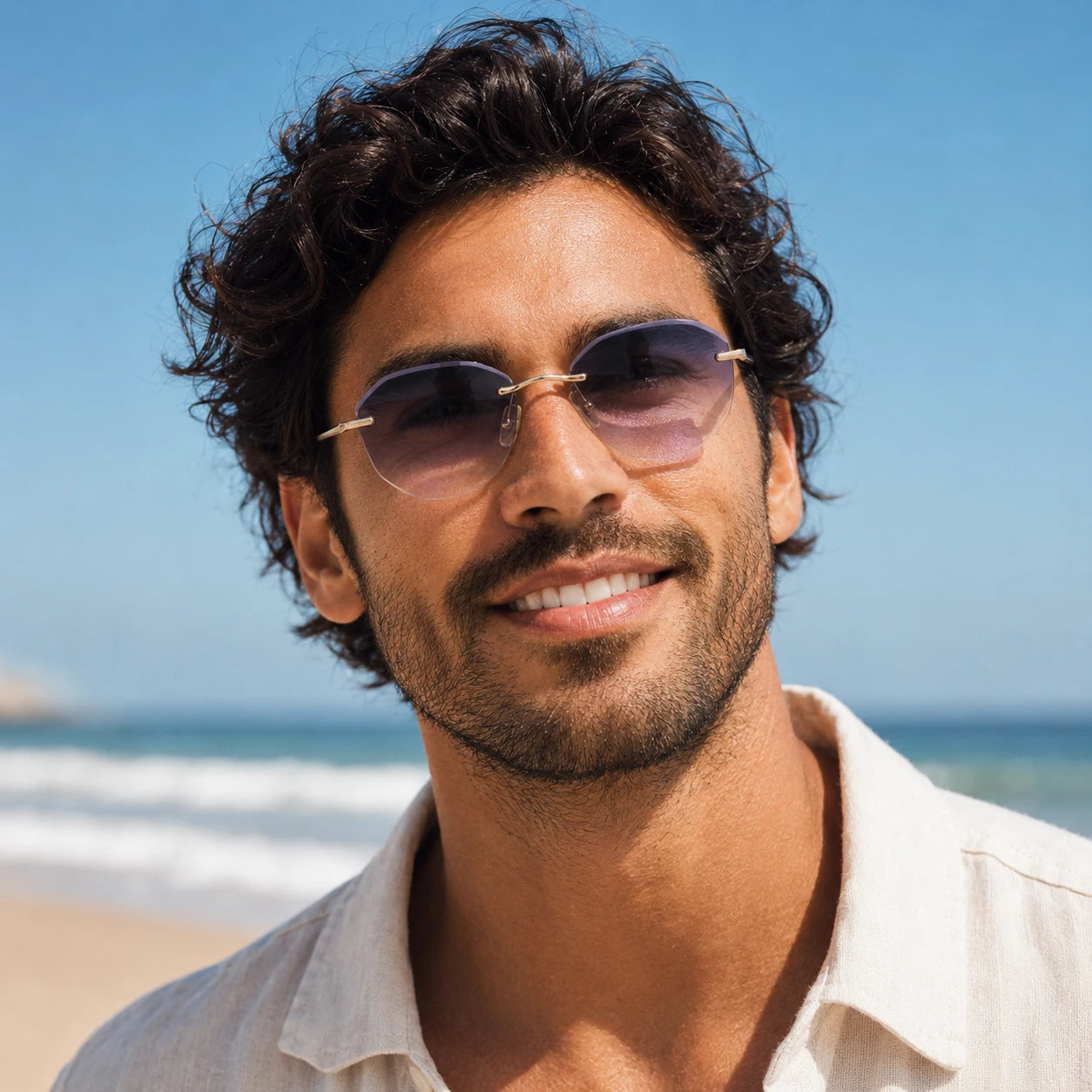
Rimless sunglasses can be good for seniors who want a lighter face feel and less visual bulk. Fit, lens coverage, and UV400 protection still matter.
What sunglasses are best for retirees?
For retirees, choose based on daily activity. Driving and water glare may need polarized lenses; walking and travel may need more coverage; reading outdoors may feel better with a soft gradient lens.
Should seniors choose polarized or non-polarized sunglasses?
Choose polarized sunglasses if reflected glare is the main issue. Choose non-polarized UV400 sunglasses if screen readability, lighter tint, or indoor-outdoor transitions matter more.
Do older adults need UV400 sunglasses?
UV400 is a useful baseline for outdoor sunglasses because it indicates ultraviolet protection up to 400 nm when properly made. Lens darkness alone does not prove UV protection.
What are the best sunglasses for elderly wearers?
For elderly wearers or older adults, look for UV400 protection, glare control when needed, stable fit, comfortable lens color, and enough coverage from overhead or side light. Avoid choosing by darkness alone.
Can seniors wear sunglasses over reading glasses?
Yes, but ordinary sunglasses may not fit over reading glasses. Fit-over sunglasses, clip-ons, prescription sunglasses, or sunglasses with readers may be better if you need reading power outdoors.
Are fit-over sunglasses good for seniors?
Fit-over sunglasses can be useful for seniors who already wear prescription glasses or readers. Check the size, weight, bridge fit, side coverage, and whether the frame feels comfortable over your daily glasses.
What sunglasses are best for women over 50?
Women over 50 often prefer sunglasses that balance coverage, comfort, and a lighter face look. Rimless, soft gradient, oversized, and adjustable nose-pad styles can feel easier than heavy frames.
Final Recommendation
The best sunglasses for seniors are not simply the darkest pair. Choose UV400 protection first, then match the lens and frame to the real use case: daily comfort, glare, changing light, or stronger coverage.
Start with Backbone for the cleanest lightweight rimless look, Luma for polarized glare and adjustable comfort, or Glow for softer changing light. Compare Flow and Vanguard if you want more outdoor coverage.