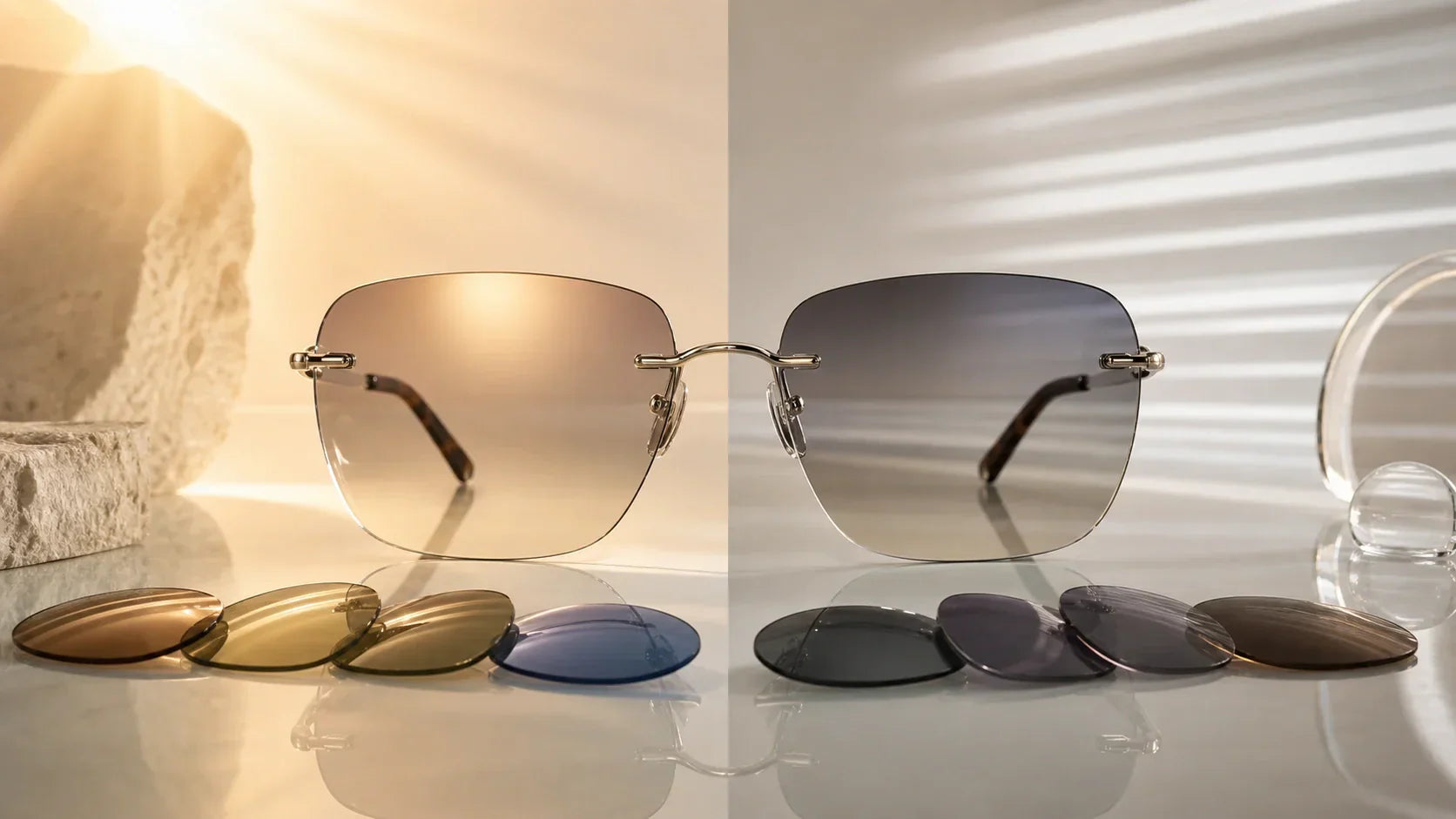
Quick answer: polarized sunglasses are usually the better choice when reflected glare is the problem: bright road shine, water glare, wet pavement, snow, glass, or car hood reflections. Non-polarized sunglasses can still be the better everyday choice when you care more about phone screens, dashboards, a softer view, or easy wear in changing light.
The real question is not whether polarized sunglasses are always better. It is whether you are comparing polarized vs non-polarized sunglasses for the right problem. If you want glare control, polarization matters. If you mainly want UV protection, comfort, screen visibility, or a cleaner face look, other details may matter just as much.
Start here for the main comparison. If you need a deeper answer, use the linked guides for UV400 vs polarized lenses, driving sunglasses, and phone or dashboard screen issues.

Quick Answer: Which Is Better?
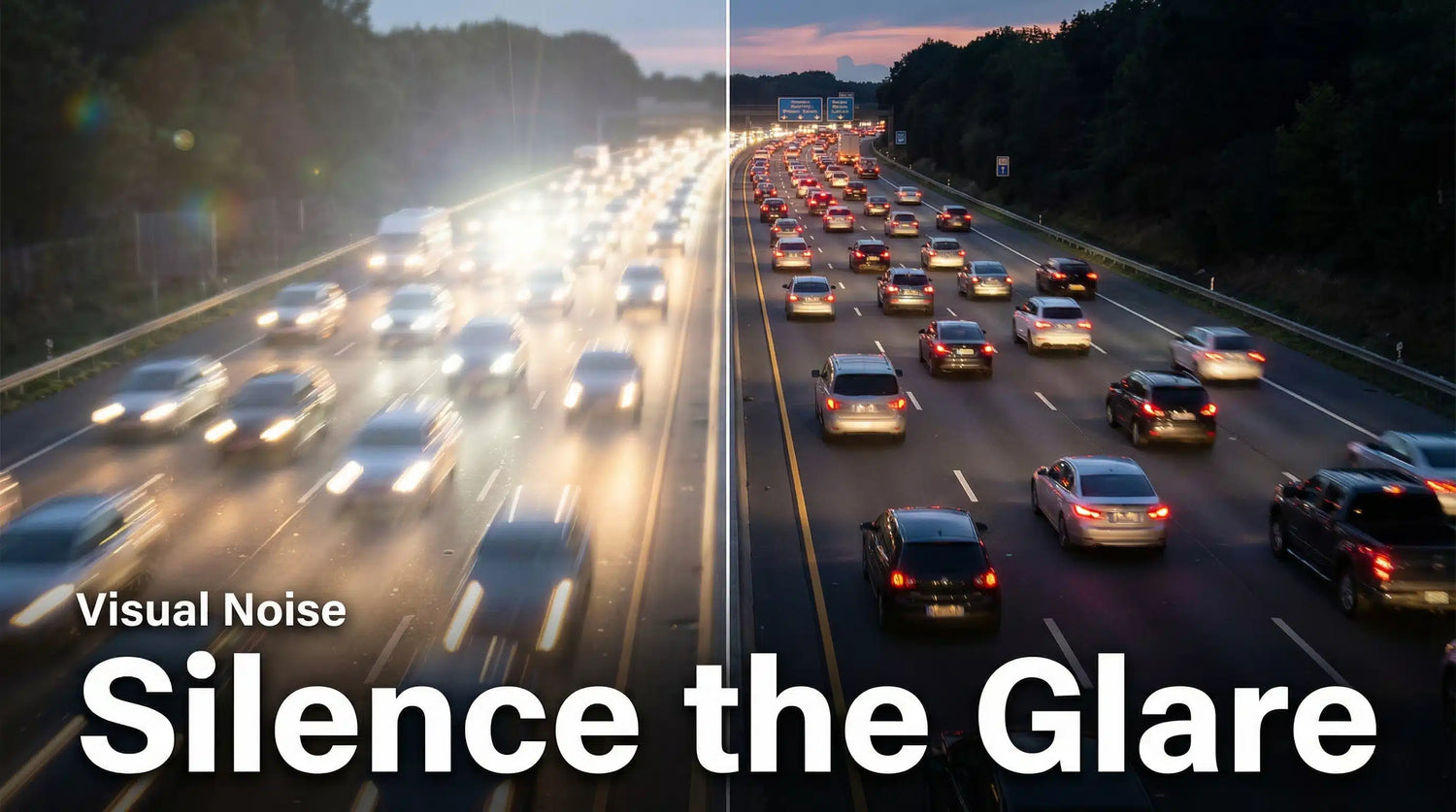
Polarized sunglasses are better for reflected glare. They are useful around roads, water, snow, glass, and other flat reflective surfaces. They can make harsh white shine feel calmer.
Non-polarized sunglasses may be better for screen-heavy or comfort-sensitive days. A good non-polarized UV400 lens can reduce brightness and protect from UV when specified, while usually staying easier with phones, digital dashboards, GPS screens, and camera displays.
| Your main concern | Better starting point | Why |
|---|---|---|
| Road glare, water glare, wet pavement, or glass reflection | Polarized sunglasses | Polarized filters are built to reduce reflected glare. |
| Phone, dashboard, GPS, or camera screens | Non-polarized UV400 or a softer daily lens route | Some polarized lenses can darken or distort screens at certain angles. |
| Everyday UV protection | UV400 first | UV protection and polarization are separate features. |
| Changing sun and shade | Softer tint, gradient, or photochromic route | Very dark glare-control lenses can feel heavy in mixed light. |
| Headache, pressure, or visual discomfort | Check fit, tint, lens curve, and clarity | Comfort issues are often caused by the whole frame-and-lens setup. |
Already choosing a pair? Skip to the BAPORSSA lens route to match glare, screens, driving, and daily comfort with the right starting point.
Polarized vs Non-Polarized Sunglasses: Main Difference
The main difference between polarized and non-polarized sunglasses is how they handle reflected glare.
Polarized sunglasses use a filtering layer that reduces glare bouncing off flat surfaces such as roads, water, snow, glass, and car hoods. They do not automatically mean stronger UV protection.
Non-polarized sunglasses reduce brightness through tint and lens color. They can still protect your eyes if the lens clearly states UV400 or 99–100% UVA/UVB protection, but they do not reduce reflected glare in the same way.
| Feature | Polarized sunglasses | Non-polarized sunglasses |
|---|---|---|
| Main purpose | Reduce reflected glare | Reduce brightness and support style or UV protection when specified |
| Best for | Road glare, water, snow, wet pavement, glass reflections | Screen-heavy days, casual wear, softer tint preferences |
| Screen behavior | Can make some LCD, dashboard, or HUD screens look dark or uneven | Usually easier with phones, dashboards, and displays |
| UV protection | Only when UV400 or UVA/UVB protection is also specified | Only when UV400 or UVA/UVB protection is specified |
| Comfort risk | Can feel intense if tint, curve, screen interaction, or fit is wrong | May feel easier day to day, but controls glare less |
Need to confirm whether a pair is actually polarized? Use our polarized sunglasses test guide.
When Polarized Sunglasses Are Worth It
Polarized sunglasses are worth it when your real problem is not just sunlight, but reflected sunlight. That reflection often appears as a flat white shine on roads, water, cars, glass, snow, or pale pavement.
- Driving in bright daylight: polarization can reduce reflected road glare and wet pavement shine. For the full buying guide, read Best Sunglasses for Driving.
- Beach, boating, pool, or fishing: polarized lenses can make water glare feel calmer and less harsh.
- Bright city walking: polarization can reduce reflection from cars, windows, and pale concrete.
- Snow or high-reflection days: glare control can be useful, although activity and safety needs should guide the final choice.

When Non-Polarized Sunglasses May Be Better
Non-polarized sunglasses are not automatically lower quality. A good non-polarized UV400 lens can be the easier daily choice when your main concern is screen readability, casual brightness control, tint softness, or a more natural view.
- You use screens constantly outdoors. Phones, tablets, car displays, gas pump screens, and camera screens may be easier to read through non-polarized lenses.
- You move between full sun and shade. A softer tint or gradient lens may feel less abrupt than a very dark glare-control lens.
- You dislike a high-contrast look. Some wearers prefer a calmer tint rather than the contrast shift polarization can create.
- You mainly need UV protection and style. In that case, clear UV400 wording and a comfortable frame may matter more than polarization.
For screen-specific fixes, read Can’t see your phone with polarized sunglasses?
Common Drawbacks of Polarized Sunglasses
The main disadvantages of polarized sunglasses are screen interference, possible dashboard or HUD visibility issues, visual discomfort for some wearers, and less flexibility in changing light.
| What you notice | Possible reason | What to try |
|---|---|---|
| Phone screen turns black or rainbow-like | Screen polarization conflicts with lens polarization | Rotate the phone, raise brightness, or use a non-polarized UV400 pair for screen-heavy days |
| Car dashboard or HUD is harder to read | Some displays do not pair well with polarized lenses | Test the sunglasses in your own car before relying on them for driving |
| View feels too sharp or strange | Contrast shift, lens curve, or edge distortion | Try a flatter lens, better optical clarity, or a softer tint |
| Pressure around nose or temples | Frame fit may be causing discomfort | Choose lighter frames, adjustable nose pads, or a less tight temple fit |
Can Polarized Sunglasses Cause Headaches or Dizziness?
Some people ask whether polarized sunglasses can cause headaches or make them feel dizzy. They can feel uncomfortable for some wearers, but the reason is usually not polarization alone. The issue is often a mix of screen interference, lens curve, tint darkness, optical clarity, contrast shift, or frame pressure at the nose and temples.
This guide is about lens comfort and daily-use decisions. It is not a medical diagnosis. If sunglasses repeatedly trigger dizziness, nausea, headaches, or unusual visual discomfort, stop wearing that pair and ask an eye-care professional.
- Headache near the temples: check frame width and temple pressure.
- Pressure at the nose bridge: check nose pads, bridge fit, and frame weight.
- Eye fatigue in shade: the tint may be too dark for changing light.
- Screen distortion: the polarized filter may be interacting with the display angle.
Driving, Screens, and Daily Use: Which Route Fits You?
This page gives you the main comparison. The more detailed questions belong to dedicated guides:
| Question | Read next | Why |
|---|---|---|
| Are polarized sunglasses good for driving? | Best Sunglasses for Driving | Focuses on road glare, lens color, dashboard visibility, and driving picks. |
| Why is my phone screen dark through polarized lenses? | Phone, Dashboard & HUD Fixes | Explains screen blackout, rainbow effects, and quick fixes. |
| Does lens darkness matter? | Cat 3 Sunglasses & VLT Guide | Explains brightness category and daytime driving lens depth. |
| Which tint color is best? | Sunglasses Lens Color Guide | Compares gray, brown, rose, green, and gradient tint routes. |

BAPORSSA Lens Route: Choose by Your Real Problem
For BAPORSSA, the practical buying logic is simple: choose by the problem first, not by the label alone. Check each product page for the exact lens specification, tint, material, and colorway before buying.
| If your main issue is... | Start with... | Why |
|---|---|---|
| Road glare or long sunny driving | Driving & Travel collection | Best route for road light, travel days, and glare-heavy outdoor movement. |
| Water glare or strong open-air reflection | Flow | Start here when you want wider coverage and stronger glare-control presence. |
| Changing daylight and driving | Shift | Useful when your day moves between driving, outdoor light, and screen checks. |
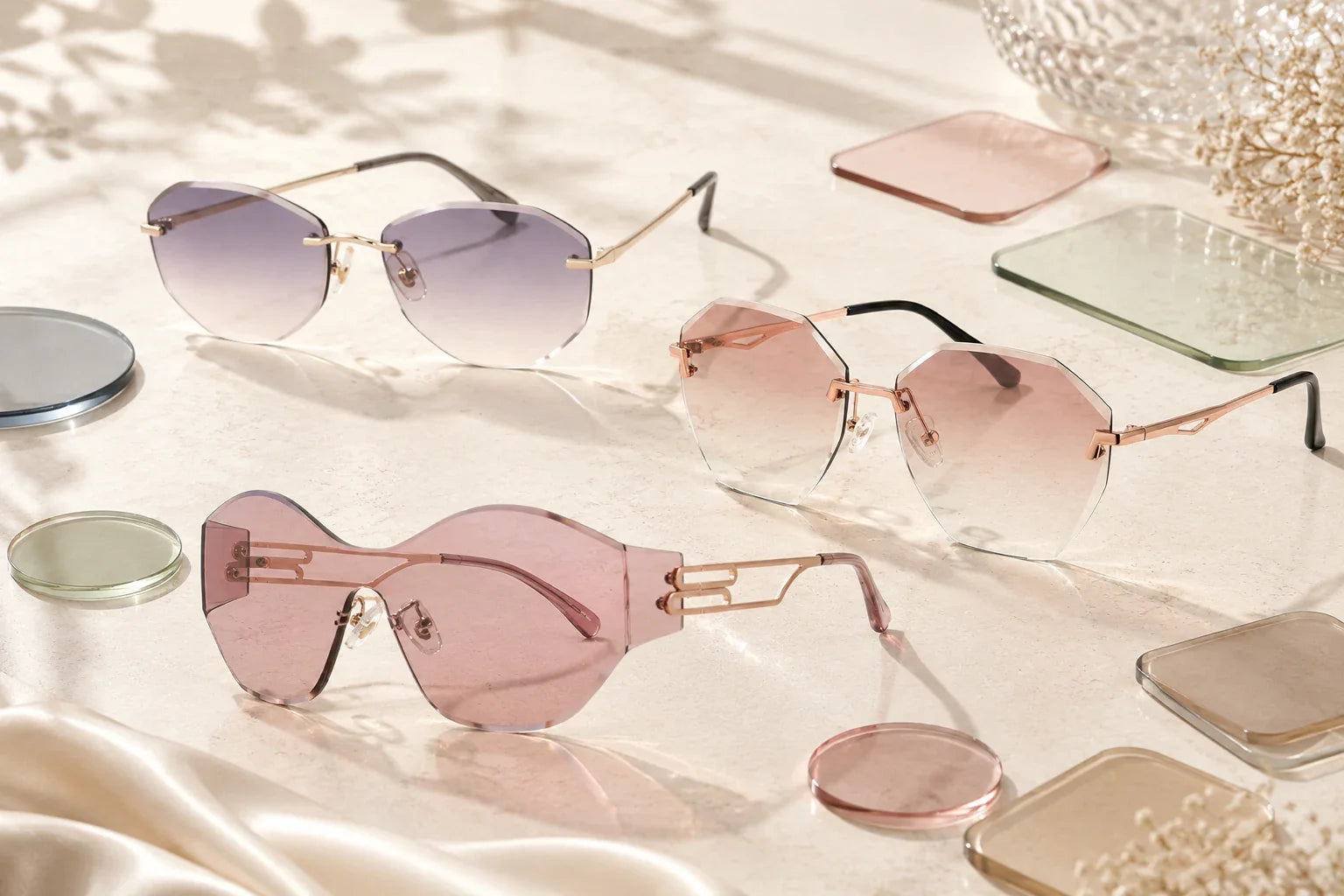
| Phone-heavy daily wear or a softer face look | Rimless Gradients collection | A lighter visual route when you want less frame weight around the face. |
| Lightweight daily comfort | Luma | A cleaner daily starting point when frame feel and easy wear matter most. |
If the comparison helped you narrow the problem, start with one of these three routes: stronger glare control, changing-light driving, or lighter daily comfort.



Related Lens & Light Guides
- UV400 vs Polarized Sunglasses
- How to Tell If Sunglasses Are Polarized
- Can’t See Your Phone with Polarized Sunglasses?
- Best Sunglasses for Driving
- Sunglasses Lens Color Guide
- Photochromic vs Polarized Sunglasses
FAQ
Are polarized sunglasses better?
They are better when reflected glare is the problem. They are not automatically better for screens, dashboards, changing light, or every comfort-sensitive wearer.
Are polarized sunglasses worth it?
They are worth it if road glare, water glare, snow glare, or glass reflection is your main problem. They may not be worth it if screen visibility or visual comfort matters more in your daily routine.
What is the difference between polarized and non-polarized sunglasses?
Polarized sunglasses are designed to reduce reflected glare. Non-polarized sunglasses reduce brightness and may provide UV protection when specified, but they do not filter reflected glare in the same way.
Should I get polarized or non-polarized sunglasses?
Choose polarized if glare from reflective surfaces is your main issue. Choose non-polarized UV400 or a softer tint if screen visibility, shade transitions, or a more natural daily view is more important.
What are the disadvantages of polarized sunglasses?
The main disadvantages are screen blackout, dashboard or HUD visibility issues, possible visual discomfort for some wearers, and less flexibility when moving between full sun and shade.
Are polarized sunglasses good for driving?
They can be good for bright daytime road glare and wet pavement reflection. Test your car dashboard, phone, and head-up display first, because some displays can look darker through polarized lenses.
Can polarized sunglasses cause headaches?
They may contribute to discomfort for some people if the frame is tight, the lens is too dark, screen visibility is poor, or the optical setup does not suit the wearer. Frequent headaches should be discussed with an eye-care professional.
Are non-polarized sunglasses bad for your eyes?
No, not if they clearly provide proper UV protection. Non-polarized sunglasses can still be protective when they state UV400 or 99–100% UVA/UVB protection.
Do polarized sunglasses automatically block UV?
No. Polarized means glare filtering. UV400 means ultraviolet protection. Always check the product specification for UV protection separately.
Do polarized sunglasses make a difference?
Yes, when reflected glare is the problem. The difference is usually easiest to notice around water, wet roads, snow, glass, and bright car reflections.