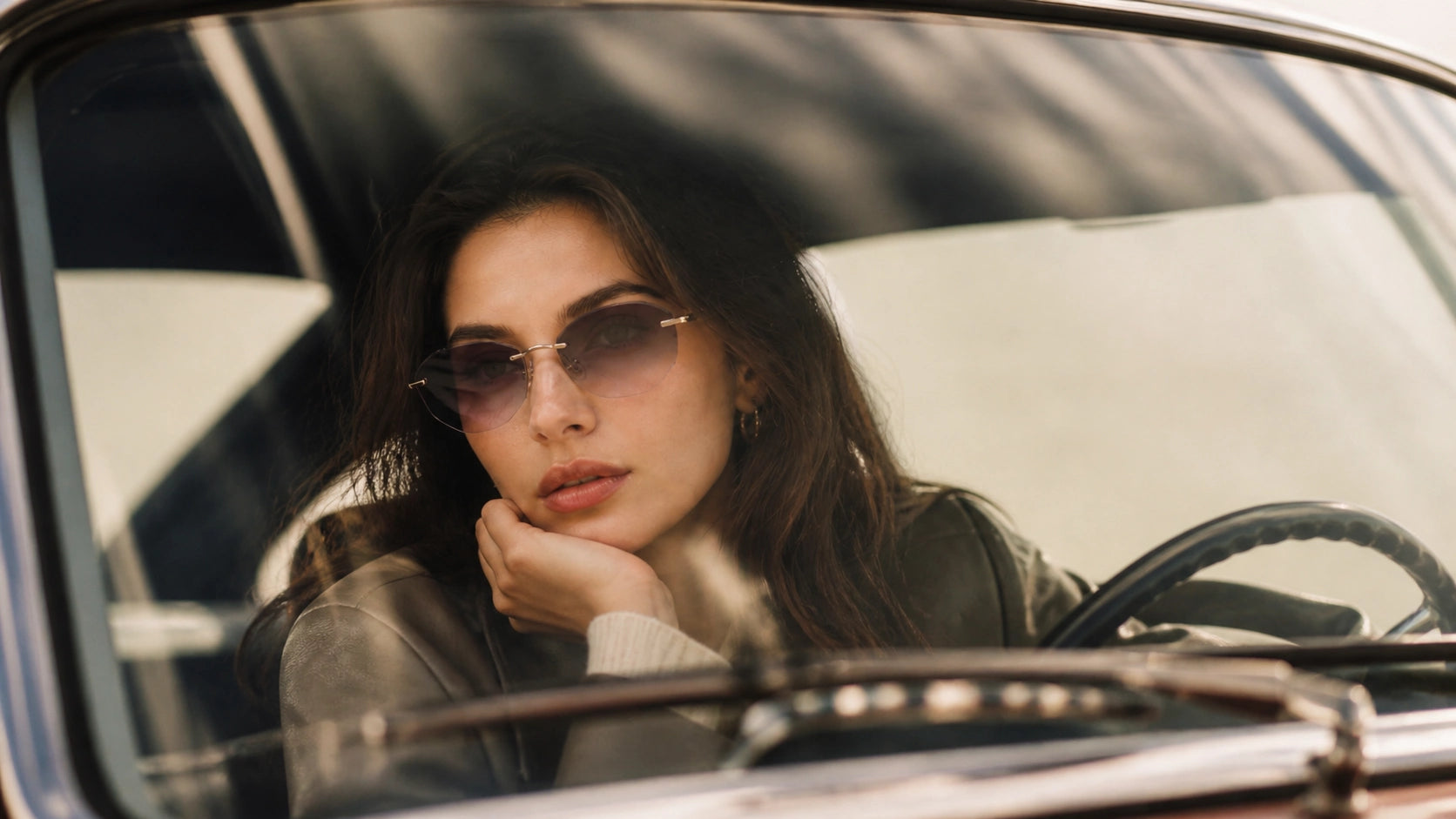

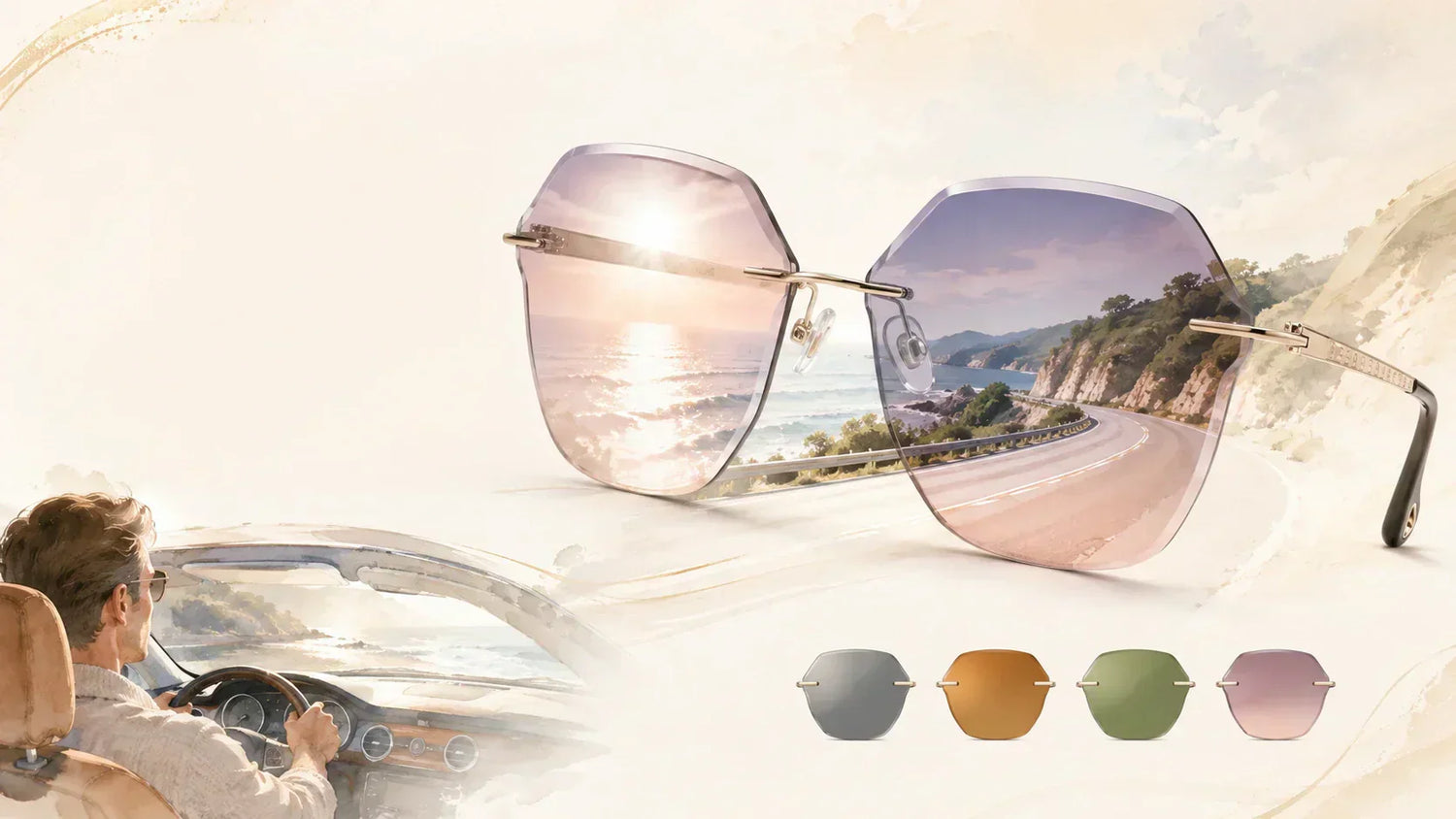
The best sunglasses for driving into the sun are not simply the darkest lenses. A good driving pair should reduce harsh brightness, soften reflected road glare, keep traffic lights readable, preserve side vision, and still let you see the dashboard clearly.

For BAPORSSA, driving sunglasses should feel useful in real daylight: low-angle sun, wet-road reflections, windshield glare, bright white cars, city glass, and long afternoon drives. The right pair depends on whether your main problem is glare, changing light, dashboard visibility, or comfort during long wear.
BAPORSSA route: choose Shift for driving and changing light, Luma for lightweight daily driving comfort, Flow for wide road-glare coverage, or Onyx for a darker city-driving style. Check each product page and colorway for exact lens details before buying.
Best Sunglasses for Driving: Quick Picks
| Driving problem | BAPORSSA pick | Why it works |
|---|---|---|
| Low sun and changing daylight | Shift | Best overall BAPORSSA route for commuting, road glare, and outdoor-to-shade movement. |
| Daily road glare and lightweight comfort | Luma | Lightweight frame direction with polarized lens options and adjustable nose pads. |
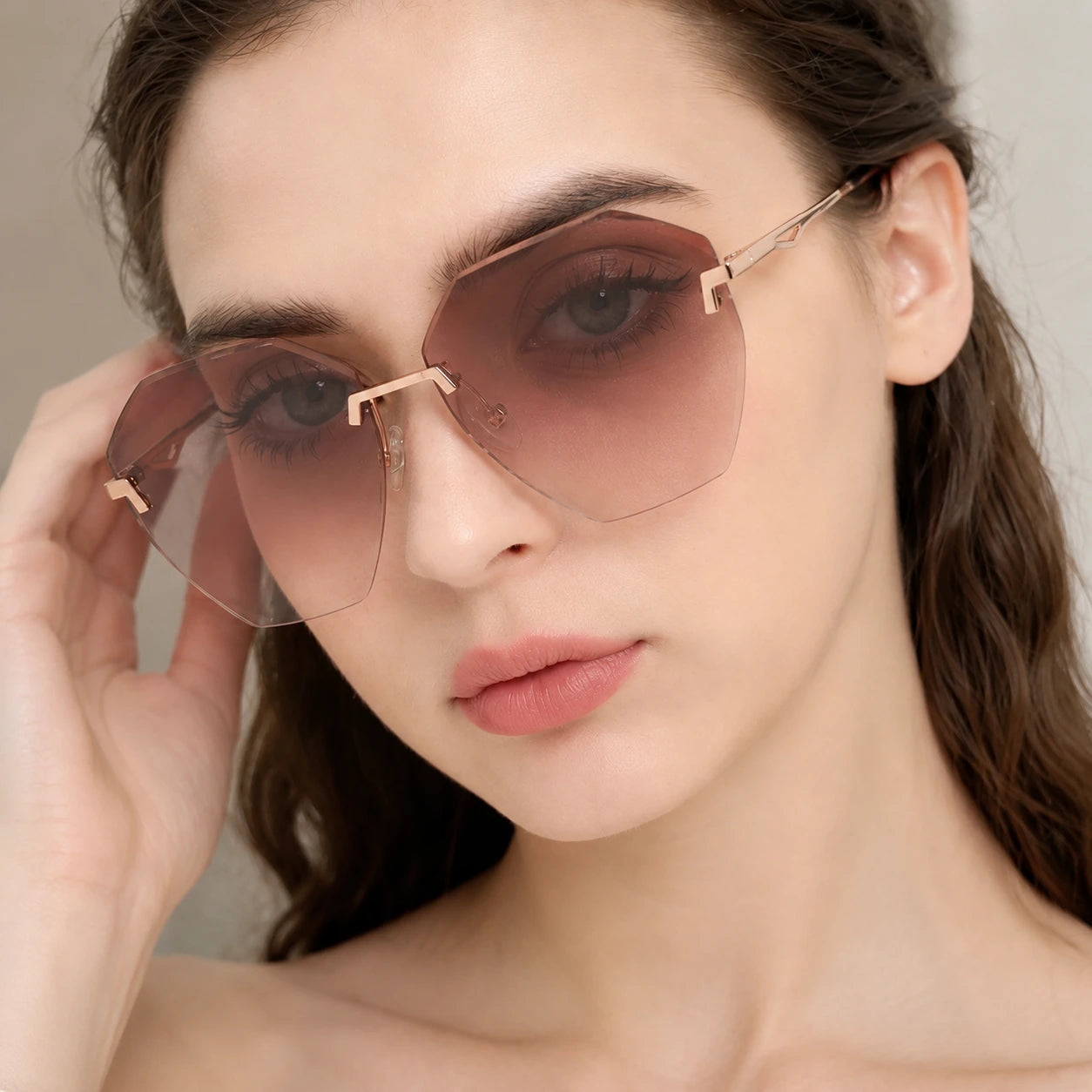
| Wide glare from open roads, water, or travel light | Flow | Wide rimless shield coverage for stronger light without a heavy full-frame border. |
| Darker city-driving style | Onyx | Polarized titanium cat-eye route with a darker, lifted look. |
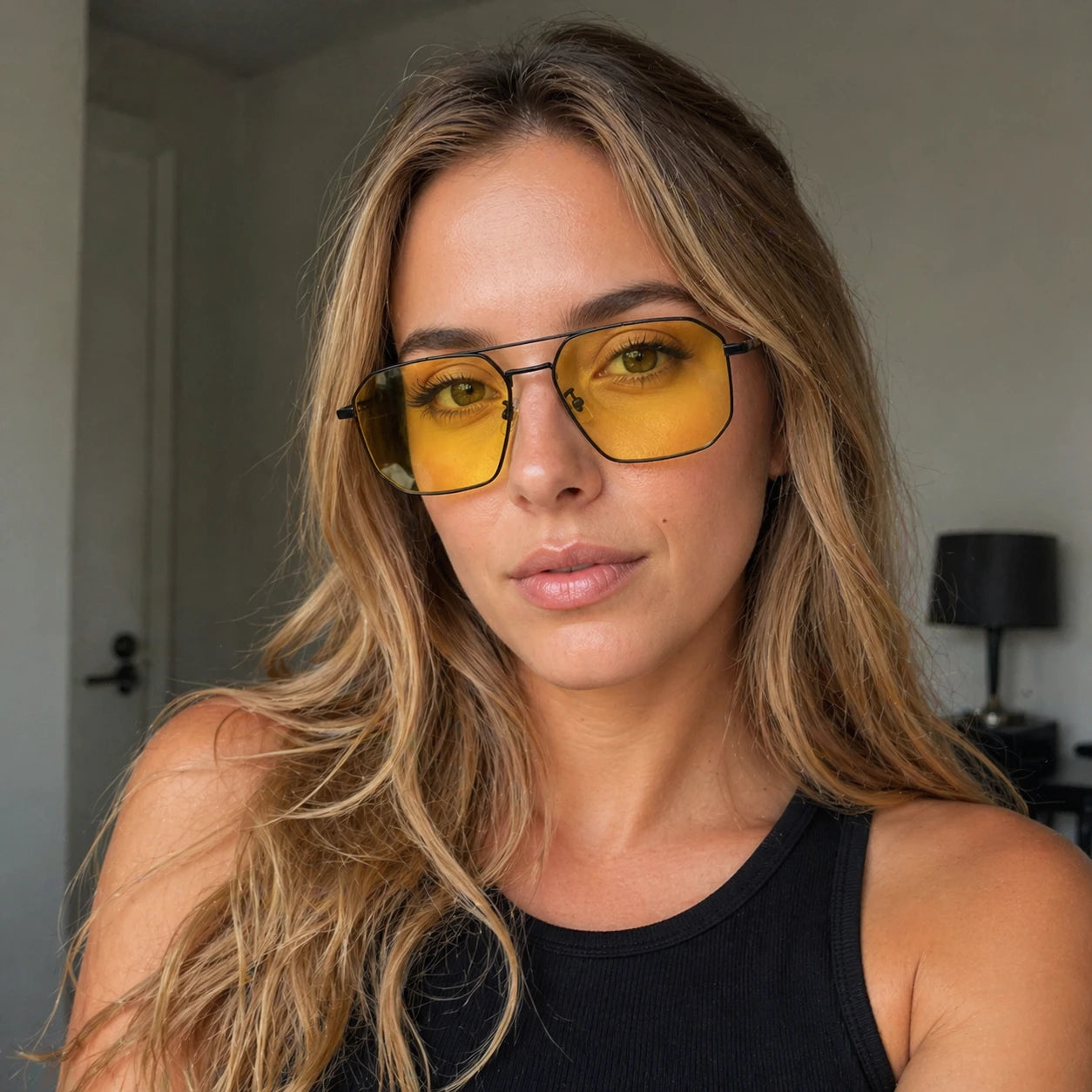

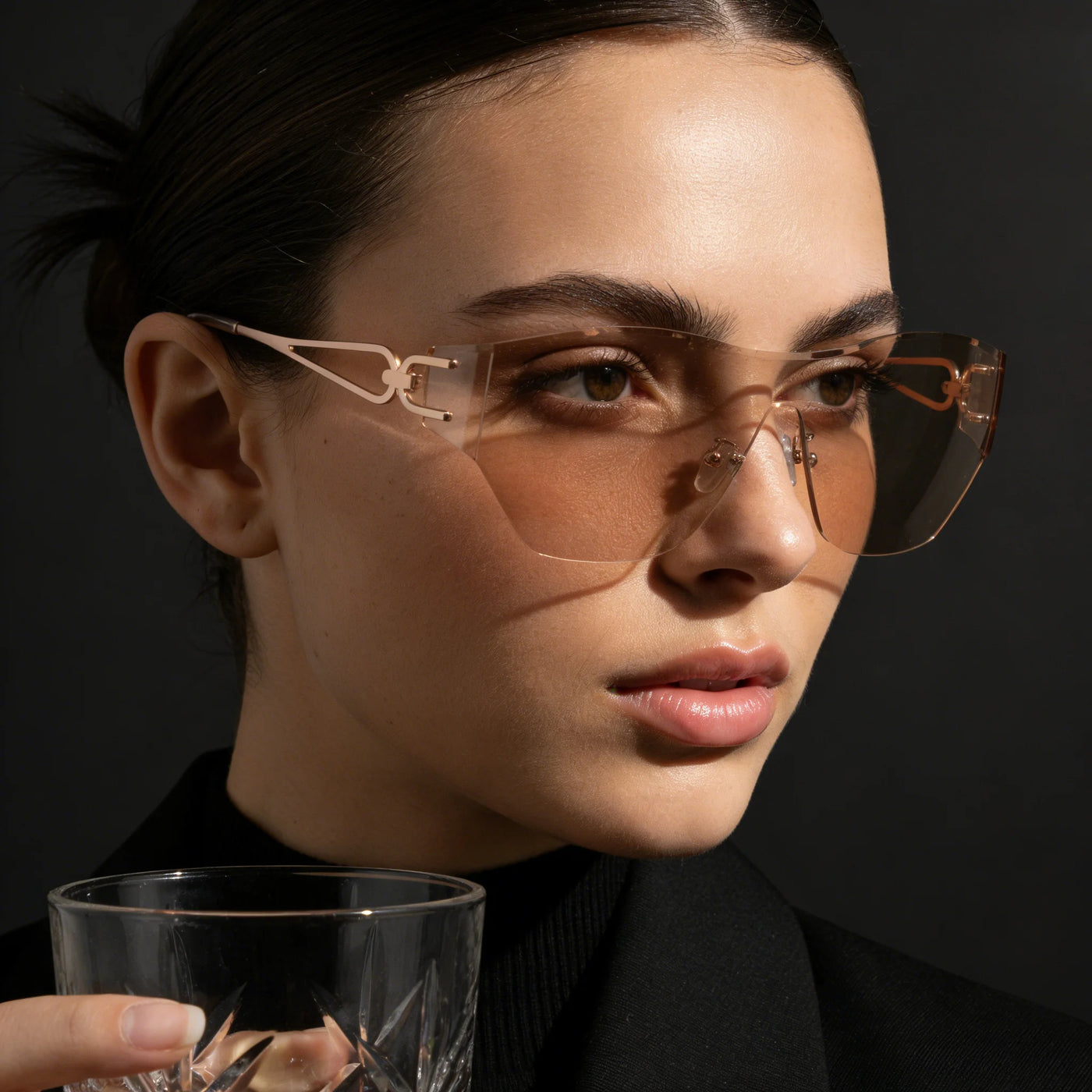
Which Driving Pair Should You Choose?
Start with the driving condition you actually face most often. A pair that works for beach glare may not be the easiest pair for dashboard visibility. A darker lens may feel useful at noon but too heavy in shade.

| If you mostly drive in... | Choose | Reason |
|---|---|---|
| Morning or late-afternoon low sun | Shift | Best route when light changes quickly and glare comes from a lower angle. |
| City roads, errands, everyday daylight | Luma | Best lightweight daily choice for women and men who want less pressure and easy repeat wear. |
| Open roads, coastal drives, water reflection, vacation driving | Flow | Best wide-coverage route when glare enters from more than one direction. |
| Bright city light with a stronger style preference | Onyx | Best darker statement route with a lifted cat-eye shape and polarized lens direction. |
What Makes Sunglasses Good for Driving?
Good driving sunglasses solve three problems at the same time: brightness, glare, and readability. They should make the road easier to read without making the view too dark. They should also avoid blocking your side vision or making dashboard screens harder to see.
- Enough brightness control: useful for low sun, white pavement, and open roads.
- Glare control: important for wet roads, windshields, water, snow, and reflective cars.
- Readable lens color: gray, smoke, brown, bronze, and some gradient lenses are usually easier than fashion-only tints.
- Comfortable fit: nose pads, temple pressure, and lens width matter during longer drives.
- Screen awareness: some polarized lenses can affect dashboards, HUDs, and phone screens at certain angles.
Best Sunglasses for Driving Into the Sun

Driving into the sun is difficult because the light comes directly into the windshield, often from a low angle. A very dark lens may reduce brightness, but it can also make shaded areas harder to read. The better route is a lens that balances brightness control with contrast and road visibility.
Shift is the strongest BAPORSSA pick for this scenario. It is built around driving, commuting, and changing light. If you want an easier everyday frame with less visual weight, Luma is the safer daily alternative.
Best Anti-Glare Sunglasses for Driving

Anti-glare driving sunglasses should target reflected light, not only overhead brightness. Wet roads, windshields, chrome details, glass buildings, and light-colored cars can all produce glare that feels sharper than ordinary sunlight.
Polarized lenses can help with reflected glare, but fit and coverage still matter. A small lens may let light leak around the sides. A wide frame may improve coverage but feel uncomfortable if it slides or blocks peripheral vision.
Flow is useful when coverage is the priority. Luma is useful when comfort and daily wearability matter more than shield-level coverage.
Best Polarized Sunglasses for Driving

Polarized sunglasses can reduce reflected road glare, especially on wet pavement or bright flat surfaces. They are not automatically the best choice for every dashboard, screen, or head-up display, so driving comfort should include both glare control and screen visibility.
Choose Shift if driving is your main use case. Choose Luma if you want a lighter polarized option for daily city driving. Choose Onyx if you want a darker and more style-forward polarized route.
For a broader women’s buying page, compare the best polarized sunglasses for women.
Best Lens Color for Driving
Lens color affects how quickly you read the road. For driving, the best lens color is usually the one that reduces brightness without making signals, shadows, screens, or road texture harder to understand.

| Lens color | Driving effect | Best for |
|---|---|---|
| Gray or smoke | Keeps color perception more neutral while reducing brightness | Bright sun, daily roads, drivers who want the cleanest view. |
| Brown or bronze | Adds warmth and contrast | Mixed light, road texture, city driving, travel. |
| Gradient | Darker at the top and lighter below | Dashboard checks, city driving, driving between sun and shade. |
| Very dark lens | Strong brightness reduction but less flexibility | Bright daytime only; avoid for night and low-light driving. |
For a full tint breakdown, read the sunglasses lens color guide.
Cat 3 Sunglasses for Driving
Cat 3 sunglasses are designed for strong brightness and are often used for bright daylight. For daytime driving, a Cat 3-style tint can be useful when the sun is intense, but the lens still needs to preserve road detail and dashboard readability.
Do not use very dark Category 4-style sunglasses for driving. They are meant for extremely bright environments such as high mountains or glaciers and can be too dark for road use. Also avoid dark sunglasses for night driving.
For more detail on lens categories, read Cat 3 sunglasses explained.
HUD, Dashboard and Phone Screen Visibility

Modern driving involves more screens than before: dashboard displays, navigation screens, phone maps, and sometimes head-up displays. Some polarized lenses can make LCD screens look darker or create rainbow effects at certain angles.
This does not mean polarized sunglasses are bad for driving. It means you should check the specific screen behavior if your car relies heavily on a dashboard or HUD. If you often use a head-up display, test the pair in your own car before relying on it for long drives.
For screen-specific guidance, read do polarized sunglasses work with phone screens?
What to Avoid When Buying Driving Sunglasses
- Do not choose the darkest lens automatically. Too much darkness can reduce readability in shade or changing light.
- Do not ignore lens category. Very dark Category 4-style lenses are not appropriate for driving.
- Do not buy only for polarization. Polarization helps glare, but UV protection, tint, fit, and dashboard visibility still matter.
- Do not choose frames that block side vision. Wide temples or oversized shapes can interfere with mirror checks.
- Do not use dark sunglasses at night. Night driving needs clear visibility, not sun tint.
- Do not ignore windshield cleanliness. Dirty glass makes glare worse even with better sunglasses.
BAPORSSA Driving Picks Compared
| Product | Best role | Best for | Style result |
|---|---|---|---|
| Shift | Best overall driving route | Low sun, commuting, road glare, changing daylight | Titanium driving style with technical daylight logic. |
| Luma | Best lightweight daily driving pair | City driving, errands, adjustable fit, everyday glare | Light metal frame with a softer daily look. |
| Flow | Best wide glare coverage | Open roads, coastal drives, water glare, bright travel light | Wide rimless shield coverage without a heavy full frame. |
| Onyx | Best darker city-driving style | Drivers who want polarized function with a sharper fashion line | Titanium cat-eye with a darker lifted look. |
| Glow | Best soft daylight support | Changing outdoor light and a softer face result | Rimless photochromic gradient direction, not the main glare-first driving pick. |

Related Guides
| If you care about | Read this |
|---|---|
| Polarized glare control | Best polarized sunglasses for women |
| UV400 vs polarization | UV400 vs polarized sunglasses |
| Cat 3 brightness | Cat 3 sunglasses explained |
| Lens color | Sunglasses lens color guide |
| Phone and dashboard screens | Polarized sunglasses and screens |
FAQ
What are the best sunglasses for driving into the sun?
The best sunglasses for driving into the sun reduce brightness without making the road too dark. Shift is the strongest BAPORSSA route for low sun and changing daylight. Luma is the easier lightweight daily option.
Are polarized sunglasses good for driving?
Polarized sunglasses can be good for daytime driving because they can reduce reflected road glare. They may affect some dashboards, HUDs, or screens at certain angles, so test screen visibility if that matters in your car.
What lens color is best for driving sunglasses?
Gray, smoke, brown, bronze, and some gradient lenses are usually practical driving choices. Gray feels more neutral, brown adds contrast, and gradient lenses can help when you need dashboard visibility.
Are Cat 3 sunglasses good for driving?
Cat 3 sunglasses can be useful for bright daylight driving when the lens still preserves road detail and visibility. Very dark Category 4-style sunglasses should not be used for driving.
What are the best anti-glare sunglasses for driving?
The best anti-glare sunglasses for driving reduce reflected glare while keeping the road readable. For BAPORSSA, start with Shift for driving, Luma for lightweight daily wear, or Flow for wider coverage.
Can I wear sunglasses for night driving?
Dark sunglasses should not be used for night driving. Night driving needs maximum visibility, clean windshields, and proper lighting, not sun tint.
Are darker sunglasses better for driving?
Not always. A darker lens can reduce brightness, but it can also make shaded areas, dashboards, or road details harder to read. Choose a lens that balances brightness control with visibility.
Should driving sunglasses be polarized or non-polarized?
Polarized lenses are helpful for reflected glare, but some drivers prefer non-polarized lenses if dashboard or HUD visibility is the priority. The best choice depends on your car screens and your glare problem.
Final Recommendation
For driving, choose sunglasses by the light problem first. If low sun and changing daylight are the issue, start with Shift. If you want a lighter daily pair, choose Luma. If you need more wide coverage for open roads or travel glare, choose Flow. If you want a darker lifted city-driving style, choose Onyx.