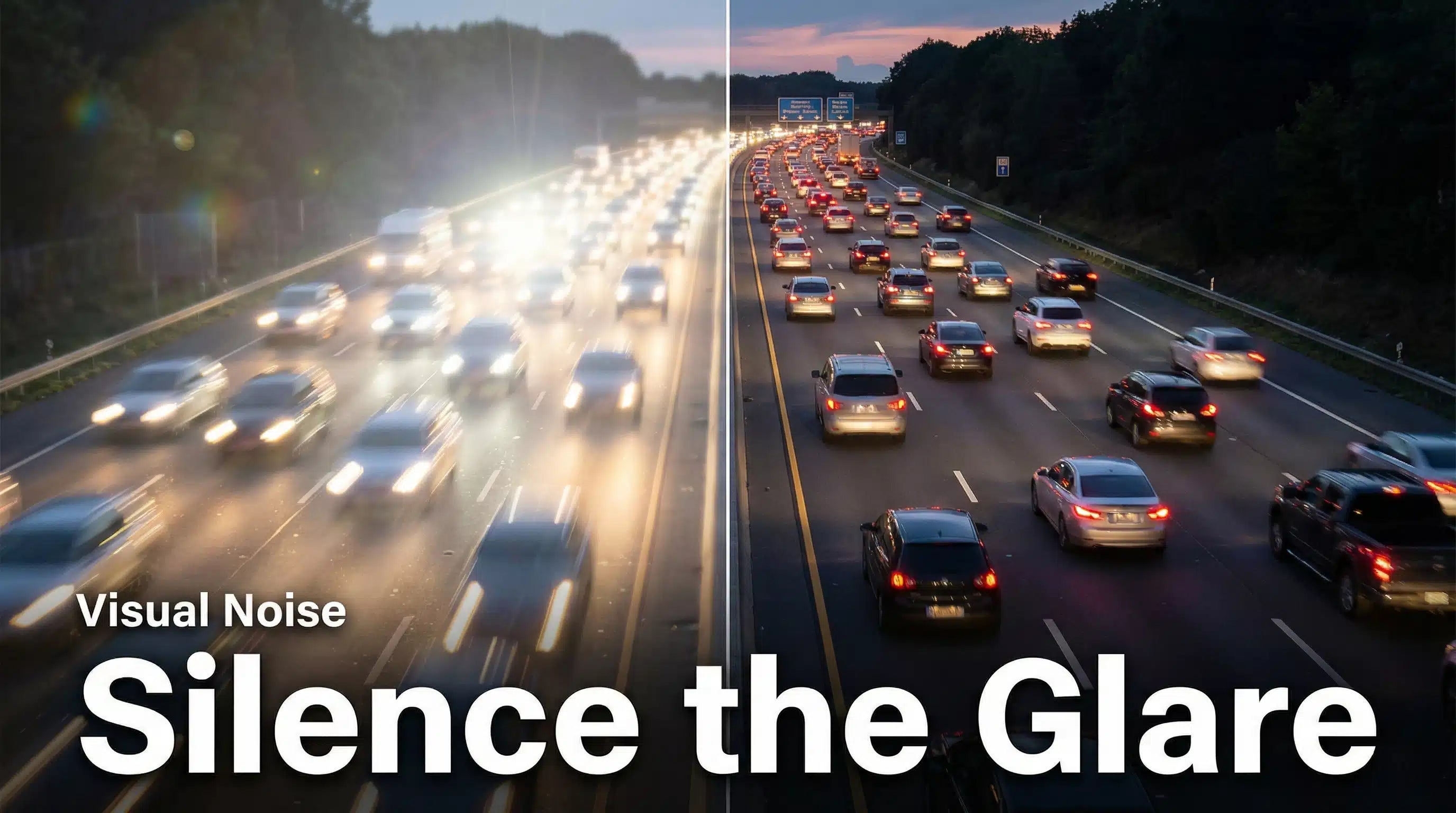

Quick answer: UV400 does not mean polarized. UV400 describes ultraviolet protection. Polarized describes reflected-glare reduction. One protects against UV exposure; the other helps reduce harsh reflections from roads, water, snow, glass, wet pavement, and car hoods.
For sunglasses, use this rule: choose UV400 first, then add polarization when glare matters. A lens can be UV400 without being polarized. A lens can be polarized without clearly stating UV400. The best pair for bright outdoor use often combines both, but the right choice depends on how you use your sunglasses.
| Question | Direct answer |
|---|---|
| Does UV400 mean polarized? | No. They are different lens features. |
| What does UV400 do? | It addresses UV protection up to 400 nm. |
| What does polarized do? | It reduces reflected glare from bright surfaces. |
| Can sunglasses be both? | Yes, if both features are listed. |
| Which matters first? | UV400 is the protection baseline. |
| When does polarization matter? | Driving, water, wet pavement, snow, open roads, and strong outdoor glare. |

UV400 vs Polarized: The Main Difference
| Feature | UV400 | Polarized |
|---|---|---|
| Main job | UV protection | Reflected-glare reduction |
| Best for | Baseline sun protection | Road, water, wet surface, glass, snow, and bright horizontal glare |
| Does it mean darker lenses? | No | No |
| Does it prove the other feature? | No | No |
| Useful for daytime driving? | Yes, as the protection baseline | Often useful for glare, but screens should be checked |
| Screen tradeoff | Usually minimal | Can darken some LCD, GPS, phone, dashboard, ATM, or HUD displays |
Does UV400 Mean Polarized?
No. UV400 does not mean polarized. UV400 is about ultraviolet protection. Polarization is about glare control. They can exist together, but one label does not automatically prove the other.
This matters because lens darkness can be misleading. A very dark lens is not automatically UV400. A polarized lens is not automatically UV400. A UV400 lens is not automatically polarized. Always check the product specification instead of judging by tint color or darkness alone.
What Does UV400 Mean on Sunglasses?
UV400 means the lens is designed to block ultraviolet wavelengths up to 400 nanometers. In practical buying terms, it is the protection baseline you should look for before judging tint, color, frame shape, or polarization.
Look for wording such as UV400, 100% UVA/UVB protection, or blocks UVA and UVB. Do not use the visible darkness of the lens as proof of UV protection. A lighter lens can still be UV400, and a dark lens can still be unclear if the UV claim is missing.
What Does Polarized Mean?
Polarized sunglasses use a glare-filtering structure designed to reduce reflected light from flat, shiny, or bright surfaces. This is why polarization can feel helpful near water, wet pavement, snow, glass, car hoods, open roads, and strong outdoor reflections.
Polarized does not simply mean darker. It means the lens is built to address a specific glare problem. If your main issue is squinting from reflected light, polarization can be more useful than simply choosing a darker tint.
Related guide: How to Tell If Sunglasses Are Polarized.
Does Polarized Mean UV Protection?
No. Polarized does not automatically mean UV protection. A polarized lens may reduce glare, but UV protection still needs to be confirmed separately.
Use this buying sequence:
- Check UV400 first. This answers the protection question.
- Ask whether glare is actually your problem. Roads, water, snow, glass, and wet pavement are common clues.
- Add polarization when glare matters. This is especially useful for daytime driving, beach days, boating, lake paths, and bright travel.
- Check screen visibility. Some polarized lenses can darken phones, GPS screens, dashboards, or HUD systems at certain angles.
Can Sunglasses Be Both UV400 and Polarized?
Yes. Sunglasses can be both UV400 and polarized. This is often the strongest route when you want UV protection and glare control together.
For BAPORSSA shoppers, this page is less about choosing “polarized or not polarized” and more about choosing the right UV400 + polarized route for your use case: driving, water glare, travel, daily city wear, or a softer face-visible lens look.
Which One Should You Choose?
| Your main need | Better route | Why |
|---|---|---|
| Basic daytime sun protection | UV400 baseline | UV400 answers the UV protection question. |
| Road glare or wet-pavement glare | UV400 + polarized | Polarization helps reduce reflected road glare. |
| Water, beach, lake, or snow glare | UV400 + polarized coverage | Reflected glare is usually stronger in these environments. |
| Phone, GPS, dashboard, or HUD-heavy use | UV400 + screen visibility check | Polarized lenses can make some displays darker at certain angles. |
| Cleaner face look or softer daily styling | UV400 + lighter tint / gradient route | Lens color and frame shape affect how visible the face feels. |
| Bright sun comfort | UV400 + suitable Cat 2 or Cat 3 tint | Lens category affects visible brightness, not UV protection by itself. |
BAPORSSA Route: Choose by Situation
Use the table below to choose based on where glare happens, not by the label alone.
| Use case | Best route | Start with |
|---|---|---|
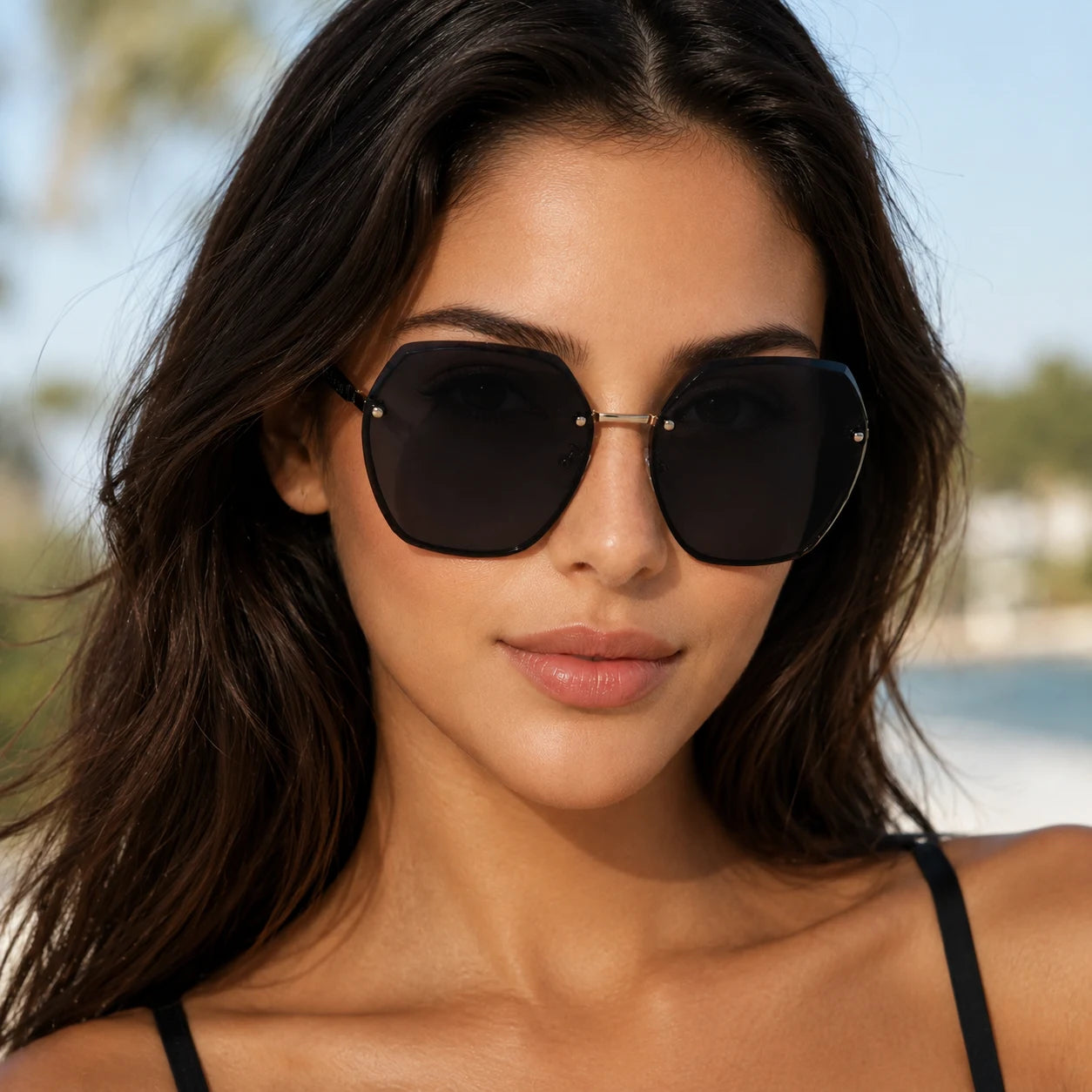
| Strong road glare, open-sky driving, wet pavement | Driving and travel glare-control route | Vanguard |
| Water, beach, lake paths, boating, wide outdoor brightness | Coverage + reflected-glare route | Flow |
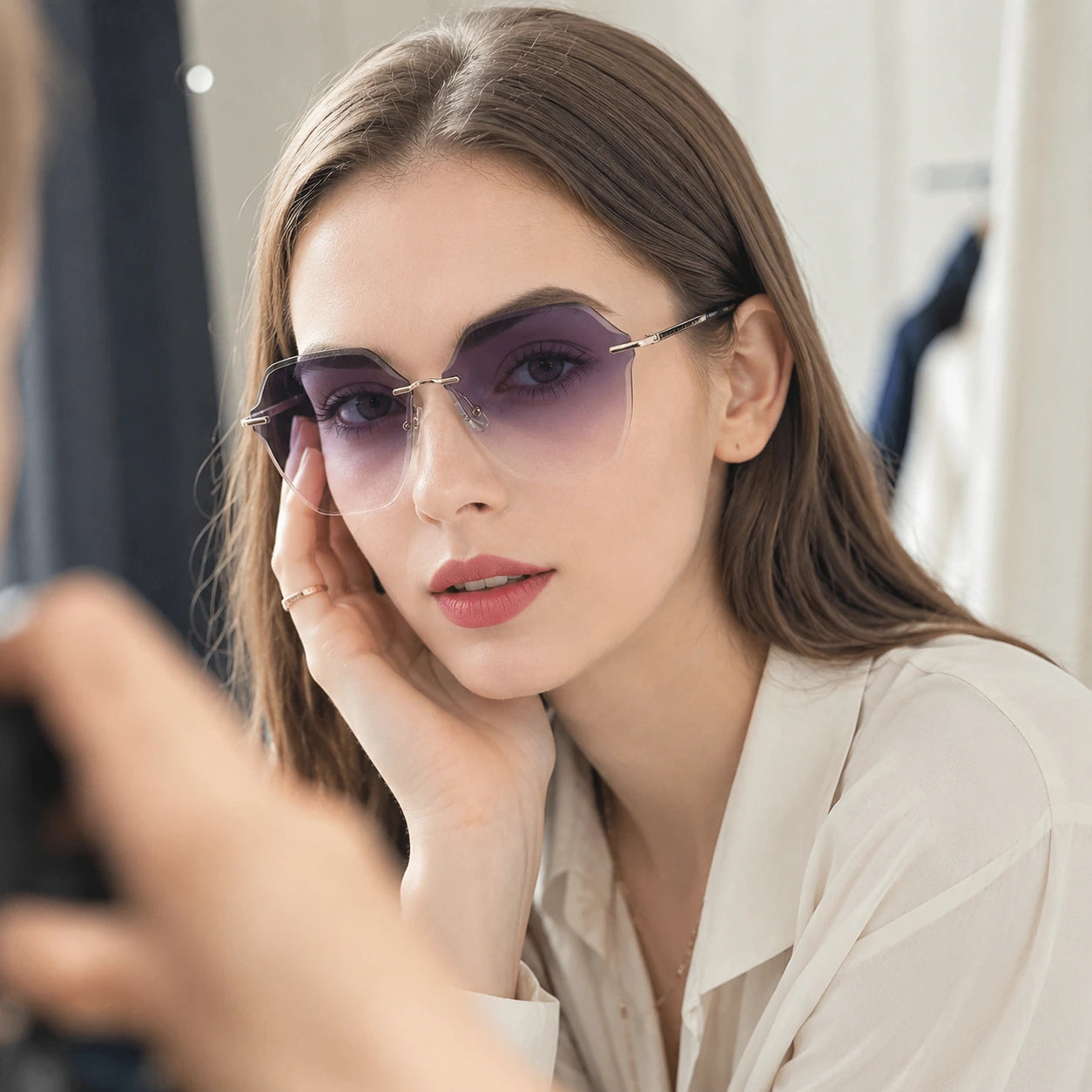
| Clean daily wear with less frame weight | Rimless UV400 + polarized daily route | Backbone |
| Softer daylight, gradient look, more face visibility | Gradient-style daily route | Glow |


Shop Driving & Travel sunglasses · Shop Rimless Gradient sunglasses
Are Polarized Sunglasses Better for Driving?
Polarized sunglasses can be useful for daytime driving because they help reduce reflected glare from roads, windshields, car hoods, wet pavement, and bright horizontal surfaces.
The tradeoff is screen visibility. Some LCD dashboards, GPS screens, phones, and head-up displays can look darker or uneven through polarized lenses at certain angles. Before using any pair as your default driving sunglasses, check your dashboard, phone navigation, mirrors, and HUD in daylight.
Related guide: Best Sunglasses for Driving: Polarized, UV400 & Lens Color Guide.
What About Screens and Touchscreens?
Some screens emit polarized light. When that light meets a polarized sunglass lens at certain angles, the display can appear dark, patchy, or rainbow-like. This does not mean the sunglasses are defective; it is a common interaction between polarization and screens.
If your daily routine depends on phone navigation, camera screens, tablets, ATM displays, GPS, or vehicle dashboards, test visibility before choosing a pair for that exact use case.
Related guide: Phone Screen Black with Polarized Sunglasses?
Where Cat 2, Cat 3 and Lens Color Fit
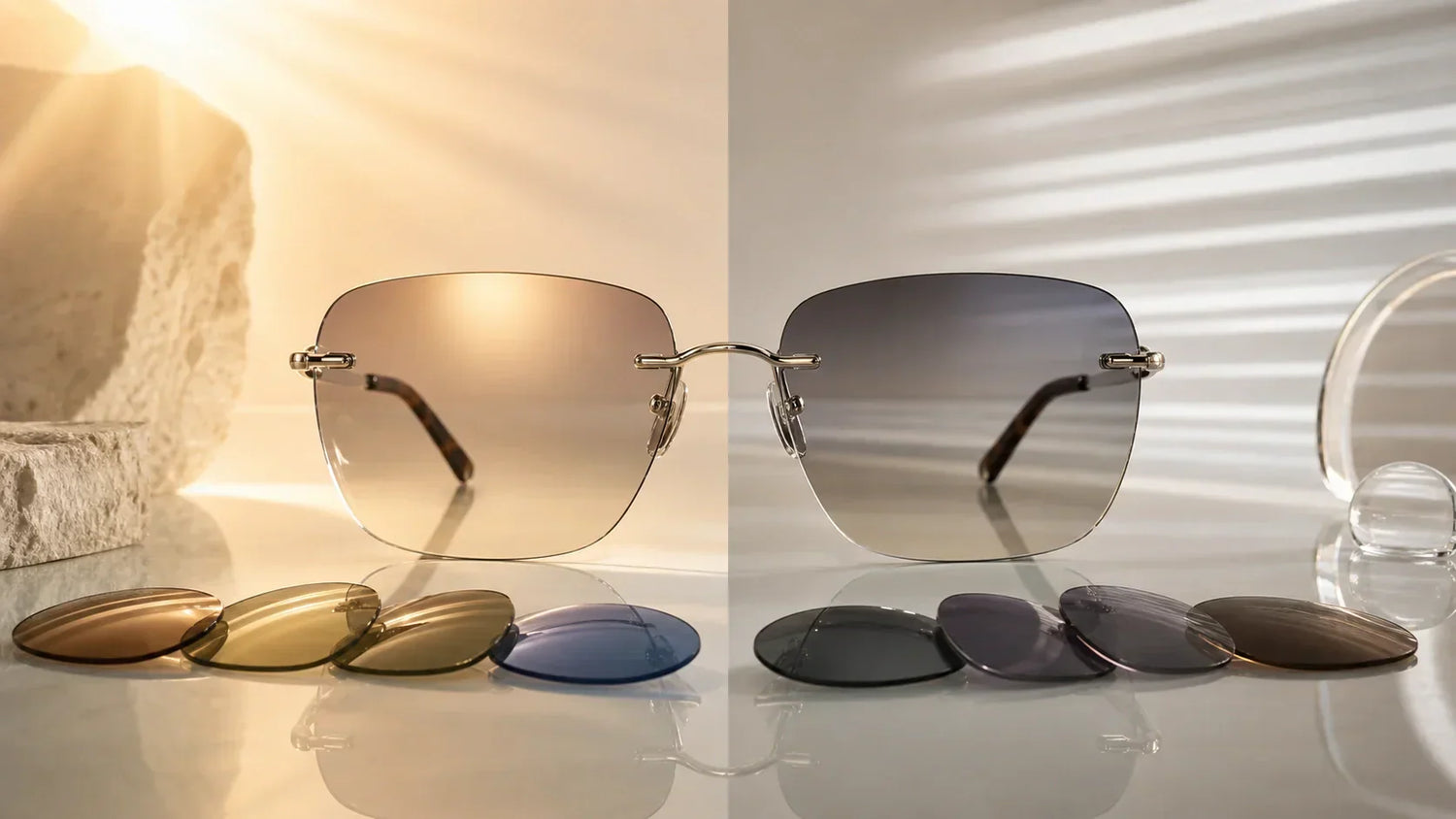
Lens category and lens color are separate from UV400 and polarization.
- Cat 2 or Cat 3 describes visible-light darkness, not UV protection by itself.
- Gray or smoke lenses often feel more neutral for bright daylight.
- Brown or tea lenses can feel warmer and contrast-friendly.
- Gradient lenses can keep the face and lower view softer while still reducing brightness from above.
- Very dark lenses are not automatically better and should not be used in low-light or night driving.
Related guides: Cat 3 Sunglasses & VLT Explained and Sunglasses Lens Color Guide.
Common Buying Mistakes
- Thinking UV400 means polarized. It does not. UV400 is UV protection; polarized is glare control.
- Thinking dark lenses prove protection. Darkness is not proof of UV400.
- Thinking polarized automatically means UV protection. The UV claim must still be checked.
- Ignoring screen visibility. Polarized lenses can affect dashboards, phones, GPS, and HUD systems.
- Choosing by lens color only. Lens color affects comfort and style, but it does not replace UV400.
FAQ
Does UV400 mean polarized?
No. UV400 does not mean polarized. UV400 describes UV protection, while polarized describes reflected-glare reduction.
Is UV400 the same as polarized?
No. They are separate lens features. UV400 addresses UV protection. Polarized addresses reflected glare from bright surfaces.
Are UV400 sunglasses polarized?
Some are, but not all. UV400 sunglasses can be polarized or non-polarized depending on the lens design. Check both claims separately.
Does polarized mean UV protection?
No. Polarized means glare reduction. UV protection must be confirmed with UV400 or 100% UVA/UVB language.
Which is better, UV400 or polarized?
They solve different problems. UV400 is the protection baseline. Polarized is better when reflected glare is the issue.
Can sunglasses be both UV400 and polarized?
Yes. A pair can offer both UV400 protection and polarized glare reduction if both features are listed.
Are polarized sunglasses good for driving?
They can be useful for daytime driving because they reduce road and wet-pavement glare. Check dashboard, GPS, phone, and HUD visibility before using them as your main driving pair.
Why do polarized sunglasses make phone screens look dark?
Some screens emit polarized light. At certain angles, that light can be filtered by polarized sunglasses, making the screen appear darker or uneven.
Is Cat 3 the same as polarized?
No. Cat 3 describes visible-light darkness. Polarized describes glare reduction. UV400 describes UV protection.
Do I need polarized sunglasses for everyday wear?
You need polarization most when glare is a real problem: road glare, water glare, snow glare, glass glare, or wet-surface reflection. For daily wear, also consider fit, lens color, face visibility, and screen use.
Authority Sources
- National Eye Institute: protecting your eyes from the sun’s UV light
- American Academy of Ophthalmology: sunglasses and sun safety
- Federal Aviation Administration: sunglasses for pilots
Final Recommendation
Start with UV400 as the protection baseline. Add polarization when glare from roads, water, snow, glass, or wet pavement is the problem. Then choose lens color, frame weight, coverage, and screen visibility based on where you actually wear your sunglasses.
For stronger glare and travel light, compare Vanguard and Flow. For cleaner daily wear or a softer gradient look, compare Backbone and Glow.