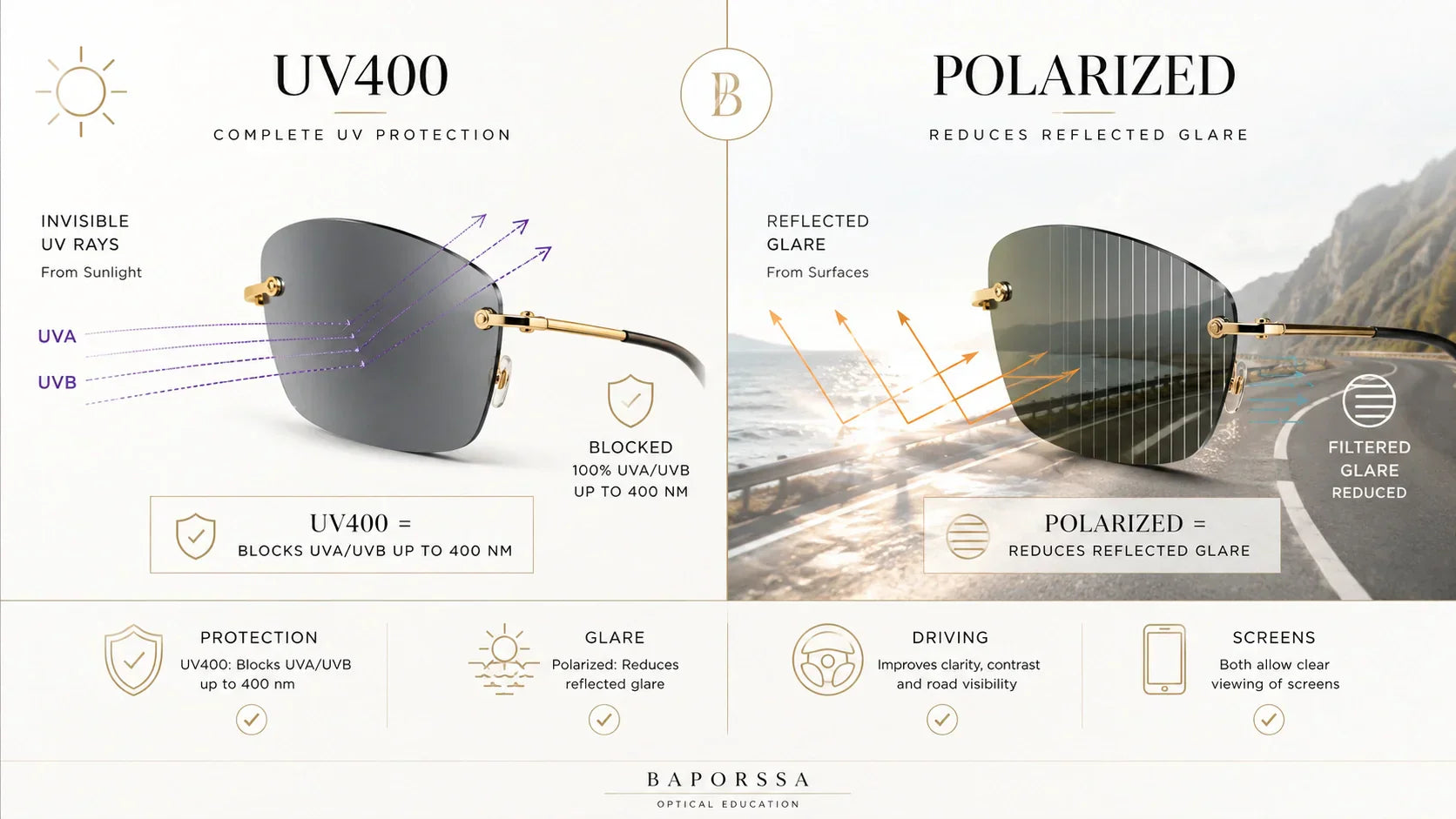

Quick answer: polarized sunglasses are better for reflected glare, but they are not automatically better for every pair of eyes, every screen, or every daily situation. They work best when bright light bounces off roads, water, snow, pale pavement, car hoods, or glass. They may feel less comfortable when you use phones, dashboards, camera screens, or move often between full sun and shade.
The better question is not simply “Are polarized sunglasses better?” It is “Where do polarized lenses help, and where might a simpler UV400 lens feel easier?” For the full foundation, start with What Are Polarized Sunglasses? UV400, Lens Colors, Driving & Glare Explained.

Are polarized sunglasses always better?
No. Polarized sunglasses are useful for cutting reflected glare, but they are not the universal best choice. UV protection, tint depth, lens clarity, face fit, and how often you look at screens all matter.
A polarized lens can make a bright road or water surface feel calmer. The same lens can also make a phone screen look dark, make a dashboard harder to read, or feel visually strange if the tint is too strong for your routine.
What polarized sunglasses do best
Polarized lenses are designed for one main problem: reflected glare. This is the sharp brightness that bounces from flat surfaces and creates a white haze over what you are trying to see.
| Glare source | Why polarization may help | Best use case |
|---|---|---|
| Road surface | Can reduce reflected brightness from asphalt, wet pavement, and car hoods. | Daytime commuting and open-road driving. |
| Water | Can cut the white reflection layer from lakes, pools, beaches, and boats. | Beach days, boating, fishing, and waterfront travel. |
| Snow or pale pavement | Can soften intense reflected light from large bright surfaces. | Bright outdoor spaces and high-reflection days. |
| Glass and metal | Can reduce sharp reflections from windows, vehicles, and shiny surfaces. | Urban walking, parking lots, and travel. |

Polarized sunglasses benefits
The main benefit of polarized sunglasses is not that they are darker. It is that they manage a specific type of glare that normal tint alone may not control as cleanly.
| Benefit | What it can mean in real use | Where it matters most |
|---|---|---|
| Less reflected glare | The white shine from roads, water, glass, and pale surfaces may feel less harsh. | Driving, beach, pool, boating, travel. |
| Less squinting outdoors | Your eyes may feel less forced to fight surface reflection. | Bright open spaces. |
| Cleaner surface visibility | Water or wet road surfaces may look less washed out. | Waterfront, rain reflection, road glare. |
| Better daytime comfort for glare-heavy routines | The lens can feel calmer when your main issue is reflected light, not screens. | Outdoor-heavy days. |
Polarized sunglasses drawbacks
Polarized sunglasses also have tradeoffs. These drawbacks are why some people search for questions like why do polarized sunglasses make me dizzy, why do polarized sunglasses hurt my eyes, or can polarized sunglasses cause headaches.
| What you notice | Possible reason | What to try |
|---|---|---|
| Phone screen looks dark or rainbow-like | The screen and polarized filter are interacting. | Rotate the phone, raise brightness, or use non-polarized UV400 lenses for screen-heavy days. |
| Dashboard or digital display is harder to read | Some LCD displays do not pair well with polarized lenses. | Test the lenses in your car before using them as your main driving pair. |
| Dizzy or visually off-balance feeling | Strong contrast shift, lens curve, poor optical clarity, or screen interference. | Try a lighter tint, clearer lens quality, or non-polarized UV400 lenses. |
| Headache or eye strain | The issue may be tint darkness, frame pressure, contrast, light sensitivity, or lens quality. | Check fit at the nose and temples, then compare polarized vs non-polarized comfort. |
Polarized vs non-polarized sunglasses for daily use
For daily sunglasses, the best choice depends on your routine. Polarized lenses are stronger for glare control. Non-polarized UV400 lenses can be easier for screens, dashboards, and casual city use.
| Situation | Better starting point | Why |
|---|---|---|
| Driving in bright daytime road glare | Polarized or anti-glare UV400 lenses | Reflected road brightness is a common polarization use case. |
| Checking phone screens often outside | Non-polarized UV400 or lighter tint | Screen visibility may feel more natural. |
| Beach, pool, lake, or boating | Polarized lenses | Water glare is one of the clearest use cases for polarization. |
| Light sensitivity or migraine-prone comfort | Depends on the person | Tint color, brightness level, and professional guidance may matter more than polarization alone. |
| Everyday city walking | UV400 first, then choose by comfort | Not every city-light situation requires polarization. |
| Frequent dashboards, HUDs, or LCD displays | Test before choosing polarized | Some displays can look dim or patchy through polarized lenses. |
Why polarized sunglasses can cause eye strain, dizziness, or headaches
Polarized lenses themselves are not supposed to damage your eyes, but the wearing experience can still feel wrong if the full setup does not match your eyes or routine.
- The tint may be too dark. A very dark lens can feel comfortable in full sun but tiring in shade transitions.
- The lens may interact with screens. Phones, dashboards, gas pumps, and camera screens can look uneven through polarized lenses. For fixes, read Can’t See Your Phone with Polarized Sunglasses? 7 Fixes That Work.
- The lens curve or optical quality may feel strange. Some lenses create distortion near the edges, especially if the frame is highly curved.
- The frame may press too much. Nose-pad pressure or tight temples can feel like eye strain or headache even when the lens is not the main problem.
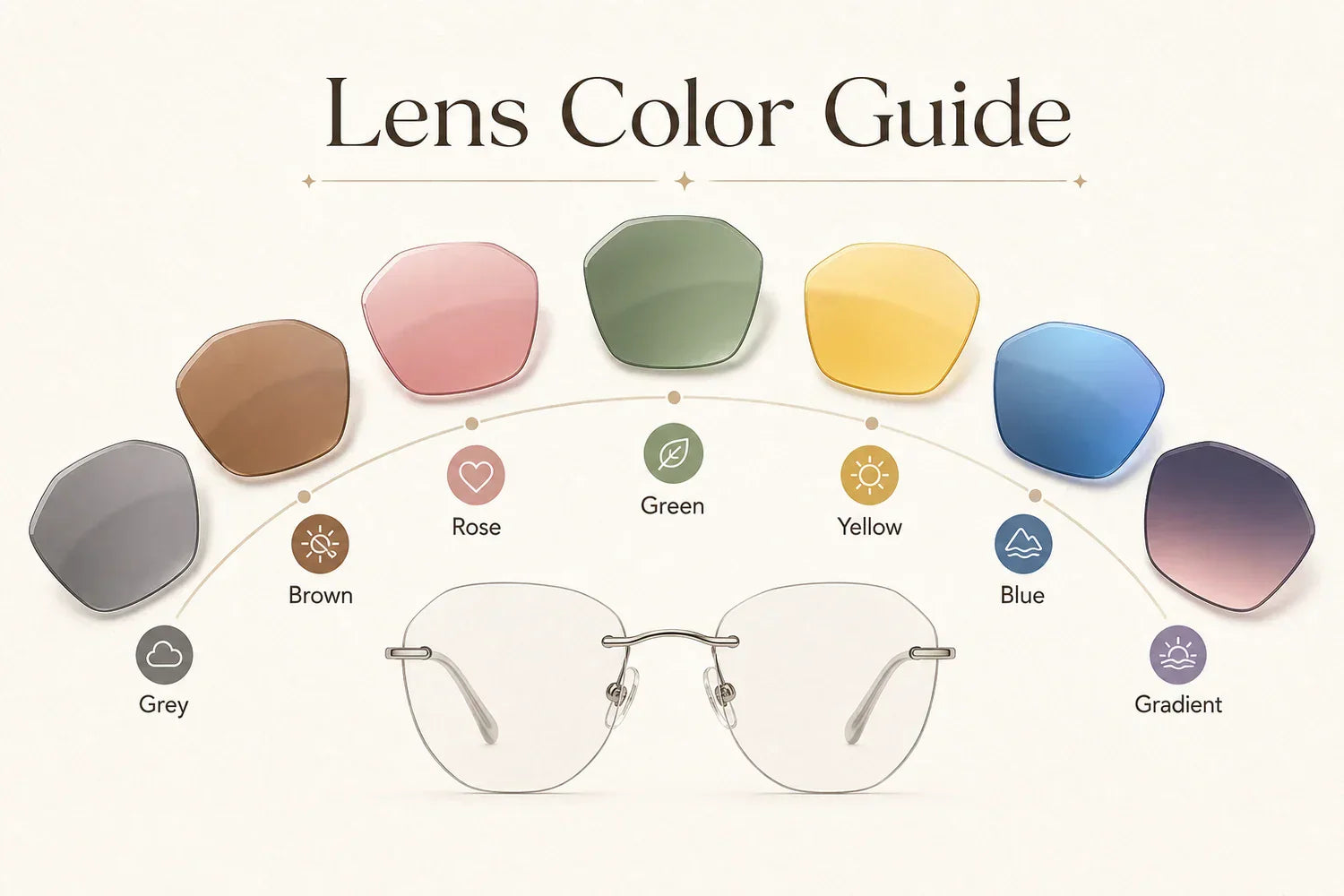
- Your light sensitivity may need a different tint strategy. If bright light frequently triggers pain, read Best Sunglasses for Light Sensitivity: Why Rose Tints Help and consider professional advice.
This guide is about lens comfort and daily-use decisions. It is not a medical diagnosis. If sunglasses repeatedly trigger dizziness, nausea, headaches, or visual discomfort, stop wearing that pair and ask an eye-care professional.
When polarized sunglasses still make sense
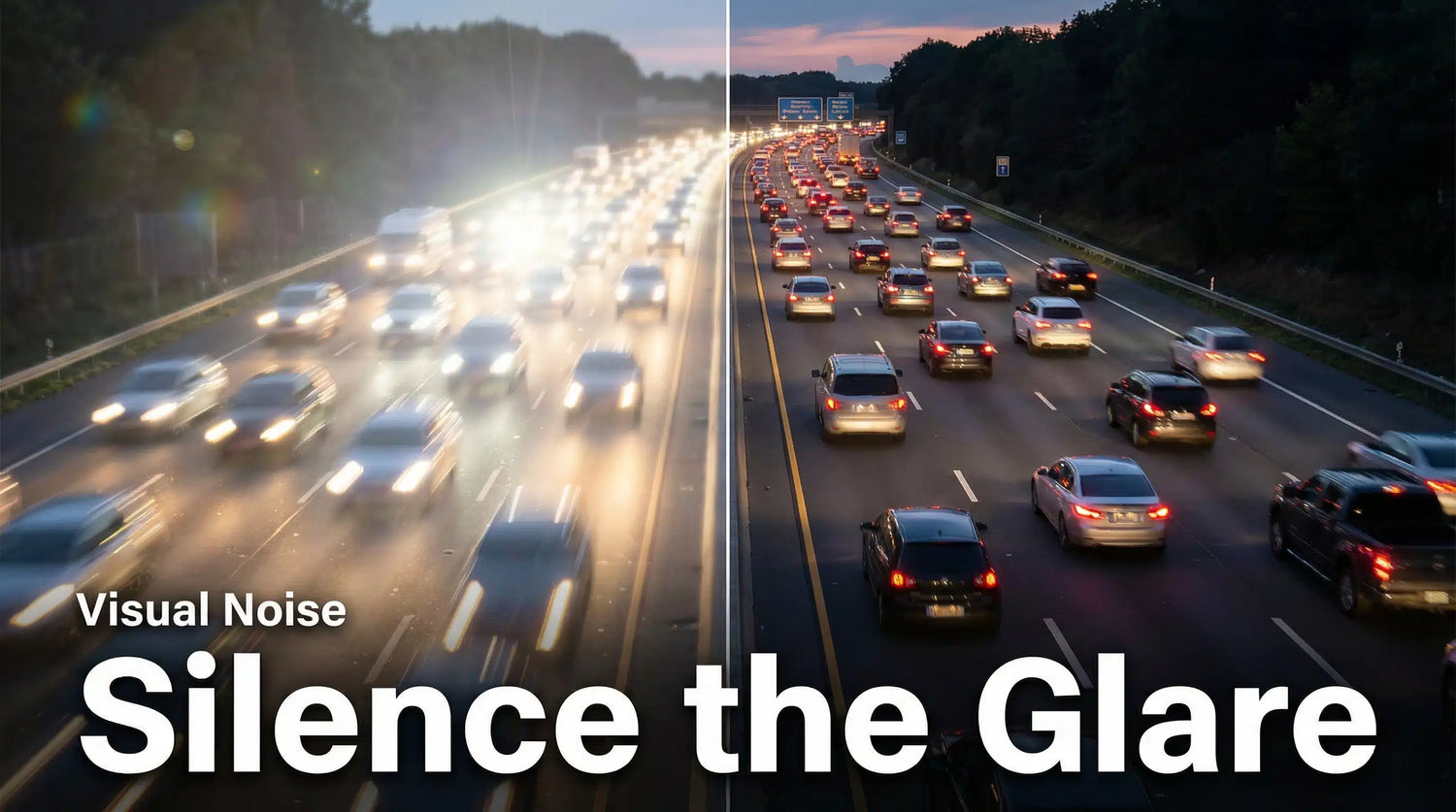
Polarized sunglasses are still a strong choice when reflected glare is the main problem. They are especially useful for daytime driving, water, wet pavement, snow, and wide open outdoor spaces.
For driving-specific lens color and glare choices, use Best Sunglasses for Driving: Polarized, Anti-Glare & Lens Color Guide. For brightness category and lens darkness, use What Does Cat 3 Mean? Sunglasses Lens Categories & VLT Explained.

BAPORSSA route
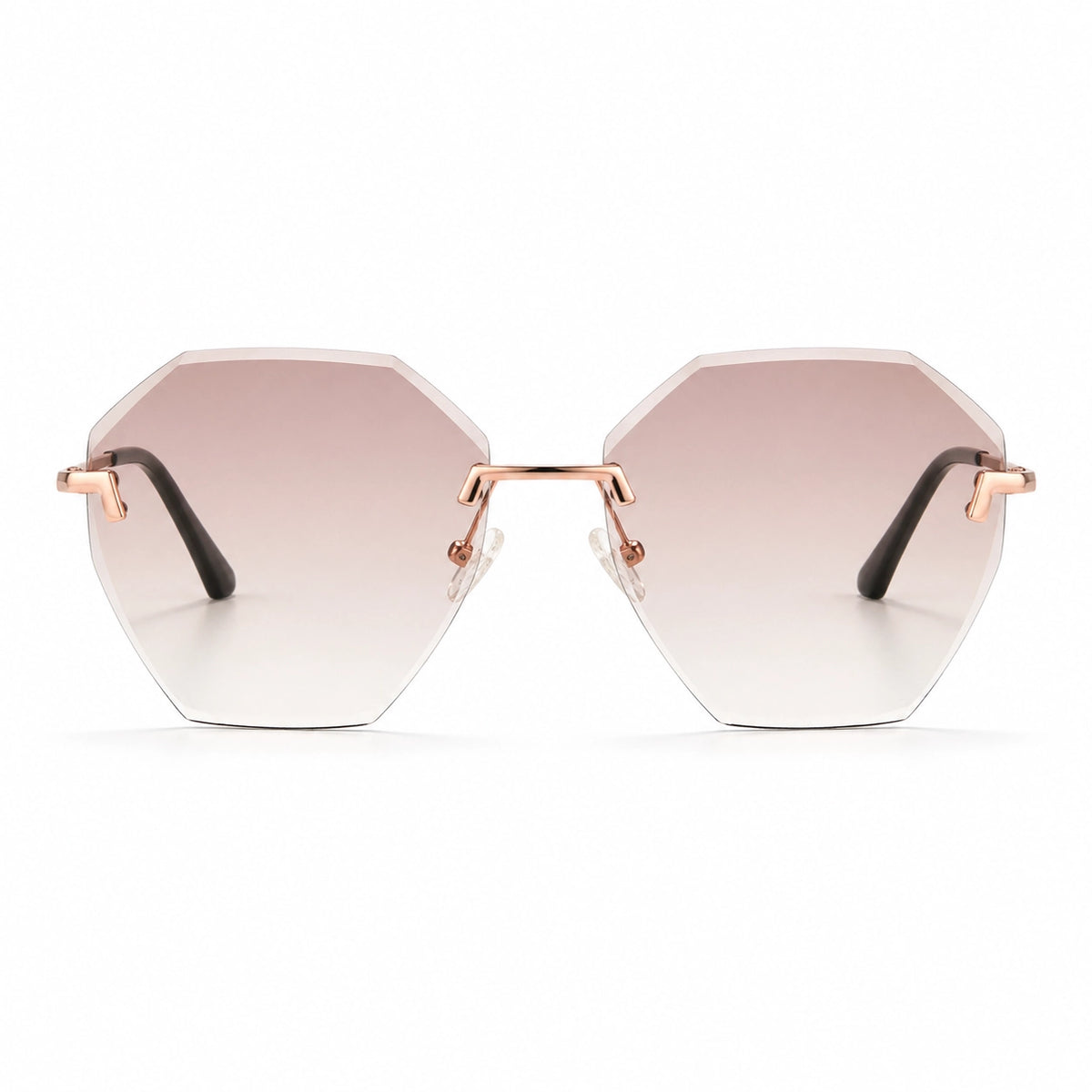
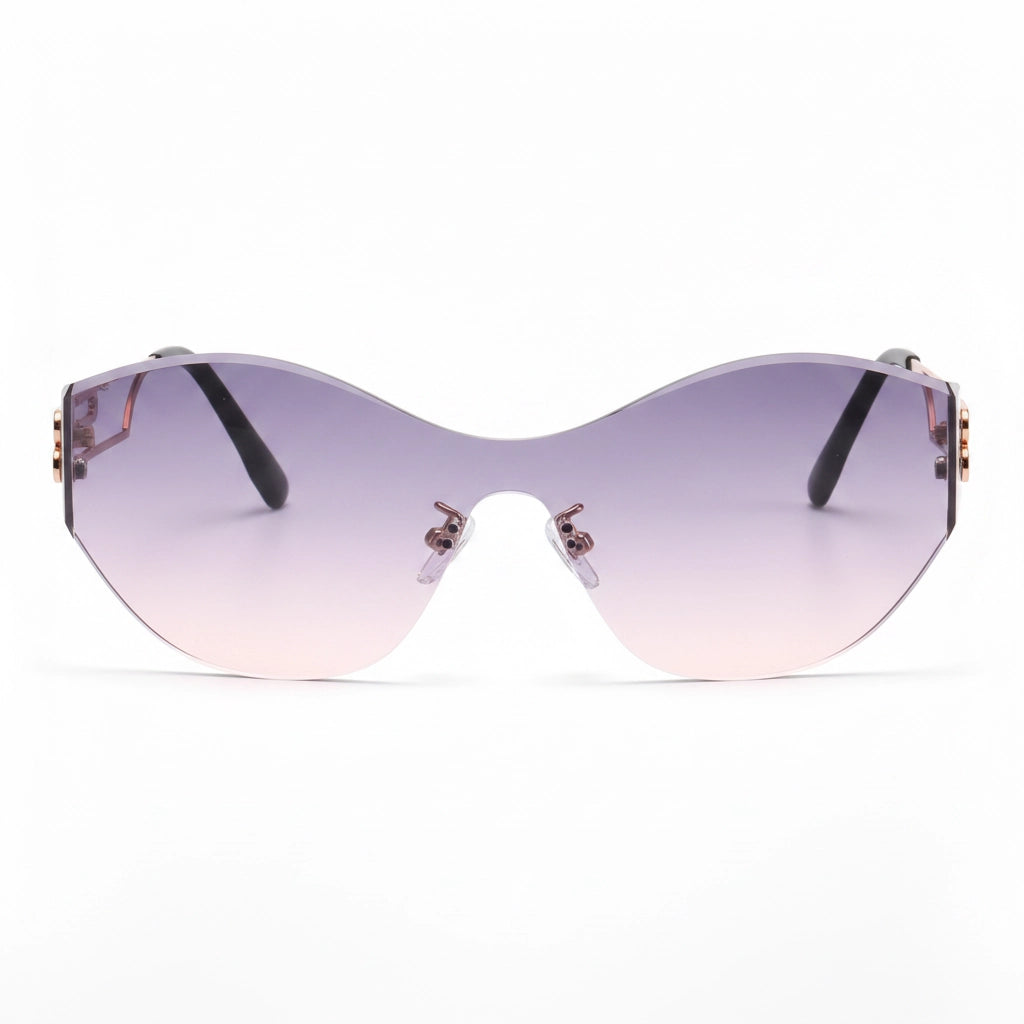
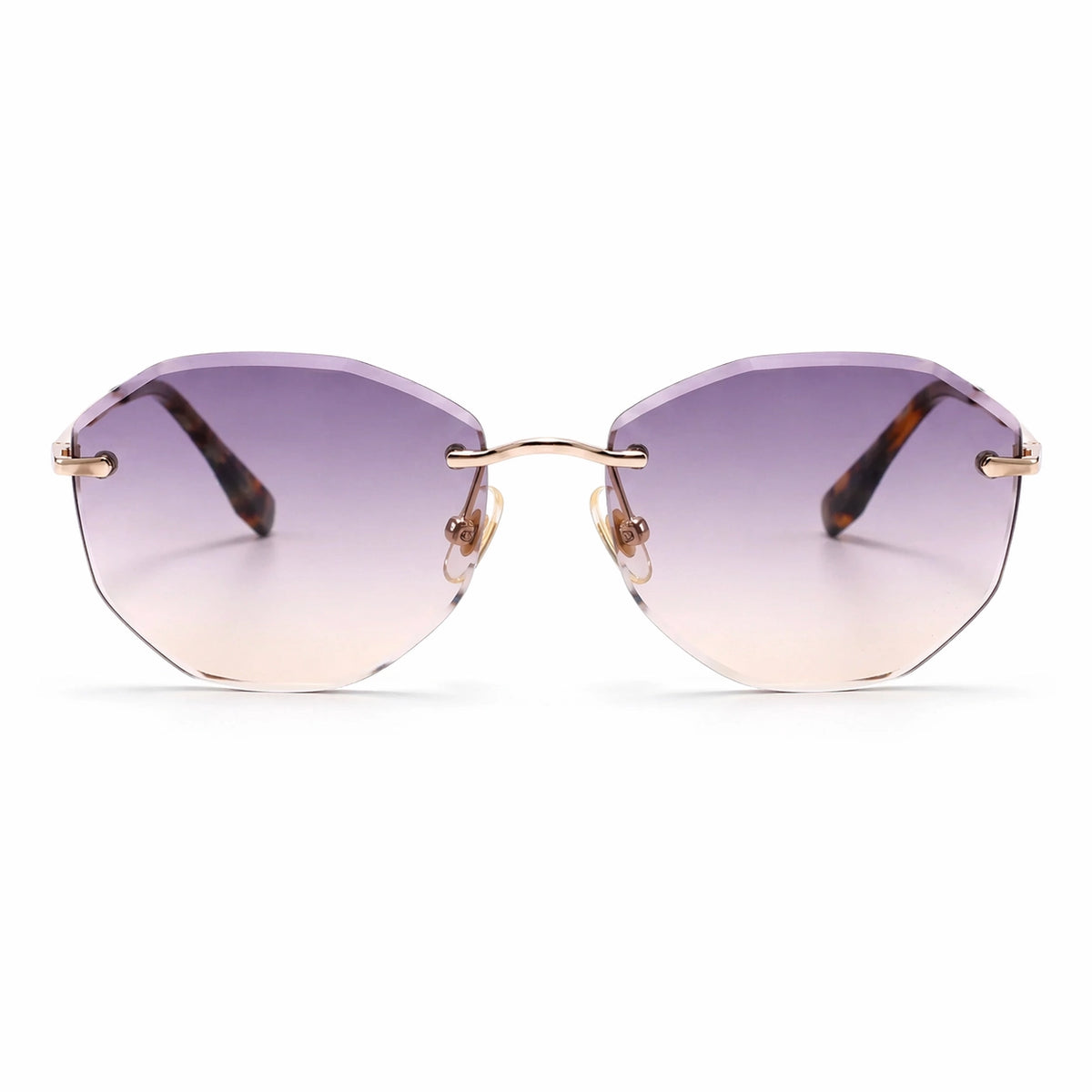
BAPORSSA route: start with UV400 protection, a lighter visual footprint, and a frame that does not press across the nose or temples. Rimless-first eyewear keeps less material around the face, so the lens can do the work without adding visual bulk.
If reflected glare is your main problem, choose a product page that clearly lists polarization. If screens, dashboards, or daily movement feel strange through polarized lenses, a non-polarized UV400 lens with a softer tint may feel easier.
For a lighter daily route, compare Glow, Vanguard, and Backbone.
Related Lens & Light guides
- What Are Polarized Sunglasses? UV400, Lens Colors, Driving & Glare Explained
- Can’t See Your Phone with Polarized Sunglasses? 7 Fixes That Work
- Best Sunglasses for Driving: Polarized, Anti-Glare & Lens Color Guide
- Best Sunglasses for Light Sensitivity: Why Rose Tints Help
- What Does Cat 3 Mean? Sunglasses Lens Categories & VLT Explained
FAQ
Are polarized sunglasses always better?
No. Polarized sunglasses are better for reflected glare, but not always better for screens, dashboards, shaded areas, or every sensitive-eye situation.
What are the main benefits of polarized sunglasses?
The main benefits are reduced reflected glare, less harsh surface shine, and better comfort around roads, water, snow, pale pavement, and car reflections.
What are the disadvantages of polarized sunglasses?
The main disadvantages are screen interference, dashboard visibility issues, possible discomfort during sun-shade transitions, and a visually strange feeling for some wearers.
Can polarized sunglasses make you dizzy?
Some people feel dizzy or visually off-balance in polarized sunglasses. The cause may be screen interference, strong contrast, lens curve, tint darkness, or optical distortion rather than polarization alone.
Why do polarized sunglasses hurt my eyes?
The discomfort may come from a tint that is too dark, a poor lens curve, frame pressure, light sensitivity, or a lens that does not match your daily routine. Try comparing the same fit in a lighter or non-polarized UV400 lens.
Can polarized sunglasses cause headaches?
They may contribute to discomfort for some people, especially if the frame is tight, the lens is too dark, or screen visibility is poor. Frequent headaches should be discussed with an eye-care professional.
Are polarized sunglasses better for driving?
They can be better for daytime road glare, wet pavement, and car hood reflections. They are not ideal for every dashboard or head-up display, so test screen visibility before relying on them for driving.
Are non-polarized sunglasses bad for your eyes?
No, not if they provide proper UV400 protection. Non-polarized sunglasses can still protect against UV exposure and may feel easier for screens and daily wear.