Silicone nose pads for glasses: do they stop marks and sliding?
Quick answer: Silicone nose pads for glasses and sunglasses help when the frame already fits but the pads feel hard, slick or sharp: they grip warm skin better than plastic and soften light red marks. They cannot fix a frame that is too heavy, too wide or sitting too low; that needs a lighter frame or adjustable nose pads.

Silicone nose pads for glasses vs sunglasses
Replacement pads for eyeglasses are mostly about pad material and bridge height. With sunglasses, lens size, front weight and temple balance matter too, so a soft pad makes contact feel better but cannot make a heavy pair feel light.
| Your problem | Do silicone pads help? | If not, fix this |
|---|---|---|
| Light red marks on the nose | Yes. Softer pads spread pressure more gently. | Frame weight, if the marks return quickly. |
| Slides on warm or oily skin | Often. Clean silicone grips better than hard PVC. | Bridge support, temple hold and front weight. |
| Low bridge, cheek touch or lashes hitting the lenses | Only partly. Pads alone may not lift the frame. | Adjustable pads, or a frame that sits higher. |
| Deep dents from heavy sunglasses | A little. | A lighter frame. |
| One side marks more | Rarely. | Pad angle or a crooked frame. |
Do silicone nose pads leave marks?
Yes, they can. Silicone is softer than hard plastic, but softness does not remove pressure: a heavy frame, a forward tilt, tight temples or a small contact area will still mark your nose. Light marks usually fade with clean pads and a better pad angle. Deep dents, redness within minutes or makeup worn through at the bridge point to a frame that is too front-heavy or sitting too low.
Silicone vs plastic nose pads
Silicone nose pads are better than plastic for most people: they feel softer and grip better on warm skin. Hard plastic and PVC pads last and cost less, but as they age they harden, yellow and turn slick with oil and sunscreen.

| Pad type | Best for | Limit |
|---|---|---|
| Soft silicone | Grip, light red marks, daily comfort | Needs regular cleaning; still marks under heavy frames. |
| Air-cushion silicone | Softening pressure on a frame that already fits | Helps contact comfort, not bad geometry. |
| Hard plastic / PVC | Durability and cheap replacement | Hardens, yellows and feels sharper over time. |
| Integrated (moulded into the frame) | Clean look, easy wiping | Cannot be adjusted if the bridge shape is wrong. |

Adhesive vs adjustable nose pads
Adhesive silicone pads are a temporary patch. They can lift a fixed bridge slightly or add grip, but they peel, collect makeup and can change how the frame sits.

Adjustable silicone nose pads sit on small metal arms, so they can be moved higher, lower, closer or wider. That is what solves a low bridge, cheek touch, lashes hitting the lenses or uneven pressure; a softer pad alone does not. For a big nose or wide bridge, start with the frame: see the sunglasses for a big nose guide.
How to clean silicone nose pads
Skin oil, sunscreen, makeup and sweat make even good pads slippery.
- Rinse the bridge and pads with lukewarm water.
- Wash with a drop of mild soap, including around the pad arms and screws.
- Rinse fully and dry with a microfibre cloth before wearing.
Replace pads when they turn yellow, tear, feel sticky or stop gripping clean skin.
When nose pads cannot fix the problem
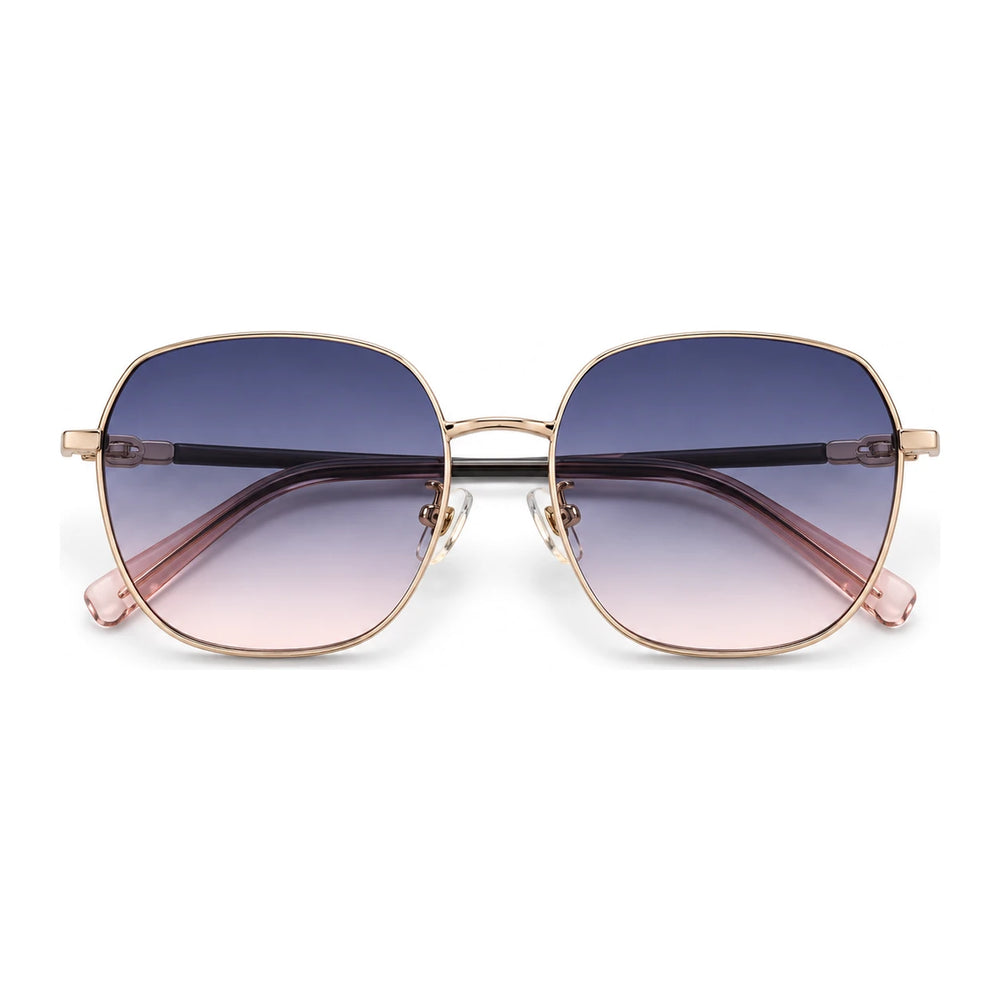
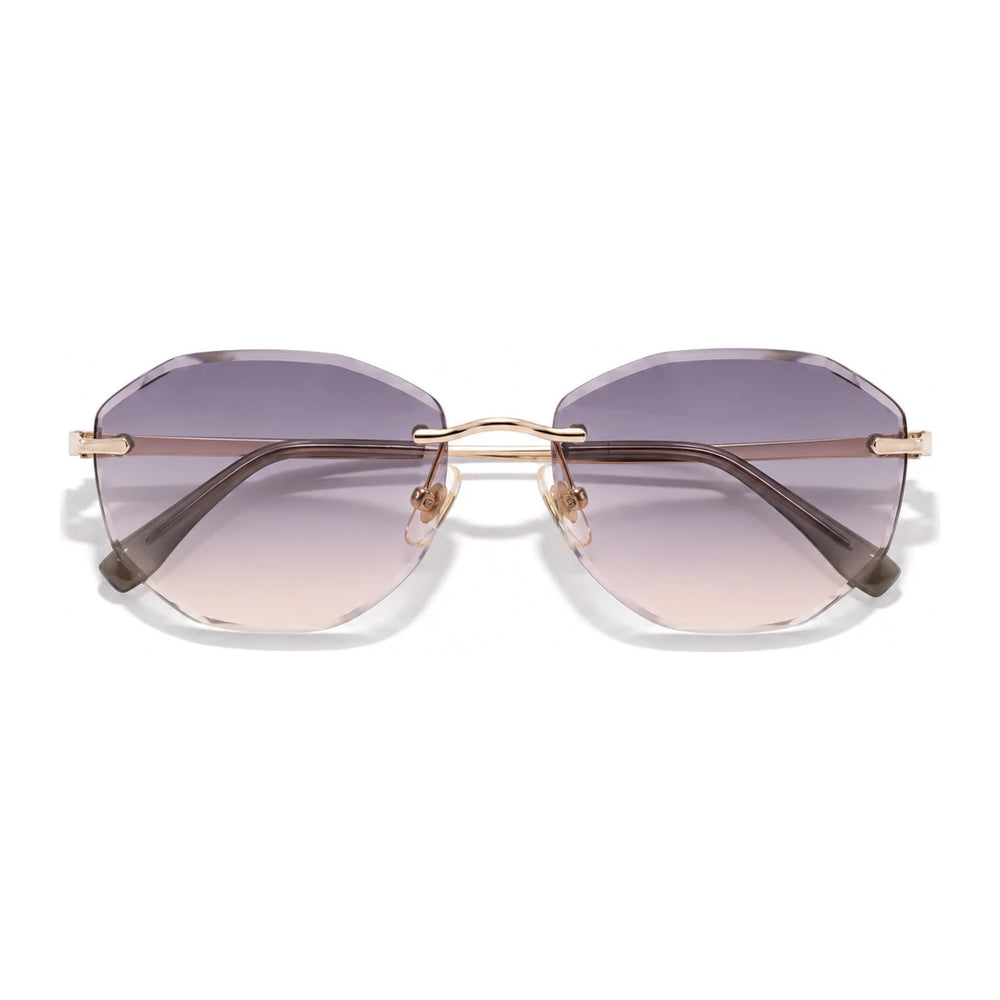
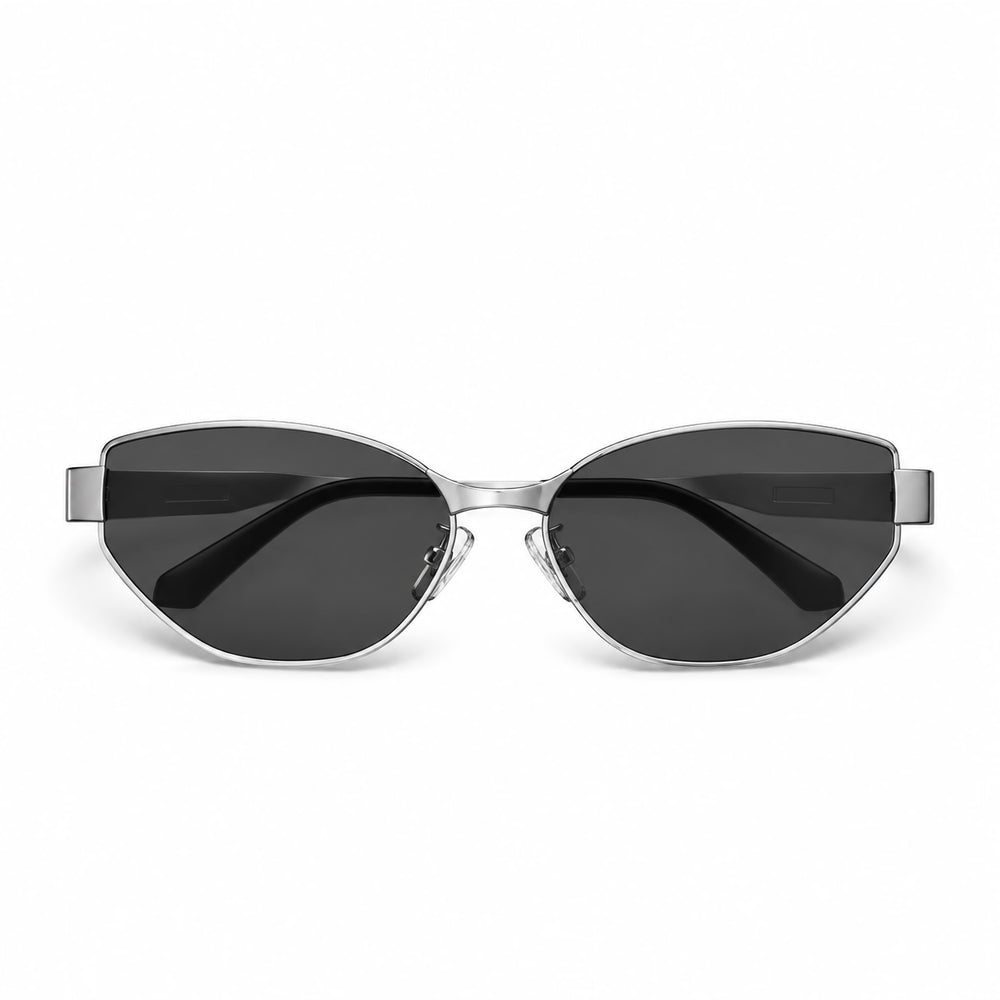
Pads cannot change frame width, weight, temple pressure or bridge shape. If fresh pads still slip or mark, change the frame and look for low weight plus adjustable nose pads. A frame that slides may simply be too broad, which is where our small-face guide begins; one that pinches needs more room across the front, which is where our guide to wide faces and big heads begins. We do not sell replacement pads, but every BAPORSSA frame except the acetate Dune, Noir, Coco and Perla and the TR90 Pivot and Mesa has adjustable ones.
| Frame | Weight | Front + fit | Why |
|---|---|---|---|
| Onyx | 20 g | 133 mm, regular | Stainless-steel cat-eye; not polarized. |
| Backbone | 22 g | 140 mm, regular | Minimal rimless with faceted lenses. |
| Luma | 25 g | 134 mm, regular | Thin metal with spring hinges that ease temple pressure. |
| Air | 28 g | 143 mm, regular | Rimless with a deep 62×57 mm lens, still lighter than most of our acetate frames. |






FAQ
Are silicone nose pads better than plastic?
For grip and comfort, usually yes. Plastic pads are more durable and cheaper, but they get harder and slicker with age.
Do silicone nose pads stop glasses from sliding?
They help when the cause is poor grip, hard pads, oil or sweat. They will not hold a frame that is too wide, too heavy or wrong for your bridge height.
Are adhesive silicone nose pads good?
They are a quick fix for a fixed bridge that sits slightly low or slips a little. Expect to replace them often.
What nose pads are best for sunglasses?
Adjustable silicone nose pads, because they can be positioned for lift and pressure as well as grip. Integrated pads work only when the moulded bridge already fits your nose.
Should I replace the nose pads or the frame?
Replace the pads first if they are yellow, sticky, torn, hard or dirty. Change the frame if new pads still leave deep marks, slide or sit too low.
Final recommendation
Replace old, yellow, slick or hard pads first. If fresh silicone pads still leave marks or the sunglasses keep sliding, the frame is asking too much of your nose: choose a lighter one with adjustable nose pads.

For related fixes, read how to stop sunglasses sliding down, the no-dent makeup guide or the crooked sunglasses guide.

Collection
Rimless & Gradient Sunglasses for Women
11 styles
Lenses without a rim, held by the bridge and temples. Every style lists its lens width, bridge and weight, and each colour says whether...