
BAPORSSA Guide

UV400 vs Polarized Sunglasses: Protection, Glare & Driving Guide

Learn the difference between UV400 and polarized sunglasses. UV400 protects against UV rays, while polarization reduces reflected glare from roads, water, and glass. Compare UV400, polarized, non-polarized, Cat 3, and driving lens routes.
Read the outdoor blue light and lens color guide
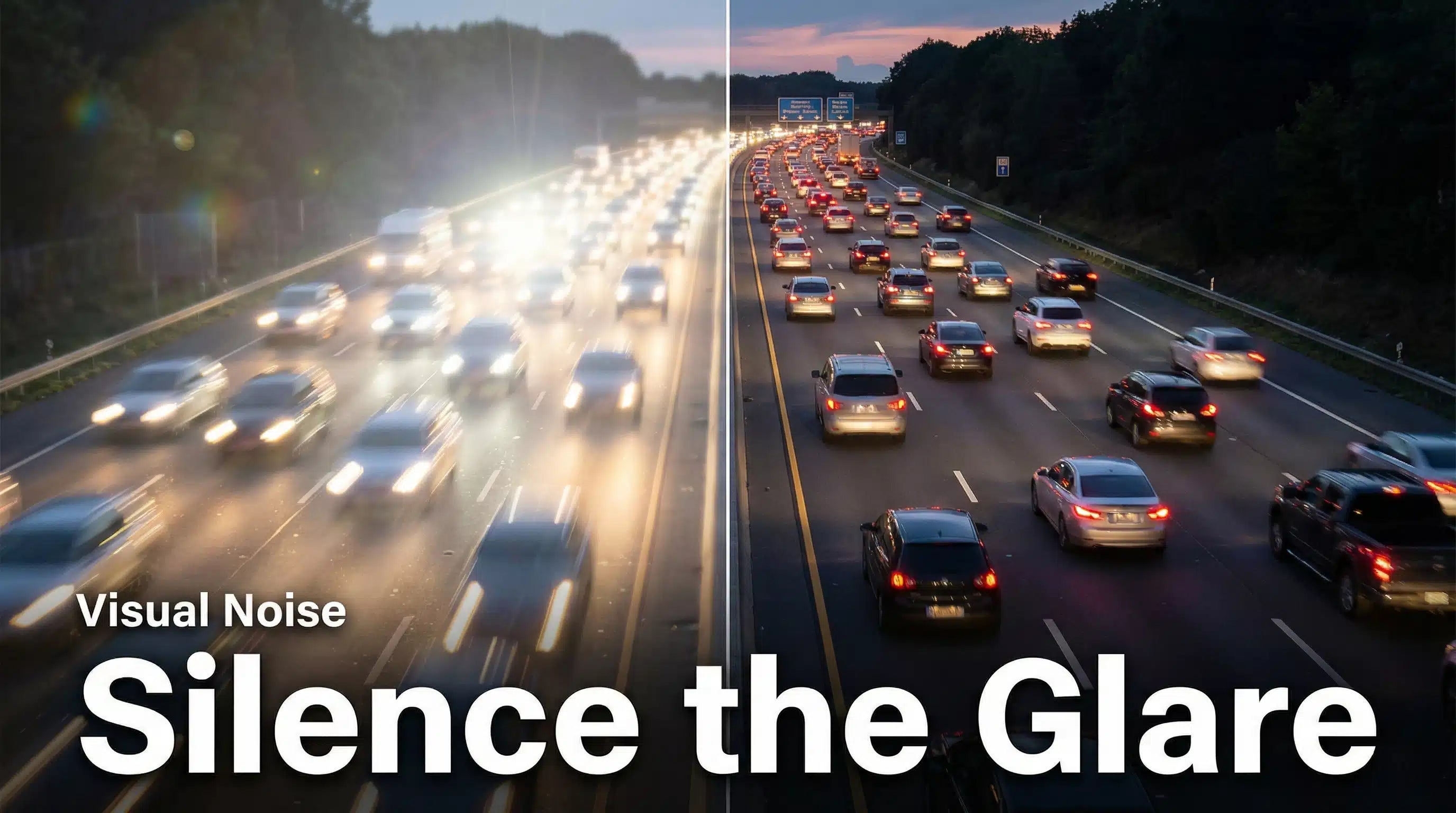
UV400 vs polarized vs non-polarized sunglasses comparison for UV protection glare driving and Cat 3 lenses
Learn the difference between UV400 and polarized sunglasses. UV400 protects against UV rays, while polarization reduces reflected glare from roads, water, and glass. Compare UV400, polarized, non-polarized, Cat 3, and driving lens routes.
Read the outdoor blue light and lens color guide

Quick answer: UV400 and polarized are not the same. UV400 is about UV protection. Polarized is about reflected glare reduction. The best sunglasses usually start with UV400 for protection, then add polarization if road glare, water glare, snow glare, wet pavement, glass, or bright reflections are your main problem.

Best for: shoppers comparing eye protection, driving glare, water glare, screen visibility, lens labels, and daily sunglass routes before buying.

Avoid if: you only want lens color advice. Lens color, UV400, polarization, Cat 3, VLT, photochromic behavior, and gradient tint are separate decisions.

BAPORSSA route: choose UV400 first for protection. Choose polarized if glare is the problem. Choose non-polarized or gradient UV400 if screen readability and a cleaner face look matter more. Start with Luma for daily glare control, Flow for wider outdoor coverage, Shift for driving and changing daylight, or Air for lightweight daily UV comfort.

This guide focuses on the core buying question: UV400 protects your eyes from UV rays; polarization helps reduce reflected glare. Non-polarized UV400 sunglasses, Cat 3 lenses, gradient tints, and driving lenses are covered as supporting decisions, not as the main headline.

UV400 vs polarized sunglasses guide showing UV protection glare reduction driving and Cat 3 lens categories

UV400 vs Polarized Sunglasses: The Short Answer

If you only remember one thing, remember this: UV400 is the protection label. Polarized is the glare-control label. A pair of sunglasses can have one, both, or neither depending on how the lens is made and described.

Label What it means Choose it when Does it prove the other?
UV400 The lens is designed to block ultraviolet light up to 400 nm when properly made and tested. You want baseline eye protection from sunlight. No. UV400 does not automatically mean polarized.
Polarized The lens includes a filter designed to reduce reflected glare from flat or shiny surfaces. You drive, fish, boat, go to the beach, walk near water, or face wet-road glare. No. Polarized does not automatically prove UV400 protection.
UV400 + Polarized The lens offers UV protection and reflected-glare reduction when both features are confirmed. You want protection and glare control together. This is the stronger bright-outdoor route when the product page confirms both.
Non-polarized UV400 The lens has UV protection but does not use a polarization filter. You use phones, dashboards, cameras, GPS, or HUD displays often, or you want lighter gradient styling. It can still protect from UV if UV400 is listed.
Cat 3 A lens darkness category related to visible light transmission. You need bright-sun comfort. No. Cat 3 is not the same as UV400 or polarization.

What Is UV400?

UV400 means the sunglass lens is designed to block ultraviolet wavelengths up to 400 nanometers when properly manufactured and tested. It is the baseline feature shoppers should look for when they want sunglasses with UV protection.

Searches like what does UV400 mean on sunglasses, UV400 sunglasses meaning, is UV400 good for sunglasses, and UV protection sunglasses all point to the same issue: visible lens darkness is not the same as UV protection.

A very dark lens does not automatically mean better UV protection. A lighter lens can still have UV400 protection if the product information clearly states it. When buying sunglasses, check the lens label or product page instead of judging by color alone.

What Does Polarized Mean?

Polarized sunglasses are sunglasses with a lens filter designed to reduce reflected glare. This glare is strongest when sunlight bounces off flat or shiny surfaces such as water, wet roads, snow, glass, car hoods, windshields, and bright pavement.

Polarized does not simply mean darker. It means the lens is designed to control a specific type of light: reflected glare. This is why polarized sunglasses are common for daytime driving, beach days, boating, fishing, snow glare, and long outdoor movement.

If you are unsure whether your current pair is polarized, read How to Tell If Sunglasses Are Polarized for phone screen tests, test images, and real-world glare checks.

UV400 vs Polarized: Which Protects Your Eyes?

UV400 is the feature that answers the protection question. Polarization answers the reflected-glare question. They are both useful, but they are not interchangeable.

Question UV400 answer Polarized answer Best decision
Which one protects from UV? UV400 is the protection feature. Polarization alone does not prove UV protection. Check UV400 first.
Which one reduces road, water, or glass glare? UV400 alone does not strongly reduce reflected glare. Polarized lenses reduce reflected glare. Add polarization if glare is the daily problem.
Which one is better for driving? UV400 is still the baseline. Polarized can help with daytime road and windshield glare. Choose by glare level, dashboard readability, and lens tint.
Which one is better for screens? UV400 does not usually create screen-darkening by itself. Polarized can make some LCD, phone, GPS, ATM, and HUD screens harder to read. Screen-heavy users may prefer non-polarized UV400 or gradient lenses.
Which one is better for daily fashion? UV400 works across many lens colors and styles. Polarized is useful when reflected glare is common. Choose by lifestyle, not by one label.

UV400 vs polarized vs non-polarized sunglasses comparison showing UV blocking reflected glare reduction Cat 3 lens category and screen tradeoffs

Are UV400 Sunglasses Polarized?

Not always. UV400 sunglasses can be polarized or non-polarized. These are two separate lens features.

  • UV400 sunglasses describe UV protection.
  • Polarized sunglasses describe reflected glare reduction.
  • Non-polarized sunglasses can still offer UV protection when the lens clearly states UV400 or 99–100% UVA/UVB protection.
  • UV400 polarized sunglasses have both protection and glare reduction when the product specification confirms both features.

If a product page only says UV400, do not assume it is polarized. If a product page only says polarized, still check whether UV400 or 99–100% UVA/UVB protection is stated.

Does Polarized Mean UV Protection?

No. Polarized means glare filtering. It does not automatically prove UV400 protection. A polarized lens can reduce reflected glare, but the product page should still state UV400 or 99–100% UVA/UVB protection if you are buying for sun protection.

The safe shopping sequence is:

  1. Confirm UV400 or 99–100% UVA/UVB protection.
  2. Decide whether reflected glare is a real daily problem.
  3. Add polarization if you need road, water, snow, glass, or wet-pavement glare reduction.
  4. Check Cat 2 / Cat 3 or VLT if bright sunlight comfort matters.
  5. Choose lens color, gradient, and frame weight for how you actually wear the sunglasses.

Should You Choose UV400 or Polarized for Driving?

For daytime driving, UV400 is still the baseline. Polarization can be useful when glare from roads, windshields, car hoods, wet pavement, and bright reflections is the main problem.

The tradeoff is screen readability. Some dashboards, LCD screens, GPS displays, and head-up displays can look darker, patchy, or harder to read through polarized lenses at certain angles.

Driving situation Better route Why
Bright road glare, wet pavement, or windshield reflections UV400 + polarized Protection plus reflected-glare reduction.
HUD, LCD-heavy dashboard, or screen-heavy navigation UV400 non-polarized or gradient route May keep displays easier to read.
Long daytime drives UV400, comfortable tint, low pressure fit Lens comfort and frame weight matter over time.
Changing city light Gradient or practical daily tint Can feel easier when sky brightness and dashboard reading both matter.
Beach or water-adjacent driving Polarized coverage route Useful when water and road glare overlap.

For the full driving lens route, read the best sunglasses for driving guide.

When Non-Polarized UV400 Sunglasses Are Better

Non-polarized sunglasses are not automatically lower quality. A non-polarized UV400 lens can still protect against UV rays when the product clearly states UV400 or 99–100% UVA/UVB protection.

Non-polarized UV400 sunglasses can be better when:

  • You use phone screens, camera screens, GPS, ATMs, or dashboards often.
  • Your car has a head-up display or screen-heavy dashboard.
  • You want lighter tints, gradient lenses, and a cleaner face look.
  • Your daily environment is bright but not strongly reflective.
  • You want fashion flexibility without the screen-darkening effect of polarization.

If phone readability is your main concern, read Do Polarized Sunglasses Work with Touchscreens?

Why polarized sunglasses can make phone screens LCD displays and car dashboards hard to see

UV400 vs Cat 3: Where Lens Darkness Fits

UV400, polarized, non-polarized, and Cat 3 are often confused, but they describe different things.

  • UV400 describes ultraviolet protection.
  • Polarized describes reflected glare reduction.
  • Non-polarized means the lens does not use a polarization filter.
  • Cat 3 describes lens darkness and visible light transmission for bright sunlight.

A Cat 3 lens can be UV400. A Cat 3 lens can also be polarized or non-polarized. But Cat 3 itself does not automatically mean UV400, and it does not automatically mean polarized.

If you want the full explanation of lens categories, VLT, Cat 2, Cat 3, and Cat 4, read the Cat 3 sunglasses and VLT guide.

Which BAPORSSA Sunglasses Route Should You Choose?

Use this table if you already understand the labels and want a practical shopping route. The product page should always be the final source for exact lens material, UV protection, polarization, tint category, size, and colorway details.

Your problem Better route Start here Why it fits
I want daily UV protection that feels light and easy. Lightweight daily UV route Air Best route when comfort, weight, and a cleaner rimless feel matter most.
I want everyday glare control without overthinking the label. Daily polarized route Luma Best route when reflected glare is common in daily outdoor life.
I want road glare, travel, and changing daylight support. Driving and travel route Shift Best route when driving glare and outdoor movement are the main use cases.
I want beach, water, or wider outdoor coverage. Wide polarized coverage route Flow Best route when glare and coverage matter together.
I want screen readability and a cleaner face look. Non-polarized or gradient UV400 route Rimless Gradients Best route when face visibility, makeup, and daily styling matter more than strong reflected-glare control.

For a broader shopping path, compare Driving & Travel sunglasses or Rimless Gradient sunglasses.

When Polarized Sunglasses Help Most

Polarized sunglasses help most when bright light is bouncing back toward your eyes. The strongest cases are open-road driving, wet pavement, water, snow, glass-heavy streets, car hoods, and reflective outdoor surfaces.

Polarized sunglasses use cases for driving water snow beach travel city glare and screen-heavy daily use

Scene Polarized value Extra check
Driving Reduces road, windshield, and wet-pavement glare. Check dashboard and HUD readability.
Beach, boating, fishing, or water reflection Reduces bright surface glare from water. Check coverage and secure fit.
Snow or wet pavement Calms reflected glare. Check lens darkness and visibility.
Glass-heavy city streets Softens harsh reflected light. Check phone and navigation screen readability.
Daily fashion wear Useful if glare is part of your daily environment. Balance polarization with face visibility and tint style.

Are Polarized Sunglasses Good for Night Driving?

Most sunglasses are not designed for night driving because darker lenses can reduce visible light. Polarized sunglasses are mainly a daytime glare-control tool, not a default night-driving solution.

If night driving glare is your concern, be cautious with dark lenses and check local driving rules, lens darkness, and actual road visibility. For this article, treat polarized sunglasses as a daytime driving and bright-reflection solution.

Lens Color, Gradient Lenses, and Photochromic Lenses

Lens color changes how the world looks through the sunglasses. It can affect contrast, brightness comfort, color feel, and how heavy or open the frame looks on the face. But lens color does not replace UV400 or polarization.

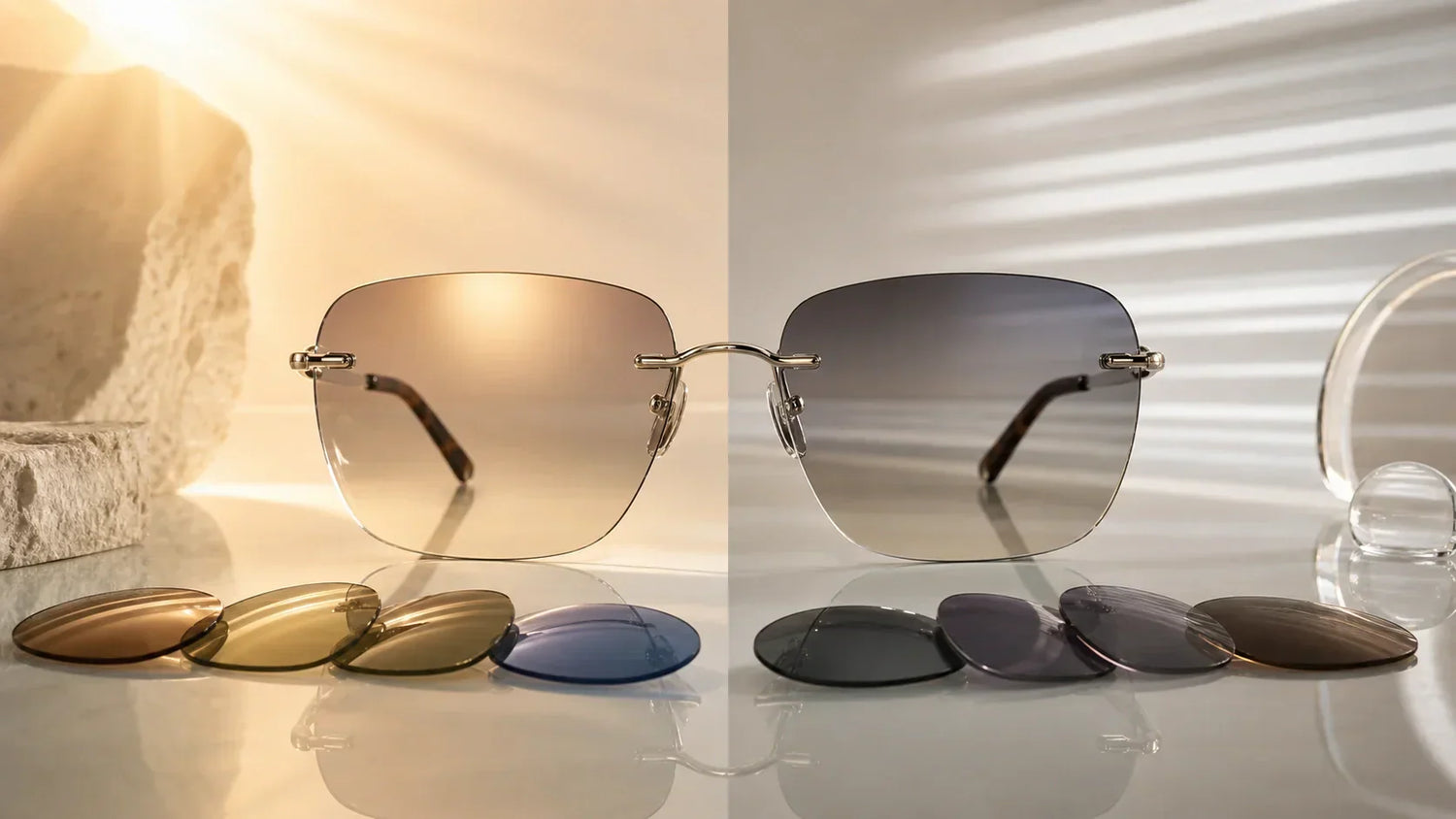
Sunglasses lens color VLT and Cat 3 chart showing grey brown green rose yellow and gradient tints

Lens route Best for Reminder
Grey lenses Natural color feel and bright daylight. Still check UV400 and polarization separately.
Brown or amber lenses Warm contrast, driving, and variable light. Good tint does not automatically prove UV400.
Green lenses Balanced outdoor use. Check the product label for protection details.
Rose lenses Softer visual comfort and a less harsh face result. Good for face softness, not a substitute for UV protection.
Gradient lenses Style, face visibility, driving transitions, and makeup-friendly wear. Can be polarized or non-polarized depending on the product.
Photochromic lenses Changing daylight conditions. Photochromic behavior is not the same as polarization.

For more detail, read the sunglasses lens color guide and Photochromic vs Polarized Sunglasses.

Related Lens & Light Guides

If you want to understand... Read this next
How to test polarization How to Tell If Sunglasses Are Polarized
Whether polarized is always better Are Polarized Sunglasses Always Better?
Driving glare and lens color Best Sunglasses for Driving
Phone, LCD, dashboard, and HUD visibility Polarized Sunglasses and Touchscreens
Lens darkness and VLT Cat 3 Sunglasses and VLT
Lens color and tint choice Sunglasses Lens Color Guide
Photochromic vs glare control Photochromic vs Polarized Sunglasses
Rimless and cleaner face styling Rimless Sunglasses Guide

FAQ

Is UV400 polarized?

No. UV400 is not the same as polarized. UV400 describes UV protection. Polarized describes reflected glare reduction.

Are UV400 sunglasses polarized?

Some are, but not all. Sunglasses can be UV400 without being polarized, polarized without clearly stating UV400, or both UV400 and polarized when both features are listed.

Does polarized mean UV protection?

No. Polarized means glare reduction. It does not automatically prove UV400 protection. Always check the UV protection statement separately.

What is the difference between UV400 and polarized?

UV400 is about ultraviolet protection. Polarized is about reflected glare reduction. UV400 helps answer protection; polarized helps answer glare comfort.

Which is better, UV400 or polarized sunglasses?

They are not direct substitutes. UV400 is the first priority for UV protection. Polarized is better when reflected glare from roads, water, snow, or glass is the problem.

Are non-polarized sunglasses still UV protective?

They can be. Non-polarized only means the lens does not use a polarization filter. It does not automatically mean the lens lacks UV protection. Check whether the product clearly states UV400 or 99–100% UVA/UVB protection.

Do non-polarized sunglasses block UV rays?

Non-polarized sunglasses can block UV rays if they are made with UV400 or 99–100% UVA/UVB protection. The non-polarized label only tells you about glare filtering, not UV protection.

Can sunglasses be both UV400 and polarized?

Yes. Sunglasses can be both UV400 and polarized. This combination provides UV protection and reflected glare reduction when the product specifications confirm both.

Is Cat 3 the same as polarized?

No. Cat 3 describes visible light transmission and lens darkness for bright sunlight. Polarized describes glare reduction. They can exist together, but they are not the same feature.

Are polarized sunglasses good for driving?

Polarized sunglasses can be good for daytime driving because they reduce road, windshield, and wet-pavement glare. Test your dashboard or HUD first because some screens may look darker through polarized lenses.

Are polarized sunglasses good for night driving?

Most sunglasses are not designed for night driving because darker lenses can reduce visible light. Polarized sunglasses are mainly a daytime glare-control tool, not the default solution for night driving.

Why do polarized sunglasses make phone screens look dark?

Many digital screens emit polarized light. When that light crosses the filter in polarized sunglasses at certain angles, the screen can look dark, patchy, or rainbow-like.

How can I tell if sunglasses are polarized?

Look at a phone, LCD screen, or reflective surface while rotating the sunglasses. If the view changes or darkens at certain angles, the lenses may be polarized. Product specifications or optical testing are more reliable.

What BAPORSSA route should I choose after comparing UV400 and polarized?

Choose Luma for daily glare control, Flow for water and wider outdoor coverage, Shift for driving and changing daylight, and Air for lightweight daily UV comfort. Check each product page for exact lens details before buying.

Authority Sources

Final Recommendation

UV400, polarized, and non-polarized are useful labels, but they answer different questions. UV400 is the baseline for UV protection. Polarized is the add-on for reflected glare. Non-polarized can be the better daily choice when screen visibility, lighter tints, gradient styling, or an open face result matters more. Cat 3 explains lens darkness, not UV protection.

If you want one simple rule, use this: UV400 first, polarized when glare matters, non-polarized when screens and daily styling matter more, Cat 3 when bright-sun darkness matters, and rimless or gradient styling when face visibility matters.

Shop driving and travel sunglasses · Shop rimless gradient sunglasses

Next step
Keep moving with the right next click.
Send informational readers to the most helpful next page first, then let commerce happen naturally.
Related guide
Read the outdoor blue light and lens color guide
Use this guide when the question is not only UV400 or polarization, but how outdoor blue light, bronze, gray, green, and gradient lenses affect clarity, glare, and visual comfort.
Continue the Edit

Reading next

Polarized vs non-polarized sunglasses worth it drawbacks glare screen visibility and comfort
BackBone sunglasses BAPORSSA banner button

Baporssa

Less Frame, More Beautiful Results.

Shop The Signature Sunglasses Start with the Buying Guide