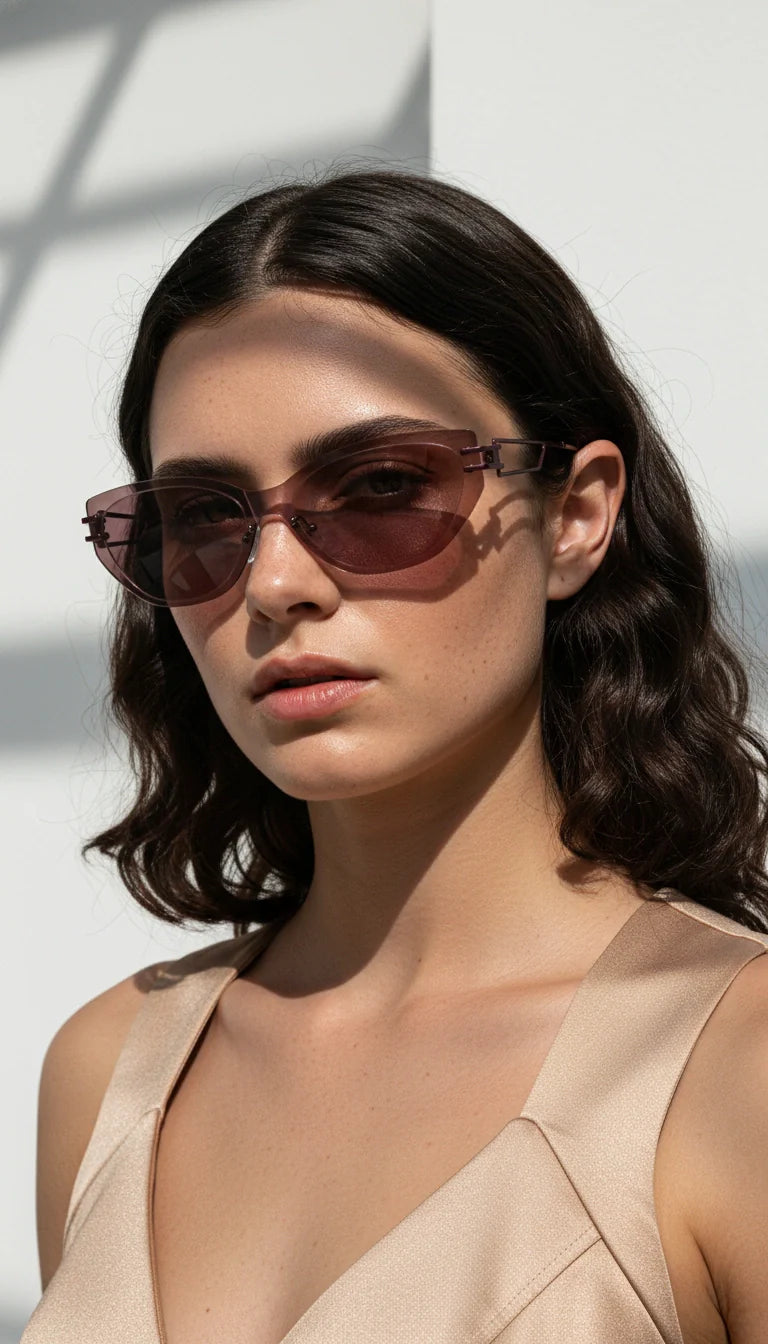


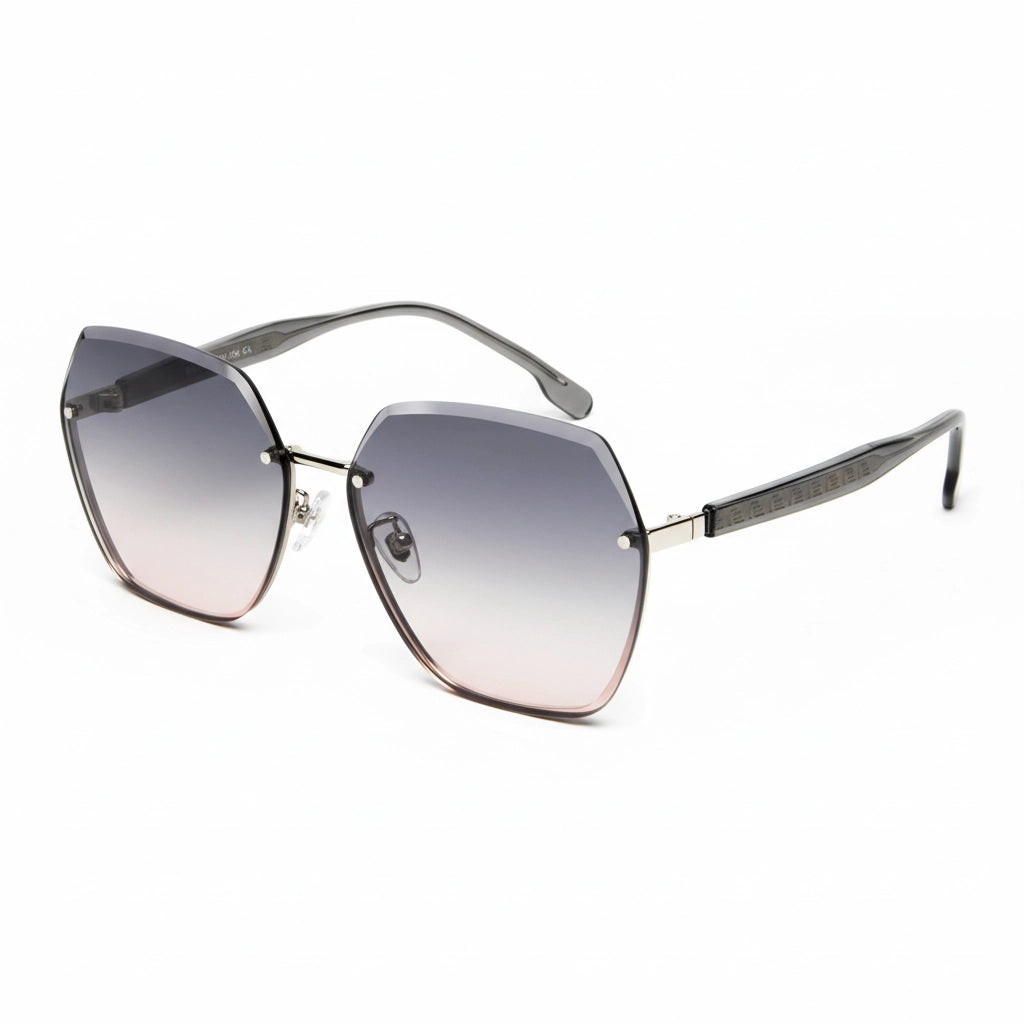
It is a common question: if someone cannot see, why do they wear dark sunglasses indoors or on cloudy days? The answer is complex, rooted deeply in medical necessity, visual comfort, and personal safety.
For BAPORSSA, protecting the eyes is paramount—for all users. This article, backed by authoritative medical and professional insights, breaks down the five critical reasons why dark lenses are an essential tool for the visually impaired community.
1. Protection from UV Damage and Light Sensitivity (Photophobia)

This is the most critical reason. Many conditions that cause vision loss (like cataracts, macular degeneration, or aniridia) also cause the eyes to be acutely sensitive to light—a condition called Photophobia.
The eyes’ natural defenses against light are often compromised. Dark lenses, particularly those with 100% UV protection, are a necessary medical device to filter this painful light, reduce strain, and prevent further damage to the retina [Source: American Academy of Ophthalmology].
2. Shielding Compromised Eyes from Physical Harm
For individuals with severely diminished vision, the ability to anticipate and avoid physical hazards is reduced.
-
Physical Barrier: Sunglasses act as a physical shield against flying dust, accidental pokes, low-hanging branches, or unexpected objects.
-
Medical Barrier: They protect eyes that have undergone surgery or require medication, keeping them clean and shielded from airborne irritants that could cause infection [Source: National Eye Institute Research].
3. Reducing Discomfort from Shifting Light Levels
Many visually impaired individuals have residual vision—patches of sight or the ability to detect light and dark. However, their eyes struggle to adjust quickly to rapid changes in illumination (e.g., moving from a shaded spot to direct sunlight).
High-quality tinted and polarized lenses help modulate this transition, offering a more stable and comfortable visual environment, making navigation safer and less stressful throughout the day.

4. Communication and Social Comfort
While not a medical reason, the social aspect is significant and often overlooked.
-
Non-Verbal Cue: The dark lenses signal to others that the individual is visually impaired, simplifying social interactions and facilitating assistance (a form of polite communication).
-
Privacy: They provide privacy, covering eyes that may exhibit involuntary movements (like nystagmus or strabismus), which can sometimes make the wearer self-conscious [Source: Vision Research Foundation].

5. Managing Residual Glare and Contrast
Even if someone is legally blind, they may still perceive light. Glare can destroy the remaining contrast needed to navigate.
BAPORSSA’s Polarized Lenses are critical here. They eliminate the harsh, scattered light, helping the remaining functional visual field to better utilize the available contrast, which can mean the difference between seeing a curb or a change in flooring, and not seeing it.
BAPORSSA Solution: Comfort and Protection for All
Our commitment is to superior eye protection. We recommend frames from our collections that meet the highest standards for light sensitivity:
-
For Maximum Protection: Our UV Protective Collection offers 100% UV400 coverage in all tints.
-
For Ultimate Glare Control: Choose any frame from our Polarized Collection for reduced eye strain and enhanced contrast.
- [Source 1] American Academy of Ophthalmology (AAO): Guidelines on Photophobia and Protective Eyewear.
-
[Source 2] National Eye Institute (NEI) Research: Studies on Ocular Injury Prevention for Compromised Vision.
-
[Source 3] Vision Research Foundation/World Health Organization (WHO): Social and Psychological Considerations in Visual Impairment.