
Quick answer: silicone nose pads can help when glasses or sunglasses slide, leave light red marks, or feel slick on warm skin. They work best when the frame already fits fairly well but the contact point feels too hard, slippery, or sharp. If the frame is heavy, too wide, sitting too low, or pressing unevenly, softer pads may reduce the symptom but will not fix the fit.
This guide explains when silicone nose pads for glasses are useful, when nose pads for sunglasses can help, and when you should look for a lighter or better-adjusted frame instead. BAPORSSA does not sell replacement nose-pad accessories. The goal here is to help you decide whether your problem is a pad material issue or a frame-fit issue.

Quick Answer: When Silicone Nose Pads Help
| Your problem | Can silicone nose pads help? | Better long-term route |
|---|---|---|
| Light red marks on the nose | Yes. Softer pads can spread pressure more gently. | Use softer pads, but check frame weight if marks return quickly. |
| Glasses slide on warm or oily skin | Sometimes. Clean silicone can grip better than hard PVC. | Check bridge support, temple hold, and front weight. |
| Low bridge, cheek touch, or lashes hitting lenses | Only partly. Pads alone may not lift the frame enough. | Choose adjustable nose pads and a frame that can sit higher. |
| Deep dents from heavy sunglasses | Only a little. | Choose a lighter frame or better-balanced lens shape. |
| One side leaves a stronger mark | Not always. | Check crooked fit, uneven ears, or pad angle first. |
Silicone Nose Pads for Glasses vs Sunglasses
Searches for nose pads for glasses usually come from people looking for replacement parts. Sunglasses are different because lens size, front weight, tint, bridge shape, and temple balance also affect pressure. A soft nose pad can make contact feel better, but it cannot make a heavy or poorly balanced pair behave like a lighter one.
| Use case | What matters most | BAPORSSA angle |
|---|---|---|
| Eyeglasses used all day | Pad material, bridge height, optical adjustment | Use this guide as fit education only. |
| Sunglasses for outdoor wear | Lens weight, frame balance, bridge contact, temple hold | Choose lighter frames or adjustable nose-pad styles when pressure is the issue. |
| Makeup or foundation marks | Pressure, friction, oil, pad cleanliness | Use a lighter frame and avoid heavy pressure at the bridge. |
| Low bridge or cheek touch | Lift, pad angle, lens clearance | Adjustable nose pads are usually safer than fixed bridge designs. |
Do Silicone Nose Pads Leave Marks?
Silicone nose pads can still leave marks if the frame is heavy, tilted forward, too tight, or pressing on too small a contact area. They are softer than many hard plastic pads, but softness does not remove pressure. If marks appear within minutes, the problem is probably not just the pad material.
For light marks, clean silicone pads and a better pad angle may help. For deep dents, repeated redness, or makeup holes at the bridge, check whether the frame is too front-heavy or sitting too low.
Silicone vs Plastic Nose Pads
Silicone nose pads usually feel softer and grip better than hard plastic or PVC pads. Plastic pads can still work, but they often feel sharper as they age, especially when they become yellow, cloudy, brittle, or slick from oil and sunscreen.

| Pad type | Best for | Limit |
|---|---|---|
| Soft silicone nose pads | Grip, lighter red marks, daily comfort | Need cleaning; can still leave marks under heavy frames. |
| Air-cushion silicone pads | Softening pressure when the frame already fits well | They help contact comfort, not bad geometry. |
| Hard plastic / PVC pads | Basic durability and low-cost replacement | Can harden, yellow, and feel sharper over time. |
| Integrated nose pads | Clean look and easy wiping | No adjustment if the bridge shape is wrong. |

Adhesive vs Adjustable Nose Pads
Adhesive silicone pads are usually temporary helpers. They can lift a fixed plastic frame slightly or add grip to a bridge that slides a little. But they may peel, collect makeup, feel bulky, or change how the frame sits.

Adjustable nose pads are better when the problem is bridge height, low bridge fit, cheek touch, lash clearance, or uneven pressure. They allow the contact point to be angled and positioned instead of only softened.
When Nose Pads Cannot Fix the Problem
Nose pads cannot change frame width, lens weight, temple pressure, or bridge geometry. If the whole frame keeps moving, start with fit rather than pad material.
| If this keeps happening | Likely cause | Read next |
|---|---|---|
| The frame keeps sliding even with clean pads | Bridge fit, temple hold, or front weight issue | How to stop sunglasses from sliding down |
| Lenses touch cheeks when you smile | Low bridge or frame sitting too low | Low bridge fit guide |
| Foundation rubs off around the pads | Pressure plus friction plus oil | No-dent makeup sunglasses guide |
| One side always presses more | Uneven ears, pad angle, or temple imbalance | Crooked sunglasses fit guide |
Best BAPORSSA Routes if the Frame Is the Problem
If new nose pads would only patch the problem, choose the frame route by the symptom. This is why every article should not recommend all 19 products. The better method is to match the product to the search intent and the user’s problem.
| Fit problem | Best route | Why |
|---|---|---|
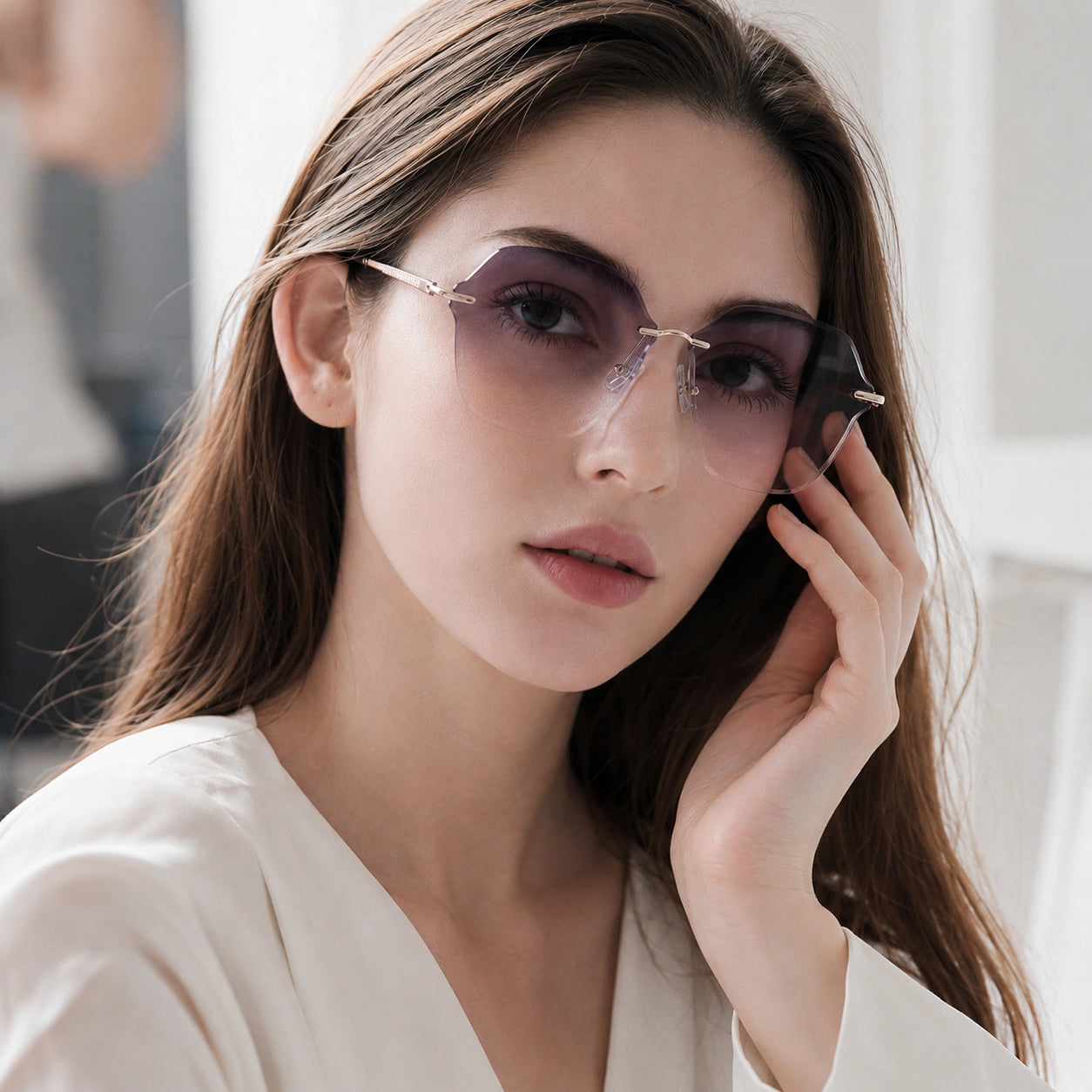
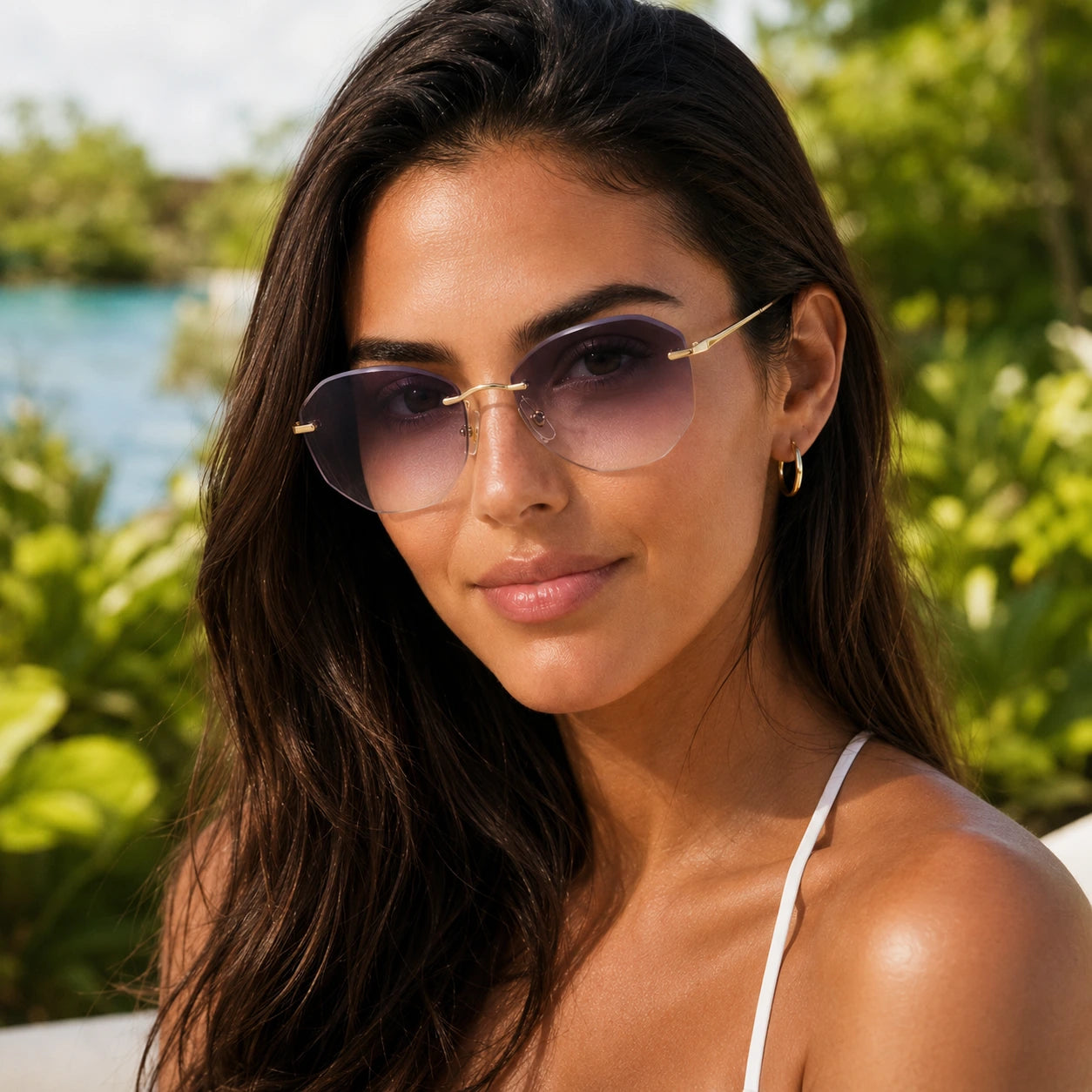
| Bridge control, slipping, nose-pad adjustment | Luma | Best first route when adjustable nose-pad control is the main concern. |
| Pressure from heavier sunglasses | Air | Better when the goal is lighter daily wear and less pressure. |
| Pressure plus visual bulk | Backbone | Cleaner rimless route when you want less frame weight and a more open face result. |

More BAPORSSA Fit Routes
These are not the main products for this nose-pad article, but they should appear when the user’s problem points there. This gives more of the catalog a role without turning one article into a full product archive.
| When the user cares about... | Compare | Use this in articles about... |
|---|---|---|
| Outdoor glare and stronger coverage | Flow | Driving, water glare, outdoor sport, reflected light |
| Shield coverage with a cleaner frame line | Vanguard | Travel, bright outdoor days, shield sunglasses, women’s rimless coverage |
| Cat-eye styling with adjustable comfort | Onyx | Cat-eye, titanium, sharp frame styling, polished city look |
| Soft gradient tint and makeup-visible styling | Glow | Gradient lenses, makeup-friendly sunglasses, soft face look |
Integrated Nose Pads: Clean Look, Fixed Fit
Integrated nose pads are built into the frame itself. They look clean and are easy to wipe, but they cannot be raised, narrowed, widened, or angled like adjustable nose pads. They work only when the molded bridge already fits your nose well.

How to Clean Silicone Nose Pads
Silicone grips best when it is clean. Skin oil, sunscreen, makeup, and sweat can make even good pads feel slippery.
- Rinse the bridge and nose-pad area with lukewarm water.
- Use a small amount of mild soap.
- Clean around pad arms, screws, and edges.
- Rinse fully.
- Dry with a microfiber cloth before wearing.
Replace pads when they turn yellow, tear, feel sticky, or stop gripping clean skin.
Related Fit Guides
| If your issue is... | Read this next |
|---|---|
| The whole frame keeps sliding | How to stop sunglasses from sliding down |
| Low bridge, cheek touch, or lash contact | Low bridge fit sunglasses guide |
| Foundation marks or nose dents over makeup | No-dent makeup sunglasses guide |
| One side sits higher or presses harder | Crooked sunglasses fit guide |
| Shopping softer rimless styles | Shop rimless gradient sunglasses |
FAQ
Do silicone nose pads stop glasses from sliding?
They can help when the problem is poor grip, hard pads, skin oil, or sweat. They will not fully fix glasses or sunglasses that are too wide, too heavy, or wrong for your bridge height.
Do silicone nose pads leave marks?
They can still leave marks if the frame is heavy or pressure is concentrated in one small area. Silicone may feel softer than hard plastic, but fit and weight still matter.
Are silicone nose pads better than plastic?
For grip and comfort, silicone nose pads are usually better than hard plastic or old PVC pads. Plastic pads can feel sharper as they age or harden.
Are adhesive silicone nose pads good?
They can help a fixed bridge sit slightly higher or grip better, but they are usually a temporary fix. They may peel, collect makeup, or feel bulky.
What nose pads are best for sunglasses?
For sunglasses, adjustable silicone nose pads are often the safest choice when bridge control, low bridge lift, or pressure adjustment matters. Fixed integrated pads work only when the molded bridge already fits.
Should I replace the nose pads or replace the frame?
Replace pads first if they are yellow, sticky, torn, hard, or dirty. Consider a better frame if new pads still leave deep marks, the sunglasses slide, or the frame sits too low.
Which BAPORSSA sunglasses should I choose if nose pads are not enough?
Start with Luma for adjustable bridge control, Air for lighter pressure, and Backbone for a cleaner rimless route. Compare Flow, Vanguard, Onyx, or Glow only when your main need is glare coverage, shield coverage, cat-eye styling, or soft gradient styling.
Final Recommendation
If the pad is old, yellow, slick, or sharp, replace it first. If fresh silicone pads still leave marks or the sunglasses keep sliding, the frame is asking too much of your nose.
Choose Luma when bridge control matters most. Choose Air when lighter daily wear is the priority. Choose Backbone when you want less pressure and a cleaner rimless face result.