
Sunglasses peeling? Lens coating damage, crazing and what to do
If your sunglasses look like they are peeling, stop scrubbing. The problem is usually lens coating damage, heat crazing or layer separation (delamination) rather than dirt. Clean the lens gently once to rule out sunscreen, oil or salt residue; if the mark keeps its shape, bubbles, flakes or forms fine crack lines, it is damage that cannot be restored at home.
Replace the pair when the damage sits in the centre of the lens, keeps spreading, creates haze, glare or halos, or makes driving and outdoor movement distracting.

Is it dirt or lens damage?
Do one safe cleaning check:
- Rinse the lenses with lukewarm water.
- Clean with a small drop of mild dish soap and your fingers.
- Rinse thoroughly and dry with a clean microfibre cloth.
- Look at the mark in bright indirect light.
If the mark changes, smears or disappears, it was residue. If the outline stays fixed or looks raised, cracked, bubbled or flaky, stop cleaning.
Peeling, crazing, delamination and scratches

| Issue | Appearance | Typical response |
|---|---|---|
| Residue | Greasy or cloudy film that changes when cleaned | Use a gentle lens-safe cleaning routine. |
| Coating peel | Flakes, cloudy islands or lifting near the edges | Stop rubbing; replace if it spreads or reaches the viewing area. |
| Crazing | Fine crack lines or a spiderweb pattern | Cleaning will not remove it. |
| Delamination | Bubbles, patches or separated layers | Lens or pair replacement is usually required. |
| Scratch | A defined line or scuff | Do not polish coated lenses with abrasive products. |
Lens delamination means the layers of a lens, or a coating and the lens beneath it, have separated. It usually shows as bubbles or cloudy patches, often starting at the lens edge.
Why sunglass coatings fail
Coating failure usually builds up from repeated stress rather than one event:
- Heat: dashboards, hot cars, saunas and long direct-sun storage stress the layers.
- Sunscreen and skin oil: residue stays on lenses and edges.
- Saltwater and sweat: dried salt increases friction when you wipe.
- Dry cleaning: dust and sand act as abrasives.
- Strong cleaners: unapproved products can attack coatings and finishes.
- Age: older coatings haze, crack or lift more easily.
Can peeling sunglasses be repaired?
Residue can be cleaned, and a loose screw, bent temple or worn nose pad can be repaired. Real coating peel, crazing and delamination cannot be returned to a clear factory finish by cleaning or polishing.
| Option | When it makes sense |
|---|---|
| Continue cleaning | The mark changes or disappears with gentle cleaning. |
| Replace the lenses | The frame is strong and compatible lenses are available at a reasonable cost. |
| Use a local repair service | The problem is hardware rather than the lens surface. |
| Replace the pair | Damage affects your view, the frame is also worn, or new lenses are impractical. |
Do not use toothpaste, baking soda or abrasive polish, do not pull at a lifted layer, and do not add heat. If it is the frame rather than the lens that is peeling, the paint or plating is wearing off: that is cosmetic and does not affect the lens, but home touch-ups rarely match the original finish.
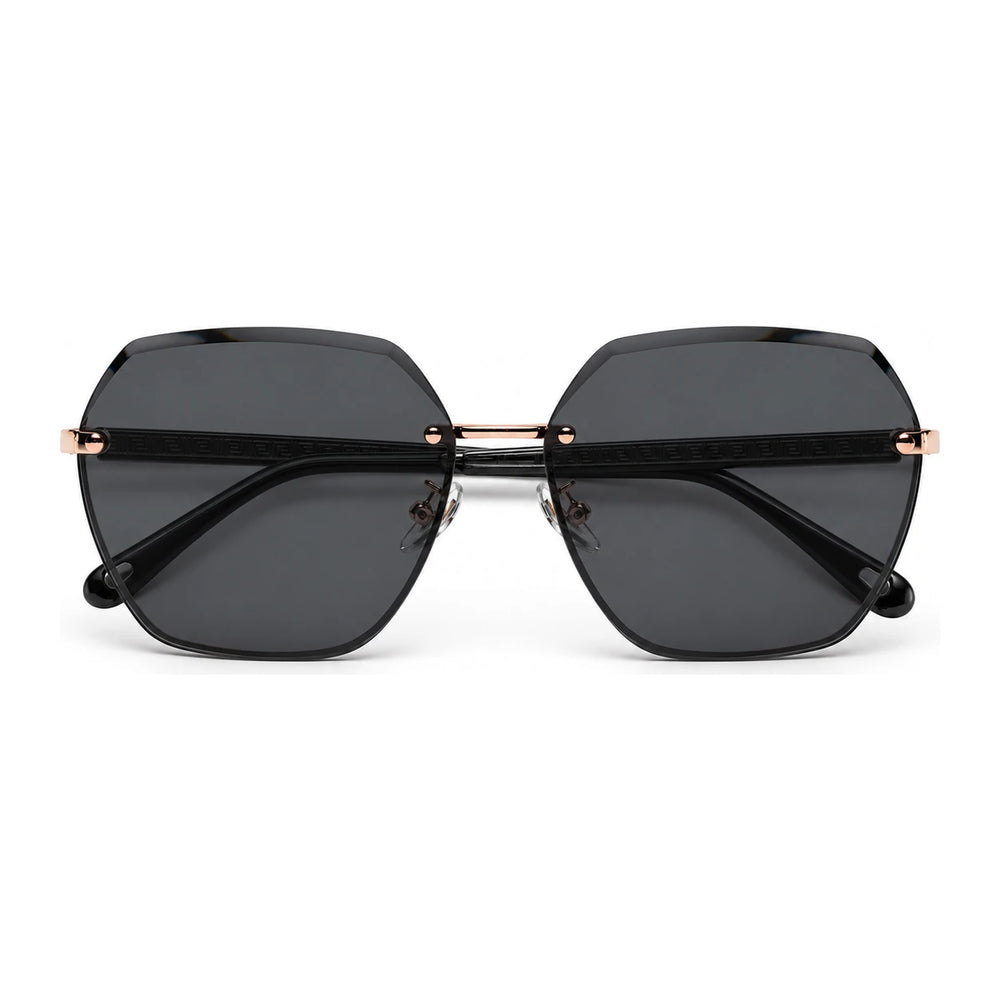
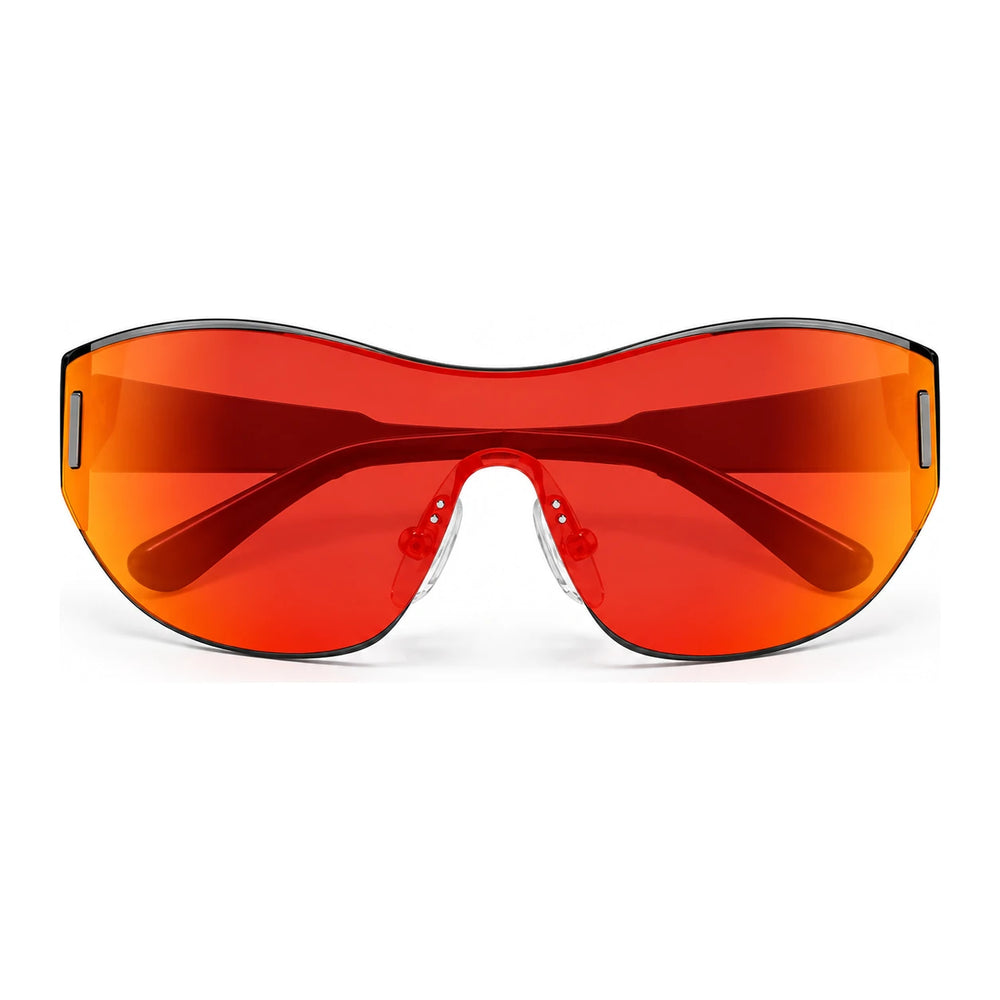
If you are replacing the pair, Contour, Glow and Sprint list both a scratch-resistant and a water-repellent (hydrophobic) coating. Every BAPORSSA pair comes with a 1-year warranty; see the refund policy for what it covers.




How to reduce future damage
- Do not leave sunglasses on a dashboard or inside a hot car.
- Rinse sand, saltwater and sweat off before wiping.
- Use a clean microfibre cloth, never paper towels or clothing.
- Remove sunscreen residue gently after wear.
- Store the pair in a case rather than loose in a bag.
In the next pair, look for a clearly listed lens material, UV400 in the specifications and coatings named on the product page rather than "premium lens" wording. BAPORSSA lenses are nylon and UV400 unless the product page says otherwise; for how lens materials compare, read the sunglass lens materials guide.


Collection
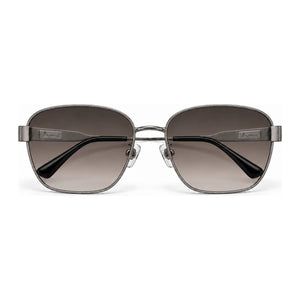
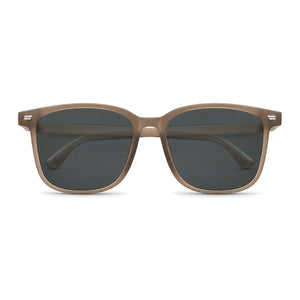
Polarized Driving Sunglasses for Women
7 styles
Polarized in every colour, with Category 3 lenses. For bright daytime driving. Don't wear sunglasses for night driving, and note that polarized lenses can...
FAQ
Why are my sunglasses peeling?
The lens coating is lifting, crazing or separating, usually because of heat, residue, abrasion, strong cleaners, age or repeated stress.
Can peeling lenses be fixed at home?
No. Gentle cleaning can only rule out residue; real coating peel, crazing and delamination stay.
Can you remove a peeling lens coating?
We do not recommend it. Abrasive polishes and chemical strippers can scratch or cloud the lens underneath, leaving it worse than a partly peeled coating.
Is delamination the same as peeling?
They are related. Peeling usually describes a surface coating lifting; delamination describes layers separating, often seen as bubbles or cloudy patches.
Can polarized sunglasses peel?
Yes. Polarization does not protect lens layers or coatings from heat, abrasion, cleaners or age.


