
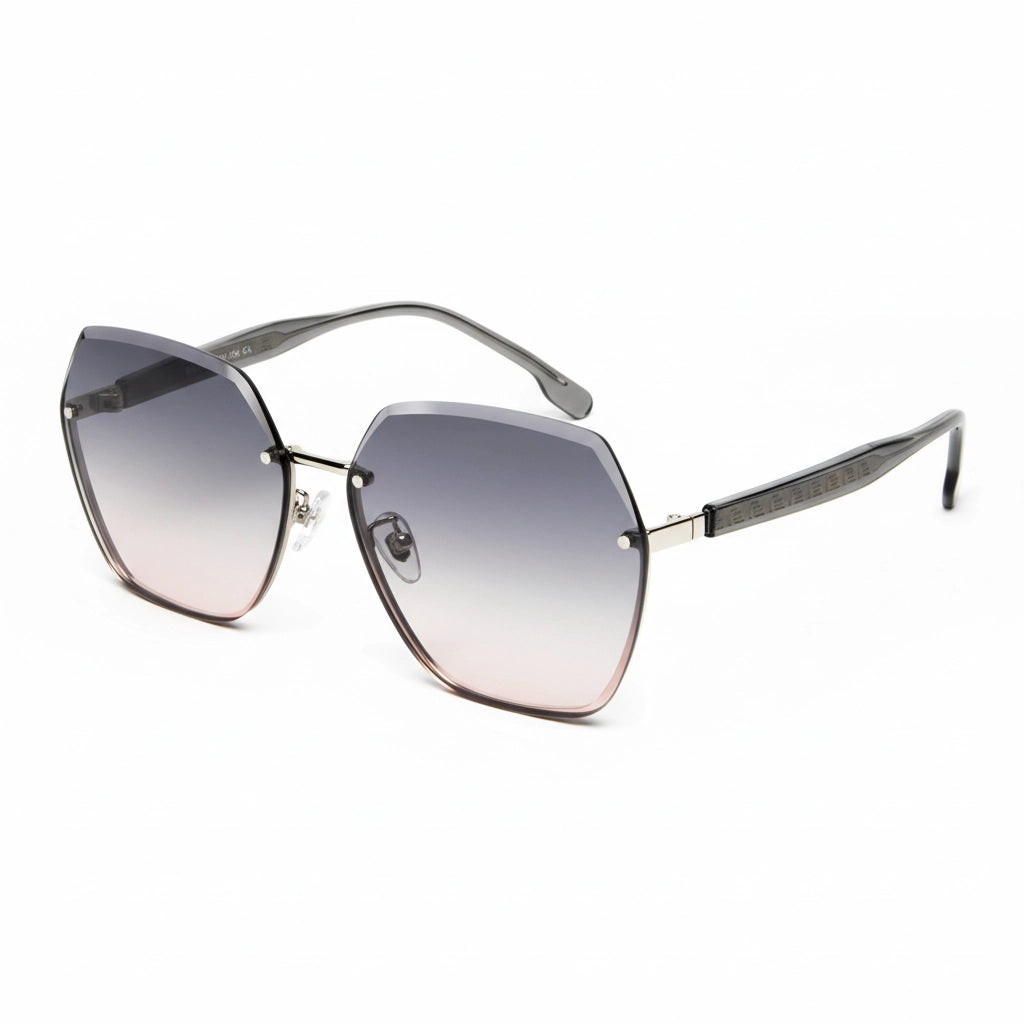





When most people shop for eyewear, they choose the lens color based on their outfit. Black goes with everything. Pink is for parties. Bronze is for that vintage aesthetic.
But according to optical physics, lens tint is not just about fashion—it’s about Light Management.
Different colors filter different wavelengths of the visible light spectrum. The right tint can help you spot a golf ball in the grass, see a patch of ice on the road, or reduce eye strain on a cloudy day. At BAPORSSA, we design our tints with specific visual goals in mind.
Whether you are looking for the Quiet Luxury of rimless styles or high-performance protection, this guide will explain the science behind the tint.
Why Lens Color Matters: Optical Physics 101
Before you choose a frame, you must understand how a lens interacts with light. It isn't magic; it's physics. The color of the lens determines which parts of the light spectrum reach your retina and which parts are filtered out.
Visible Light Transmission (VLT) Explained
The darkness of a lens is scientifically measured by Visible Light Transmission (VLT). This percentage indicates how much light the lens allows to pass through to your eye.
- Low VLT (10%–20%): These are dark lenses. They allow very little light in, making them ideal for bright, direct sunlight conditions like open oceans or high-altitude mountains.
- Medium VLT (20%–40%): These are versatile tints, often found in our Gradient Collections. They work well for daily city use and variable weather.
- High VLT (40%+): These are light tints (like pale yellow or soft pink), designed for low-light conditions, overcast days, or evening wear.
The Difference Between Tint, Polarization, and UV Protection
One of the most important distinctions in eyewear is the difference between color, glare reduction, and safety.
- Tint (Color): Controls contrast and color perception.
- Polarization: A specific filter that blocks horizontal light waves (glare) bouncing off flat surfaces like water or asphalt. For a deeper explanation, read What Are Polarized Sunglasses? Meaning, Benefits & Uses.
- UV Protection: An invisible chemical coating that blocks ultraviolet radiation.
Myth Buster: Does Darker Tint Equal Better Protection?
No. This is perhaps the most dangerous myth in eyewear.
The darkness of a lens only affects visible light (brightness). It does not block invisible UV rays. In fact, wearing dark sunglasses without UV protection is more dangerous than wearing none at all. The dark tint causes your pupils to dilate (open wider), allowing more harmful UV rays to enter the eye if the lens lacks the proper coating.
At BAPORSSA, whether you choose a clear lens or a midnight black lens, you are guaranteed UV400 Protection.
Grey and Black Lenses: The "Truth Tellers"
Grey and black are the most popular lens colors for a reason. In the world of optics, we call them "neutral density" filters.
How Neutral Tints Manage Light Intensity
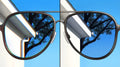
Grey tints work by reducing the overall intensity of light equally across the visible spectrum. Unlike colored lenses that might filter out blue or enhance red, grey lenses dampen all wavelengths simultaneously.
The result? True color perception.
When you wear grey lenses, a green traffic light still looks green, and the blue sky still looks blue—everything is just darker and more comfortable.
Best Real-World Use Cases
Because they do not distort colors, grey and black lenses are the gold standard for situations where accuracy is critical.
High-Glare Driving and Bright Mid-Day Sun
If you are driving in intense, direct sunlight, your eyes can suffer from "saturation," where the brightness washes out details. A high-quality black lens reduces this brightness without altering the colors of road signs or hazard lights. This makes them a top contender in our guide on Why Your Driving Sunglasses Might Be Dangerous.
Recommended BAPORSSA Styles: Vanguard & Cyber Black Editions
For those who prioritize true vision and maximum glare reduction, we recommend:
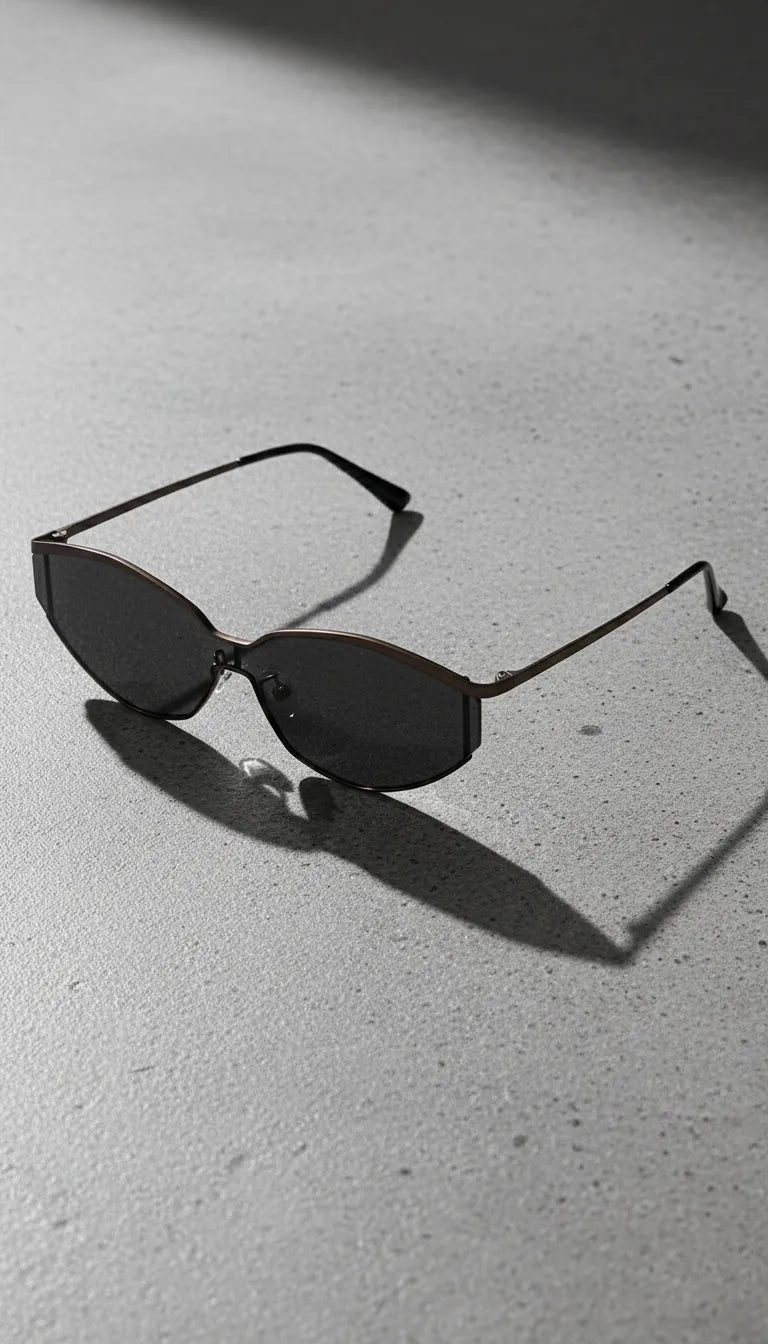
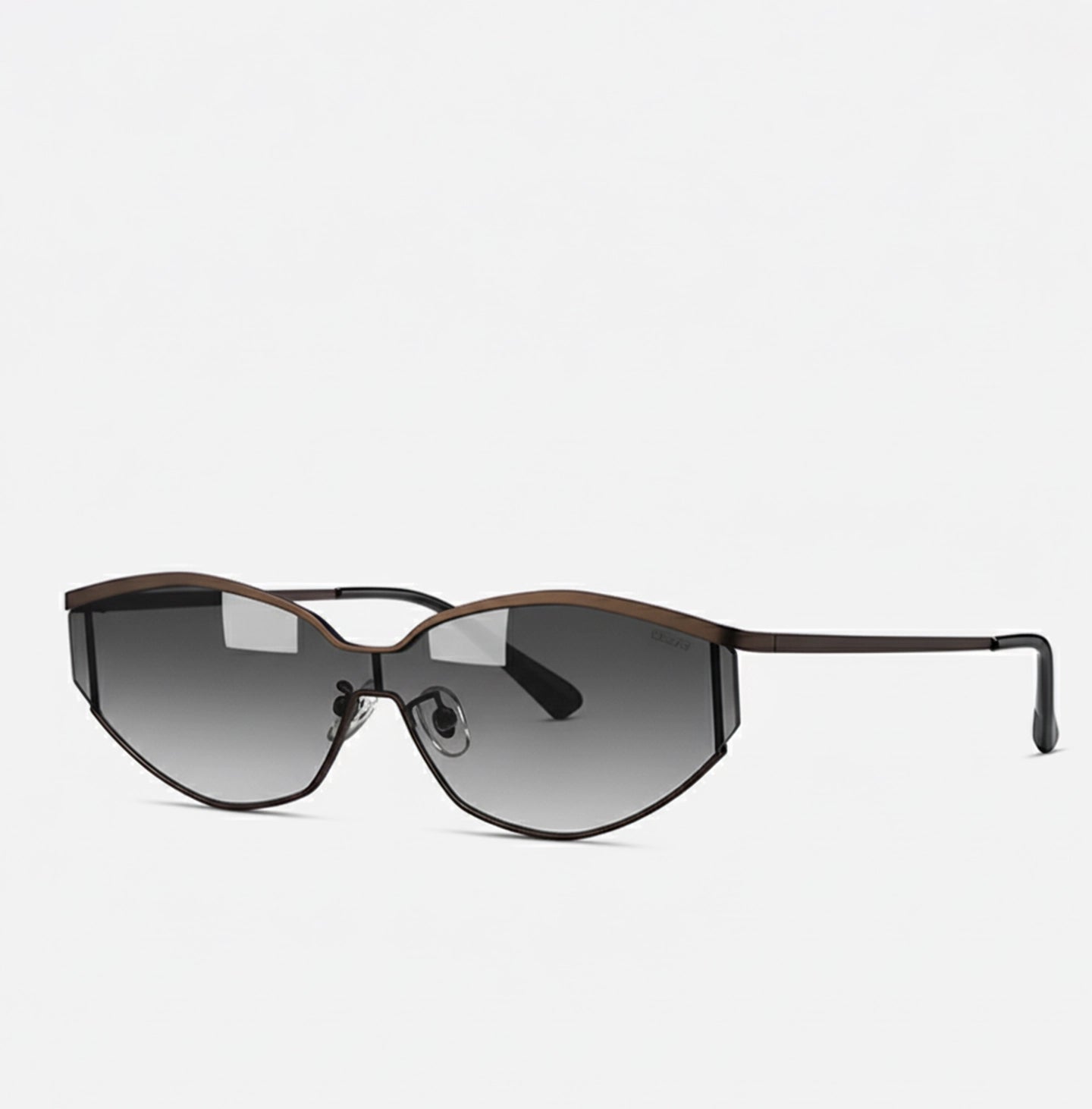
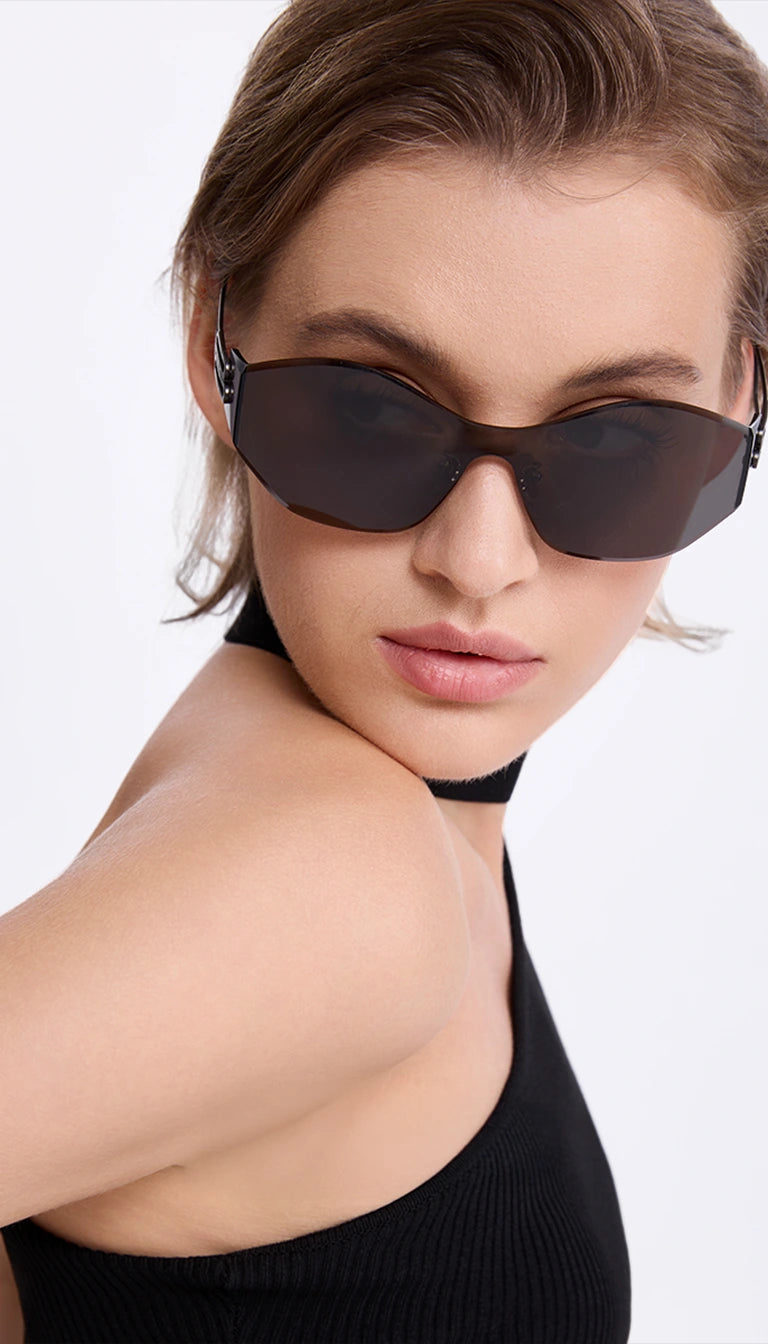
- Baporssa Midnight Muse Geometric Cat-Eye Sunglasses BAM5 – A perfect blend of fashion and function for bright city days.
- Baporssa Y2K Cat-Eye Titanium Sunglasses – Cyber Black Edition B8257 – Offers a futuristic aesthetic with premium neutral light filtration.
Bronze, Copper, and Brown Lenses: The "Contrast Boosters"
If grey lenses are about "truth," brown and bronze lenses are about "enhancement." These are arguably the most functional tints for dynamic environments.
The Science of Blocking Blue Light
Bronze, copper, and brown tints naturally filter out Blue Light (High-Energy Visible light). Blue light has a very short wavelength and scatters easily when it hits water or dust particles in the air—this scattering is what creates "haze."
By blocking this blue haze, brown lenses effectively increase visual acuity.
Why Golfers and Drivers Prefer Brown Tints
When you remove the blue haze, the remaining colors—reds, greens, and yellows—appear much richer and more saturated.
Enhancing Depth on Cloudy Days
Have you ever looked at a grassy field or a highway on an overcast day? It looks flat and grey.
Putting on a pair of bronze lenses adds a "warm" filter to the world. Suddenly, you can see the texture of the grass (crucial for golfers) or the separation between the road and the curb. This depth enhancement helps your brain react faster to obstacles.
Recommended BAPORSSA Styles: Vanguard Bronze & Champagne Editions
For high-contrast vision that looks as good as it performs:
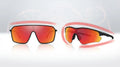
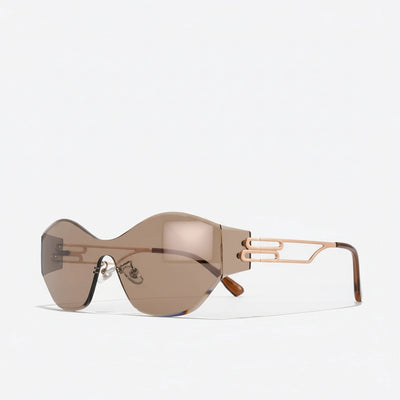
- BAPORSSA Vanguard Rimless Shield Sunglasses | Bronze BA20 – This is high-definition eyewear. The rimless design ensures an unobstructed view, while the bronze tint sharpens every detail.
- Baporssa Amber Titanium Sunglasses – Polarized Champagne Edition B7287 – A sophisticated option for those who want the benefits of contrast enhancement in a luxury titanium frame.
Pink, Rose, and Red Lenses: The "Depth Enhancers"
Moving away from the traditional earth tones, we enter the spectrum of red and rose. While often dismissed as purely cosmetic, these tints are actually high-performance tools used by elite athletes.
Reducing Eye Strain in Low-Light Conditions
The Physics: Pink and red tints filter out scattered blue light, similar to copper lenses, but they also allow a higher percentage of visible light to pass through (higher VLT).
The Effect: This makes them exceptional for environments where lighting is poor or flat. By enhancing contrast without darkening the view too much, they relax the ciliary muscles in the eye, reducing fatigue during extended wear.
From Ski Slopes to Street Style: Performance Meets Aesthetics
There is a reason professional skiers and snowboarders wear rose-tinted goggles in whiteout conditions.
In a "flat light" environment (like a snowy slope or a foggy morning), the ground loses definition. Rose lenses artificially increase the contrast of shadows, allowing the wearer to see bumps and dips in the terrain that would otherwise be invisible.
In the fashion world, this translates to the "Rose-Colored Glasses" effect—literally making the world look brighter, warmer, and more inviting, which is a key driver behind the recent Y2K fashion resurgence.
Recommended BAPORSSA Styles: Vanguard Pink & Y2K Series
If you want to combine this depth-enhancing technology with bold style:
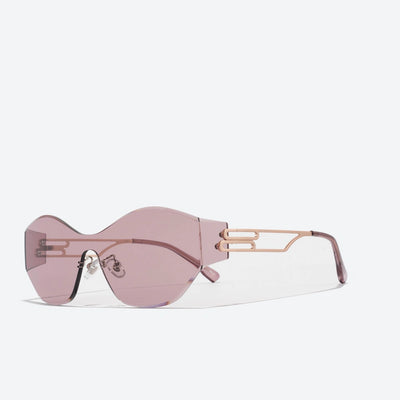
- BAPORSSA Vanguard Rimless Shield Sunglasses | Pink BA30 – A statement piece that doubles as a high-contrast performance lens for overcast days.
- Baporssa Y2K Cat-Eye Titanium Sunglasses – Gradient Red & Coffee Edition B8259 – This model leverages a gradient red tint, offering the benefits of depth perception with a unique, fashion-forward aesthetic.
Gradient and Fashion Tints: The "Multitaskers"
For many users, sunglasses need to transition seamlessly between outdoor sun and indoor shade, or between driving and checking a phone. This is where gradient lenses excel.
How Dual-Transmission Lenses Work
Gradient lenses are tinted darker at the top and gradually fade to a lighter tint (or clear) at the bottom.
- Top Zone: High filtration to block overhead sunlight.
- Bottom Zone: Low filtration to allow light in for near-field vision.
The Practical Benefit: Dashboard Visibility vs. Sun Blocking
This design solves a specific problem for drivers and shoppers.
When you are driving, the sun hits you from above (blocked by the dark top), but you need to see your speedometer or GPS clearly (viewed through the light bottom). A solid black lens might make the dashboard too dark to read quickly; a gradient lens offers the perfect compromise.
Recommended BAPORSSA Styles: Red & Coffee Gradient
For the versatile "multitasker":
- BAPORSSA Classic Gradient Sunglasses Large Full Frame – Ideal for driving and social interactions where eye contact is important.
- BAPORSSA 2025 Cat-Eye Gradient Sunglasses – Lightweight protection that adapts to your environment.
Comparative Sunglass Lens Color Chart
To make your decision easier, we have compiled a quick reference guide comparing the major tint families.
Quick Reference: Which Color for Which Activity?
| Lens Color | Primary Benefit | Best Conditions | Best Activity |
| Grey / Black | True Color Perception | Bright Sun / High Glare | General Use, Driving, Beach |
| Bronze / Brown | Contrast Enhancement | Variable / Cloudy / Sunny | Golf, Hiking, Highway Driving |
| Pink / Rose | Depth Perception | Low Light / Haze / Snow | Skiing, Dawn/Dusk, Fashion |
| Gradient | Dual Utility | Overhead Sun / Dashboard Reading | City Driving, Shopping, Social |
| Clear / Yellow | Maximum Light Transmission | Night / Heavy Fog | Night Driving (if specialized), Computer Use |
VLT Categories for Different Weather Conditions
- Category 3 (Dark, 8-18% VLT): Standard for bright sunny days (Most BAPORSSA Black/Grey/Bronze lenses).
- Category 2 (Medium, 18-43% VLT): Good for average sunlight (Most Gradient/Pink lenses).
- Category 1 (Light, 43-80% VLT): Overcast or low sun.
How to Choose the Right Tint for Your Lifestyle
Choosing the right lens is about matching the technology to your daily reality.
Assessing Your Environment (Beach, City, or Mountain)
- The Beach Goer: You are surrounded by reflective water and white sand. You need maximum glare reduction. Go with Polarized Grey or Black.
- The City Dweller: You move between shadows of skyscrapers and bright street corners. Go with Gradient or Brown.
- The Mountain Explorer: You deal with rapidly changing weather. Go with Brown or Rose to spot changes in the trail.
Matching Lens Color to Face Shape and Skin Tone
While the lens color is functional, it interacts with your skin tone.
- Cool Skin Tones: often look best with Grey, Blue, or Silver lenses.
-
Warm Skin Tones: are complemented by Brown, Gold, or Pink lenses.
For a deeper dive into frame geometry, read our guide on How to Choose the Perfect Sunglasses for Your Face Shape.
The "One-Pair" Fallacy: Why You Need a Quiver
We often search for "the one pair to rule them all," but as we've learned, different lights require different filters.
The most stylish and practical approach is to build a small rotation:
- A Black/Grey pair for those intense summer days.
- A Bronze/Gradient pair for driving and spring/autumn weather.
- A Pink/Fashion pair for evening events or overcast days.
Read more about packing the right eyewear in our Best Travel Sunglasses Guide.
Conclusion: Elevating Your View with the Right Technology
At BAPORSSA, we believe that sunglasses are more than accessories; they are an architectural interface between you and the world.
Whether you choose the honest clarity of the Midnight Black or the high-definition richness of the Vanguard Bronze, understanding the science of lens color empowers you to see the world not just differently, but better.
Ready to find your view? Explore our Best Sellers Collection and experience the BAPORSSA difference today.