

Геометрія стилю: плоскі проти обтічних лінз (Розуміння "базової кривизни")

Ви знаєте, що сонцезахисні окуляри бувають різних форм: авіатор, котяче око, круглі.
Але існує прихований геометричний параметр, який визначає "настрій" оправи навіть більше, ніж контур: Базова крива.
Чому Серія Vanguard виглядає футуристично та швидко?
Чому Колекція Y2K виглядає архітектурно та гостро?
Це не просто стиль. Це Оптична геометрія.
Кривизна лінзи визначає, як світло потрапляє на ваше око, як оправи сидять на вилицях і чи бачите ви "примарні відображення" власних очей. Ось фізика за кривою.
Що таке "Базова крива"? (Оптична геометрія 101)

Уявіть собі ідеальну сферу.
"Базова крива" (BC) відноситься до крутизни кривизни на передній поверхні лінзи.
Шкала: Від 0 до 9
- База 0 - 2 (Плоска): Дуже плоска, часто описується як вигляд "скляного листа". Це сучасна, "висока мода" естетика.
- База 4 - 6 (Стандарт): Ніжна крива. Вона імітує природну кривизну людського обличчя без надмірного обгортання. Більшість класичних сонцезахисних окулярів (як Wayfarers) знаходяться тут.
- База 8 - 9 (Обгорнута): Висока обгортка "щитова" крива. Лінза обгортає бік обличчя для максимального периферійного покриття. Це естетика "Спорт".
Тренд "Плоский": База 2 (Естетика Y2K)
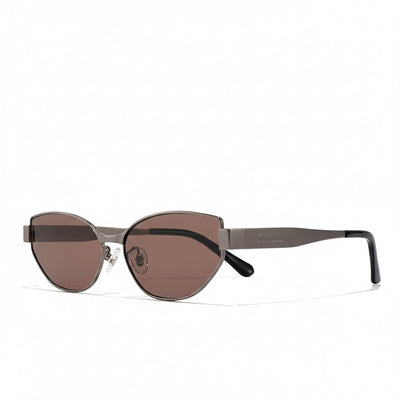
Якщо ви подивитеся на наші Північна Муза, ви помітите, що відображення на передній частині є плоским листом, а не опуклим. Це низька базова кривизна.
Вигляд: архітектурний і гострий
Плоскі лінзи відбивають світло інакше. Вони діють як дзеркало, створюючи чітку, суцільну стіну відтінку. Саме тому їх обирають для високої моди та вуличного стилю — вони виглядають «технічно» і сучасно.
Фізична проблема: «Задні відблиски»

Чи колись ви носили плоскі сонцезахисні окуляри і бачили відображення власного ока або шкіри позаду вас?
Це ретровідбиття.
Оскільки лінза плоска, світло, що потрапляє ззаду вашої голови, влучає у задню поверхню лінзи і відбивається прямо у вашу зіницю (кут падіння = кут відбиття).
Рішення: антиблікові (AR) покриття з тильної сторони
У BAPORSSA ми розв’язуємо цю фізичну проблему за допомогою хімії. Преміальні сонцезахисні окуляри часто застосовують Антиблікове (AR) покриття лише до задня поверхня темних лінз. Вони поглинають відбите світло, зменшуючи задні відблиски без зміни гладкого, дзеркального вигляду передньої частини.

«Обгорнутий» щит: база 8 (дизайн Vanguard)
На іншому кінці спектра знаходиться Висока базова кривизна. Це геометрія швидкості.

Фізична перевага: ефект «Бокового щита»
Лінза Base 8 (як у Серія Vanguard) фізично огинає ваше периферійне поле зору.
- Захист від вітру: Він блокує потік повітря (чудово для кабріолетів або велосипедистів).
- Периферійне засліплення: Він запобігає проникненню сонячного світла через бічний зазор, що є однією з головних причин напруги очей під час водіння.
Ризик спотворення: ефект «риб’ячого кулі»

Якщо просто зігнути плоский шматок пластику в сильний вигин, утворюється призма. Промені світла, що входять збоку лінзи, проходять через матеріал під крутим кутом, через що об’єкти здаються зміщеними або земля виглядає вигнутою.
Вирішення: Децентрована оптика
Щоб запобігти цьому, високоякісні обгорткові лінзи використовують децентровану оптику.
Це означає, що оптична «солодка точка» лінзи зміщується, а кривизна перераховується так, щоб ваша лінія зору проходила через зону з правильною силою, а не через «призму» на краю.
Хоча лінза фізично звужується (товща в центрі, тонша на краю), результатом є те, що зображення залишається прямим, усуваючи запаморочення «риб’ячого кулі», характерне для дешевих обгорткових окулярів.
Фактор «Дотику до щоки»: вигин проти анатомії

Форма вашого обличчя визначає, який вигин підходить комфортно.
Чому плоскі оправи краще сидять на високих вилицях
Якщо у вас високі вилиці або «плоский» профіль обличчя (поширено для потреб Asian Fit), плоскіші вигини в діапазоні Base 2–6 зазвичай безпечніші.
Оскільки оправа не загинається назад різко, вона не торкається ваших щік, запобігаючи запотіванню та розмазуванню.
Чому обгорткові оправи потребують регульованих носових подушок

Оправа Base 8 вигинається всередину. Якщо у вас низький міст носа або високі вилиці, нижня частина лінзи врізатиметься в шкіру.
- Рішення BAPORSSA: Ось чому наші щити Vanguard без обідків мають Регульовані металеві носові дужки. Вони дозволяють трохи відсунути обгорнутий лінз впередстворюючи необхідний зазор для ваших щік, зберігаючи аеродинамічне обгортання.
BAPORSSA Style Matcher: Яка крива пасує вашому настрою?

Обирайте не лише форму; обирайте геометрію.
-
Base 2 (Плоска): «Міський стильний»
- Моделі: Північна Муза, Y2K Кібер Чорний.
- Найкраще для: Міське середовище, соціальні заходи, фото та похмурі дні.
-
Base 6 (Стандарт): «Щоденний водій»
- Моделі: Класичні авіатори з градієнтом.
- Найкраще для: Щоденне носіння, стандартна посадка для більшості форм обличчя.
-
Base 8 (Обгорнута): «Пілот продуктивності»
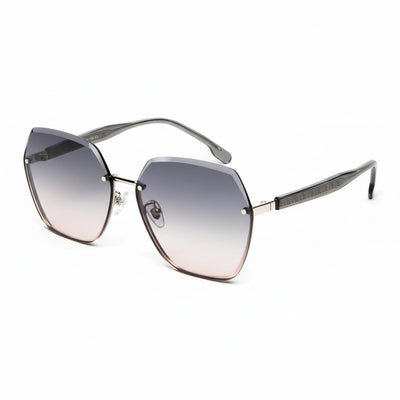
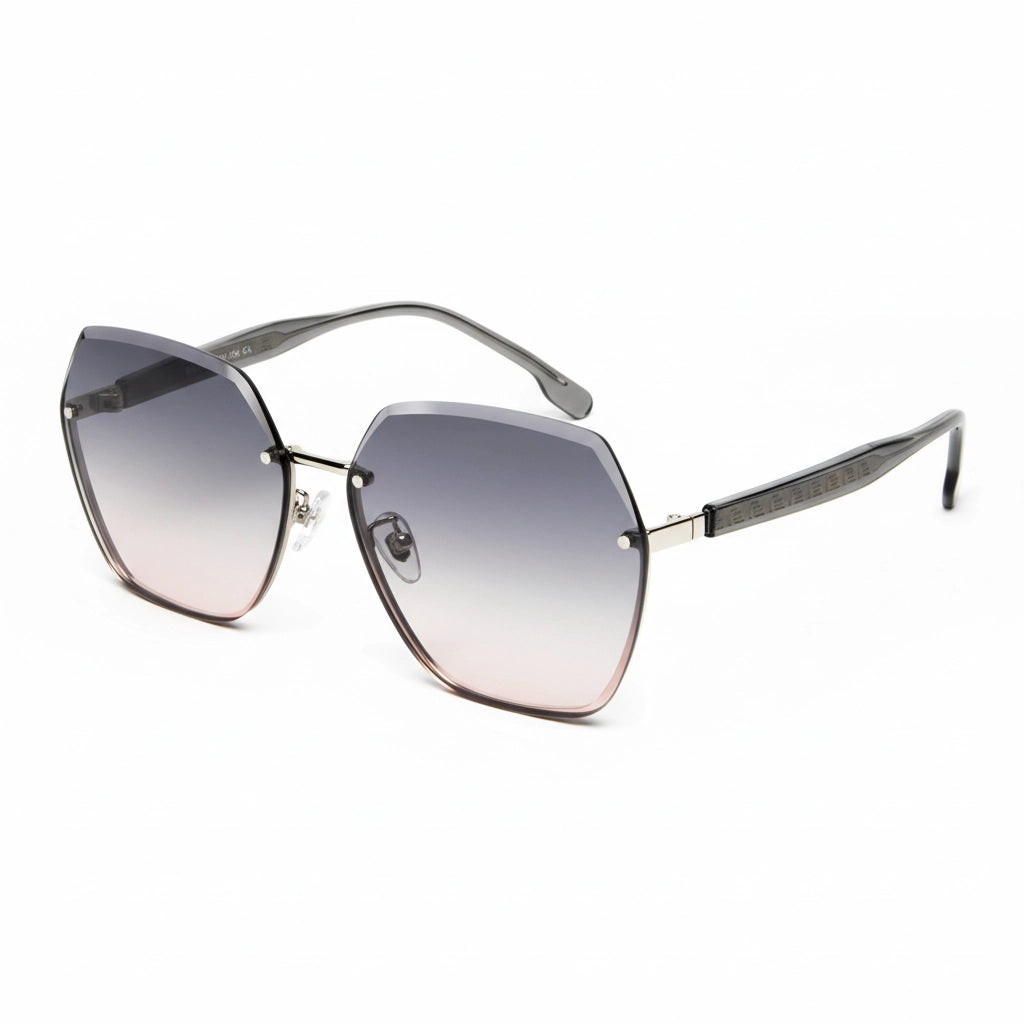
- Моделі: Серія Vanguard без обідків.
- Найкраще для: Водіння, вітряні дні, пляж (захист від бокових відблисків) та максимальне покриття.
Висновок: Геометрія визначає функцію
Стиль суб’єктивний, але геометрія об’єктивна.
Якщо ви боретеся з відблисками від бокового вікна вашого автомобіля, жоден "стиль" вам не допоможе — вам потрібна лінза Base 8 Wrap.
Якщо ви хочете гострий, сучасний вигляд для вечірки на даху, лінза Base 2 Flat є архітектурним вибором.
Перевірте кривизну перед оформленням замовлення.
Джерела & Посилання
- 20/20 Magazine: Пояснення базової кривизни та дизайну лінзи — Технічний розбір оптичної кривизни.
- SportRx: Що таке Децентрована Лінза? — Пояснення корекції призмою у вигнутих оправках.
- All About Vision: Антиблікові покриття — Чому для плоских лінз потрібні AR-покриття.
- Britannica: Закони відбиття — Фізика, що стоїть за відблиском ззаду.