

Коли ви готуєтеся до довгої поїздки, ви перевіряєте тиск у шинах, масло та гальма. Але як щодо вашого зору?
Більшість людей обирають сонцезахисні окуляри для водіння, орієнтуючись на те, як вони виглядають у дзеркалі заднього виду. Однак за кермом ваші окуляри — це не просто модний аксесуар — це засоби безпеки. У реальних умовах водіння неправильна пара окулярів може збільшити ваш час реакції, спотворити дорожні сигнали або навіть затемнити вашу цифрову панель приладів.
У BAPORSSA, ми віримо, що Архітектура зору є критично важливим для продуктивності. Ось керівництво від оптиків щодо вибору кращі сонцезахисні окуляри для водіння.
Проміжок безпеки: час реакції проти візуальної інформації
Згідно з дослідженнями дорожнього дизайну та безпеки руху, водіям зазвичай потрібно в середньому 1,5–2,5 секунди від моменту виявлення небезпеки до натискання на гальма. Миттєва затримка у виявленні стоп-сигналу або пішохода може стати різницею між безпечною зупинкою та зіткненням.
«Сліпа зона», створена товстими оправами

Модні «завеликі» ацетатні оправи часто мають широкі дужки. Хоча вони виглядають чудово, вони створюють фізичну перешкоду у вашому Периферійний зір. Коли ви дивитесь через плече, щоб змінити смугу, товста оправа може приховати мотоцикл або маленьку машину у вашій сліпій зоні.
Чому тонкі титанові дужки рятують життя
Ось чому ми надаємо пріоритет ультратонким матеріалам. Наші Серія Spectra X та Vanguard без оправи дизайн використовує титановий сплав медичного класу. Ці дужки настільки тонкі, що практично зникають з вашого поля зору, забезпечуючи необмежений 180-градусний огляд дороги.
Проблема «Світлофора» (Стандарти ISO 12312-1)
Не всі кольори безпечні на дорозі. Міжнародний стандарт ISO 12312-1 вимагає, щоб лінзи для водіння не спотворювали «розпізнавання сигналів».

Колірні спотворення: чому сині та рожеві лінзи є ризикованими
Якщо лінза занадто сильно забарвлена в синій або рожевий, вона може «змити» червоний колір світлофора або знака стоп. В оптичній науці це вимірюється за допомогою Q-фактор (відносне візуальне ослаблення сигналів руху).
Безпечна палітра: сірий проти мідного

- Сірий (Нейтральний): «Правдолюб». Зменшує яскравість, не змінюючи кольорів. Відмінно підходить для яскравих літніх днів.
- Мідний/Коричневий (Контраст): Вибір «Високої чіткості». Ці лінзи блокують синє світло, роблячи червоні стоп-сигнали та зелені світлофори «яскравими» на фоні. Як зазначено в нашому Керівництво по кольорах лінз, мідь часто є кращим вибором для професійних водіїв.
Парадокс поляризації: асфальт проти панелі приладів
Поляризовані сонцезахисні окуляри для водіння широко рекомендуються, але мають сучасний нюанс.

Перевага: Усунення «Дорожньої міражі»
Коли сонячне світло потрапляє на рівну дорогу, воно створює горизонтальне відблискування — той ефект «мерехтливої води» на асфальті. Поляризовані лінзи діють як хімічні венеціанські жалюзі, блокуючи цей відблиск і дозволяючи бачити крізь відображення на лобових склах інших автомобілів.
Недолік: «Відключення LCD»
Сучасні автомобілі (Tesla, BMW, Mercedes) використовують Рідкокристалічні дисплеї (LCD) для їх GPS та панелей приладів. Оскільки ці екрани також використовують поляризаційні фільтри, носіння поляризованих окулярів може зробити екран повністю чорним або показувати «візерунки веселки» (інтерференційні кольори).
Сумісність з HUD: Якщо у вашому автомобілі є Головний дисплей (HUD) яка проєктує вашу швидкість на лобове скло, поляризовані лінзи, ймовірно, зроблять її невидимою. У цьому випадку високоякісна неполяризована Категорія 3 лінза є безпечнішим вибором.

Пропускання світла: ризик «тунельної сліпоти»
У нашому дослідженні Категорії лінз, ми підкреслюємо небезпеку лінз категорії 4.

Чому лінзи категорії 4 заборонені для водіння
Лінзи категорії 4 (пропускають менше 8% світла) призначені для льодовиків і високогірних походів. Вони незаконні для водіння в США, Великобританії та ЄС. Якщо ви їдете в тунель або раптову тінь у них, ваші очі не встигають адаптуватися, залишаючи вас «сліпими» на кілька критичних секунд.
Перевага градієнта
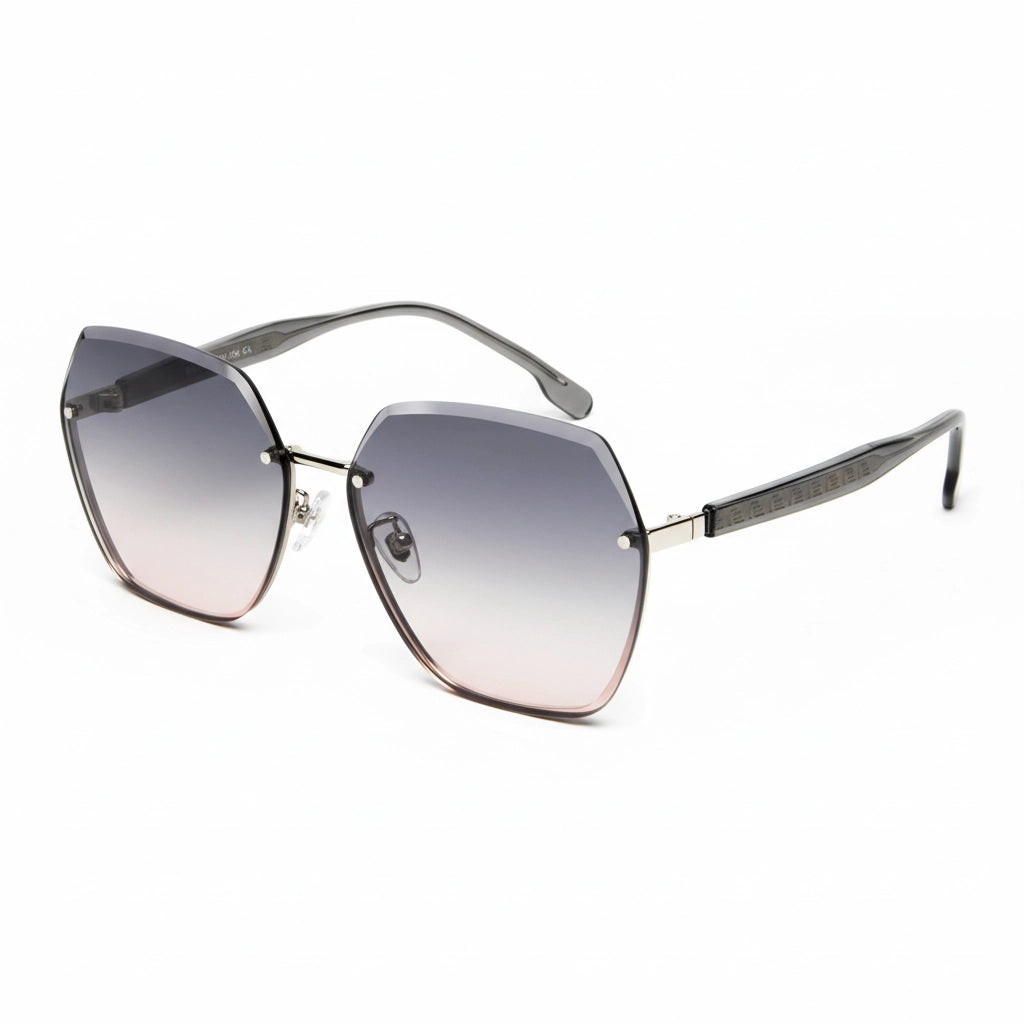
Градієнтні сонцезахисні окуляри є секретною зброєю частого водія. Вони темні зверху (щоб блокувати сонце) і світліші знизу (щоб ви могли чітко бачити свій спідометр і панель приладів).
"Міф «Сутінки та Світанок»: Чи допомагають жовті окуляри?"
Ви могли бачити «Нічні окуляри для водіння» з жовтими лінзами, які продаються онлайн. Фонд AAA з безпеки дорожнього руху та більшість оптиків застерігають від них.

Наука сутінків
Жовті лінзи роблять світ яскравішим, підвищуючи контраст, але роблять це шляхом фільтруючи світлом. Вночі або на заході сонця вашим очам потрібен кожен доступний фотон. Носіння будь-якого затемнення вночі знижує вашу здатність бачити об’єкти з низьким контрастом, як-от пішоходів у темному одязі.
-
Правило: Прозорі лінзи з Антиблікове (AR) покриття є єдиним безпечним варіантом для нічного водіння.
Рекомендації з водіння BAPORSSA
На основі стандартів безпеки та реального використання, ось наші найкращі вибори:
- Найкращий універсальний варіант: Ванґард Бронзовий BA20Висококонтрастне мідне затемнення, без оправи для 180° периферійного зору та легкий титан для комфорту протягом усього дня.
- Найкраще для сучасних автомобілів (HUD): Класичні градієнтні авіаториДозволяє бачити панель приладів, блокуючи сонце зверху.
- Найкраще для яскравого засліплення: Поляризовані Midnight BlackМаксимальне зменшення засліплення для довгих літніх поїздок по шосе.
Висновок: Окуляри — це засіб безпеки
Коли ви обираєте окуляри для безпеки під час водіння, ви інвестуєте у свій час реакції та довгострокове здоров’я очей. Не погоджуйтеся на модну оправу, яка заважає огляду, або дешеві лінзи, що спотворюють світ.
Оновіть свою кабіну. Досліджуйте Колекція бестселерів BAPORSSA і бачити дорогу так, як вона має бути побачена.
Цей посібник пояснює оптичні характеристики та стандарти безпеки, але він не замінює комплексний огляд очей. Якщо у вас проблеми з відблисками або нічним водінням, лікар-офтальмолог повинен перевірити наявність основних захворювань очей.
Джерела & Посилання
- Стандарт ISO: ISO 14889: Офтальмічна оптика — Основні вимоги до необроблених готових лінз — Стандарт розпізнавання світлофорів.
- Фонд AAA: Поширені міфи про зір — Довідка про міф жовтих лінз для нічного водіння.
- NHTSA: Візуальні вимоги для завдання водіння — Довідка щодо безпеки периферійного зору.
- Все про зір: Найкращі лінзи для водіння — Загальні рекомендації для оптиків.