


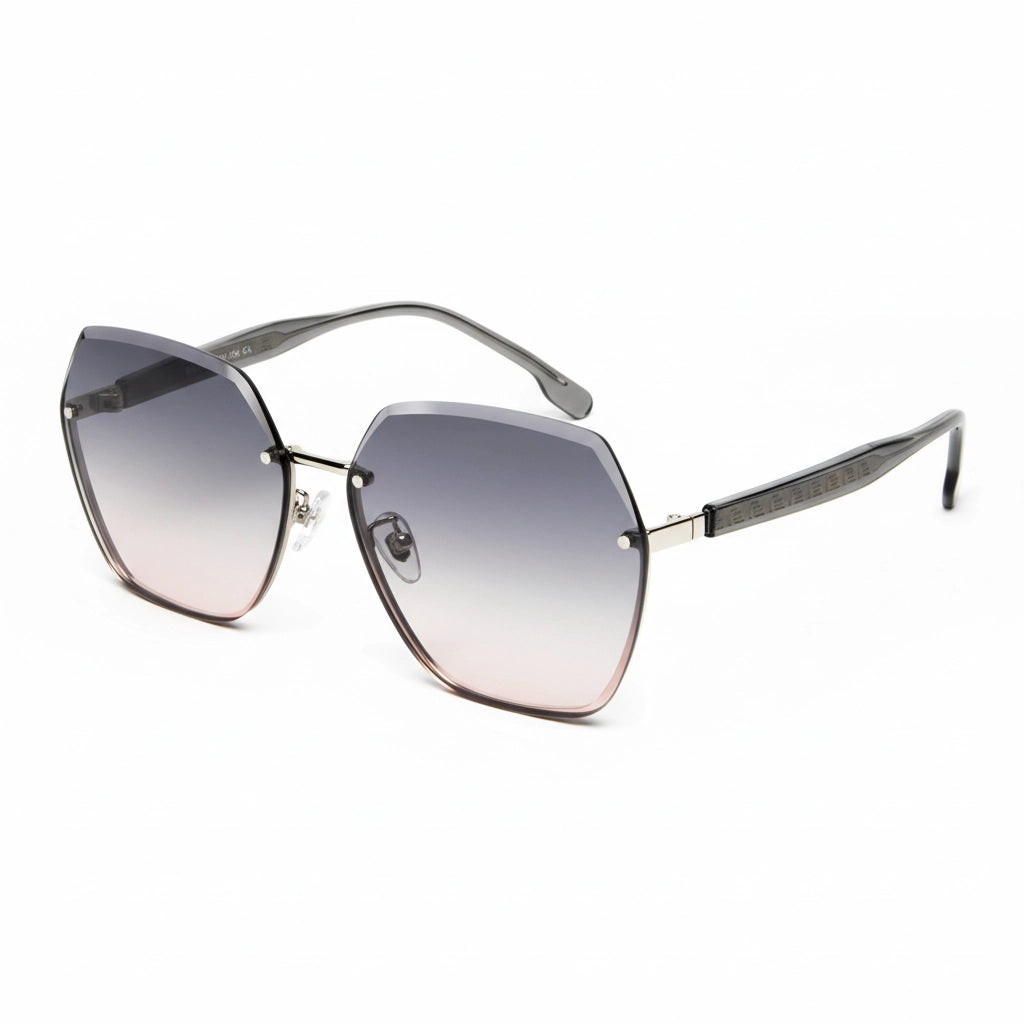
Це поширене питання: якщо хтось не бачить, навіщо він носить темні окуляри в приміщенні або в похмурі дні? Відповідь складна, глибоко вкорінена в медичній необхідності, візуальному комфорті та особистій безпеці.
Для BAPORSSA захист очей є найважливішим — для всіх користувачів. Ця стаття, підкріплена авторитетними медичними та професійними знаннями, розкриває п’ять ключових причин, чому темні лінзи є необхідним інструментом для спільноти людей з порушеннями зору.
1. Захист від ушкоджень UV та світлочутливості (фотофобії)

Це найважливіша причина. Багато станів, що викликають втрату зору (наприклад, катаракта, вікова макулярна дегенерація або аніридія), також спричиняють підвищену чутливість очей до світла — стан, який називається Фотобія.
Природні захисні механізми очей від світла часто порушені. Темні лінзи, особливо з 100% UV-захистом, є необхідним медичним засобом для фільтрації цього болючого світла, зменшення напруги та запобігання подальшому пошкодженню сітківки [Джерело: Американська академія офтальмології].
2. Захист ослаблених очей від фізичної шкоди
Для людей із сильно зниженим зором здатність передбачати та уникати фізичних небезпек зменшена.
-
Фізичний бар’єр: Сонцезахисні окуляри слугують фізичним щитом від літаючого пилу, випадкових уколів, низько звисаючих гілок або несподіваних предметів.
-
Медичний бар’єр: Вони захищають очі, які перенесли операцію або потребують медикаментозного лікування, утримуючи їх чистими та захищеними від повітряних подразників, які можуть спричинити інфекцію [Джерело: Національний інститут досліджень ока].
3. Зменшення дискомфорту від змін рівня освітлення
Багато людей з порушеннями зору мають залишковий зір— ділянки зору або здатність розрізняти світло і темряву. Однак їхні очі важко швидко пристосовуються до різких змін освітлення (наприклад, при переході з тіньового місця на пряме сонячне світло).
Високоякісні тоновані та поляризовані лінзи допомагають регулювати цей перехід, пропонуючи більш стабільне та комфортне візуальне середовище, роблячи навігацію безпечнішою та менш стресовою протягом дня.

4. Спілкування та соціальний комфорт
Хоча це не медична причина, соціальний аспект є значущим і часто ігнорується.
-
Невербальний сигнал: Темні лінзи сигналізують іншим, що людина має порушення зору, спрощуючи соціальні взаємодії та полегшуючи надання допомоги (форма ввічливого спілкування).
-
Приватність: Вони забезпечують приватність, приховуючи очі, які можуть проявляти мимовільні рухи (наприклад, ністагм або косоокість), що іноді може викликати у носія невпевненість [Джерело: Фонд досліджень зору].

5. Управління залишковими відблисками та контрастом
Навіть якщо людина є юридично сліпою, вона може все ще сприймати світло. Відблиски можуть знищити залишковий контраст, необхідний для орієнтації.
BAPORSSA Поляризовані лінзи тут є критично важливими. Вони усувають різке, розсіяне світло, допомагаючи залишковому функціональному полю зору краще використовувати доступний контраст, що може означати різницю між баченням бордюру або зміною покриття підлоги і їх непомічанням.
Рішення BAPORSSA: комфорт і захист для всіх
Наша мета — найкращий захист очей. Ми рекомендуємо оправи з наших колекцій, які відповідають найвищим стандартам чутливості до світла:
-
Для максимального захисту: Наші Колекція з UV-захистом пропонує 100% захист UV400 у всіх відтінках.
-
Для максимального контролю відблисків: Виберіть будь-яку оправу з нашої Поляризована колекція для зменшення напруги очей і покращення контрасту.
- [Source 1] Американська академія офтальмології (AAO): Рекомендації щодо фотобоязні та захисних окулярів.
-
[Source 2] Дослідження Національного інституту очей (NEI): Вивчення профілактики травм очей при порушеному зорі.
-
[Source 3] Фонд досліджень зору/Всесвітня організація охорони здоров’я (ВООЗ): Соціальні та психологічні аспекти порушень зору.