


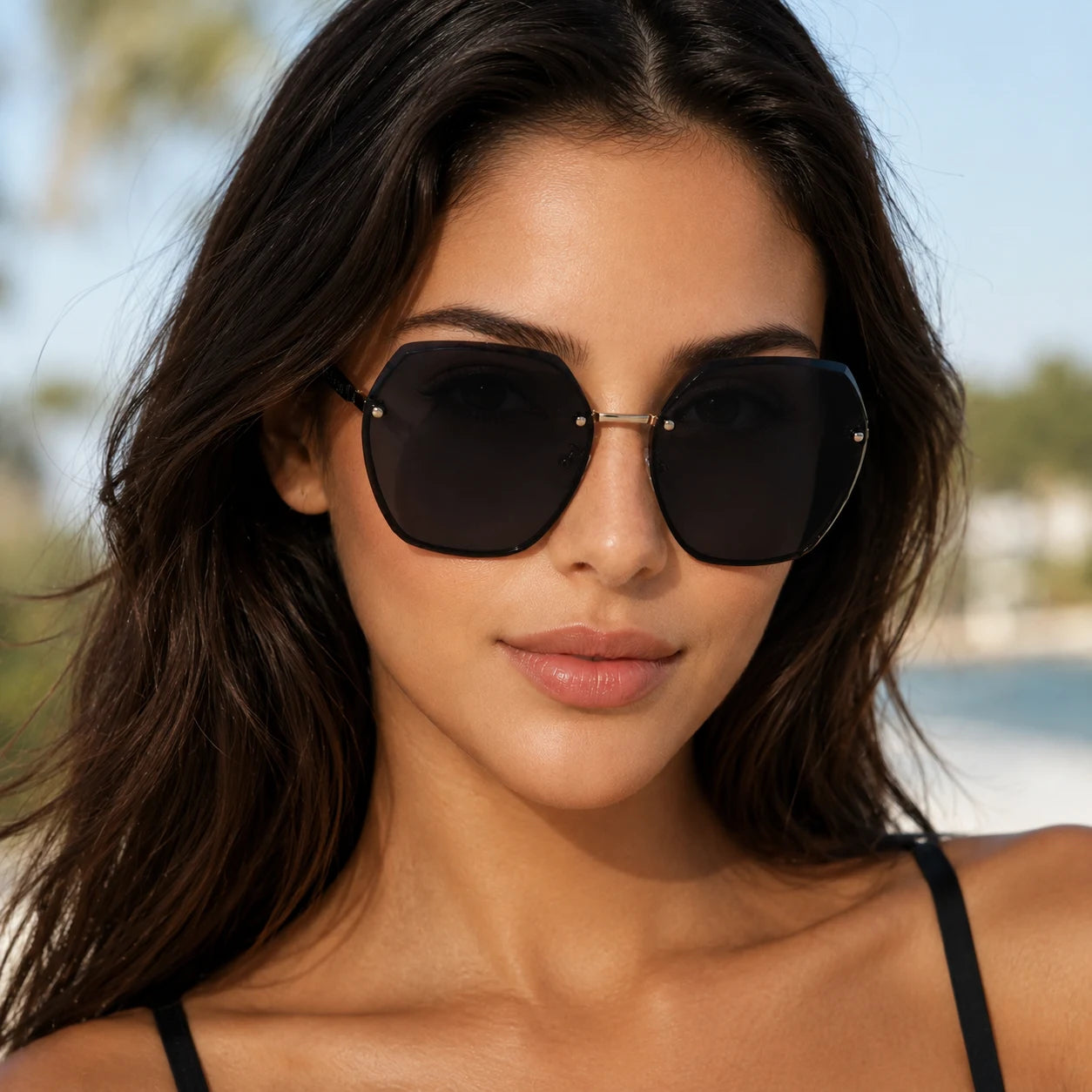
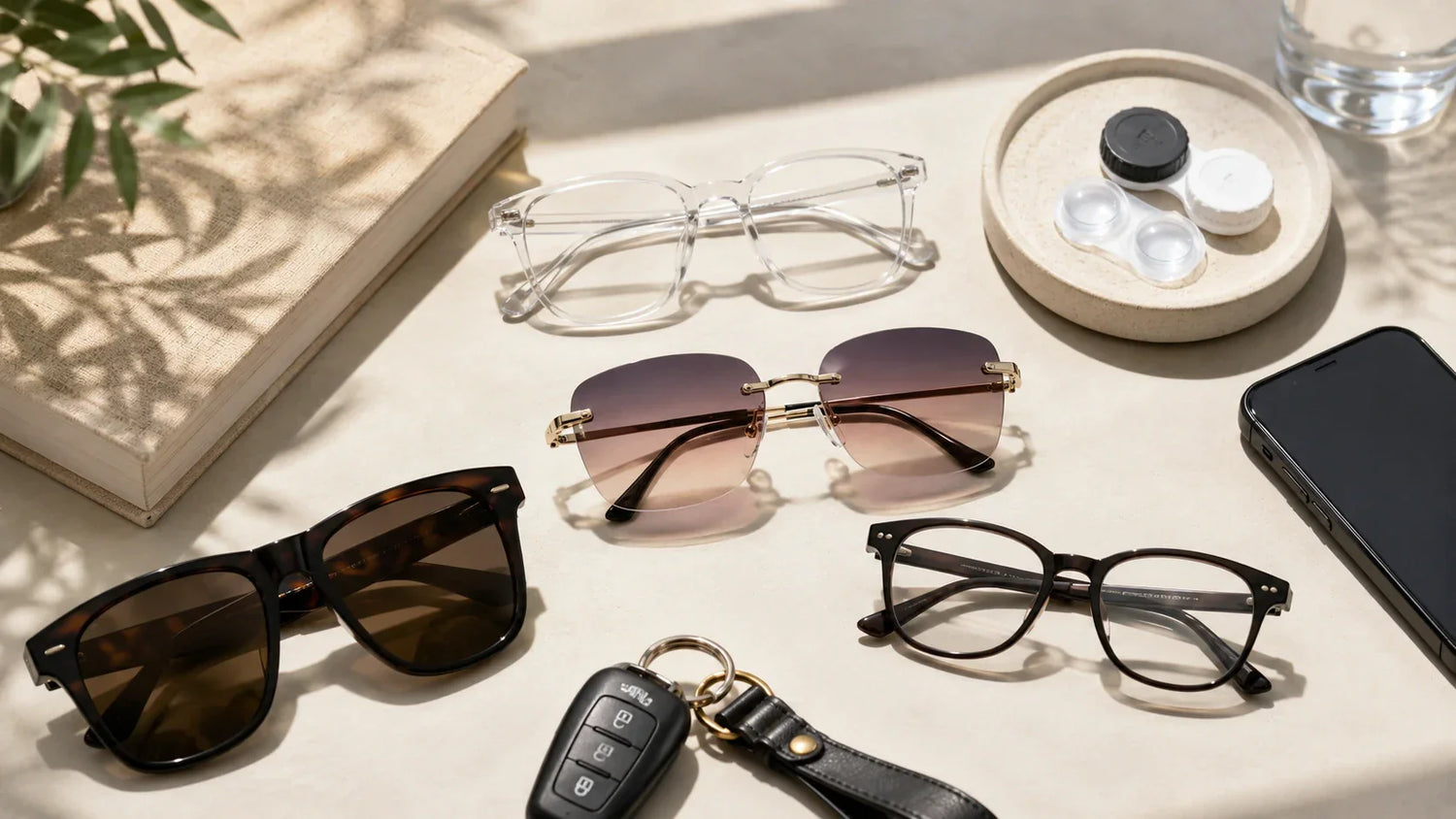
Raskt svar: hvis du allerede bruker briller med styrke, lesebriller, bifokale eller progressive linser, er det ikke så enkelt å velge solbriller som å kjøpe et vanlig par. Du kan trenge fit-over solbriller, solbriller med styrke, lesebrille-solbriller, bifokale solbriller, clip-on solbriller eller lette solbriller uten styrke, avhengig av hvordan du bruker øynene dine utendørs.
BAPORSSA fokuserer på solbriller uten styrke med UV400 og polariserte glass. Denne guiden hjelper deg å avgjøre om denne løsningen passer dine daglige behov for briller – eller om styrke-, lesebrille-, bifokale-, fit-over- eller clip-on-alternativer gir mer mening først.
BAPORSSA-ruten: hvis du bruker kontaktlinser, ikke trenger korreksjon utendørs, eller ønsker et lettere, moteriktig par for blending og daglig sol, start med Backbone, Glow, eller Luma.
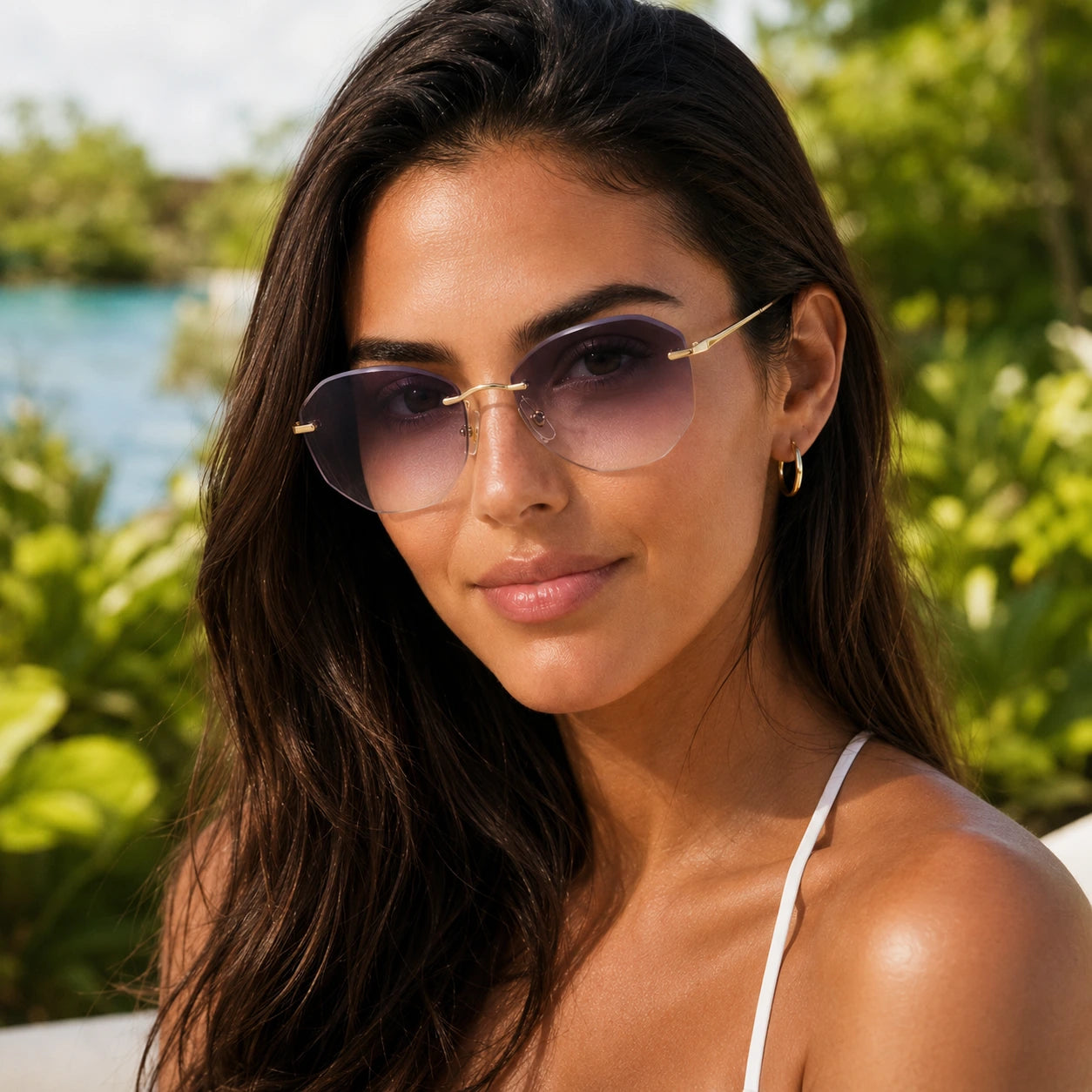
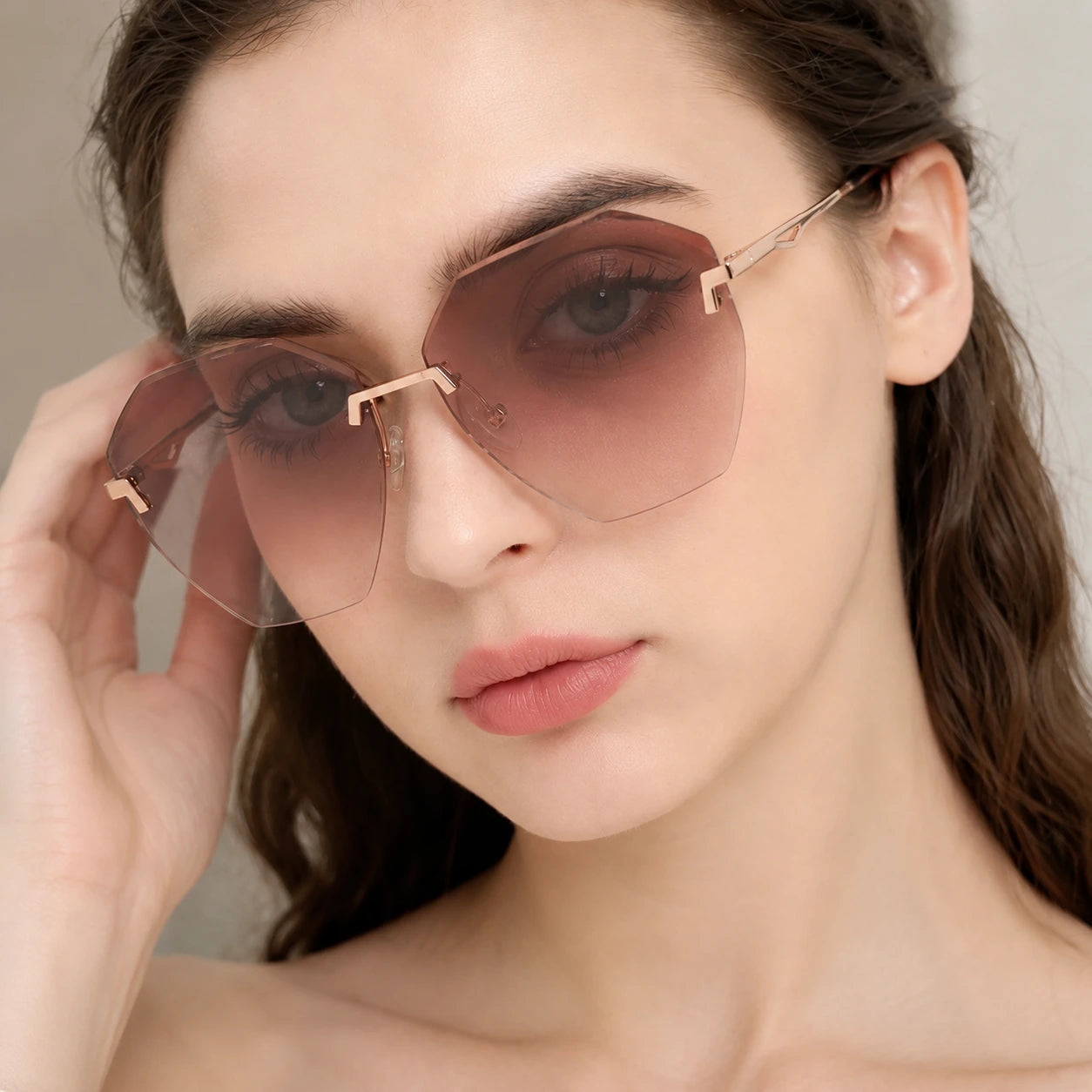

Raskt svar: Hvilke solbriller fungerer hvis du allerede bruker briller?
Det beste valget avhenger av om du trenger avstandskorreksjon, lesestyrke, både avstand og lesestøtte, eller enkel solbeskyttelse over dine eksisterende briller.
| Alternativ | Best for | Fordeler | Ulemper |
|---|---|---|---|
| Fit-over solbriller | Å bruke solbriller over briller med styrke | Ingen grunn til å bytte ut dine daglige briller | Kan se klumpete ut og legge ekstra vekt på nesen |
| Solbriller med styrke | Synskorreksjon utendørs | Klart avstandssyn og solbeskyttelse i ett par | Krever reseptbestilling og optiker |
| Lesebrille-solbriller | Lesing utendørs | Nyttige for bøker, menyer, telefoner og nærarbeid | Ikke full avstandskorreksjon |
| Bifokale solbriller | Avstandssyn pluss lesesone | Mer fleksible for utendørslese | Ikke riktig for alle styrker eller alle aktiviteter |
| Clip-on solbriller | Legge fargetone til eksisterende briller | Rimelige, enkle og lette å ta av | Kan se mindre polert ut eller føles ustabile |
| Solbriller uten styrke | Kontaktlinsebrukere eller personer som ikke trenger korreksjon utendørs | Reneste utseende, letteste følelse, enkleste stilvalg | Ikke for personer som trenger synskorreksjon utendørs |
Fit-over solbriller: Best for å bruke over briller med styrke
Fit-over solbriller er designet for å sitte over dine vanlige briller med styrke. De søkes også som solbriller over briller, solbriller som passer over briller, solbriller til å passe over briller, og fit-over solbriller for briller med styrke.

De gir mest mening hvis du må beholde dine vanlige briller på utendørs og ikke ønsker å bestille et eget par reseptsolbriller. Mange eldre velger overbriller fordi de er praktiske, enkle å ta på, og kan gi mer sideskjerming enn et standardpar.
| Sjekk | Hvorfor det er viktig |
|---|---|
| Innfatningsbredde | Overbrillen må dekke dine reseptbriller helt. |
| Linsehøyde | Det må være nok vertikal plass slik at dine daglige briller ikke stikker ut. |
| Plass til stenger | Stengene må sitte komfortabelt over eller rundt dine eksisterende briller. |
| Vekt | To innfatninger kan gi press på nese og ører. |
| Sideskjerming | Hjelpsomt mot blending, men kan gjøre innfatningen mer sportslig i utseendet. |
Hovedulempen er estetisk. Overbriller kan se større, tyngre eller mer medisinske ut enn vanlige solbriller. Hvis du ønsker et rent ansiktsutseende, er de kanskje ikke ditt favorittvalg.
Reseptsolbriller: Best for synskorreksjon utendørs
Reseptsolbriller er best hvis du trenger klart avstandssyn utendørs. De kan lages med enkeltsyn, progressive eller andre reseptbehov gjennom en optiker. For kjøring, gåturer, reise eller utendørsaktiviteter kan reseptsolbriller føles mer elegante enn å sette en ekstra solbrille over dine daglige briller.
Dette alternativet er spesielt viktig hvis du ikke kan se klart uten korreksjon. Solbriller uten resept erstatter ikke reseptsolbriller, og BAPORSSA tilbyr ikke reseptlinser.
| Reseptsolbriller er best hvis | Hvorfor |
|---|---|
| Du trenger avstandskorreksjon utendørs | Du trenger klart syn pluss solbeskyttelse. |
| Du kjører ofte bil | Avstandsklarhet, blendingkontroll og valg av fargetone er alle viktige. |
| Du bruker progressive briller | Dine utendørs linser kan trenge de samme synssonene som dine daglige briller. |
| Du misliker klumpete overbriller | Reseptsolbriller kan se mer ut som vanlige solbriller. |
Hvis du trenger reseptstøtte, velg riktig optisk løsning først. Deretter kan du sammenligne innfatningsstil, linsefarge, polarisering og UV-beskyttelse.
Lesebriller med solbrillefunksjon og bifokale solbriller: Best for lesing utendørs
Solbriller med lesebriller, lesebriller med solbrillefunksjon og bifokale solbriller er designet for personer som ønsker hjelp til å lese utendørs. Dette er vanlige søk for folk som leser menyer, bøker, telefoner, kart eller etiketter i sterkt dagslys.

Lesebriller med solbrillefunksjon inkluderer vanligvis et forstørrelsesområde for lesing eller full styrke for lesing i hele linsen. Bifokale solbriller kan ha en lesesone nederst på linsen, mens den øvre delen er for avstandssyn. Noen er polariserte, andre ikke.
| Alternativ | Best for | Viktig merknad |
|---|---|---|
| Solbriller med full linse for lesing | Lesing utendørs over lengre tid | Ikke ideelt for gåing eller avstandssyn. |
| Solbriller med lesestyrke nederst | Telefon-, meny- eller etikettlesing | Lesesonen må samsvare med ditt faktiske bruk. |
| Bifokale solbriller | Avstand pluss nærarbeid | Hjelpsomt, men ikke det samme som en personlig styrke. |
| Polariserte solbriller med lesestyrke | Vann-, vei- eller fortausrefleksjon pluss nærarbeid | Sjekk skjermsynlighet før du stoler på dem. |
BAPORSSA solbriller inkluderer ikke leseforsterkning eller bifokale soner. Hvis du trenger lesestyrke innebygd i linsen, er lesebriller eller bifokale solbriller en mer presis løsning.
Solbriller med klemme: Enkle, men ikke alltid stilige
Solbriller med klemme festes på dine eksisterende briller. De er enkle, rimelige og lette å ta av når du går inn. For noen er klemmer den enkleste måten å legge til farge på uten å kjøpe et eget par solbriller med styrke.

Avveiningen er stil og stabilitet. Klemmer kan reflektere lys, sitte skjevt, føles mindre polerte eller se mindre integrerte ut enn et dedikert solbrillestel. Magnetiske klemmer kan se renere ut, men de må vanligvis passe til et spesifikt stel-system.
| Klemmer er nyttige når | Klemmer kan skuffe når |
|---|---|
| Du ønsker et rimelig fargetilbud | Du ønsker et renere motebilde |
| Du vil beholde dine nåværende briller | Klemmen passer ikke til brillestellets form |
| Du går ofte inn og ut | Klemmen føles ustabil eller reflekterende |
Kontaktlinser + solbriller uten styrke: Det reneste uttrykket
Hvis du misliker det klumpete utseendet til solbriller som festes utenpå, er et rent alternativ å bruke dine daglige kontaktlinser med lette solbriller uten styrke. Dette gir deg synskorreksjon fra linsene, mens solbrillene kan fokusere på UV400-beskyttelse, gjenskinnskontroll, linsefarge og et renere ansiktsuttrykk.

Denne løsningen fungerer spesielt godt for de som ønsker den letteste og mest naturlige solbrillestilen. I stedet for å bygge inn forstørrelse eller styrkekorreksjon i solbrillene, håndterer kontaktlinsene synskorreksjonen, mens solbrillene tar seg av sol, gjenskinn og stil.
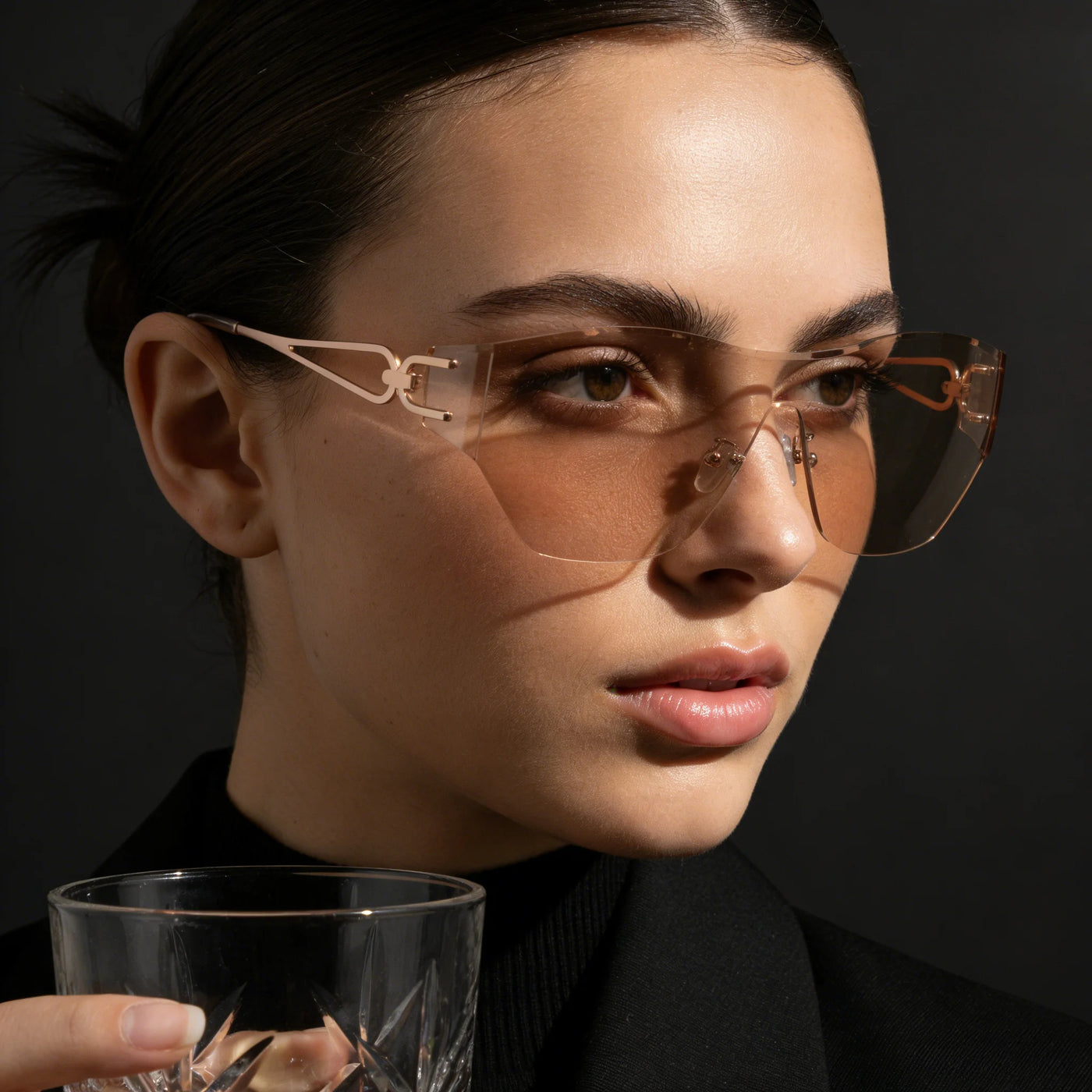
For denne løsningen gir BAPORSSA rimless og gradient solbriller mest mening fordi de er lettere, renere og mindre klumpete enn solbriller som festes utenpå vanlige briller.
Solbriller uten styrke: Når de fortsatt gir mening
Solbriller uten styrke gir fortsatt mening hvis du ikke trenger synskorreksjon utendørs, bruker kontaktlinser, bare trenger solbeskyttelse, eller ønsker lettere solbriller til kjøring, reise, gåturer og daglige ærender.
BAPORSSA fokuserer på denne løsningen: ikke-reseptbelagte UV400 og polariserte solbriller designet for lettere komfort, blendingkontroll og et renere ansiktsutseende. Hvis du ikke trenger resept eller lesestøtte, kan dette være enklere, lettere og mer moteriktig enn over-briller eller clip-ons.
| Ikke-reseptbelagte solbriller gir mening hvis | Hvorfor BAPORSSA passer |
|---|---|
| Du bruker kontaktlinser utendørs | Dine kontaktlinser håndterer synskorreksjon; solbrillene håndterer sol og blending. |
| Du trenger ikke korreksjon utendørs | Du kan prioritere UV400, polarisering, linsefarge og komfort. |
| Du misliker bulk fra over-briller | Kantløse og gradient-innfatninger føles renere i ansiktet. |
| Du ønsker lett og behagelig daglig bruk | Mindre innfatningsvekt kan redusere trykk og visuell tyngde. |
| Du ønsker et mer stilig alternativ | Ikke-reseptbelagte solbriller gir flere moteriktige innfatningsvalg. |
For ikke-reseptbelagte kantløse stiler, se Rimless Gradients. For sterkere blending og reisebruk, se Driving & Travel solbriller.
Hva seniorer og kvinner over 50 bør sjekke før valg
For eldre, seniorer og kvinner over 50 avhenger riktig valg av mer enn bare linsetetthet. Komfort, trykk, lese-behov, kjøring og utseende spiller alle en rolle.
| Spørsmål | Sannsynlig retning |
|---|---|
| Trenger du avstandskorreksjon utendørs? | Reseptbelagte solbriller eller over-briller |
| Trenger du lesekraft utendørs? | Lesebriller eller bifokale solbriller |
| Bruker du progressive linser? | Spør optikeren din om reseptbelagte solbriller |
| Kjører du ofte bil? | Sjekk blending, synlighet av dashbord og linsetetthet |
| Setter tunge innfatninger merker på nesen? | Vurder lettere innfatninger, bedre nesepads eller ikke-reseptbelagte alternativer hvis synet tillater det |
| Er du opptatt av et renere ansiktsutseende? | Ikke-reseptbelagte, kantløse eller gradient-solbriller kan se mindre klumpete ut |
For mer aldersspesifikk rådgivning, les vår guide for solbriller til eldre og aldrende øyne. For en stilfokusert tilnærming, les guiden for de beste solbrillene for kvinner over 50.
Hva med solbriller etter grå stær-operasjon?
Viktig: denne delen er ikke medisinsk rådgivning. Hvis du nylig har hatt grå stær-operasjon, laserøyeoperasjon eller annen øyeprosedyre, følg først instruksjonene fra kirurgen eller øyehelsepersonellet ditt.
Etter grå stær-operasjon opplever noen at behovene for utendørs briller endres. Hvis du ikke lenger trenger synskorreksjon utendørs, kan lette, ikke-reseptbelagte UV400-solbriller bli et alternativ. Hvis du fortsatt trenger korreksjon, kan reseptbelagte solbriller, over-briller eller clip-ons være mer hensiktsmessig.
Den sikreste generelle handlelisten er enkel: følg legens råd, se etter UV-beskyttelse, sjekk komfort, og velg nok dekning for sterkt utendørslys.
Hvor BAPORSSA passer inn

BAPORSSA er best hvis du ønsker solbriller uten resept med UV400 og polarisering, med et lettere og renere ansiktsutseende. Det er ikke en riktig erstatning for solbriller med resept, lesebriller, bifokale solbriller eller fit-over solbriller når du virkelig trenger de optiske funksjonene.
| BAPORSSA-produkt | Best for | Hvorfor den passer i denne guiden |
|---|---|---|
| Backbone | Ren, lett rammefri daglig stil | Bra hvis du ønsker minst mulig bulk på ansiktet. |
| Glød | Myk gradient og skiftende lys | Bra hvis du ønsker mykere dagslys og lettere linseutseende. |
| Luma | Polarisert blending og justerbar komfort | Bra for blending, ærender og justerbare nesepads. |
| Skift | Kjøring og skiftende dagslys | Bra for bevegelse mellom sterkt og mykere utendørslys. |
| Flyt | Bred blendingdekning | Bra hvis du ønsker mer utendørs dekning uten tykk innfatning. |
| Vanguard | Reise og dekning på lyse dager | Bra når du ønsker sterkere dekning med en rammefri stil. |

Relaterte guider
| Hvis du bryr deg om | Les dette |
|---|---|
| Eldre og aldrende øyne | Beste solbriller for eldre og aldrende øyne |
| Stil for kvinner over 50 | Beste solbriller for kvinner over 50 |
| UV400 og polarisering | UV400 vs polariserte solbriller – guide |
| Blending ved kjøring | Beste solbriller for kjøring – guide |
| Rammefri komfort | Guide til rammefrie solbriller |
| Rammefrie gradientstiler | Rammefrie gradienter |
Ofte stilte spørsmål
Hva kalles solbriller som passer over briller?
De kalles vanligvis fit-over solbriller, over-glass solbriller eller solbriller som passer over briller. De er designet for å sitte over dine vanlige briller med resept.
Kan jeg bruke solbriller over briller med resept?
Ja, men vanlige solbriller passer vanligvis ikke godt over briller med resept. Fit-over solbriller er laget for dette formålet og bør sjekkes for bredde, høyde, vekt og komfort på sidene.
Er fit-over solbriller bedre enn solbriller med resept?
Fit-over solbriller er bedre hvis du vil fortsette å bruke dine vanlige briller utendørs. Solbriller med resept er bedre hvis du ønsker ett renere par med synskorreksjon og solbeskyttelse samlet i ett.
Hva er forskjellen mellom fit-over og clip-on solbriller?
Fit-over solbriller er en full solbrilleinnfatning som bæres over vanlige briller. Clip-on solbriller festes med en tonet linse foran på dine eksisterende briller. Fit-over gir vanligvis mer dekning, mens clip-ons er mindre og enklere å ta av.
Er solbriller med lesebriller det samme som solbriller med resept?
Nei. Solbriller med lesebriller gir vanligvis forstørrelse for lesing, ofte med fast styrke. Solbriller med resept lages etter din optiske resept og kan korrigere for avstand, lesing eller progressive synsbehov.
Hva er bifokale solbriller?
Bifokale solbriller har to synsområder, vanligvis et for avstand og et for lesing. De kan være nyttige utendørs hvis du trenger å se langt og samtidig lese nærting som telefoner, menyer eller etiketter.
Kan solbriller ha lesestyrke nederst?
Ja. Noen solbriller har leseforsterkning nederst på linsen. De er nyttige for nærlesing utendørs, men er ikke det samme som en full personlig styrke.
Er solbriller uten styrke nyttige hvis jeg bruker kontaktlinser?
Ja. Hvis kontaktlinsene dine gir synskorreksjon, kan solbriller uten styrke fokusere på UV400-beskyttelse, gjenskinnskontroll, linsefarge, komfort og stil.
Hva er de beste solbrillene for eldre som allerede bruker briller?
Hvis eldre allerede bruker briller, avhenger det beste valget av deres daglige behov. Solbriller som passer over vanlige briller fungerer over eksisterende briller, solbriller med styrke gir korreksjon utendørs, lesebriller hjelper med nærarbeid, og solbriller uten styrke passer best for kontaktlinsebrukere eller de som ikke trenger korreksjon utendørs.
Hva er de beste solbrillene for kvinner over 50 som bruker kontaktlinser?
Kvinner over 50 som bruker kontaktlinser, kan ofte velge lette solbriller uten styrke fordi kontaktlinsene allerede gir synskorreksjon. Innfatningsfrie, gradient, UV400 og polariserte solbriller kan gi et renere ansiktsuttrykk enn store solbriller som passer over vanlige briller.
Trenger jeg solbriller med styrke etter grå stær-operasjon?
Følg først rådene fra kirurgen eller øyehelsepersonellet ditt. Noen kan fortsatt trenge solbriller med styrke etter grå stær-operasjon, mens andre kan bruke solbriller uten styrke med UV400-beskyttelse hvis de ikke lenger trenger korreksjon utendørs.
Endelig anbefaling
Hvis du allerede bruker briller, start med å velge riktig type solbriller. Trenger du synskorreksjon utendørs? Se på solbriller med styrke eller solbriller som passer over vanlige briller. Trenger du lesestyrke utendørs? Sammenlign lesebriller eller bifokale solbriller. Vil du ha en rask løsning? Vurder clip-ons. Bruker du kontaktlinser eller trenger ikke korreksjon utendørs? Lettvektige solbriller uten styrke kan gi det reneste utseendet.
For BAPORSSA er det beste valget den siste ruten: Backbone for ren, lett og innfatningsfri stil, Glow for myk gradient i dagslys, eller Luma for polarisert gjenskinn og justerbar komfort.