









The Best Anti-Aging Cream is a Pair of Sunglasses: The Science of Skin Protection
You invest in retinol, Vitamin C serums, and expensive eye creams. You religiously apply SPF.
But if you walk out the door without sunglasses, you are skipping the most critical step in the anti-aging protocol.
Dermatologists refer to sunglasses as "Physical Botox." This isn't marketing hype; it is a reference to the biological mechanism of wrinkle formation.
While skincare treats the surface, eyewear protects the structure. This guide explores the dermatology and biomechanics behind why a UV400 lens is the most effective tool for preventing periorbital aging.
The Anatomy of Aging: Why Eyes Show Age First
The skin around your eyes is not like the skin on the rest of your face. It is structurally unique and biologically vulnerable.
The "0.5mm Reality"
The skin on your cheeks is roughly 2.0mm thick. The skin on your eyelids and under-eye area (the periorbital region) is roughly 0.5mm thick.
According to the American Academy of Dermatology, this is the thinnest skin on the human body. It lacks subcutaneous fat and has very few sebaceous (oil) glands. This means it has almost no natural moisture barrier and zero cushioning against environmental damage.
Collagen Breakdown (Photoaging)
UV rays come in two forms that reach the ground:
- UVB: Burns the surface.
-
UVA: Penetrates deep into the dermis.
UVA rays create enzymes (metalloproteinases) that break down Collagen and Elastin, the proteins responsible for skin firmness. Because periorbital skin is so thin, UVA damage manifests here years before it shows elsewhere, leading to "crepey" texture and sagging lids.
The "Sunscreen Gap"
A study published in PLOS ONE found that nearly 10% of skin cancers occur on the eyelids, yet this is the area most people skip when applying sunscreen due to sensitivity or stinging.
Sunglasses provide a physical, non-chemical barrier that covers this precise "gap."
The "Botox Alternative": Preventing Dynamic Wrinkles
Wrinkles fall into two categories: Static (caused by gravity/collagen loss) and Dynamic (caused by muscle movement). Sunglasses are the primary defense against the latter.
The Mechanics of Squinting
The muscle surrounding your eye is the Orbicularis Oculi.
When you step into bright light, your brain triggers a "Squint Reflex" to reduce the amount of light entering the pupil. This contracts the Orbicularis Oculi.
Repetitive Motion Injury
Think of a piece of paper. If you fold it once, you can smooth it out. If you fold it in the same spot 1,000 times, the crease becomes permanent.
Every time you squint in the sun, you are folding the delicate 0.5mm skin at the corners of your eyes. Over time, these temporary dynamic lines etch into permanent static wrinkles known as Crow's Feet.
By wearing sunglasses that effectively block glare, you remove the trigger for the squint reflex, keeping the muscle relaxed.
Size Matters: Why "Oversized" is a Medical Recommendation
In the context of skin protection, frame size is not a fashion choice; it is a coverage metric.
The Physics of Peripheral UV
Light does not just hit you from the front. It reflects off pavement, sand, water, and glass.
Research cited by the Skin Cancer Foundation indicates that standard, small-frame sunglasses can allow up to 45% of UV rays to reach the eye area through the top and sides.
The "Light Leak" Effect
If a frame sits too far from the face or is too small:
- Reflected UV bounces off your cheekbones and hits the under-eye skin.
- Overhead sunlight hits the eyelid directly.
The Ideal Geometry
For maximum anti-aging benefits, a frame should:
- Extend from the eyebrow bone down to the top of the cheekbone.
- Wrap slightly around the temples (to protect the Crow's Feet zone).
- Sit close enough to the face to minimize top-down light leakage.
Lens Quality: Reducing "Micro-Squinting"
Even if you wear sunglasses, you might still be wrinkling your eyes without knowing it.
The Problem with Low-Contrast Lenses
If your lenses are dark but have poor optical clarity (low Abbe value), your eyes strain to focus. This induces "Micro-Squinting"—a subtle, constant tension in the facial muscles that contributes to fatigue and fine lines.
The Role of Polarization
Glare (reflected light from roads or water) is the primary cause of intense squinting. Polarized lenses eliminate this specific type of high-intensity light, allowing the facial muscles to relax completely.
BAPORSSA "Anti-Aging" Picks
Based on the principles of coverage and optical clarity, here are the frames that offer the best dermatological defense:
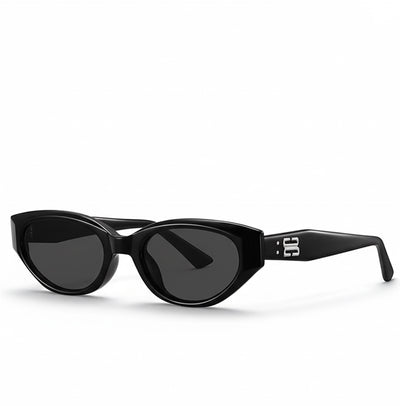
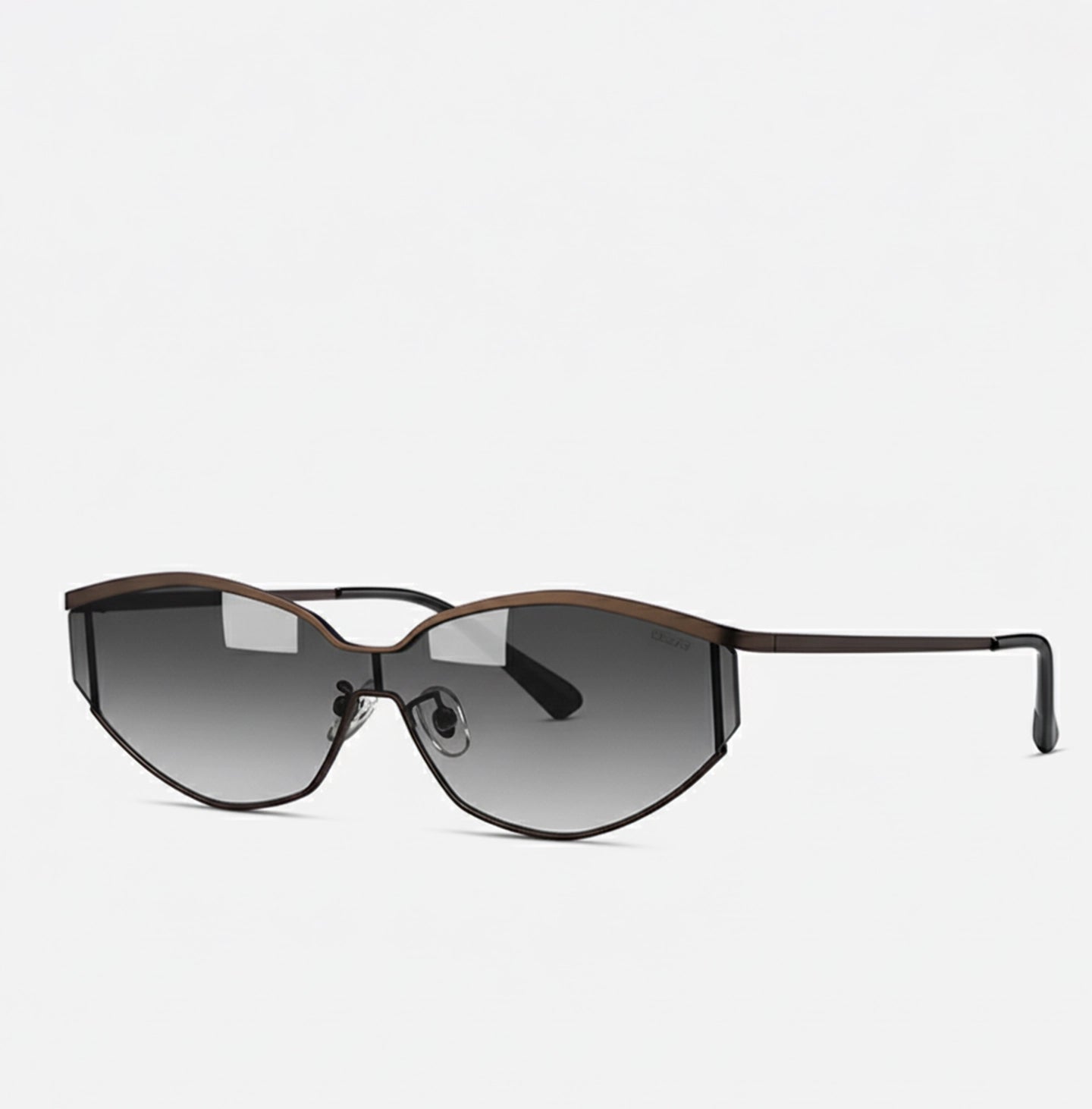
- Maximum Coverage: Vanguard Series. The wrap-around shield design eliminates peripheral light leaks, protecting the temples and cheekbones fully.
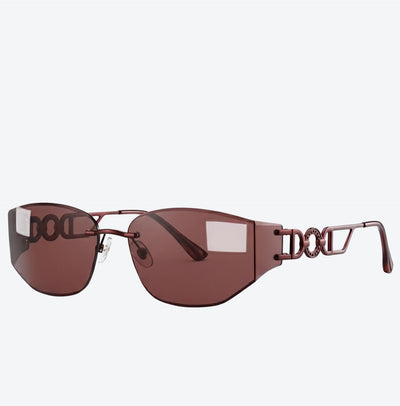
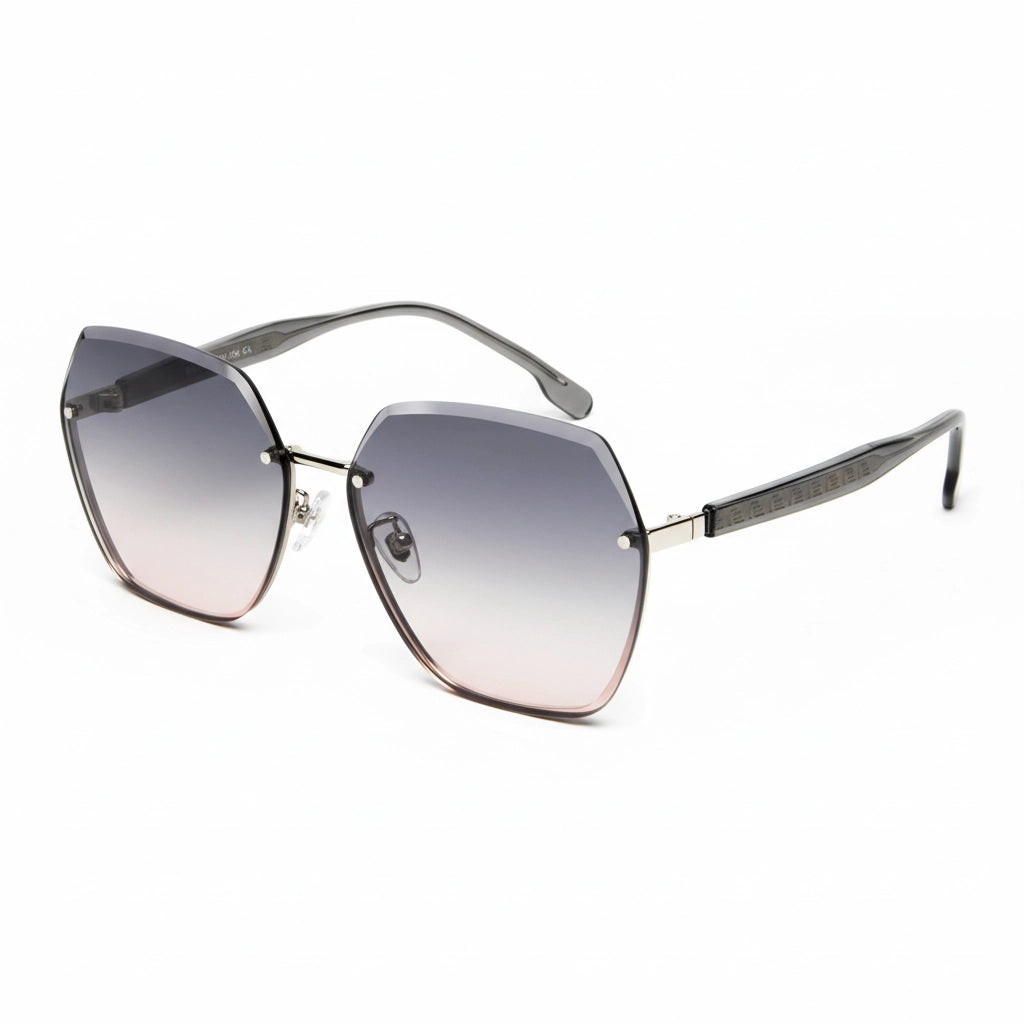
- Orbital Protection: Midnight Muse. The oversized geometric shape covers the entire periorbital area, acting as a physical shield for the delicate under-eye skin.
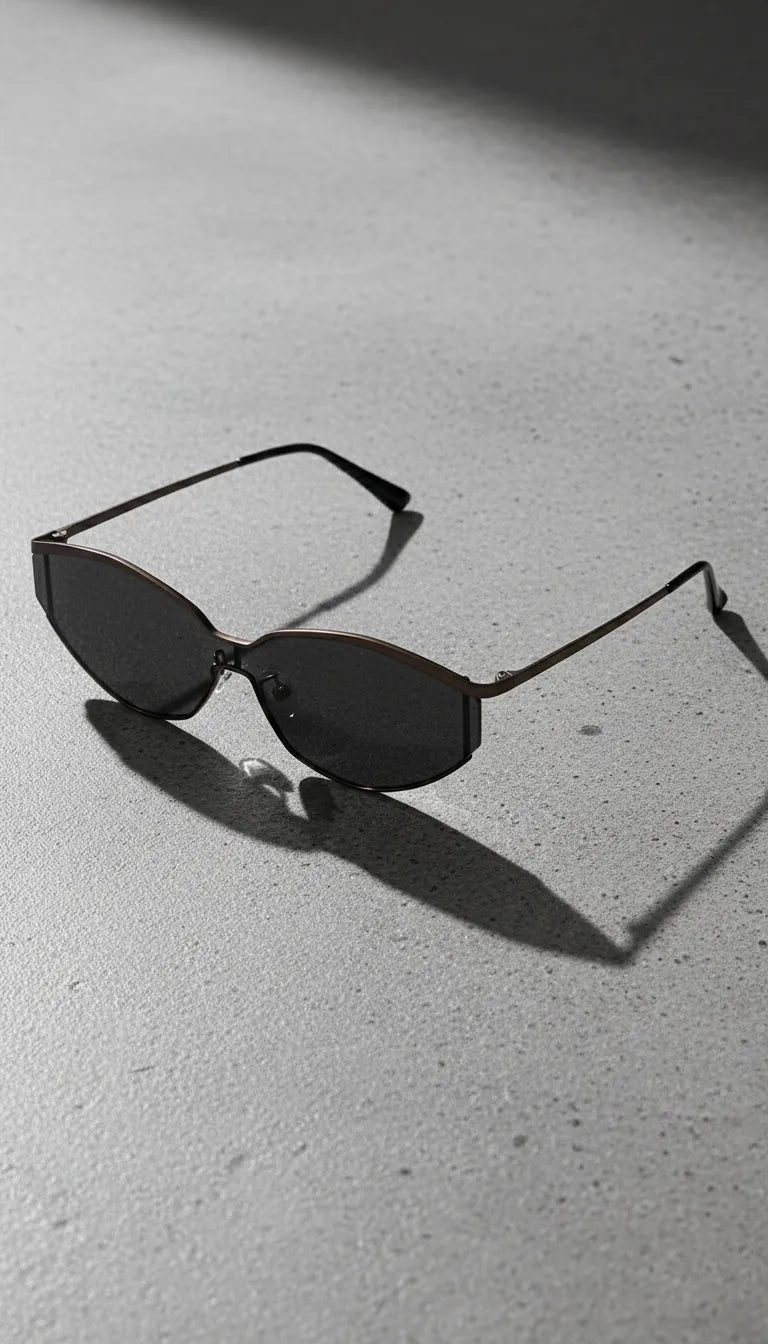
- Muscle Relaxation: Spectra X Series. High-definition Nylon lenses with polarization reduce visual noise, preventing micro-squinting.
Conclusion: Protection is the Ultimate Beauty Routine
Treating wrinkles after they appear is expensive and difficult. Preventing them is efficient.
A high-quality, oversized pair of sunglasses is the only anti-aging product that works instantly, requires no re-application, and lasts for years.
Don't just wear them for the view. Wear them for your skin.
Sources & References
To ensure the accuracy of this dermatological advice, we referenced the following medical and scientific standards:
- Skin Cancer Foundation: Sunglasses: More Than a Fashion Statement — Reference for UV damage to eyelids and peripheral light leaks.
- PLOS ONE Journal: Application of SPF Moisturizers to the Eyelid Region — Study highlighting the "Sunscreen Gap" near eyes.
- American Academy of Dermatology: Sun Protection Basics — Data on skin thickness and aging.
- Journal of Cosmetic Dermatology: The impact of HEV Light on Skin — Research on blue light and hyperpigmentation.