Quick answer: if you already wear prescription glasses, readers, bifocals, or progressive lenses, choosing sunglasses is not as simple as buying a normal pair. You may need fit-over sunglasses, prescription sunglasses, reader sunglasses, bifocal sunglasses, clip-on sunglasses, or lightweight non-prescription sunglasses, depending on how you use your eyes outdoors.
BAPORSSA focuses on non-prescription UV400 and polarized sunglasses. This guide helps you decide whether that route fits your daily eyewear needs—or whether prescription, reader, bifocal, fit-over, or clip-on options make more sense first.
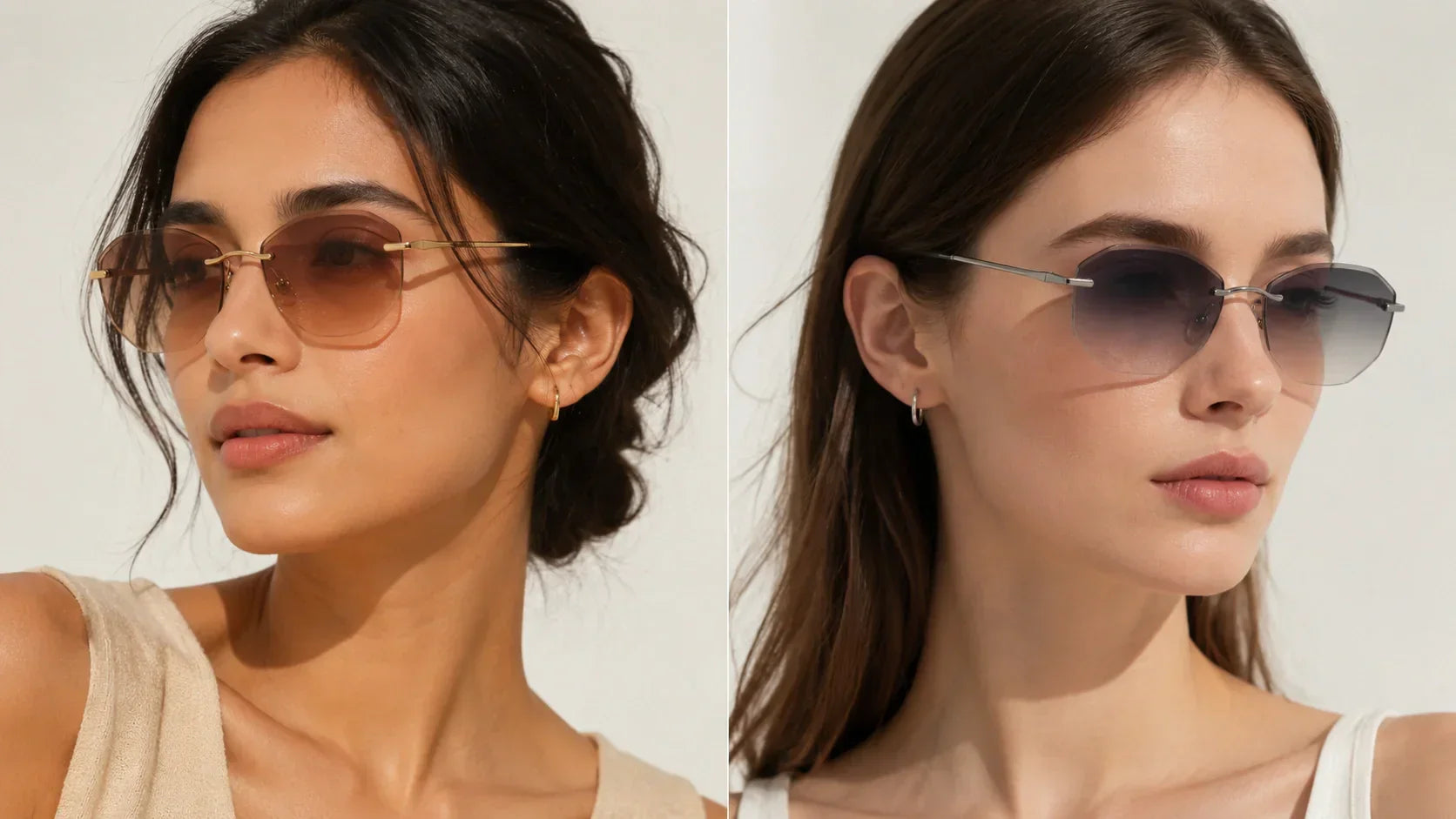
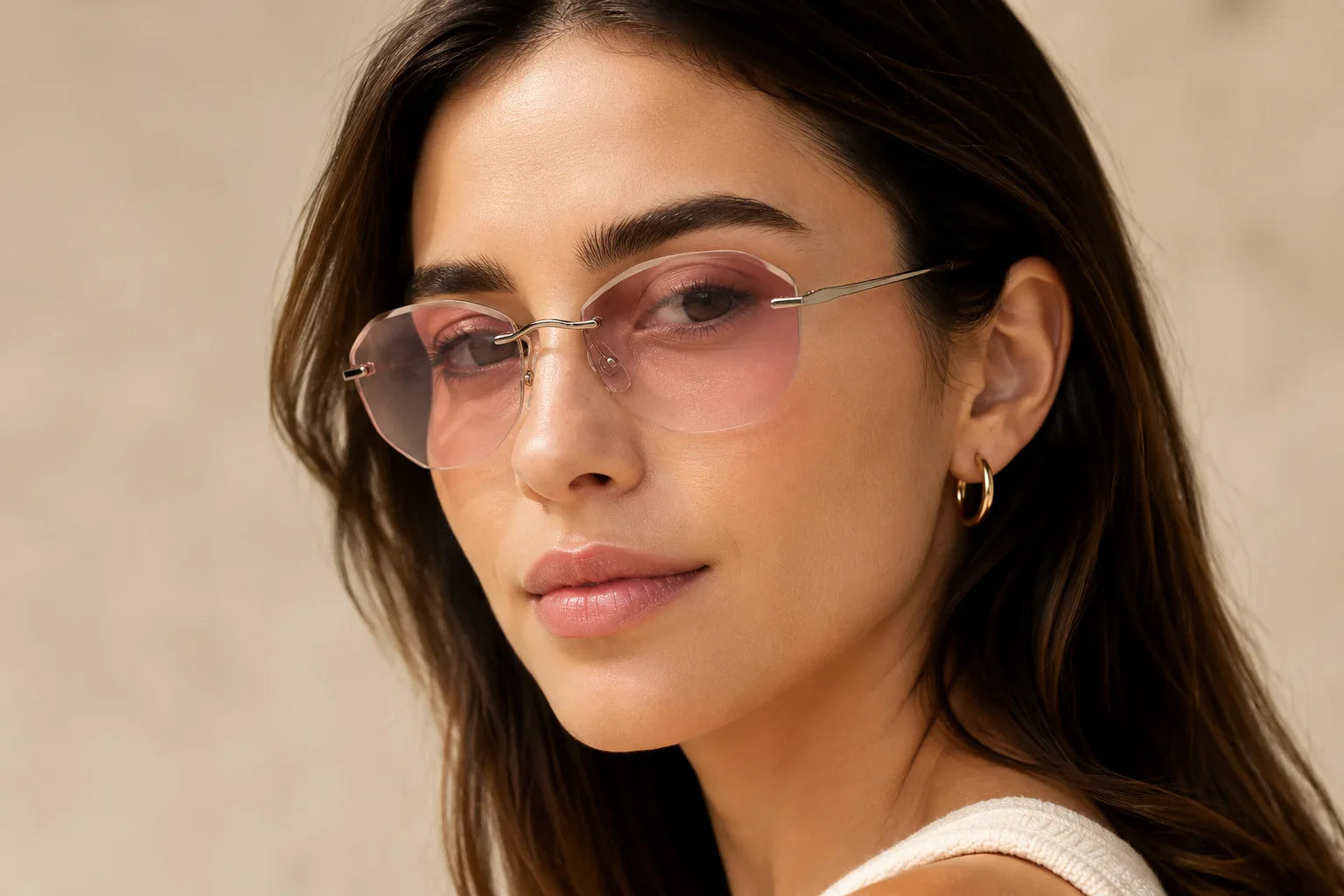
BAPORSSA route: if you wear contact lenses, do not need correction outdoors, or want a lighter fashion-forward pair for glare control and daily sun, start with Backbone, Glow, or Luma.
Quick Answer: Which Sunglasses Work If You Already Wear Glasses?
The best option depends on whether you need distance correction, reading power, both distance and reading support, or simple sun protection over your existing glasses.
| Option | Best for | Pros | Cons |
|---|---|---|---|
| Fit-over sunglasses | Wearing sunglasses over prescription glasses | No need to replace your daily glasses | Can look bulky and add extra nose weight |
| Prescription sunglasses | Outdoor vision correction | Clear distance vision and sun protection in one pair | Requires a prescription order and optical provider |
| Reader sunglasses | Reading outdoors | Useful for books, menus, phones, and close-up tasks | Not full distance correction |
| Bifocal sunglasses | Distance view plus reading zone | More flexible for outdoor reading | Not right for every prescription or every activity |
| Clip-on sunglasses | Adding tint to existing eyeglasses | Affordable, simple, and easy to remove | Can look less polished or feel unstable |
| Non-prescription sunglasses | Contact lens wearers or people who do not need correction outdoors | Cleanest look, lightest feel, easiest style choice | Not for people who need vision correction outdoors |
Fit-Over Sunglasses: Best for Wearing Over Prescription Glasses
Fit-over sunglasses are designed to sit over your regular prescription glasses. They are also searched as sunglasses over glasses, sunglasses that fit over glasses, sunglasses to fit over glasses, and fit over sunglasses for prescription glasses.

They make the most sense if you must keep your regular eyeglasses on outdoors and do not want to order a separate pair of prescription sunglasses. Many seniors and older adults choose fit-over sunglasses because they are practical, easy to put on, and can offer more side coverage than a standard pair.
| Check | Why it matters |
|---|---|
| Frame width | The fit-over frame must fully cover your prescription glasses. |
| Lens height | It needs enough vertical space so your daily glasses do not peek out. |
| Temple room | The temples must sit over or around your existing glasses comfortably. |
| Weight | Two frames can add pressure on the nose and ears. |
| Side coverage | Helpful for glare, but it can make the frame look more sport-like. |
The main downside is aesthetic. Fit-over sunglasses can look larger, heavier, or more medical than normal sunglasses. If you want the cleanest face look, they may not be your favorite option.
Prescription Sunglasses: Best for Outdoor Vision Correction
Prescription sunglasses are best if you need clear distance vision outdoors. They can be made for single-vision, progressive, or other prescription needs through an optical provider. For driving, walking, travel, or outdoor activities, prescription sunglasses can feel cleaner than putting a second sunglass frame over your daily glasses.
This option is especially important if you cannot see clearly without correction. Non-prescription sunglasses do not replace prescription sunglasses, and BAPORSSA does not provide prescription lenses.
| Prescription sunglasses are best if | Why |
|---|---|
| You need distance correction outdoors | You need clear vision plus sun protection. |
| You drive often | Distance clarity, glare control, and tint choice all matter. |
| You wear progressives | Your outdoor lens may need the same visual zones as your daily glasses. |
| You dislike bulky fit-over frames | Prescription sunglasses can look more like a normal sunglass. |
If you need prescription support, choose the correct optical route first. After that, you can compare frame style, lens color, polarization, and UV protection.
Reader Sunglasses and Bifocal Sunglasses: Best for Reading Outdoors
Sunglasses with readers, reader sunglasses, and bifocal sunglasses are designed for people who want help reading outdoors. These are common searches for people who read menus, books, phones, maps, or labels in bright daylight.

Reader sunglasses usually include a reading magnification area or full-lens reading power. Bifocal sunglasses may include a reading zone at the bottom of the lens while keeping the upper area for distance viewing. Some are polarized, and some are not.
| Option | Best for | Important note |
|---|---|---|
| Full-lens reader sunglasses | Reading outdoors for longer periods | Not ideal for walking or distance viewing. |
| Sunglasses with readers on the bottom | Phone, menu, or label reading | The reading zone must match your real use. |
| Bifocal sunglasses | Distance plus close-up tasks | Helpful, but not the same as a personalized prescription. |
| Polarized sunglasses with readers | Water, road, or pavement glare plus close-up tasks | Check screen visibility before relying on them. |
BAPORSSA sunglasses do not include reader magnification or bifocal zones. If you need reading power built into the lens, reader sunglasses or bifocal sunglasses are the more accurate route.
Clip-On Sunglasses: Simple but Not Always Stylish
Clip-on sunglasses attach to your existing eyeglasses. They are simple, affordable, and easy to remove when you go indoors. For some people, clip-ons are the easiest way to add tint without buying a separate pair of prescription sunglasses.

The tradeoff is style and stability. Clip-ons can reflect light, sit unevenly, feel less polished, or look less integrated than a dedicated sunglass frame. Magnetic clip-ons can look cleaner, but they usually need to match a specific frame system.
| Clip-ons are useful when | Clip-ons may disappoint when |
|---|---|
| You want a low-cost tint option | You want a cleaner fashion look |
| You want to keep your current eyeglasses | The clip does not match your frame shape |
| You go indoors and outdoors often | The clip feels unstable or reflective |
Contact Lenses + Non-Prescription Sunglasses: The Cleanest Look
If you dislike the bulky look of fit-over sunglasses, one clean alternative is wearing your daily contact lenses with lightweight non-prescription sunglasses. This gives you vision correction from your contacts, while your sunglasses can focus on UV400 protection, glare control, lens color, and a cleaner face look.

This route works especially well for people who want the lightest, most natural-looking sunglass style. Instead of building magnification or prescription correction into the sunglasses, the contact lenses handle the vision correction and the sunglasses handle sun, glare, and style.
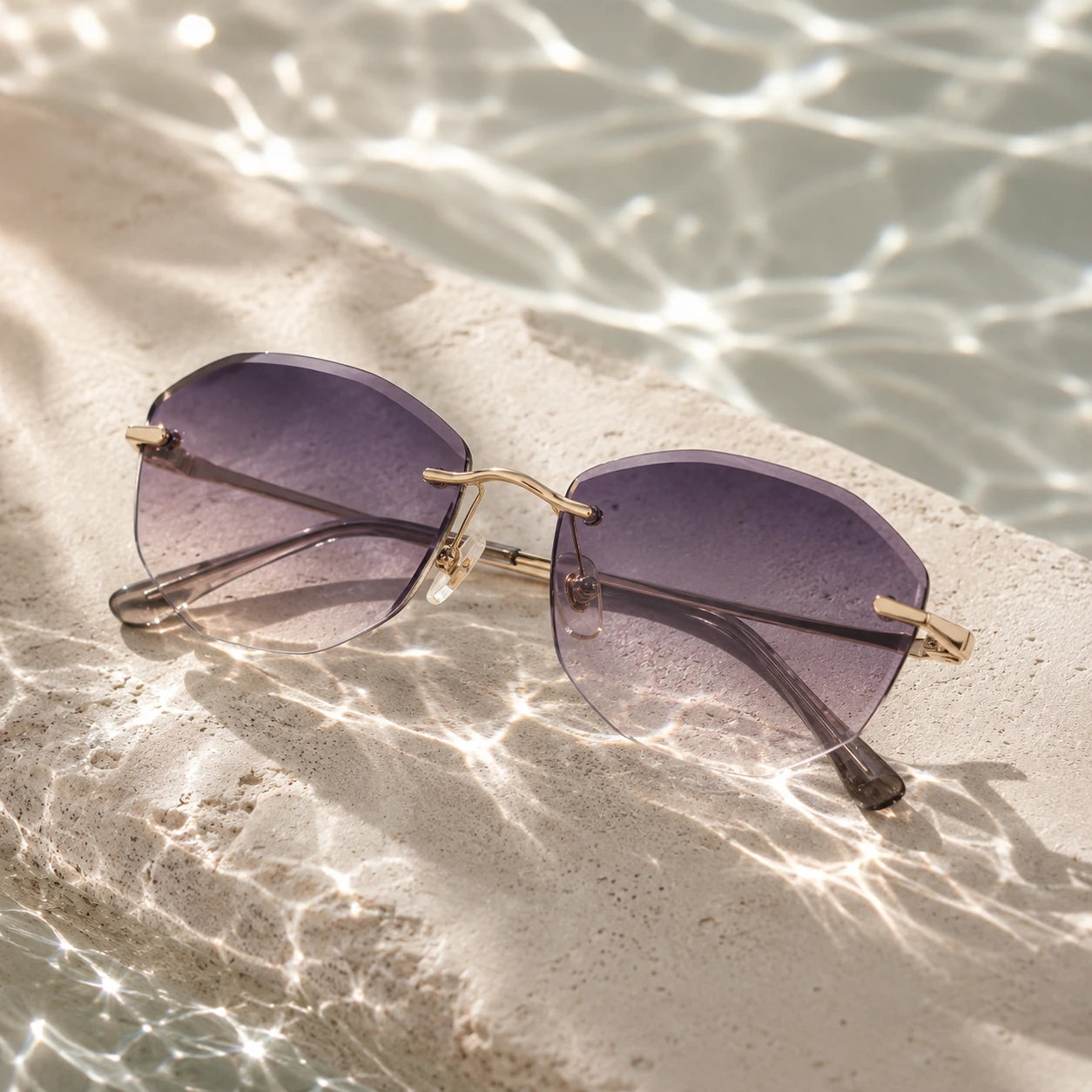
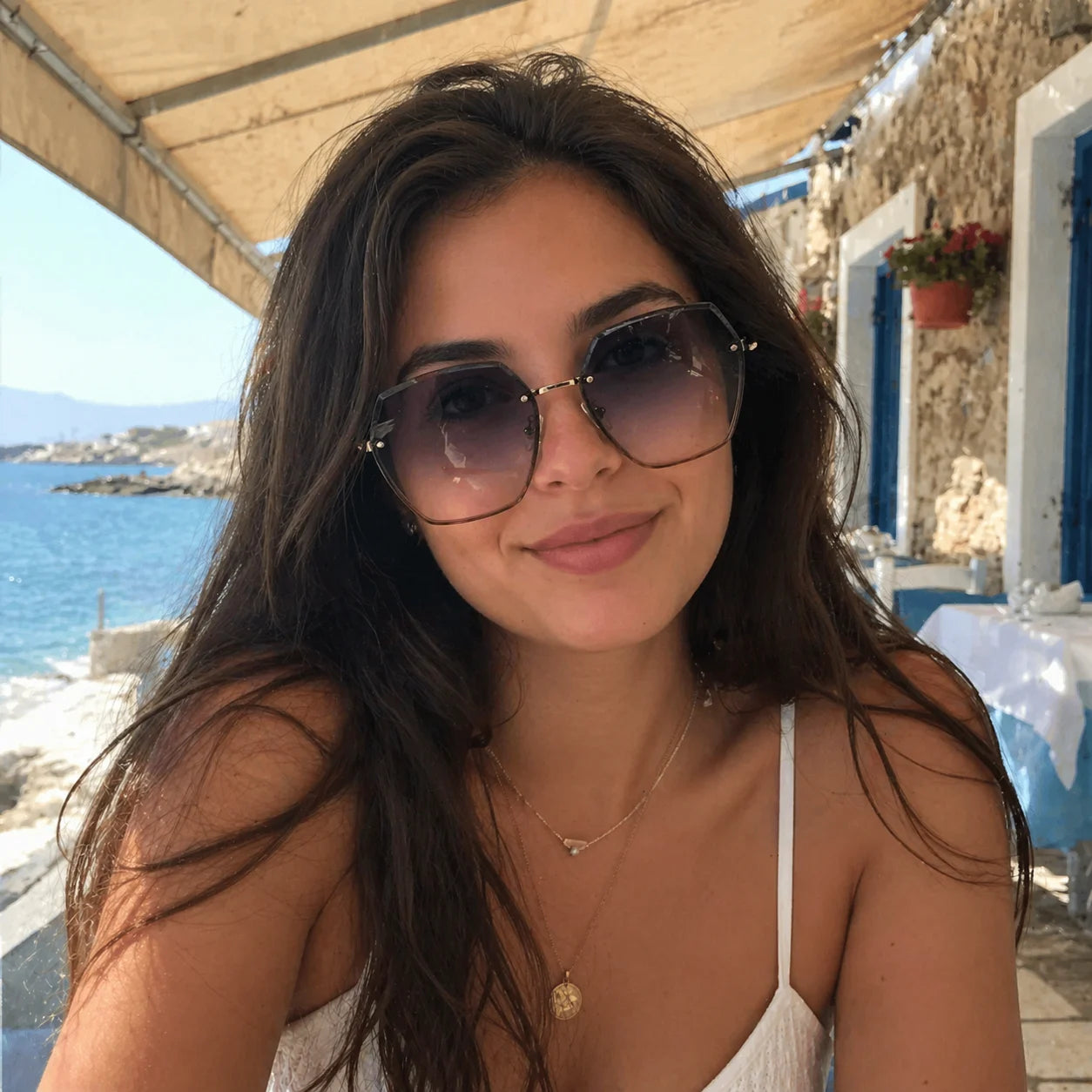
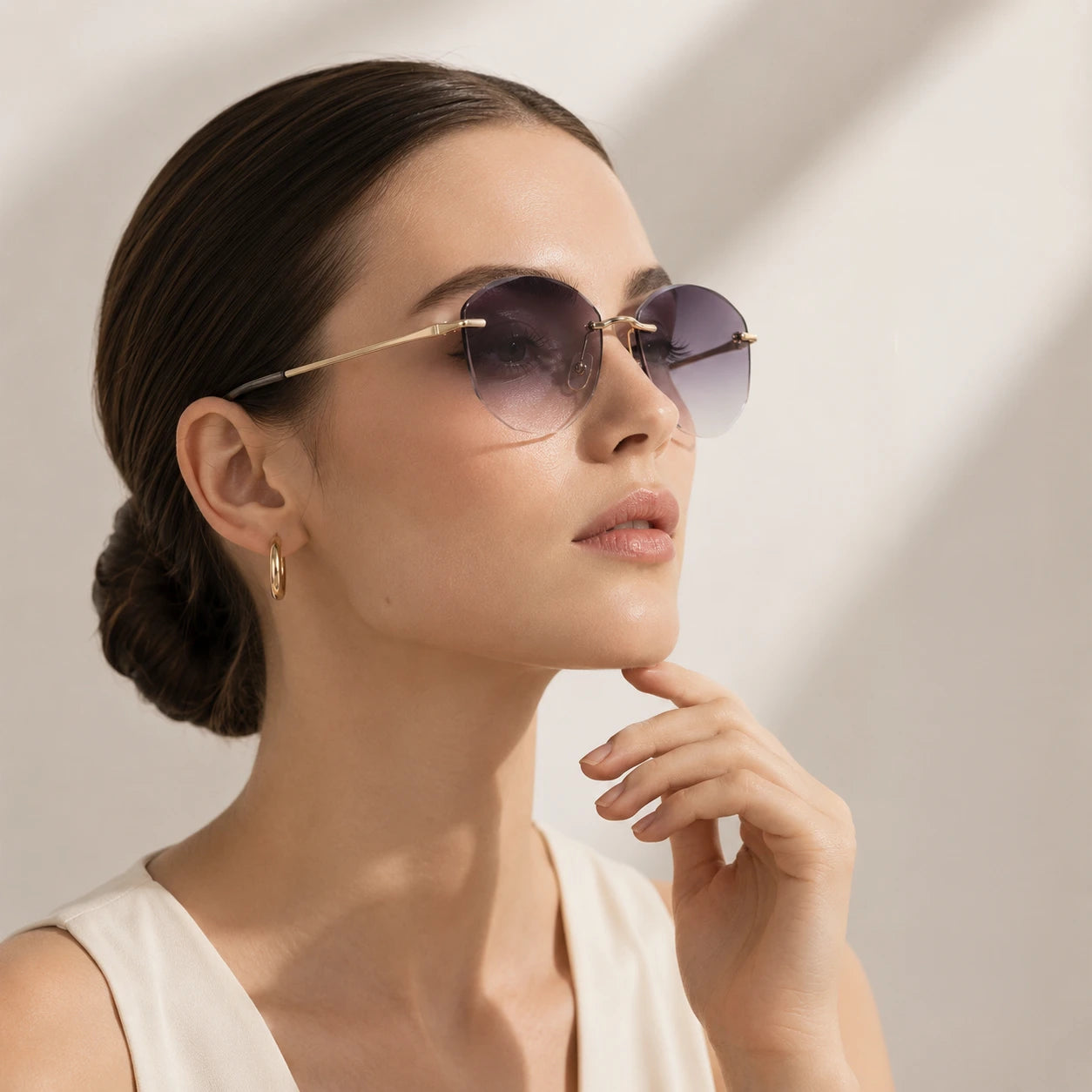
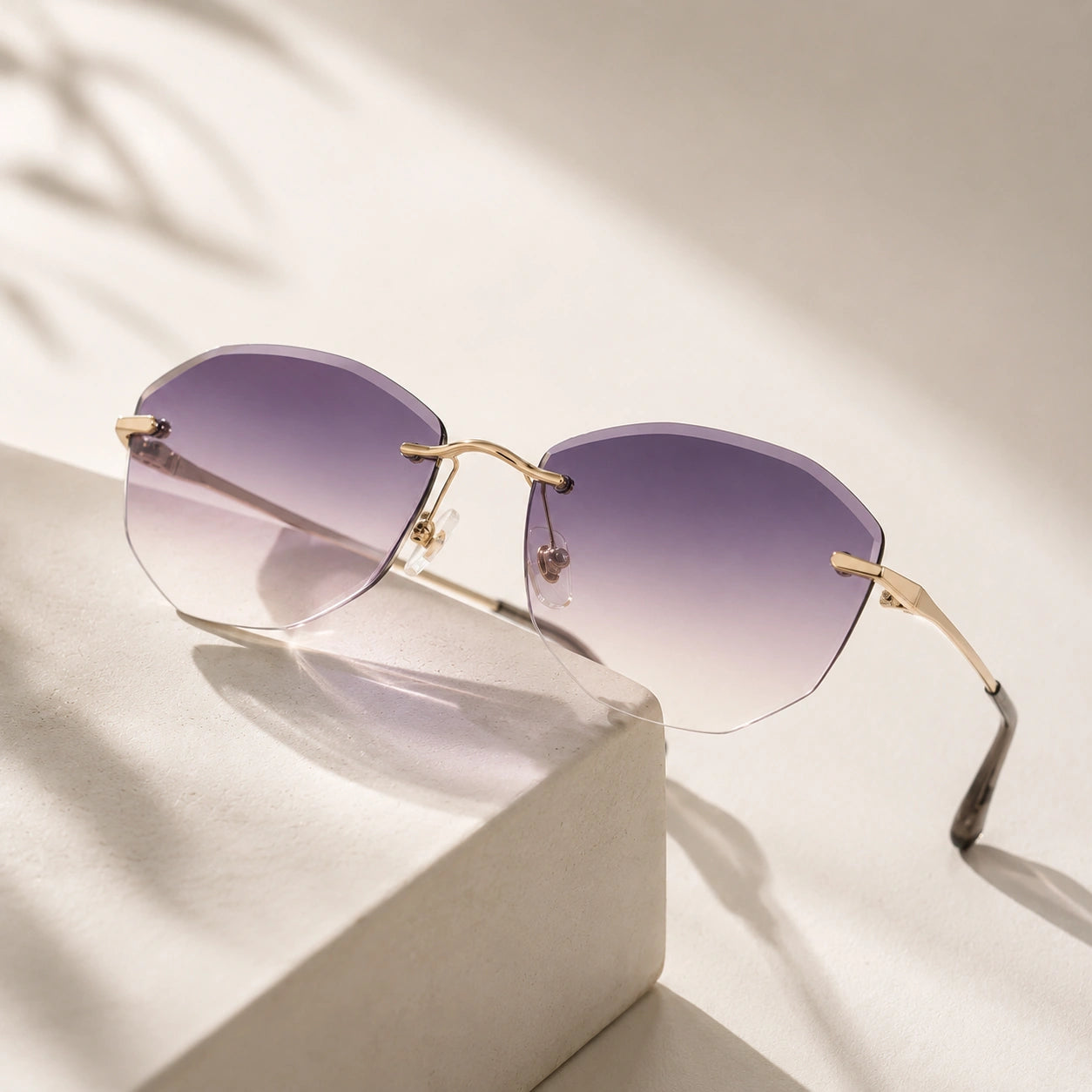
For this route, BAPORSSA rimless and gradient sunglasses make the most sense because they are lighter, cleaner, and less bulky than fit-over frames.
Non-Prescription Sunglasses: When They Still Make Sense
Non-prescription sunglasses still make sense if you do not need vision correction outdoors, wear contact lenses, only need sun protection, or want a lighter lifestyle sunglass for driving, travel, walking, and daily errands.
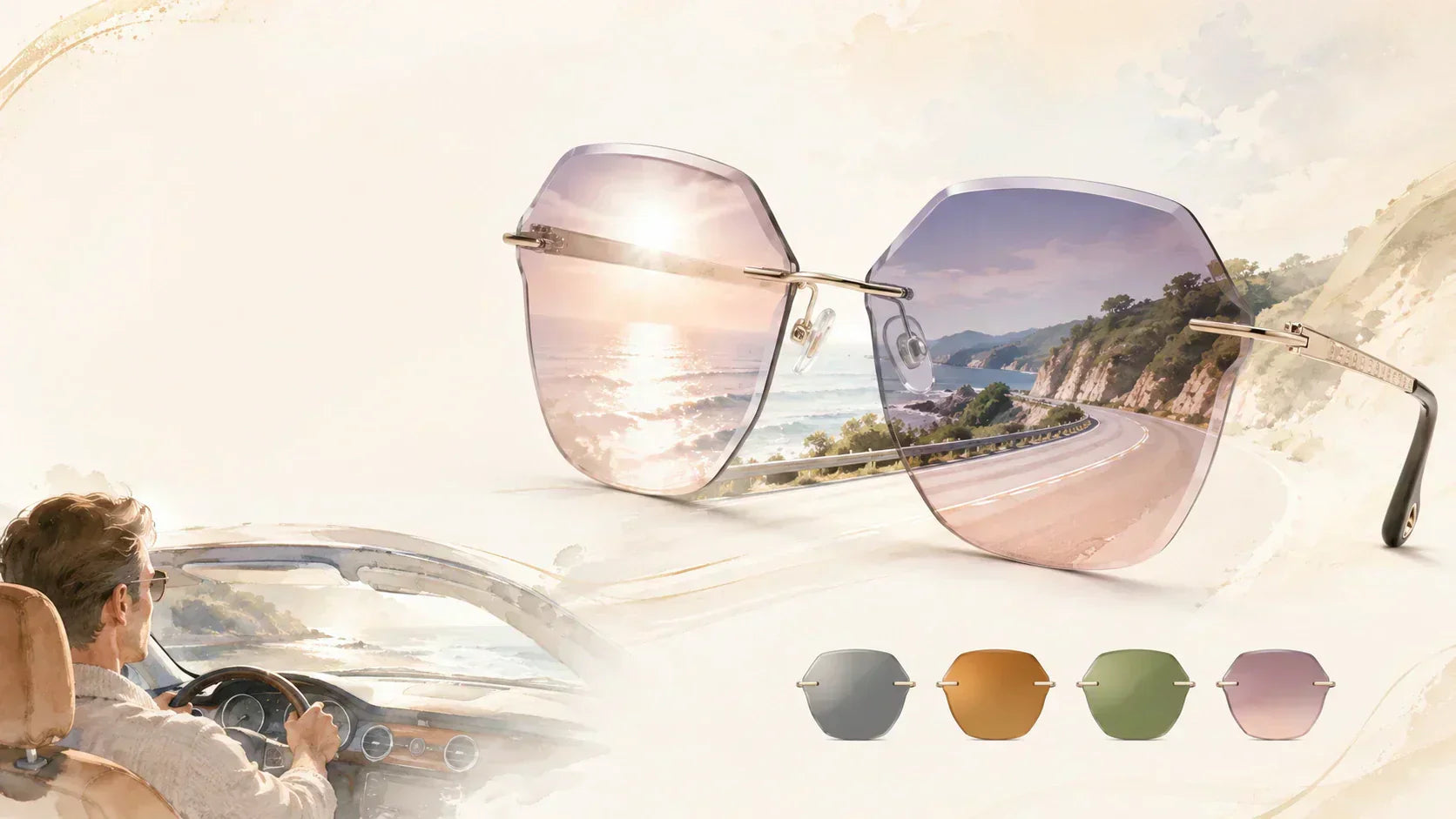
BAPORSSA focuses on this route: non-prescription UV400 and polarized sunglasses designed for lighter comfort, glare control, and a cleaner face look. If you do not need prescription or reader support, this can be simpler, lighter, and more style-forward than fit-over frames or clip-ons.
| Non-prescription sunglasses make sense if | Why BAPORSSA fits |
|---|---|
| You wear contact lenses outdoors | Your contacts handle vision correction; sunglasses handle sun and glare. |
| You do not need correction outdoors | You can prioritize UV400, polarization, lens color, and comfort. |
| You dislike fit-over bulk | Rimless and gradient frames feel cleaner on the face. |
| You want lightweight daily comfort | Less frame weight can reduce pressure and visual heaviness. |
| You want a more stylish option | Non-prescription sunglasses allow more fashion-forward frame choices. |
For non-prescription rimless styles, browse Rimless Gradients. For stronger glare and travel use, browse Driving & Travel sunglasses.
What Seniors and Women Over 50 Should Check Before Choosing
For seniors, older adults, and women over 50, the right route depends on more than lens darkness. Comfort, pressure, reading needs, driving, and appearance all matter.
| Question | Likely direction |
|---|---|
| Do you need distance correction outdoors? | Prescription sunglasses or fit-over sunglasses |
| Do you need reading power outdoors? | Reader sunglasses or bifocal sunglasses |
| Do you wear progressive lenses? | Ask your optical provider about prescription sunglasses |
| Do you drive often? | Check glare control, dashboard visibility, and lens darkness |
| Do heavy frames leave nose marks? | Consider lighter frames, better nose pads, or non-prescription options if vision allows |
| Do you care about a cleaner face look? | Non-prescription rimless or gradient sunglasses may look less bulky |
For more age-specific advice, read our sunglasses for seniors and aging eyes guide. For a style-focused route, read the best sunglasses for women over 50 guide.
What About Sunglasses After Cataract Surgery?
Important: this section is not medical advice. If you recently had cataract surgery, laser eye surgery, or any eye procedure, follow your surgeon or eye-care professional first.
After cataract surgery, some people find that their outdoor eyewear needs change. If you no longer need prescription correction outdoors, lightweight non-prescription UV400 sunglasses may become an option. If you still need correction, prescription sunglasses, fit-over sunglasses, or clip-ons may make more sense.
The safest general shopping checklist is simple: follow your doctor’s guidance, look for UV protection, check comfort, and choose enough coverage for bright outdoor light.
Where BAPORSSA Fits

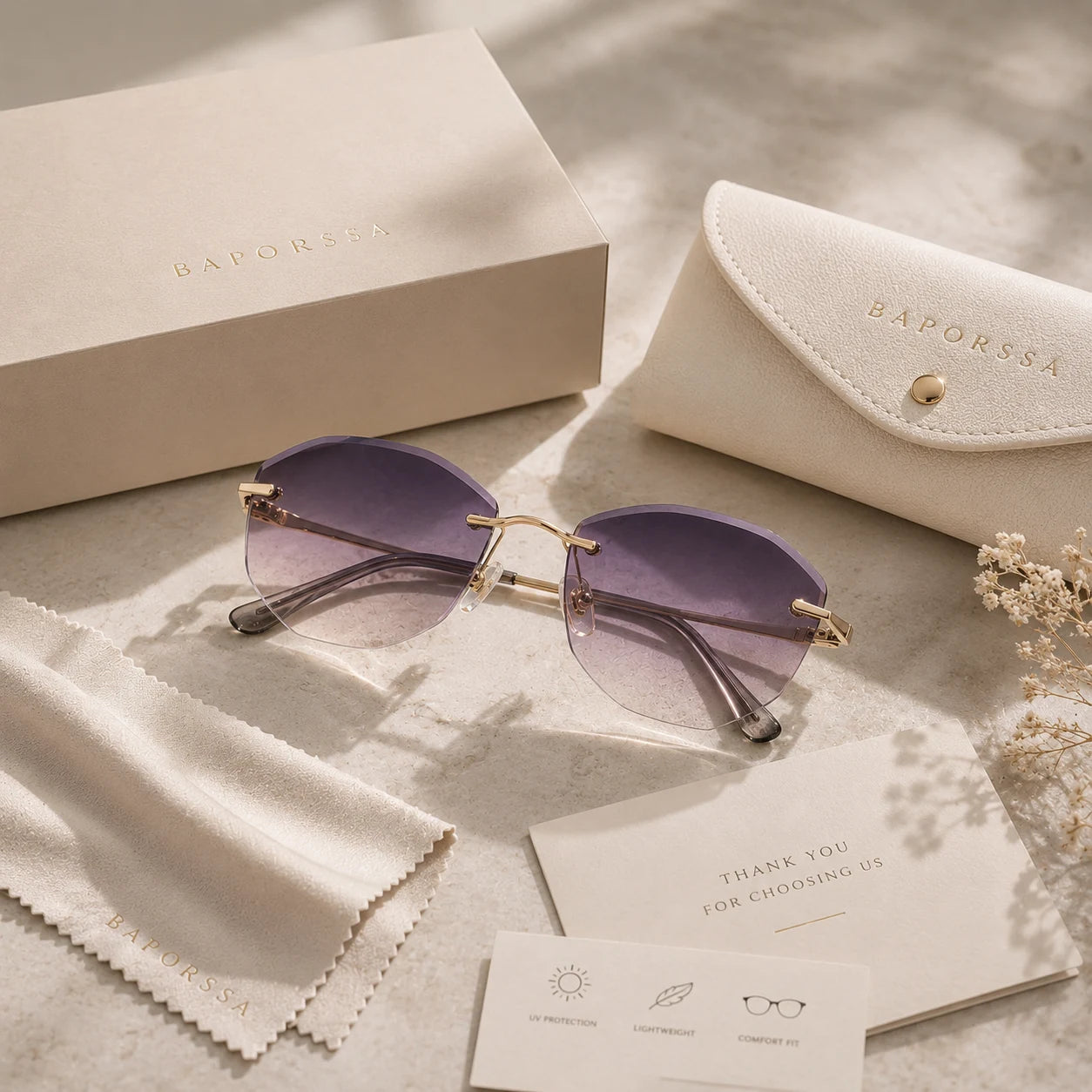
BAPORSSA is best if you want non-prescription UV400 and polarized sunglasses with a lighter, cleaner face look. It is not the right replacement for prescription sunglasses, reader sunglasses, bifocal sunglasses, or fit-over sunglasses when you truly need those optical functions.
| BAPORSSA product | Best for | Why it fits this guide |
|---|---|---|
| Backbone | Clean lightweight rimless daily style | Good if you want the least bulky face look. |
| Glow | Soft gradient and changing light | Good if you want softer daylight and lighter lens appearance. |
| Luma | Polarized glare and adjustable comfort | Good for glare, errands, and nose-pad adjustability. |
| Shift | Driving and changing daylight | Good for movement between bright and softer outdoor light. |
| Flow | Wide glare coverage | Good if you want more outdoor coverage without a thick frame. |
| Vanguard | Travel and bright-day coverage | Good when you want stronger coverage with a rimless direction. |
Related Guides
| If you care about | Read this |
|---|---|
| Seniors and aging eyes | Best sunglasses for seniors and aging eyes |
| Women over 50 style | Best sunglasses for women over 50 |
| UV400 and polarization | UV400 vs polarized sunglasses guide |
| Driving glare | Best sunglasses for driving guide |
| Rimless comfort | Rimless sunglasses guide |
| Rimless gradient styles | Rimless Gradients |
FAQ
What are sunglasses that fit over glasses called?
They are usually called fit-over sunglasses, over-glasses sunglasses, or sunglasses that fit over glasses. They are designed to sit over your regular prescription glasses.
Can I wear sunglasses over prescription glasses?
Yes, but ordinary sunglasses usually do not fit well over prescription glasses. Fit-over sunglasses are made for that purpose and should be checked for width, height, weight, and side comfort.
Are fit-over sunglasses better than prescription sunglasses?
Fit-over sunglasses are better if you want to keep wearing your regular glasses outdoors. Prescription sunglasses are better if you want one cleaner pair with vision correction and sun protection built together.
What is the difference between fit-over and clip-on sunglasses?
Fit-over sunglasses are a full sunglass frame worn over eyeglasses. Clip-on sunglasses attach a tinted lens to the front of your existing glasses. Fit-overs usually offer more coverage, while clip-ons are smaller and easier to remove.
Are sunglasses with readers the same as prescription sunglasses?
No. Sunglasses with readers usually provide reading magnification, often in a fixed power. Prescription sunglasses are made to your optical prescription and may correct distance, reading, or progressive vision needs.
What are bifocal sunglasses?
Bifocal sunglasses include two viewing areas, usually a distance area and a reading area. They can be helpful outdoors if you need to see far away and read close-up items like phones, menus, or labels.
Can sunglasses have readers at the bottom?
Yes. Some sunglasses have reader magnification at the bottom of the lens. They are useful for close-up reading outdoors, but they are not the same as a full personalized prescription.
Are non-prescription sunglasses useful if I wear contact lenses?
Yes. If your contact lenses handle your vision correction, non-prescription sunglasses can focus on UV400 protection, glare control, lens color, fit comfort, and style.
What are the best sunglasses for seniors who already wear glasses?
If seniors already wear glasses, the best option depends on their daily needs. Fit-over sunglasses work over existing glasses, prescription sunglasses provide outdoor correction, reader sunglasses help with close-up tasks, and non-prescription sunglasses work best for contact lens wearers or people who do not need correction outdoors.
What are the best sunglasses for women over 50 who wear contacts?
Women over 50 who wear contacts can often choose lightweight non-prescription sunglasses because their contact lenses already provide vision correction. Rimless, gradient, UV400, and polarized sunglasses can give a cleaner face look than bulky fit-over frames.
Do I need prescription sunglasses after cataract surgery?
Follow your surgeon or eye-care professional first. Some people may still need prescription sunglasses after cataract surgery, while others may be able to use non-prescription UV400 sunglasses if they no longer need correction outdoors.
Final Recommendation
If you already wear glasses, start by choosing the correct eyewear route. Need vision correction outdoors? Look at prescription sunglasses or fit-over sunglasses. Need reading power outdoors? Compare reader or bifocal sunglasses. Want a quick add-on? Consider clip-ons. Wear contacts or do not need correction outdoors? Lightweight non-prescription sunglasses may give the cleanest look.
For BAPORSSA, the best match is the last route: Backbone for clean lightweight rimless style, Glow for soft gradient daylight, or Luma for polarized glare and adjustable comfort.