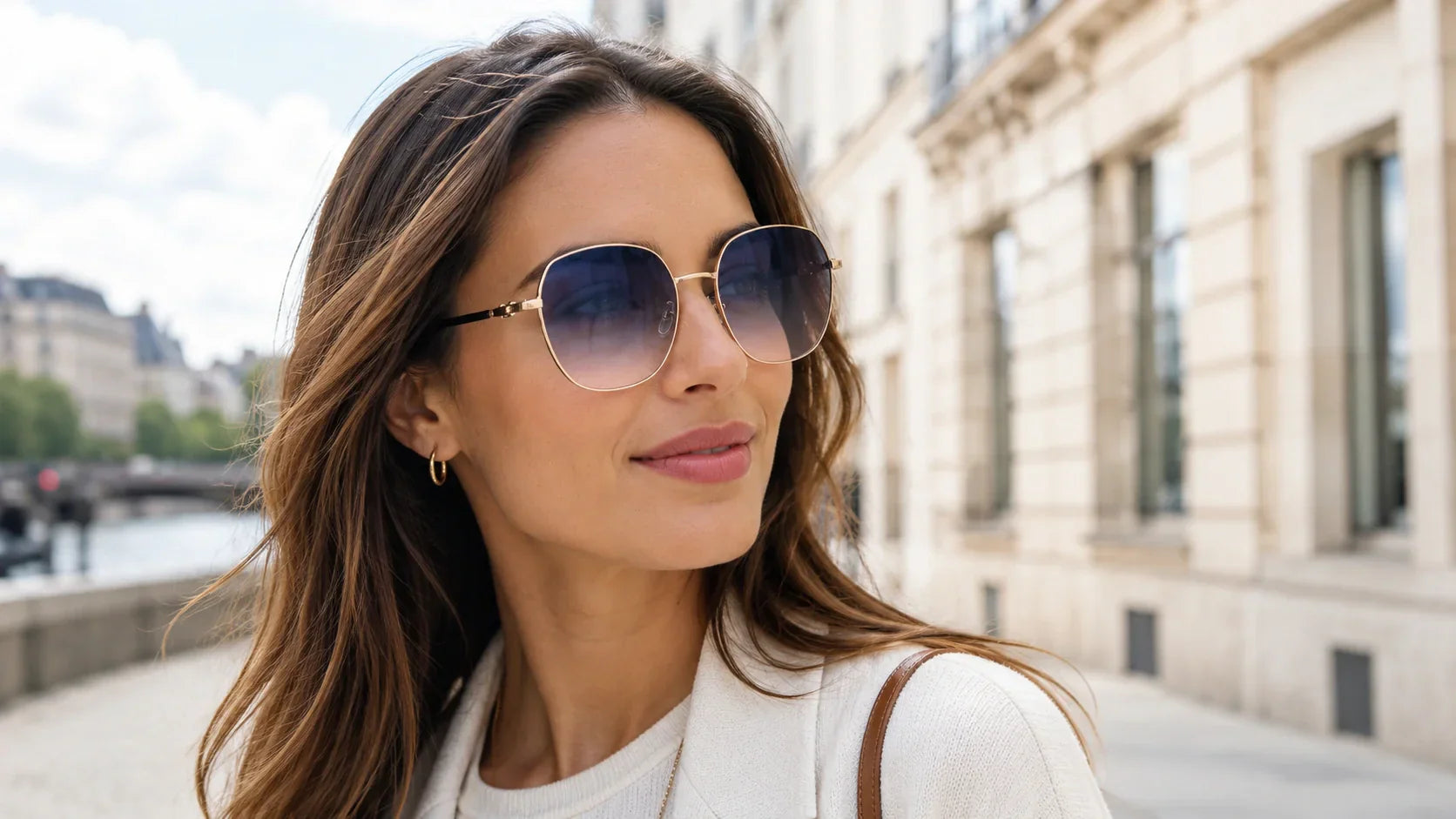
Quick recommendation: The best sunglasses for the beach should combine UV400 protection, comfortable bright-light tint, a stable fit, and polarized glare control if water reflection bothers you. Beach sunglasses should also look good in vacation photos without hiding the whole face.

Why Beach Light Feels Harsher
Beach light comes from above and from reflective surfaces around you. Sand, water, pale stone, boats, glass and wet pavement can bounce brightness back toward the eyes. That is why a beach pair should not be chosen only by style. Lens function, frame coverage and fit matter.
Polarized Lenses for Water Glare
Polarized sunglasses can help reduce reflected glare from water and wet surfaces. This is useful for walking near the water, beach cafes, boats, pools and lakes. Polarization is different from UV400, so check both if you want glare comfort and UV protection.
For more water-specific use, read polarized fishing sunglasses for boating, kayaking and water glare.
UV400 for Beach Days
UV400 protection is the first filter to check for beach sunglasses. Darker lenses may feel more comfortable in bright sun, but lens darkness alone is not the same as UV protection. If you are comparing UV400, polarized and lens categories, read the UV400 vs polarized guide.
Lens Color for Beach Photos
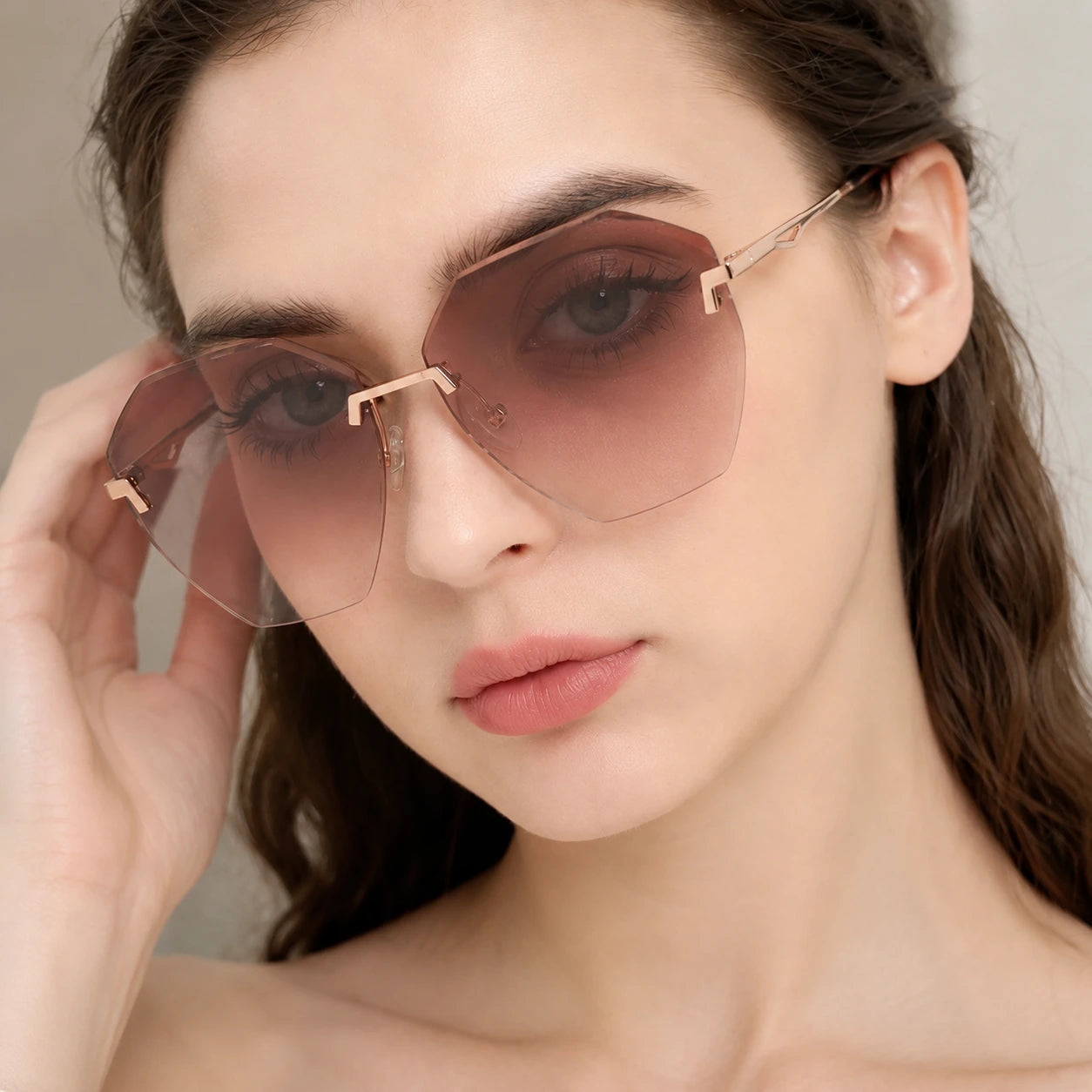
Gray and green-gray lenses feel clean and balanced. Brown lenses add warmth. Rose and gradient lenses can look softer and more face-visible in vacation photos. If you care about keeping makeup and eye-area expression visible, a gradient route can feel less heavy than a fully dark lens.
Fit Checks for Beach Sunglasses
- Bridge fit: the frame should not slide every time you move.
- Temple pressure: avoid side pressure during long wear.
- Weight: lighter frames often feel easier in heat.
- Coverage: choose enough lens presence for strong light.
- Storage: use a case; sand and bags can scratch lenses.
BAPORSSA Beach Product Route
| Choose this if... | Product | Why |
|---|---|---|
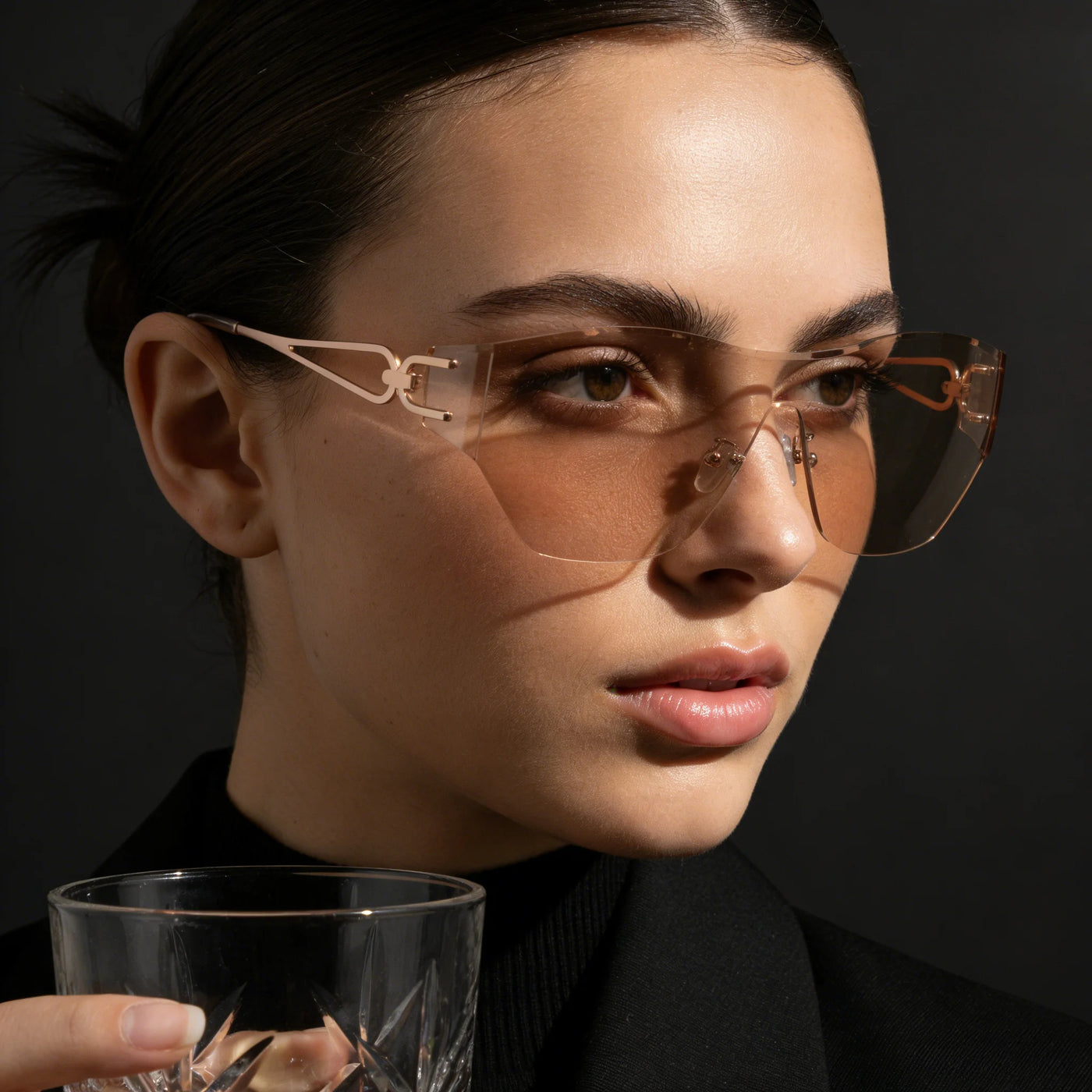
| You notice water or road reflection | Flow | Glare-control route for reflective light |
| You want more sun coverage | Vanguard | Stronger outdoor presence for bright days |
| You want softer vacation photos | Glow | Gradient route with more face visibility |
Related Guides
- Category 3 sunglasses explained
- Sunglass lens color guide
- Polarized rimless sunglasses
- Best sunglasses for travel
FAQ
Are polarized sunglasses good for the beach?
They can be useful when water glare or wet-surface reflection is the main problem.
Do beach sunglasses need UV400?
Yes. UV400 is a key protection check and should not be replaced by lens darkness alone.
What color lenses are best for the beach?
Gray, brown, green-gray and gradient lenses can all work. Choose based on brightness, contrast and face result.
Should beach sunglasses be oversized?
Not always. Enough coverage is useful, but the frame should still fit securely without sliding or overwhelming the face.
Final Recommendation
Choose Flow if glare from water is the issue, Vanguard if strong sun and coverage matter most, and Glow if you want a softer, vacation-ready lens that keeps the face more visible.