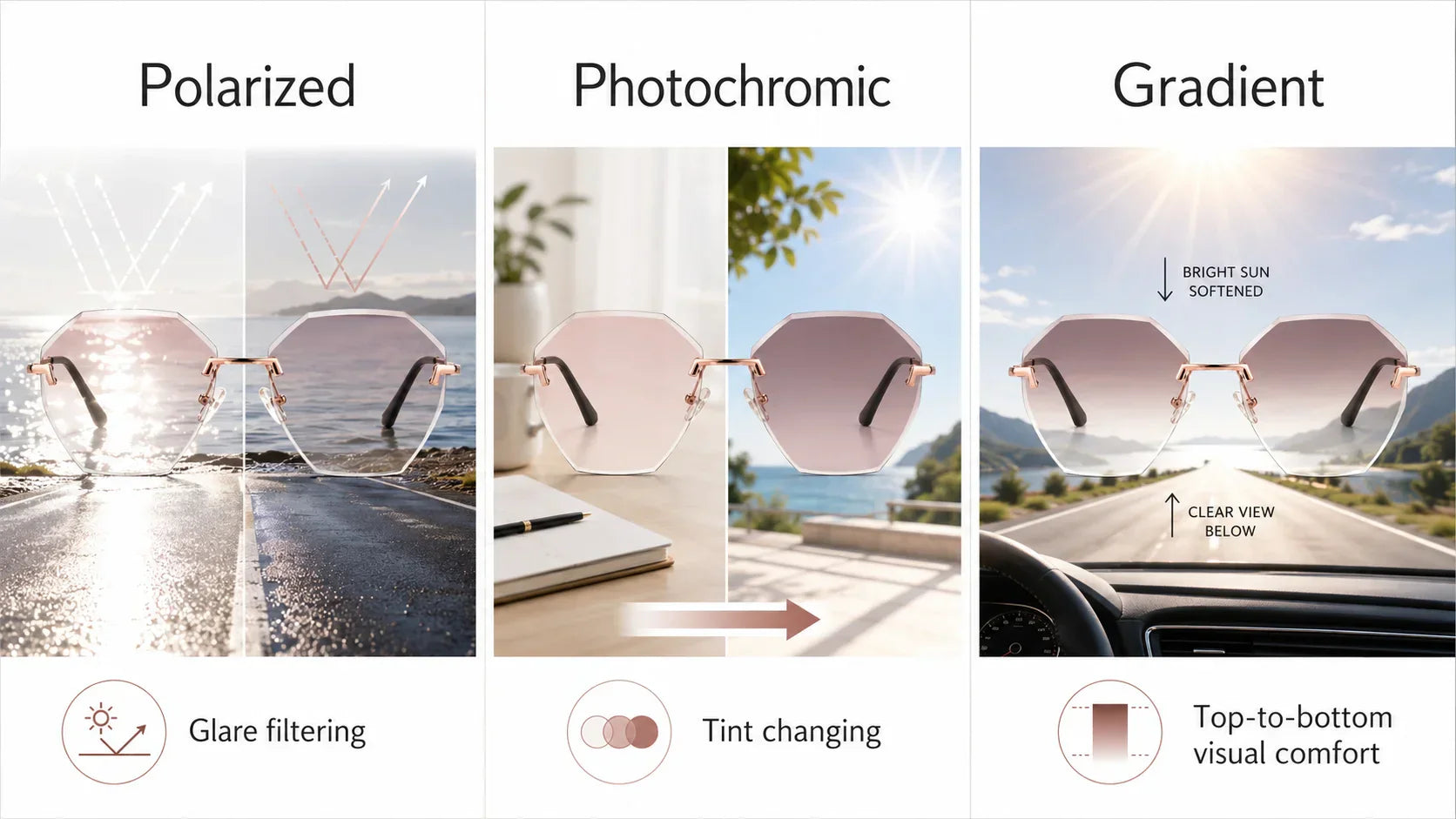

To tell if sunglasses are polarized, use more than one test: try an online polarized test image on a bright screen, rotate the lenses in front of a phone or laptop, compare them with another polarized lens, and check whether reflected glare from water, glass, wet pavement, or a windshield becomes noticeably softer.
The main mistake is judging by darkness. A very dark lens can still be non-polarized, and a lighter polarized lens can still reduce glare well. Dark tint reduces brightness. Polarization reduces reflected glare. UV400 is also a separate feature: it describes UV protection, not glare filtering.
This guide is a practical checklist for checking sunglasses at home, in a store, or after buying an unlabeled pair. For the full difference between UV protection and glare control, read our UV400 vs polarized sunglasses guide. For when polarization is not always the best answer, read Are polarized sunglasses always better?
Quick Answer: 5 Ways to Test Polarized Sunglasses
| Test Method | What You Need | Polarized Result | Best Use |
|---|---|---|---|
| Online polarized test image | A bright phone, tablet, or laptop screen | The test area or screen changes strongly as you rotate the lens | Fast first check |
| Phone screen test | A bright phone, tablet, or laptop screen | The screen becomes much darker as you rotate the lens | Fastest at-home check |
| Two-lens 90° test | Another pair you know is polarized | The overlapping lens area turns very dark at 90 degrees | Most reliable home comparison |
| Water, road, or glass glare test | Sunlight and a reflective surface | Surface glare looks softer, flatter, or less blinding | Real-world glare check |
| Polarized test card | A proper test card or reliable test picture | A hidden image or contrast pattern changes through the lens | Retail verification |
Online Polarized Test Image: Try This First
Many people search for a polarized test image, polarized picture test, polarized tester image, or polarized sunglass test online because they want something they can use immediately on a screen. Use the test lab below as a quick screen-based check.
BAPORSSA Online Polarized Test Lab
Use this screen test before you trust the label.
Step 1
Brightness up
Use a bright phone, tablet, or laptop screen.
Step 2
Cover the target
Place one lens over the test area.
Step 3
Rotate 90°
Watch for strong darkening or contrast shift.
0°
Normal view
45°
Contrast may shift
90°
Strong darkening = likely polarized
Strong darkening
Likely polarized. Confirm with another test or product specs.
Slight shift only
Inconclusive. Try another screen or the two-lens test.
No clear change
Possibly non-polarized, but confirm with a glare test.
Reliability guide:
Screen test = quick check · Two-lens 90° test = stronger confirmation · Product specifications = final confirmation for polarization, UV400, lens material, and coating details.
Important: an online polarized test image is a quick check, not a lab certification. Screen type, brightness, screen protectors, viewing angle, and browser rendering can affect the result. If the result is unclear, use the phone screen test, two-lens 90-degree test, or a real glare test.
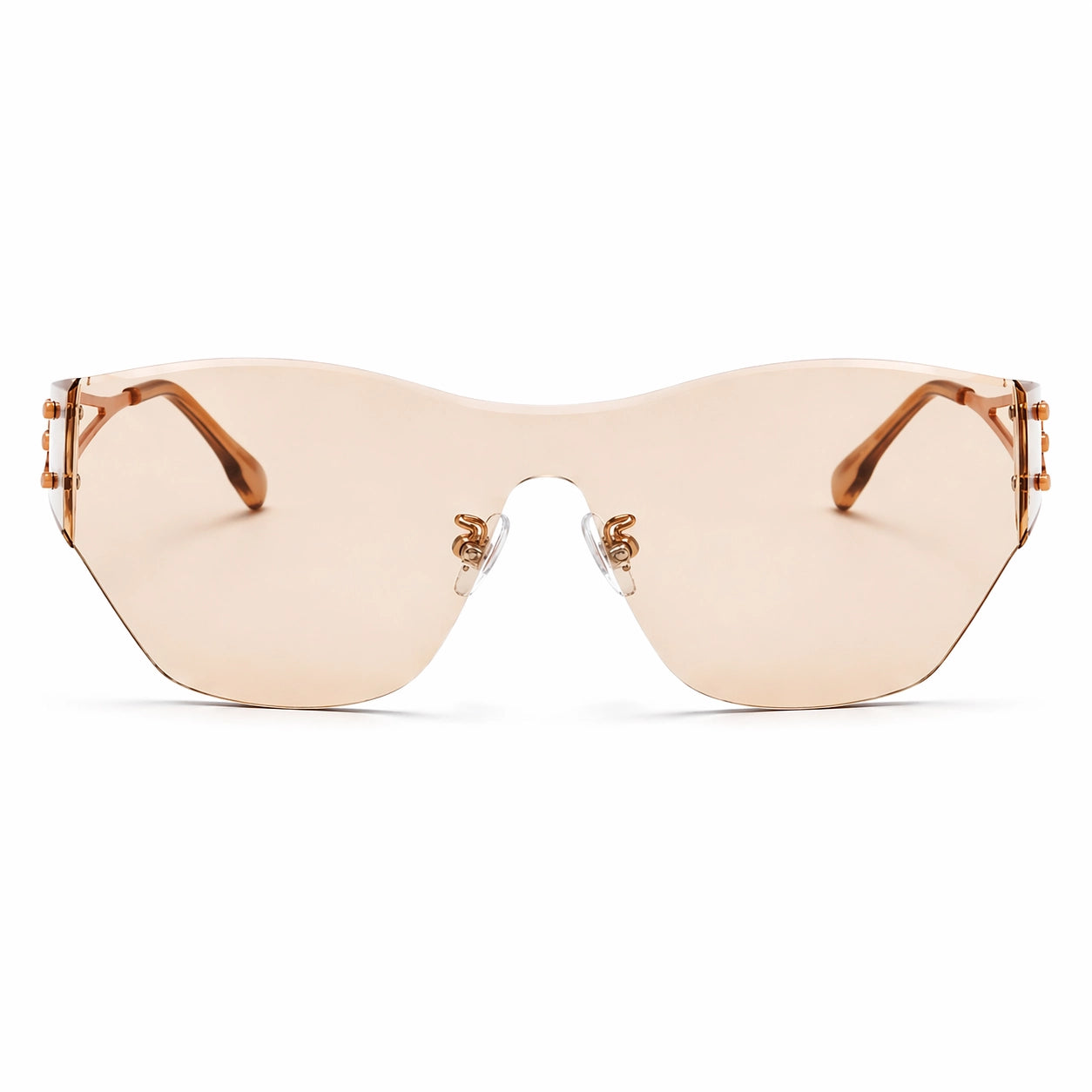
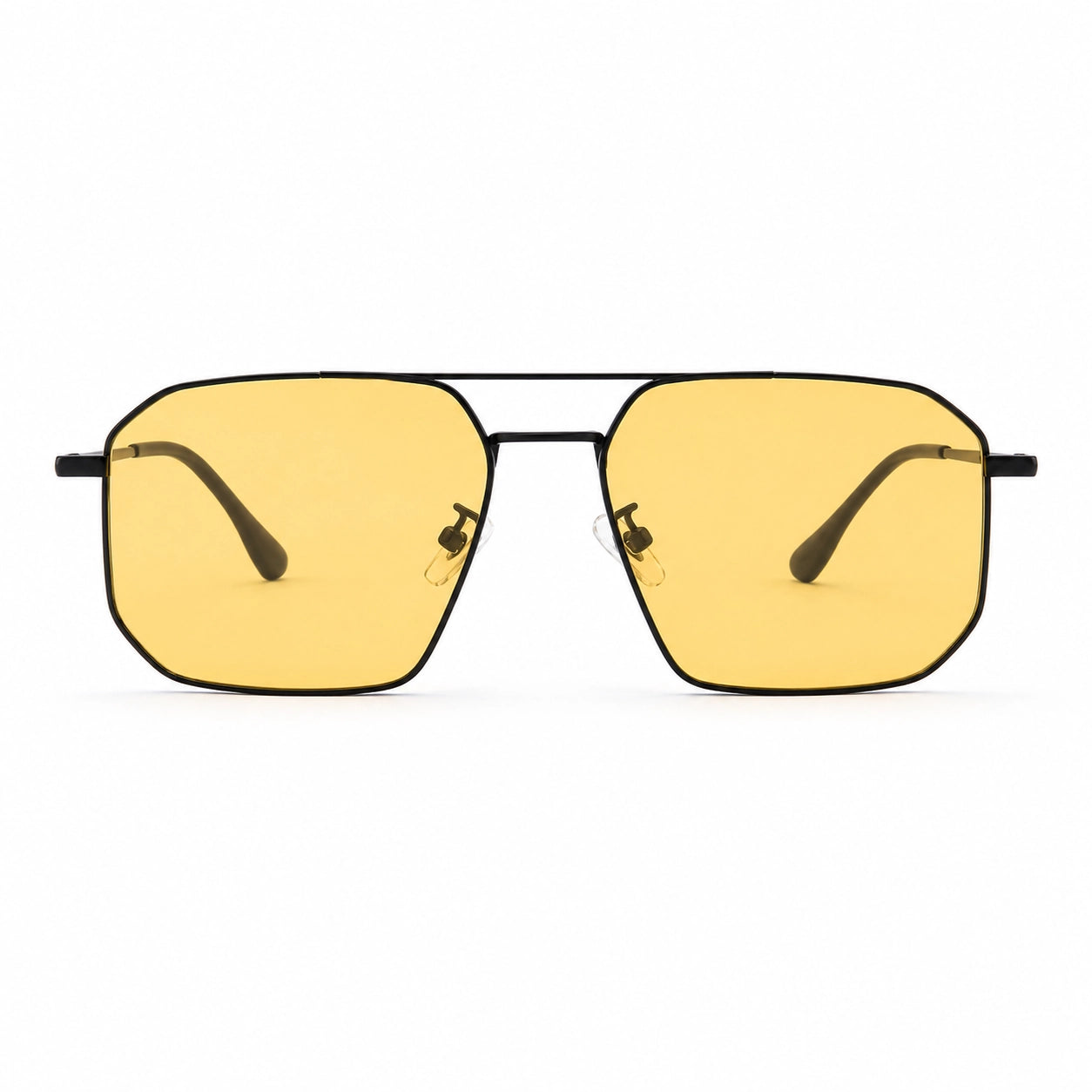
Test result route: if your current sunglasses do not show a clear polarized response and reflected glare is the problem you want to solve, start with BAPORSSA polarized lens options below. These styles are positioned for glare control in bright outdoor, driving, water, or reflective-surface conditions. Check each product page for the exact lens specification before buying.
Phone Screen Test: How to Test Polarized Sunglasses with a Mobile Screen
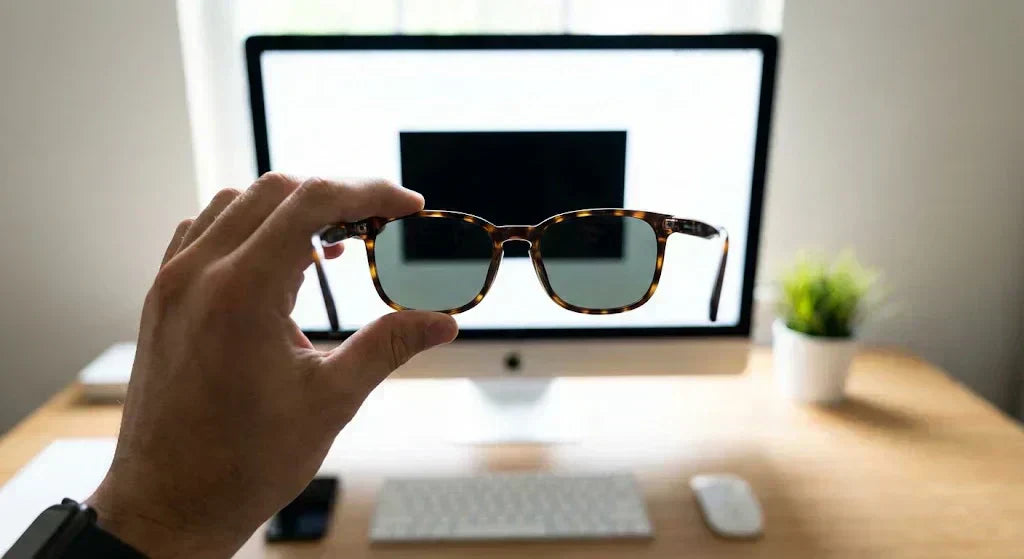
The easiest way to check polarized sunglasses is to use a phone, tablet, or laptop screen. Many digital screens emit polarized light, so a polarized lens can block that light at certain angles. This is why searches like polarized glasses test screen, how to check if sunglasses are polarized, and how do I know if my sunglasses are polarized usually lead to the screen-rotation method.

- Turn your phone or laptop brightness up.
- Open a white screen, blank document, or light webpage.
- Hold the sunglasses in front of the screen.
- Slowly rotate the sunglasses 60–90 degrees.
- Watch whether the screen becomes much darker through the lens.
Result: if the screen turns very dark, almost black, or dramatically dimmer at one angle, the sunglasses are likely polarized. If the brightness stays almost the same as you rotate the lens, the lenses may be non-polarized.
Polarized Glasses Test Screen: Why the Screen Gets Dark
A polarized lens works by filtering light from certain directions. Many phone, laptop, GPS, ATM, and dashboard screens also use polarized light. When the screen’s light direction crosses the lens filter direction, the display can look darker, uneven, rainbow-like, or nearly black.
This is useful for testing, but it can also become a daily tradeoff. Polarized sunglasses may help with road glare and water glare, but they can make some screens or head-up displays harder to read. If this is important for your daily use, read Do polarized sunglasses work with touchscreens?
Two-Lens 90-Degree Test
If you already own one pair of sunglasses that you know is polarized, use it as a reference lens. This is usually the clearest at-home polarized lens test.
- Hold the known polarized pair in front of you.
- Place the pair you want to test behind it.
- Look through the area where both lenses overlap.
- Rotate one pair until the lenses cross at about 90 degrees.
Result: if both lenses are polarized, the overlapping area should become very dark. This happens because the two filters block light from different directions. If the overlap does not change much, the test pair may not be polarized.
This method works well for older sunglasses, unlabeled sunglasses, or sunglasses bought from a marketplace where the product details are unclear.
Water, Road, and Glass Glare Test
Polarized lenses are most useful against reflected glare. That is why water, wet pavement, glass, snow, and car windshields are better real-world testing surfaces than a plain dark room.

- Find a bright reflective surface, such as water, a car windshield, wet pavement, or glass.
- Look at the glare without sunglasses first.
- Put the sunglasses on or hold the lenses in front of your eyes.
- Tilt or rotate the lenses slightly.
Result: if the sunglasses are polarized, harsh surface glare should look softer, flatter, or less blinding. On water, you may be able to see below the surface more clearly. On roads or windshields, bright reflected patches should become less intense.
This is the most practical test if your main use is daytime driving, boating, fishing, beach wear, or walking around glass-heavy city streets. For driving-specific details, continue with our best sunglasses for driving guide.
Polarized Sunglasses Test Card: What It Proves
Many eyewear stores use a polarized sunglasses test card. These cards hide an image, word, or pattern that becomes visible only when you look through a polarized lens.

Hold the sunglasses over the card or image and rotate the lens slowly. If the hidden pattern appears, disappears, or changes strongly as you rotate, the lens is likely polarized.
Important limitation: a proper physical polarized test card is more reliable than a random online image. A screen-based polarized picture test can help you check lens behavior quickly, but it should not be treated as final proof of lens quality, UV400 protection, or optical clarity.
Check the Product Specifications
A physical test is helpful, but product specifications still matter. Look for clear wording such as polarized lens, polarized filter, or polarized sunglasses. Do not assume polarization from lens color, price, darkness, or a UV label alone.
| Label or Feature | What It Means | What It Does Not Prove |
|---|---|---|
| Polarized | The lens is designed to reduce reflected glare | It does not automatically prove UV400 unless UV protection is also listed |
| UV400 | The lens is designed to block UVA and UVB up to 400 nm | It does not automatically mean the lens is polarized |
| Dark tint | The lens reduces visible brightness | It does not prove polarization or UV400 |
| Gradient tint | The lens is darker at the top and lighter at the bottom | It does not prove polarization unless listed separately |
| Photochromic | The lens changes tint with light conditions | It does not prove polarization unless both features are listed |
How to Tell If Sunglasses Are Polarized Without a Label
If your sunglasses do not have a sticker, hangtag, or product description, do not judge by lens darkness. Use this checklist instead:
| What You See | What It Usually Means | What to Do Next |
|---|---|---|
| Screen turns dark when rotated | Likely polarized | Confirm with a glare or two-lens test |
| No change on a phone screen | Possibly non-polarized, or the screen is not ideal for testing | Try a laptop screen or two-lens test |
| Glare looks softer on water or glass | Likely polarized | Check product specs for UV400 and lens material |
| Lens is dark but reflections stay harsh | Likely tinted but not polarized | Check the product page or use a two-lens test |
| Hidden test-card image appears | Likely polarized | Confirm with product specifications |
Common Mistakes When Checking Polarized Sunglasses
1. Thinking dark lenses are automatically polarized
A black or very dark lens can still be non-polarized. Dark tint reduces brightness, but polarization reduces reflected glare. These are different lens behaviors.
2. Thinking UV400 means polarized
UV400 and polarization are separate. UV400 is about ultraviolet protection. Polarization is about reflected glare. A lens can have one, both, or neither. Read the UV400 vs polarized guide for the full difference.
3. Trusting only the phone screen test
The phone test is fast, but some screens make the result less obvious. Use the screen test together with a two-lens test, glare test, test card, or product specification check.
4. Testing in the wrong light
Polarized lenses show their value around reflected light. If you test them in a room without glare, you may not see much difference. Try water, wet pavement, glass, snow, or windshield glare instead.
5. Forgetting about screens and dashboards
Polarized sunglasses can make some phones, digital dashboards, LCD screens, or head-up displays look darker or uneven at certain angles. This is normal for many polarized lenses.
When Polarized Sunglasses Are Worth Choosing
Polarized sunglasses are most useful when your problem is glare from flat, reflective surfaces. They are especially helpful around water, bright roads, wet pavement, snow, and glass-heavy environments.
| Use Case | Polarized Lens Value | Extra Check |
|---|---|---|
| Driving in bright daylight | Helps reduce road and windshield glare | Check dashboard and HUD readability |
| Beach, boating, or fishing | Helps reduce water glare | Check fit security and coverage |
| Wet pavement or snow | Helps calm reflected glare | Check lens darkness and Cat 3 suitability |
| Phone-heavy outdoor use | Useful for glare, but may affect screens | Test your phone before relying on one pair |
| Daily fashion wear | Useful if glare is part of your daily environment | Balance polarization with face visibility and tint style |
For lens darkness and visible light transmission, read our Cat 3 sunglasses and VLT guide. For lens color decisions, see our sunglasses lens color guide.
BAPORSSA Route: Choose by Glare, Fit, and Face Visibility
For BAPORSSA, the better buying logic is not simply “polarized or not.” Start with the light problem, then match the frame and lens to your daily use.
- If glare is the main problem, start with products that clearly list polarized lens details.
- If driving is the main use, test dashboard, phone, and HUD readability before relying on one polarized pair.
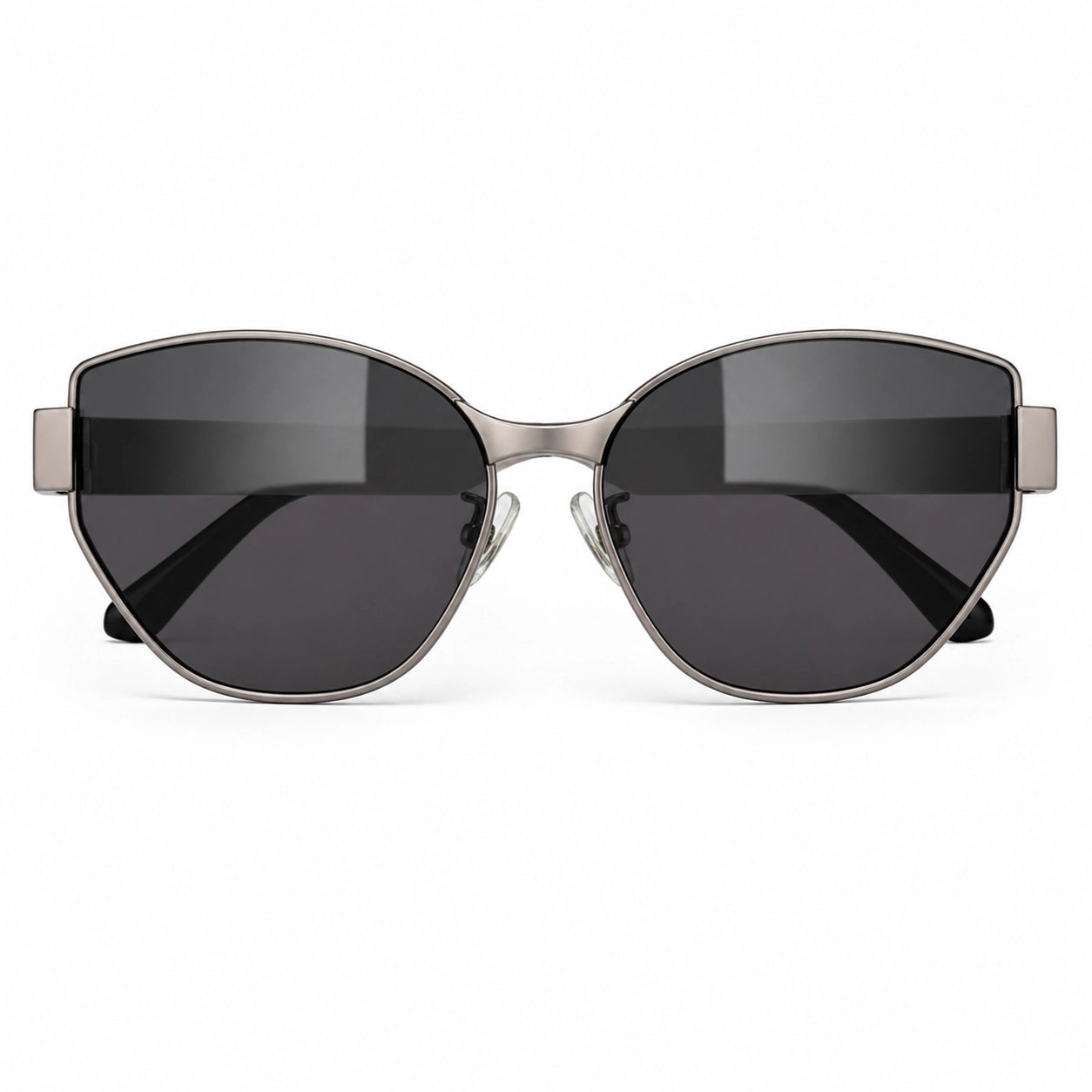
- If face visibility matters, compare polarized options with gradient or lighter-tint rimless styles.
- If you want changing-light convenience, compare photochromic behavior separately. Photochromic does not automatically mean polarized.
Check each product page for exact lens specifications, because polarization, tint depth, UV protection, and colorway details can vary by model or variant.
For a broader lens decision, continue with photochromic vs polarized sunglasses. For a more cautious view, read when polarized sunglasses are not always better.
What a Polarized Test Cannot Tell You
A quick polarized sunglasses test can tell you whether a lens behaves like a polarized lens. It cannot tell you everything about lens quality.
- It cannot confirm UV400 protection.
- It cannot measure optical clarity.
- It cannot prove scratch resistance or coating durability.
- It cannot tell you whether a lens color is best for your activity.
- It cannot replace a proper product specification from a reliable seller.
Use the test to confirm glare behavior, then use the product page to confirm UV protection, lens material, tint category, and exact model specifications.
FAQ
How can I tell if my sunglasses are polarized?
Use an online polarized test image, a phone screen, another polarized lens, a reflective surface, or a polarized test card. If the screen darkens as you rotate the lens, or glare drops clearly on water or glass, the sunglasses are likely polarized.
Can I use an online polarized test image?
Yes, but treat it as a quick screen-based check. Turn your screen brightness up, place the sunglasses over the test image, and rotate the lenses. If the screen or test pattern changes dramatically, the lenses are likely polarized. Confirm with another test or product specifications.
What is a polarized picture test?
A polarized picture test uses a screen image or test-card style image to show whether a lens changes contrast, darkness, or hidden patterns when rotated. Proper physical test cards are more reliable than random online images.
Can I test polarized sunglasses with my phone?
Yes. Hold the sunglasses in front of a bright phone screen and rotate the lenses slowly. Polarized lenses often make the screen darken at certain angles. If the result is unclear, repeat the test with a laptop screen, another polarized lens, or a glare test.
How do I test polarized sunglasses with a screen?
Open a bright white screen, hold the sunglasses in front of it, and rotate the lenses 60–90 degrees. If the display becomes much darker or changes strongly at one angle, the sunglasses are likely polarized.
What is a polarized sunglasses test card?
A polarized sunglasses test card is a card with hidden images or patterns that become visible through polarized lenses. It is commonly used in eyewear stores to demonstrate polarization.
Is the phone screen test reliable?
It is useful, but not perfect. Screen type, brightness, viewing angle, and screen protectors can affect the result. The two-lens 90-degree test or a real glare test is better for confirmation.
What is the most reliable at-home polarized sunglasses test?
The two-lens 90-degree test is usually the most reliable if you already have one pair that is definitely polarized. The phone screen test is faster, but some screens make the result less obvious.
Are polarized sunglasses always UV protected?
No. Polarized means glare-filtering. UV400 means ultraviolet protection up to 400 nm. They are separate lens features, so always check the UV label or product specification.
Does a dark lens mean sunglasses are polarized?
No. A dark lens reduces brightness, but it does not automatically reduce reflected glare. A lens can be very dark and still be non-polarized.
Can non-polarized sunglasses pass a screen test?
Some non-polarized lenses can create small brightness or color changes because of tint, coating, or screen angle. A strong darkening effect at a specific rotation angle is more typical of polarization, but use another test to confirm.
How do I check polarized sunglasses without a test card?
Use a phone screen, laptop screen, another polarized lens, or a real reflective surface such as water, wet pavement, glass, or a windshield.
Why do polarized sunglasses make screens look dark?
Many screens use polarized light. When the screen’s light direction and the lens filter direction conflict, the screen can look dim, rainbow-like, or nearly black.
Can fake polarized sunglasses pass a quick test?
Some dark lenses can make glare look slightly softer, but a real polarized lens should show a clearer change in a phone screen, two-lens, or test-card check. Use more than one method before trusting an unlabeled pair.
Are gradient sunglasses polarized?
Not necessarily. Gradient describes a tint that is darker at the top and lighter at the bottom. Polarized describes glare filtering. A gradient lens is polarized only if the product details clearly list polarization.