
Quick recommendation: The best sunglasses for your nose bridge should sit securely without sliding, pinching or concentrating pressure in one small area. Start by identifying whether you have a low bridge, high bridge, wide bridge or pressure-mark issue, then choose frame weight, nose pads and lens height accordingly.

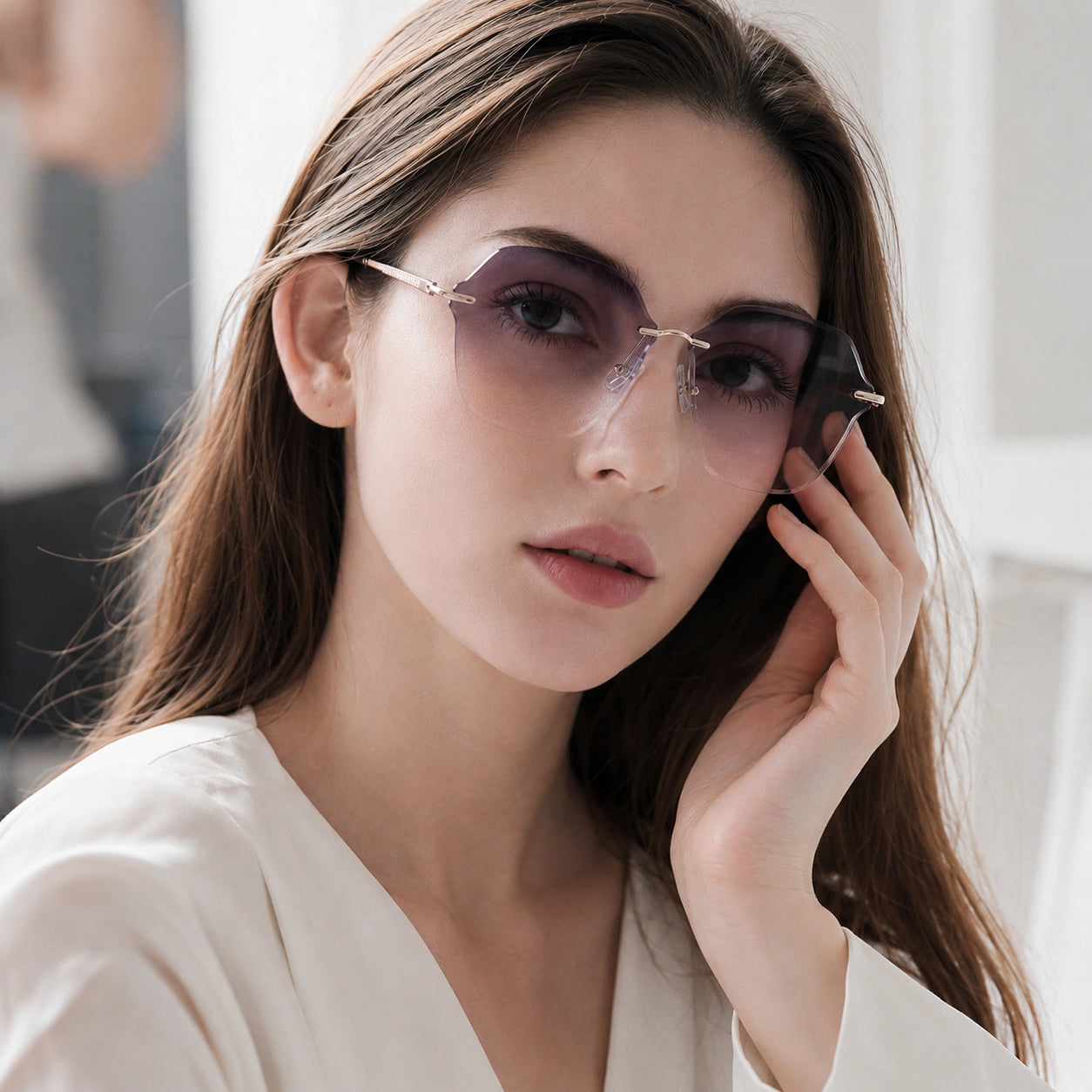
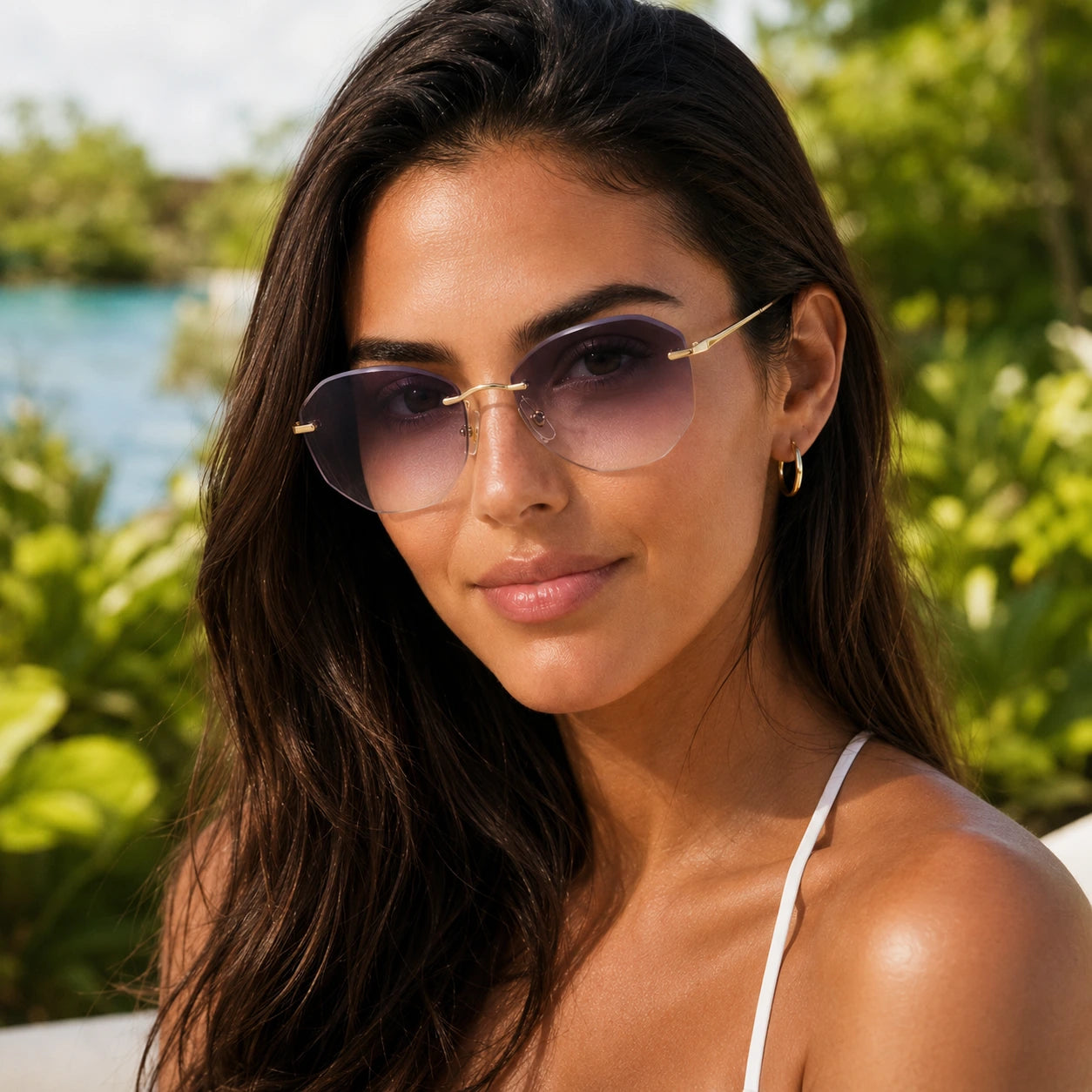

Why Nose Bridge Fit Matters
The bridge is one of the main contact points between sunglasses and your face. If the bridge is too wide, too narrow, too low, too heavy or poorly supported, the frame can slide, leave marks, touch the cheeks or sit unevenly. A good fit should feel stable without needing constant adjustment.
Low Bridge Sunglasses
A low bridge often means sunglasses slide down, sit on the cheeks or touch the lashes. Look for better nose support, adjustable pads, lighter lenses and lens height that does not push into the cheeks.
For slipping issues, read how to stop glasses from sliding down.
High Bridge Sunglasses
A high bridge can usually support many frames, but pressure can still happen if the nose pads are too narrow or the frame weight is concentrated. If the lens sits too high or presses in one place, check pad angle, frame width and temple balance.
Wide Nose Bridge Fit
A wide nose bridge may need a frame that does not pinch at the bridge or sit too high. A wider or adjustable bridge route can help distribute contact more evenly. Avoid frames that squeeze the nose or force the temples outward.
Adjustable Nose Pads
Adjustable nose pads can help tune where the frame sits, how much cheek contact you get and whether the bridge pressure is concentrated. They are especially useful if standard fixed-bridge sunglasses slide or sit unevenly.
Why Sunglasses Slide Down Your Nose
Sunglasses may slide because of a low bridge, frame weight, wide bridge, oily skin, sunscreen, loose temples or poor balance. Tightening the temples is not always the answer. A better frame route may need lighter weight, better nose support or more balanced lens size.
Nose Marks and Pressure Points
Nose marks happen when weight or pressure concentrates in a small area. Makeup, sunscreen, sweat and heat can make marks more visible. Choose lighter frames, better bridge support and lens shapes that do not push the frame downward.
For a makeup-focused approach, read best makeup-friendly sunglasses.
BAPORSSA Fit Product Route
| Choose this if... | Product | Why |
|---|---|---|
| You want adjustable bridge control | Luma | Nose-pad fit route |
| You want less pressure from weight | Air | Lightweight daily direction |
| You want clean rimless daily fit | Backbone | Balanced rimless route |
| You want a small lifted style | Onyx | Soft cat-eye direction |
Related Guides
- How to stop glasses from sliding down
- Best sunglasses for small faces
- Best sunglasses for wide faces
- Sunglasses frame materials guide
FAQ
What sunglasses are best for a low nose bridge?
Look for adjustable nose pads, lighter frame weight, stable bridge support and lens height that avoids cheek contact.
Do adjustable nose pads help sunglasses fit better?
They can help tune frame height, bridge contact and pressure distribution, but the full frame shape still matters.
Why do sunglasses leave marks on my nose?
Marks usually come from weight, pressure, sunscreen, sweat, makeup texture or poor bridge fit.
Can sunglasses fit both low and high bridges?
Some frames are more flexible, but bridge height, nose-pad support and frame balance still need to match the wearer.
Final Recommendation
Choose Luma for adjustable bridge control, Air for lightweight pressure reduction, Backbone for a clean rimless daily route and Onyx for a small lifted shape.