


Quick answer: The best sunglasses after LASIK are not simply the darkest pair. Start with UV400 protection, glare control, a comfortable tint, useful coverage, and a lightweight frame that does not add pressure around the nose or temples. Follow your eye-care professional’s recovery instructions first.
This guide is for general eyewear selection only. Sunglasses can support outdoor comfort after LASIK, PRK, laser eye surgery, cataract-related procedures, or eye dilation, but they do not diagnose, prevent, or treat post-surgery symptoms and should not replace professional recovery guidance.
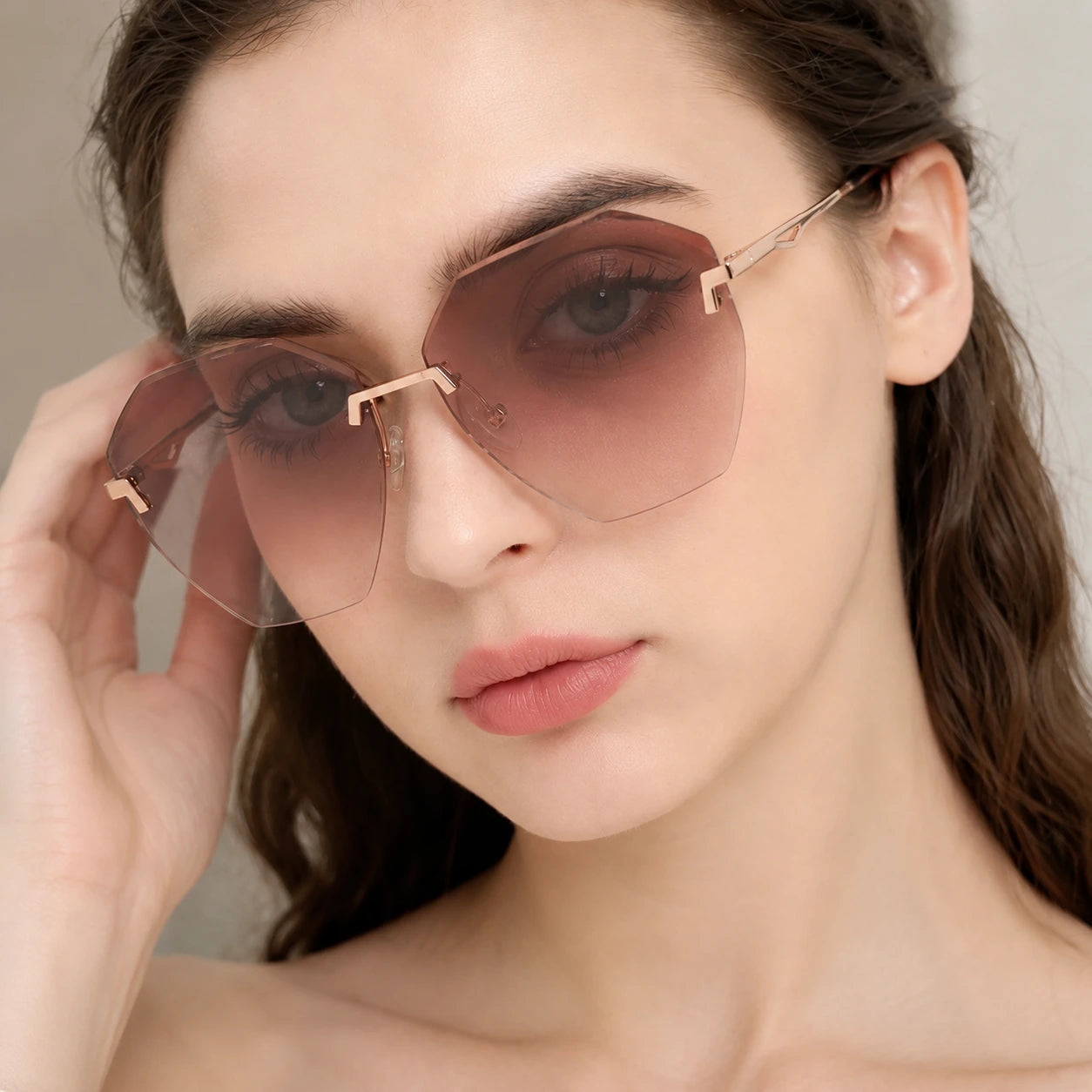
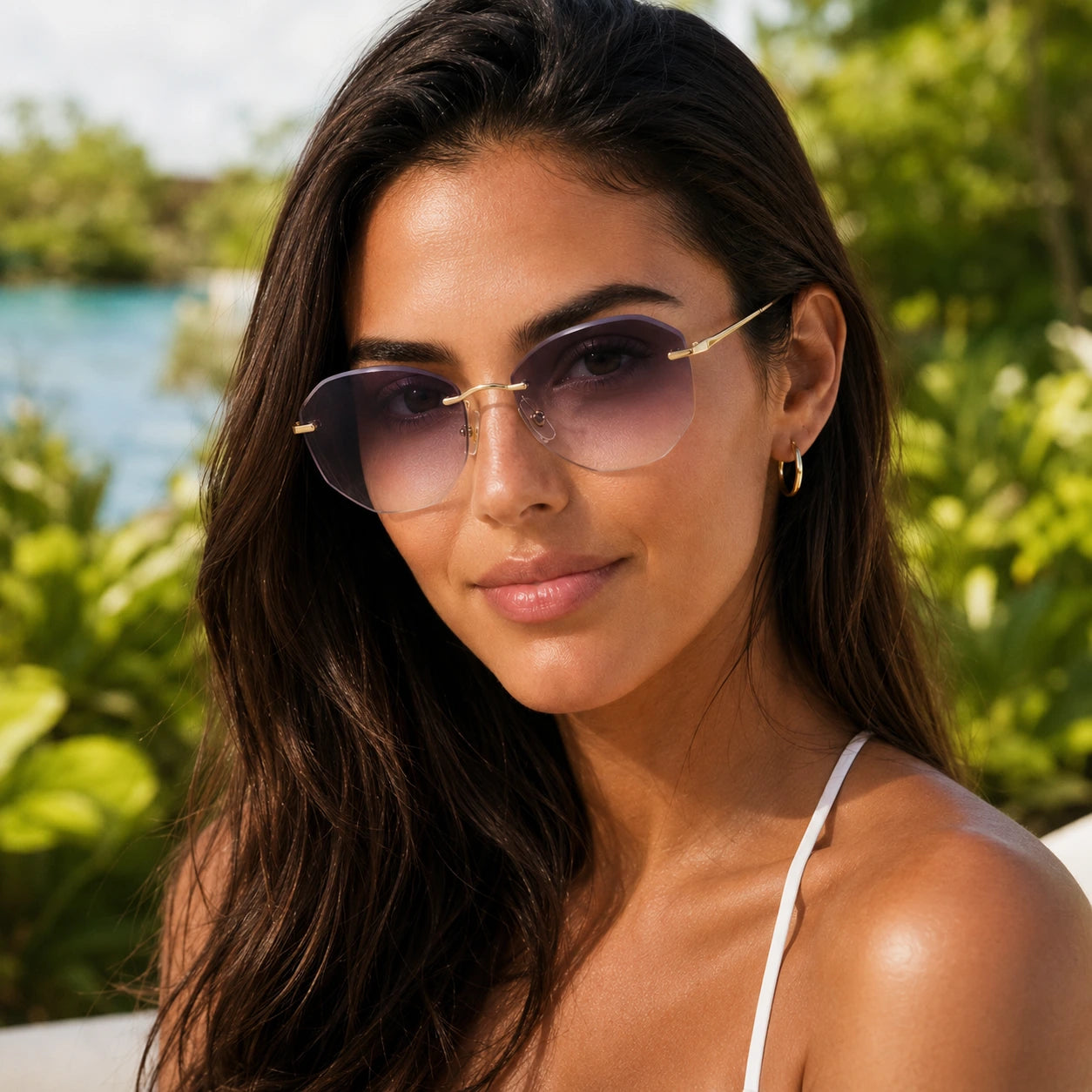
BAPORSSA route: For bright outdoor recovery days, start with lightweight rimless sunglasses with UV400 polarized lenses, softer smoke, brown, rose, or gradient tints, and a stable fit that feels easy to keep on.
Shop rimless gradient sunglasses
For the broader lens-protection system, read the UV400 vs polarized sunglasses guide.
What sunglasses should you wear after LASIK?
Choose sunglasses that are easy to keep on, not just sunglasses that look dark. The best post-surgery sunglasses usually include UV400 protection, a comfortable tint, enough lens coverage, a stable bridge, and low pressure on the nose and temples.
Many people feel more light-sensitive after eye procedures. That does not mean the darkest lens is always the best. A lens that is too dark can make indoor-outdoor movement, phone checks, or dashboard viewing harder.
If your surgeon or eye-care professional gives you specific instructions about lenses, drops, activity limits, or outdoor exposure, follow that advice first.
Post-surgery sunglasses checklist

| Feature | Why it matters | BAPORSSA note |
|---|---|---|
| UV400 protection | Baseline outdoor sun protection | Check this before lens color or style |
| Comfortable tint | Helps bright light feel less harsh | Smoke, brown, rose, or gradient can feel easier than harsh black |
| Glare control | Helps with reflected light from roads, water, glass, or pavement | Polarized lenses can help when glare is the main issue |
| Coverage | Reduces overhead and side light outdoors | Larger or shield-like lenses may feel better in strong sun |
| Lightweight fit | Reduces pressure during long wear | Rimless construction can feel easier on the face |
| Stable bridge | Prevents constant adjustment | Adjustable nose pads can help with fit |
UV400 vs polarized after LASIK or laser eye surgery

UV400 and polarization solve different problems. UV400 addresses ultraviolet protection. Polarization reduces reflected glare from roads, water, snow, glass, and wet pavement.
After LASIK or laser eye surgery, do not assume “polarized” means “more protective.” Start with UV400. Add polarization if reflected glare is a major problem and if the lenses do not make your phone, car display, or dashboard hard to read.
What about PRK sunglasses?
PRK and LASIK recovery instructions can differ, so follow your eye-care professional’s advice first. From an eyewear-selection perspective, PRK sunglasses usually call for the same practical outdoor features: UV400 protection, glare control, useful coverage, comfortable tint, and a lightweight fit that is easy to keep on.
This section is not medical recovery advice. It is a shopping guide for choosing outdoor sunglasses after you have received professional instructions for your own procedure.
Best lens colors after LASIK or eye surgery
Lens color should match the light condition and your comfort level. Grey or smoke lenses are useful for bright sun. Brown can add warmth and contrast. Rose or soft gradient lenses may feel less harsh for some light-sensitive wearers.
For the full tint breakdown, read the sunglasses lens color guide. For light-sensitive comfort specifically, read the light sensitivity sunglasses guide.
Which sunglasses work best by recovery situation?
| Situation | Look for | Why it helps |
|---|---|---|
| Bright outdoor walks | UV400, smoke or brown tint, useful coverage | Helps reduce harsh daylight while keeping the frame wearable |
| Road glare or wet pavement | UV400 polarized lenses | Helps reduce reflected glare from hard surfaces |
| Phone, GPS, or dashboard use | Comfortable tint and screen-friendly visibility | Very dark or polarized lenses can make some screens harder to read |
| Long wear outside | Lightweight rimless frame and stable bridge | Helps reduce nose and temple pressure during longer wear |
| Soft daily comfort | Rose, brown, or gradient tint | Can feel less harsh than a flat black lens for some wearers |
What to avoid
- Avoid unverified dark lenses. Dark tint does not automatically mean UV400 protection.
- Avoid heavy frames if they cause pressure. Recovery wear should feel stable and easy.
- Avoid lenses that make screens unreadable if you need navigation or phone use.
- Avoid rubbing, adjusting, or removing eyewear in ways your doctor has told you not to.
- Avoid treating sunglasses as medical care. Follow your surgeon’s instructions first.
Why lightweight frames matter after eye surgery
After LASIK or other eye procedures, many shoppers focus only on lens darkness. Fit can matter just as much for everyday comfort. A frame that feels heavy, slips, pinches, or needs constant adjustment can make sunglasses harder to keep on.
Lightweight rimless sunglasses reduce visual bulk and can feel easier around the nose bridge and temples. Adjustable nose pads can also help the frame sit more securely without constant repositioning.
Best BAPORSSA route

BAPORSSA’s best route for post-surgery outdoor comfort is lightweight rimless sunglasses with UV400 lens logic, glare-reducing polarized options, soft tint choices, and a cleaner face feel. Choose stronger coverage for harsh outdoor light and softer gradient routes when you want easier daily wear.
For reflected glare from roads, water, or bright pavement, choose UV400 polarized lenses. For a softer face result, choose gradient or rose-tinted rimless styles that reduce visual bulk while keeping the eye area more open.

Shop rimless gradient sunglasses
Related guides
- UV400 vs polarized sunglasses guide
- Light sensitivity sunglasses guide
- Sunglasses lens color guide
- Polarized vs non-polarized sunglasses guide
- Photochromic vs polarized sunglasses guide
- Best sunglasses for seniors and aging eyes
FAQ
What sunglasses are best after LASIK?
The best sunglasses after LASIK usually have UV400 protection, comfortable tint, enough coverage, lightweight fit, and a stable bridge. Follow your eye-care professional’s recovery instructions first.
Do I need polarized sunglasses after LASIK?
Not necessarily. Polarized lenses can help with reflected glare, but UV400 protection is the baseline. Choose polarization if glare is a real problem and screen visibility remains acceptable.
Are dark sunglasses better after eye surgery?
Not automatically. Dark lenses reduce visible brightness, but UV protection depends on UV400 or UVA/UVB protection, not darkness alone.
What lens color is best after LASIK?
There is no single best lens color for everyone. Smoke or grey lenses work well for bright sun, brown lenses can feel warmer with more contrast, and rose or gradient lenses may feel softer for some light-sensitive wearers.
Can I drive with sunglasses after LASIK?
Follow your eye-care professional’s driving guidance first. For daytime driving after you are cleared to drive, sunglasses with UV400 protection, glare control, and clear dashboard visibility may feel more comfortable.
Are PRK sunglasses different from LASIK sunglasses?
The recovery instructions can differ between PRK and LASIK, so follow your eye-care professional’s advice first. For outdoor eyewear selection, UV400 protection, glare control, useful coverage, comfortable tint, and lightweight fit are practical features to consider.
What about sunglasses after cataract surgery?
If you are choosing sunglasses after cataract surgery or another eye procedure, follow your doctor’s recovery instructions first. For general outdoor comfort, look for verified UV400 protection, glare control, enough coverage, and a stable lightweight frame.
Can sunglasses protect my eyes after LASIK?
Sunglasses can support outdoor comfort and UV protection, but they do not replace medical recovery guidance from your eye-care professional.